
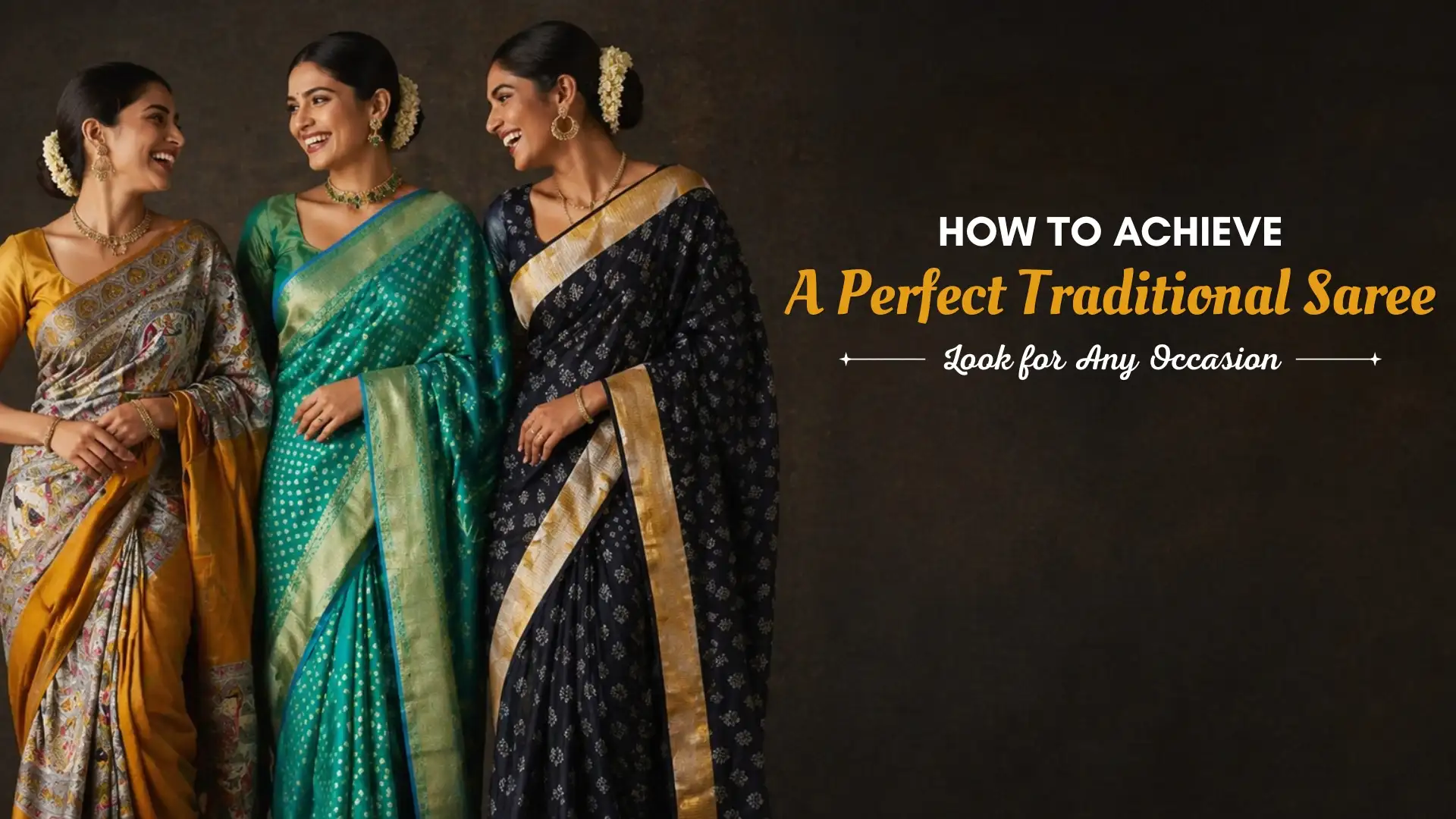
There is something undeniably graceful about a saree. It is one of those outfits that never feels outdated, no matter how trends shift. Whether it is a wedding, a festival, a religious ceremony, or even a special family dinner, the charm of a saree lies in how effortlessly it blends elegance with tradition. And when done right, a traditional saree look does not just make you look good it makes you feel connected to something deeper.
But let us be honest. Getting that perfect traditional saree look can sometimes feel intimidating. The draping, the styling, the accessories it can all seem like a lot, especially if you are not used to wearing sarees regularly.
The good news is that it is much simpler than it looks. Once you understand the basics and find your comfort zone, achieving a beautiful traditional saree look becomes second nature. This guide walks through everything you need to know, step by step, in a way that feels practical and easy to follow.
What Defines a Perfect Traditional Saree Look?
Before diving into styling tips, it helps to understand what really makes a traditional saree look stand out. A traditional saree look is not about wearing the most expensive saree or the heaviest jewelry it is built on simplicity, cultural essence, and thoughtful styling.
Core Elements That Make a Traditional Saree Look Authentic
A traditional saree look typically includes classic or regional draping styles, timeless fabrics like cotton, silk, or khadi, subtle yet meaningful accessories, and a balanced overall appearance. These elements work together to create a look that feels rooted and graceful rather than overdone.
Why Simplicity Is the Foundation of a Traditional Saree Look
The beauty of a traditional saree look lies in its authenticity. It does not try too hard and that is exactly why it works. A restrained, well-considered approach to styling always produces a more compelling traditional saree look than one layered with excess.
Choosing the Right Saree for a Traditional Saree Look on Every Occasion
One of the biggest mistakes people make is wearing the same type of saree for every occasion. The key to a flawless traditional saree look is choosing something that fits the moment. Occasion-appropriate choices make the traditional saree look feel effortless rather than forced.
Traditional Saree Look for Everyday and Religious Functions
For simple gatherings or temple visits, lightweight fabrics work best for a traditional saree look. A cotton blend saree is a great option here breathable, comfortable, and easy to carry for long hours. It helps maintain a soft and elegant traditional saree look without feeling overdressed.
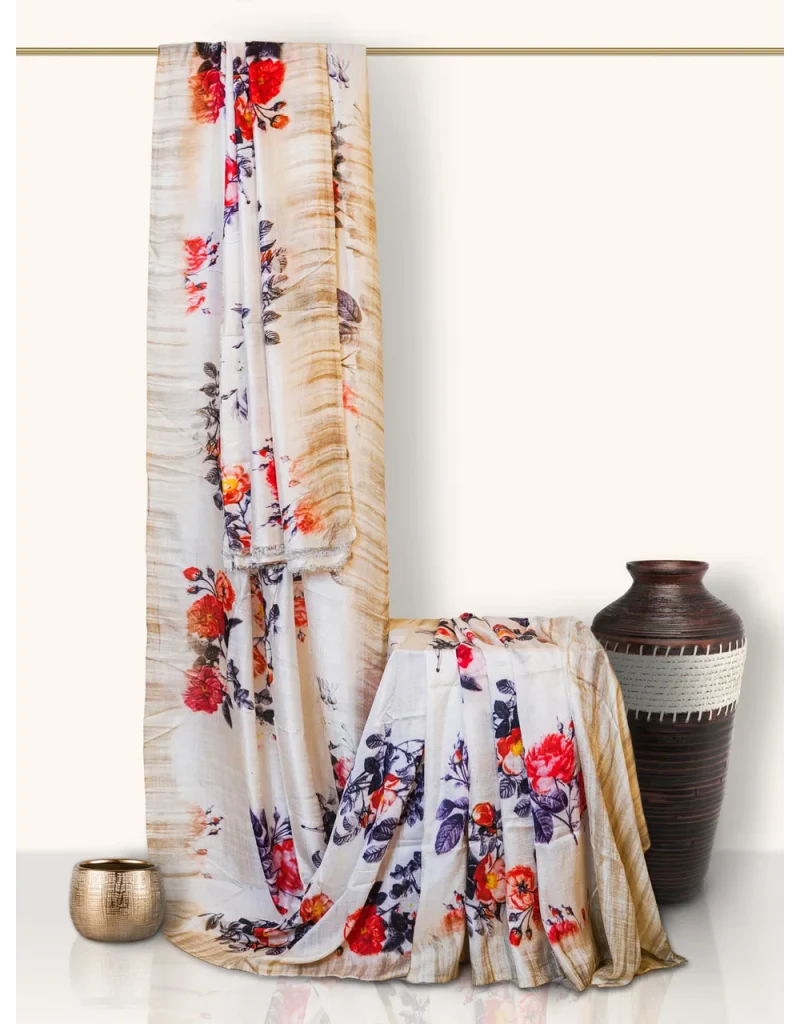
Why Cotton Works So Well for an Everyday Traditional Saree Look
Cotton sarees strike the perfect balance between comfort and elegance. For a traditional saree look that needs to last through a full day of activity, cotton remains one of the most reliable choices across generations and regions.
Traditional Saree Look for Weddings and Grand Celebrations
Weddings call for richer fabrics and deeper colors to create a traditional saree look that matches the occasion’s grandeur. Silk sarees, especially those with traditional motifs, instantly elevate your traditional saree look. If you are looking to buy tissue silk saree, choose one with a refined sheen rather than excessive shine this ensures your traditional saree look feels elegant and not overwhelming.
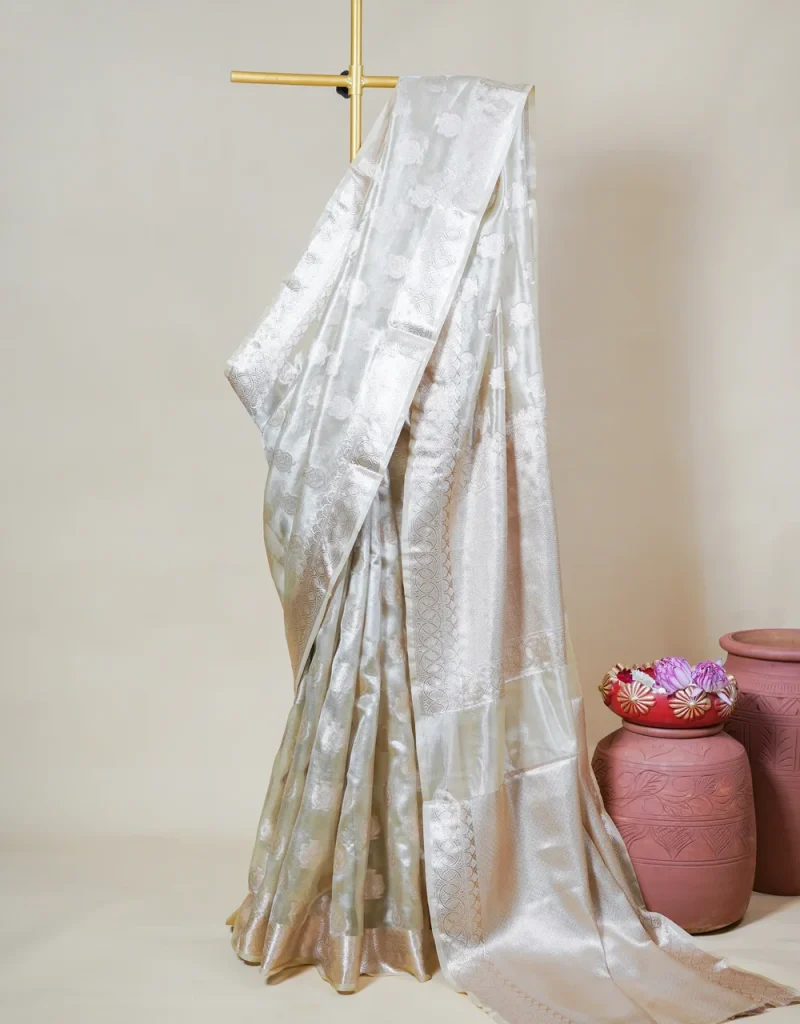
How Silk Elevates the Traditional Saree Look at Celebrations
Silk has long been associated with ceremony and celebration in Indian culture. A well-chosen silk saree creates a traditional saree look that feels rich and considered without crossing into excess. The weight and drape of silk naturally lend structure and presence to the overall appearance.
Traditional Saree Look for Festive Occasions
Festivals are the perfect time to experiment slightly while staying rooted in tradition. Bright colors, light embellishments, and comfortable fabrics can help create a vibrant yet balanced traditional saree look that celebrates the spirit of the occasion.
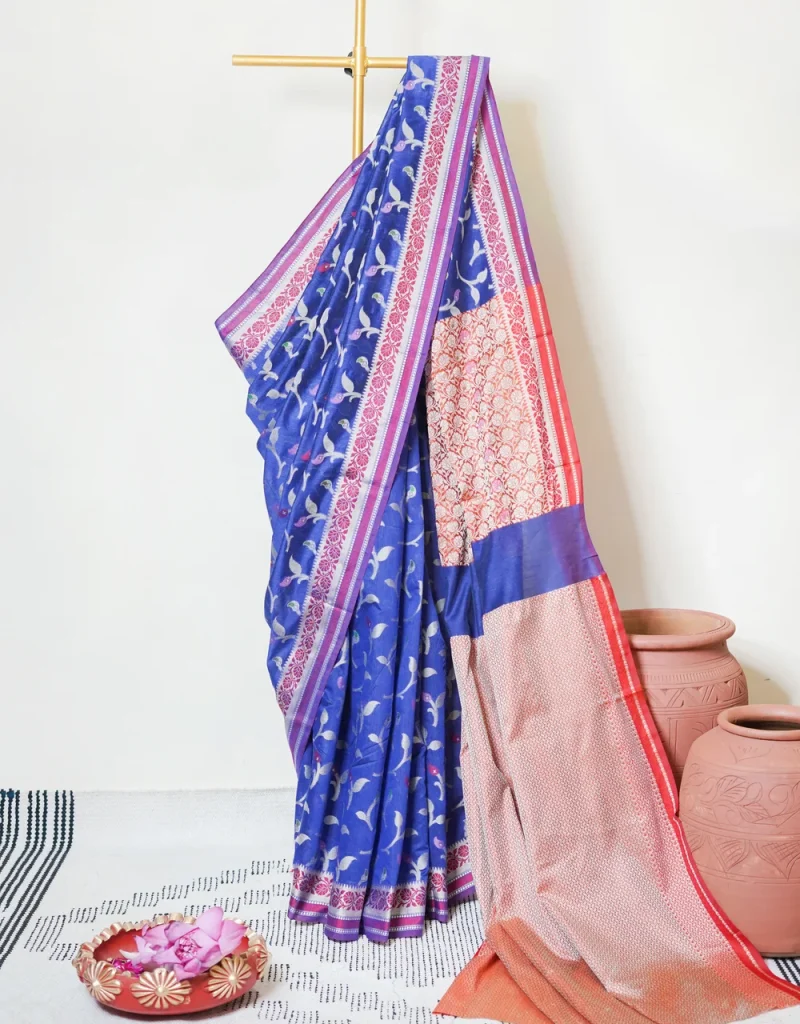
Balancing Color and Comfort in a Festive Traditional Saree Look
For festivals, the traditional saree look works best when color leads the styling. Bold hues like yellow, orange, and red naturally align with festive energy while keeping the overall appearance grounded in tradition. The key is to let the saree do the talking and keep accessories restrained.
Traditional Saree Look for Casual Family Gatherings
For smaller events, keeping things simple is the most effective approach to a traditional saree look. A linen or georgette saree can help achieve a relaxed yet polished traditional saree look that feels appropriate without being overly formal.
Why Georgette and Linen Work for a Relaxed Traditional Saree Look
Both georgette and linen offer a natural ease of movement that suits informal occasions. If you are looking to buy georgette sarees, opt for subtle prints or bordered designs that enhance the traditional saree look without being too loud. The result is a quietly elegant appearance that suits most casual settings.
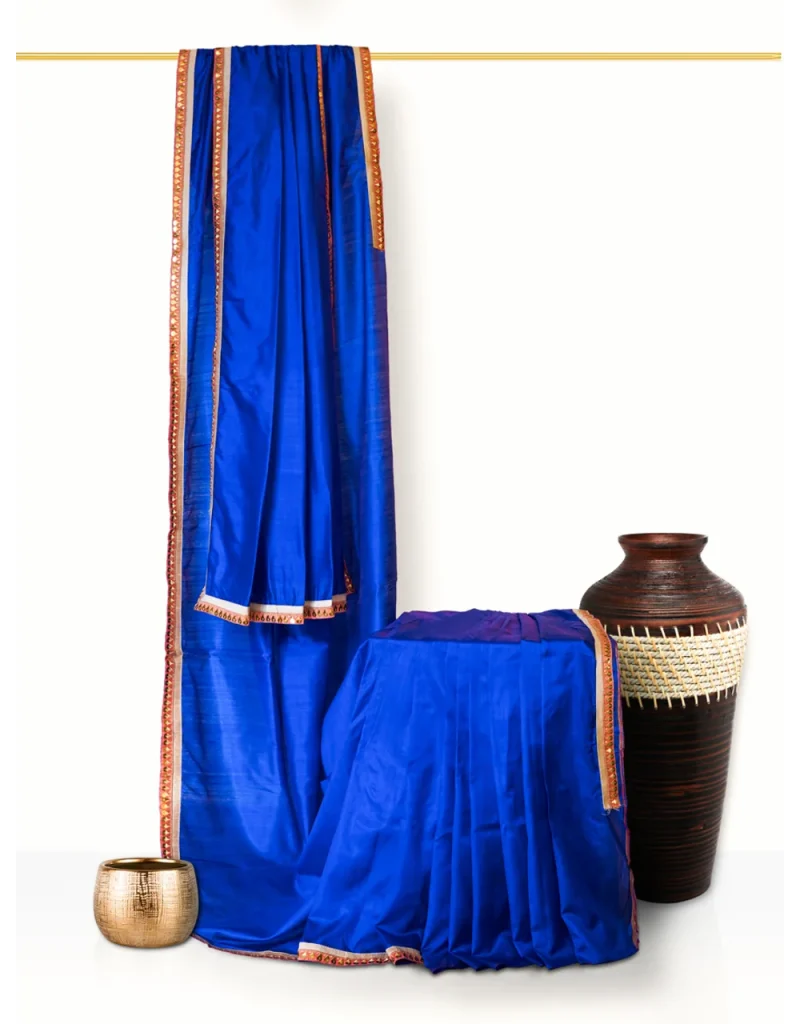
How Fabric Choice Shapes Your Traditional Saree Look
Fabric plays a huge role in how a traditional saree look comes together. The same drape can look completely different depending on the material, which is why fabric selection deserves as much attention as color or styling.
Cotton and Linen for a Grounded Traditional Saree Look
Cotton sarees are timeless and perfect for achieving a clean, grounded traditional saree look. They are especially suitable for daytime events and warmer climates. A linen blend saree offers a structured yet comfortable feel ideal for those who prefer a modern touch while maintaining a traditional saree look.
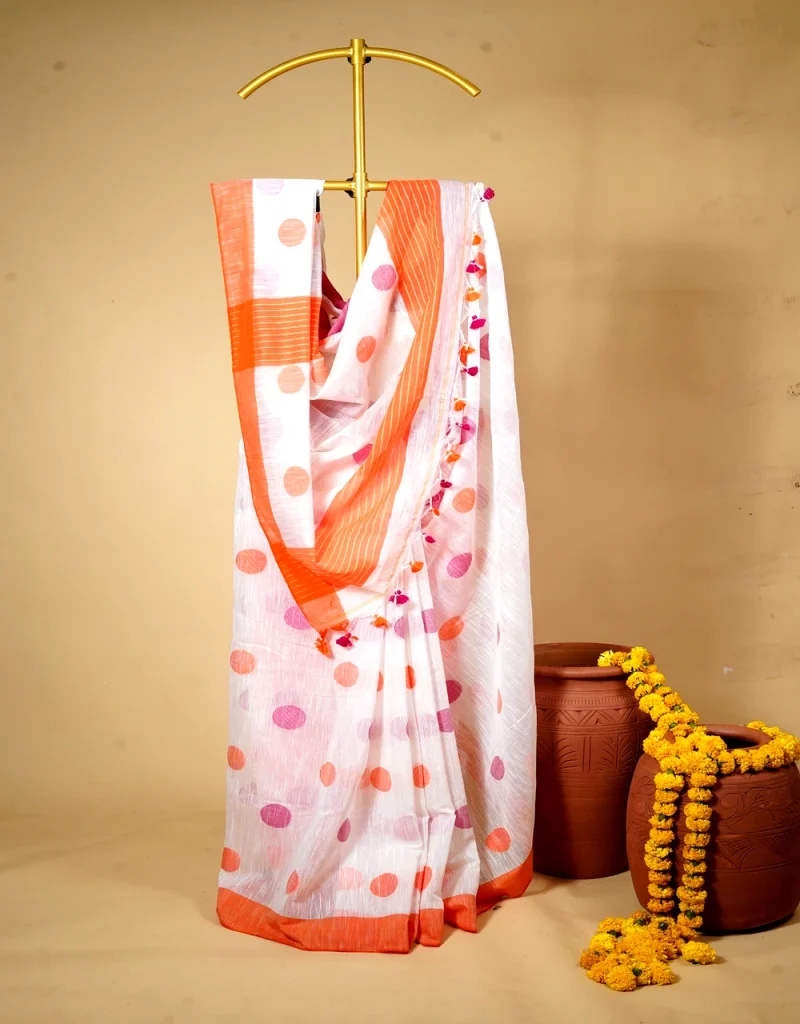
Choosing the Right Weave for a Cotton or Linen Traditional Saree Look
If you are planning to buy linen saree, choosing neutral or earthy tones creates a more refined traditional saree look. These tones complement the natural texture of linen beautifully and give the overall appearance a quiet sophistication that is hard to achieve with heavier fabrics.
Silk and Khadi for a Rich and Rooted Traditional Saree Look
Silk sarees are synonymous with tradition and instantly add richness to a traditional saree look, making them perfect for weddings and festive occasions. Khadi sarees carry a unique charm when you buy khadi saree online, you are embracing a fabric that represents heritage and sustainability, perfect for a meaningful and authentic traditional saree look.
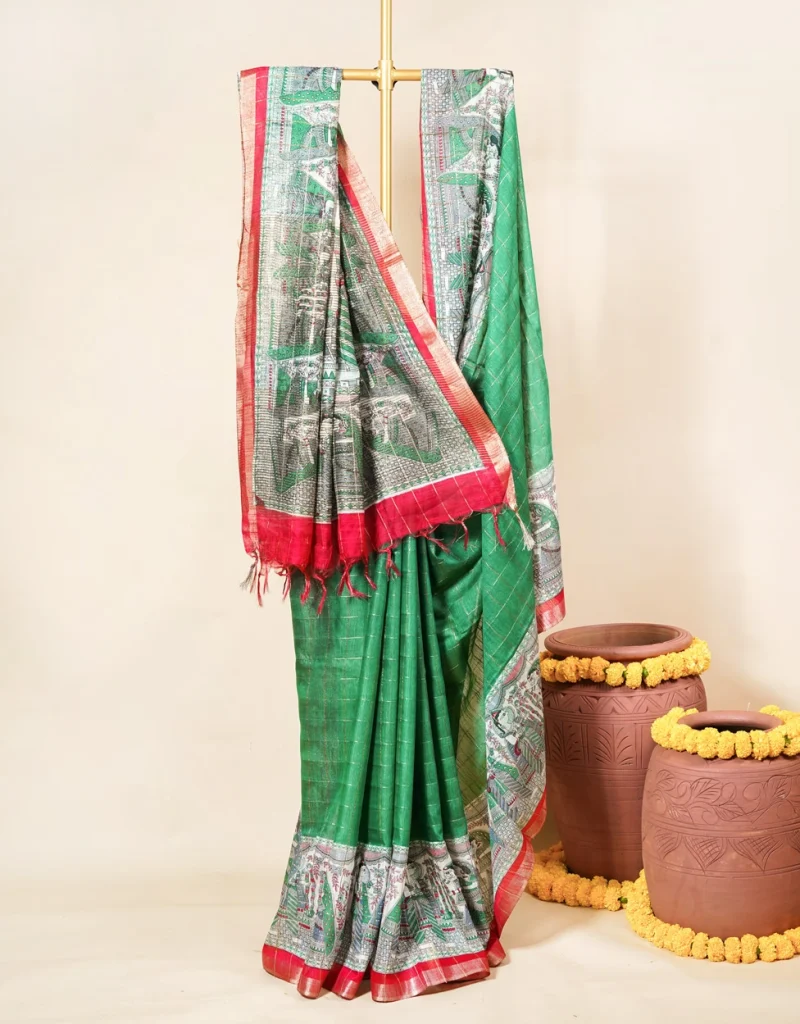
Why Tussar Silk Deserves Attention for a Traditional Saree Look
If you are planning to buy tussar silk saree, you are choosing a fabric known for its natural texture, earthy tones, and quiet elegance. Tussar silk produces a traditional saree look that feels organic and refined particularly well-suited for cultural events and daytime ceremonies where understated grace is the goal.
The Role of a Cotton Silk Saree in a Traditional Saree Look
A cotton silk saree offers the best of both fabrics the breathability of cotton combined with the sheen of silk. This makes it a versatile choice for creating a traditional saree look that works across multiple occasions without committing to the heaviness of pure silk.
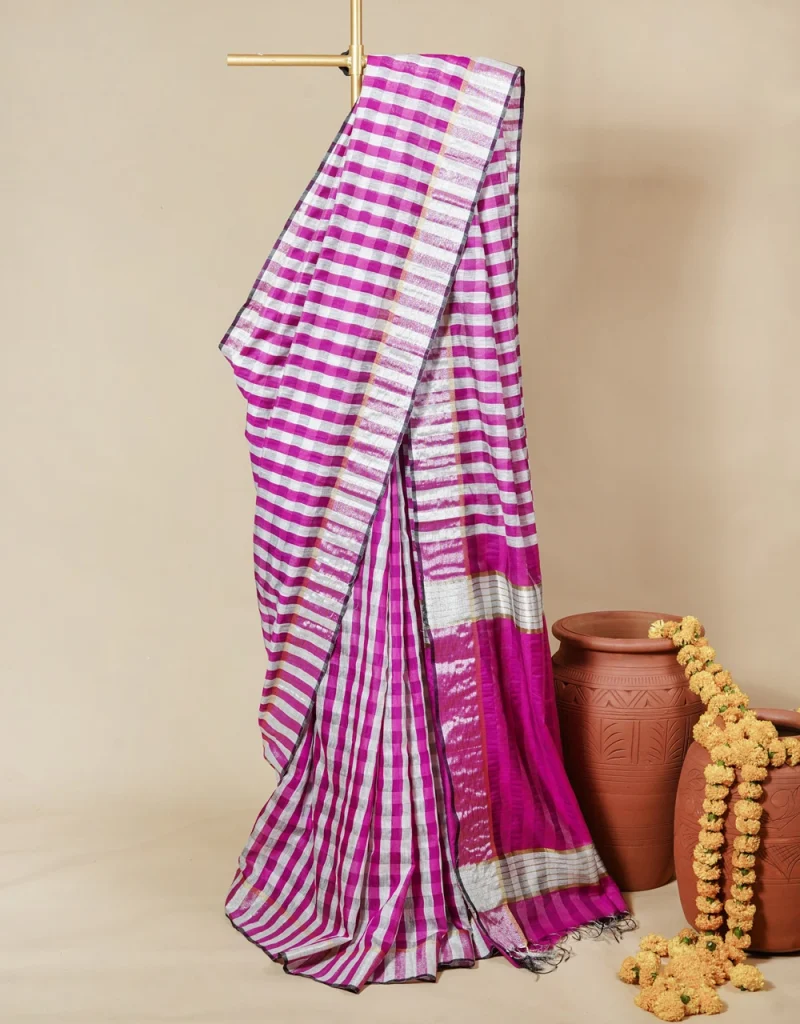
When to Reach for a Cotton Silk Saree for Your Traditional Saree Look
Cotton silk sarees work particularly well for semi-formal events and religious gatherings where a traditional saree look is expected but full silk might feel excessive. The subtle lustre adds polish while the cotton base ensures comfort throughout the day.
Color Selection for the Perfect Traditional Saree Look
Color can completely transform your traditional saree look. It influences how the saree is perceived and how confident you feel wearing it. Choosing the right color ensures the traditional saree look feels appropriate and visually cohesive.
Color Guidelines for Every Occasion and Traditional Saree Look
For a balanced traditional saree look, red and maroon work beautifully for weddings and rituals, yellow and orange suit festive occasions, pastels are ideal for daytime events, and earthy tones create subtle elegance for everyday wear.
How Color Harmony Elevates the Traditional Saree Look
The most enduring traditional saree looks are built on color harmony where the saree, blouse, and accessories complement rather than compete with each other. Choosing a palette and sticking to it consistently is one of the simplest ways to elevate any traditional saree look.
Draping Techniques That Define the Traditional Saree Look
No matter how beautiful a saree is, the drape is what brings the traditional saree look together. A neat and well-structured drape is essential for a polished traditional saree look that holds up throughout the day.
Key Draping Principles for a Polished Traditional Saree Look
For a traditional saree look that looks intentional and graceful, keep pleats even and properly aligned, secure them with pins for a clean finish, and let the pallu fall naturally rather than forcing a specific shape.
Regional Draping Styles That Enhance the Traditional Saree Look
If you are comfortable experimenting, regional draping styles add a unique and culturally rich dimension to the traditional saree look. The Nivi drape from Andhra Pradesh, the Nauvari from Maharashtra, and the Bengali style each produce a distinctly different traditional saree look while remaining deeply rooted in heritage. Brands like Ekaya Banaras offer beautifully crafted sarees designed specifically to complement traditional regional draping styles.
Explore Our Traditional Saree
Blouse Styling for a Complete Traditional Saree Look
The blouse is often underestimated, but it plays a significant role in the overall traditional saree look. A well-chosen blouse brings structure and intention to the entire appearance.
Blouse Choices That Strengthen the Traditional Saree Look
For a classic traditional saree look, choose well-fitted blouses, opt for traditional sleeve lengths like elbow-length, and stick to simple necklines. Avoiding overly trendy blouse designs keeps the traditional saree look timeless rather than trend-dependent.
Matching the Blouse to the Fabric for a Cohesive Traditional Saree Look
The blouse fabric should ideally complement or match the saree fabric. A silk saree paired with a silk blouse creates a seamless traditional saree look, while a contrast blouse in a coordinating tone adds visual interest without disrupting the overall harmony of the traditional saree look.
Accessories That Complete the Traditional Saree Look
Accessories should complement the saree, not compete with it. The right accessories enhance the traditional saree look by adding layers of meaning and elegance without overwhelming the overall appearance.
Jewelry Choices for an Elegant Traditional Saree Look
To enhance the traditional saree look, statement earrings like jhumkas work beautifully, bangles or a simple bracelet add a traditional touch, and a bindi brings the entire look together with cultural authenticity. The idea is balance every element should feel like it belongs.
How Minimalism Strengthens the Traditional Saree Look
In the context of a traditional saree look, less is consistently more. Choosing one or two statement pieces rather than layering multiple accessories ensures the saree remains the focal point of the traditional saree look. Designers like Sabyasachi offer traditional jewelry collections that are specifically designed to complement rather than overpower a classic saree look.
Hair and Makeup for a Harmonious Traditional Saree Look
Hair and makeup are the finishing touches that bring the entire traditional saree look together. These details may seem small, but they significantly enhance the overall appearance and ensure the traditional saree look feels complete.
Hairstyles That Complement a Traditional Saree Look
For a traditional saree look, a neat bun, braid, or soft curls all work beautifully. Adding flowers like gajra for festive occasions brings a distinctly regional and celebratory quality to the traditional saree look that no accessory can replicate.
Makeup Principles for a Balanced Traditional Saree Look
Makeup for a traditional saree look should enhance natural features rather than transform them. A balanced application defined eyes, a complementary lip color, and clean skin ensures the face harmonises with the saree rather than drawing attention away from it.
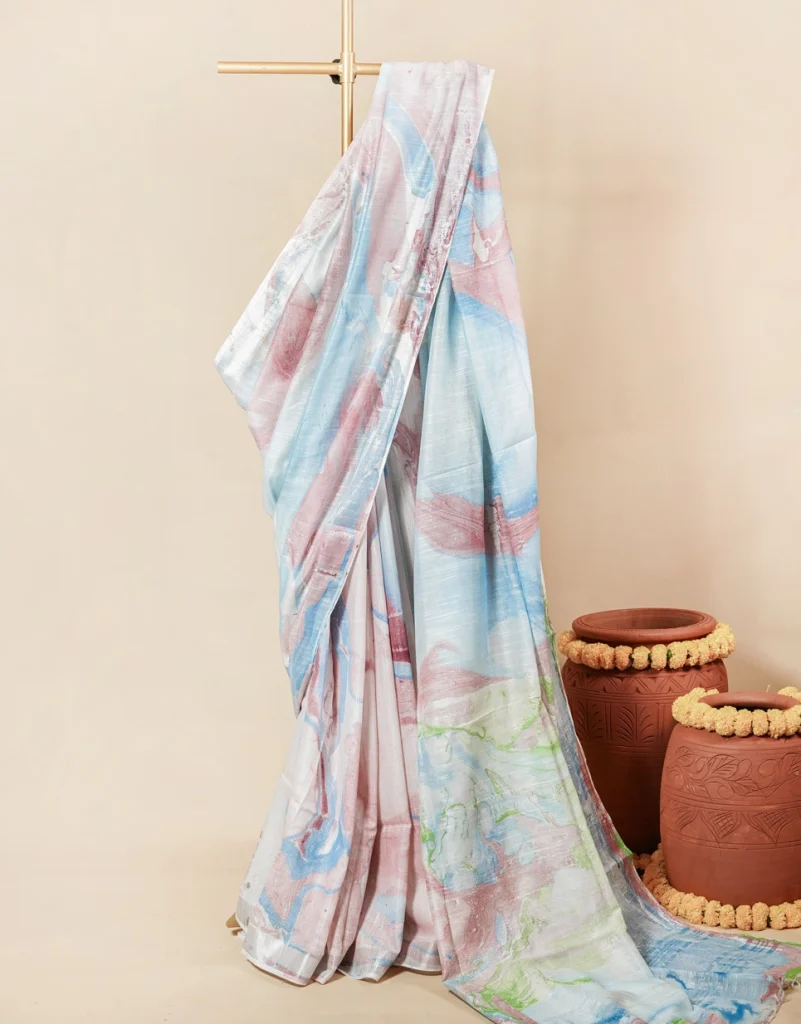
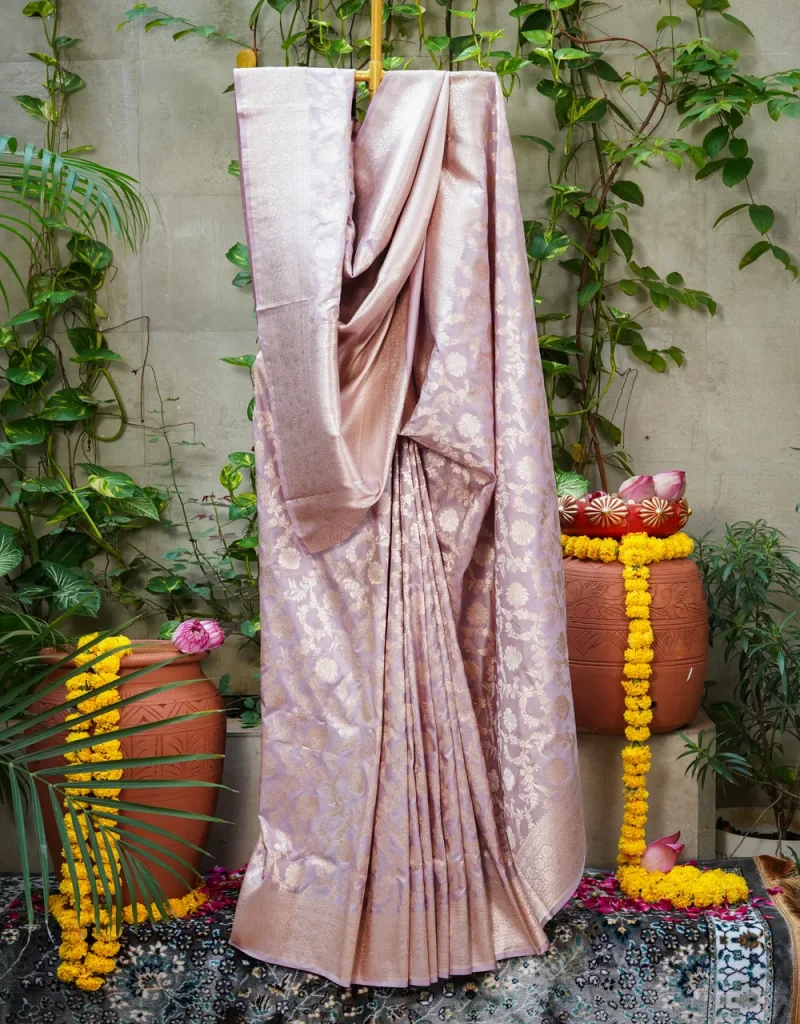
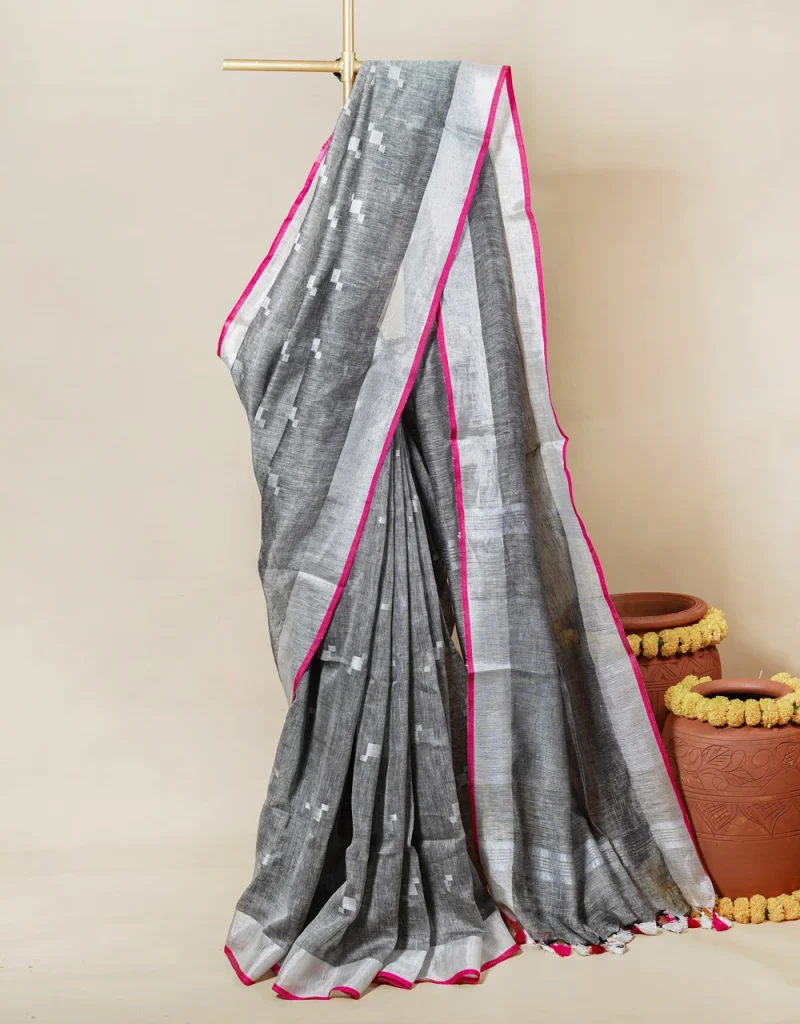
Footwear That Supports the Traditional Saree Look
Footwear often gets overlooked in the pursuit of the perfect traditional saree look, but the wrong choice can affect both comfort and visual harmony. The right footwear grounds the traditional saree look and completes the appearance from head to toe.
Classic Footwear Options for Every Traditional Saree Look
Classic heels or wedges work well for formal occasions, while traditional footwear like juttis or kolhapuris bring an authentically regional quality to the traditional saree look. Comfort is especially important for long events where the traditional saree look needs to hold up for several hours.
Matching Footwear to the Occasion for the Right Traditional Saree Look
For a wedding traditional saree look, heels with embellishment add polish. For a festival traditional saree look, embroidered juttis or flats complement the lighter, more relaxed energy of the occasion. Matching the footwear choice to the specific context ensures the traditional saree look remains coherent from start to finish.
Building a Versatile Wardrobe Around the Traditional Saree Look
You do not need a huge collection to achieve different traditional saree looks. A few well-chosen sarees can cover multiple occasions while consistently delivering the elegance the traditional saree look is known for.
Starting a Saree Wardrobe for Multiple Traditional Saree Looks
Start with a cotton or linen saree for daily wear, a silk saree for weddings, and a georgette saree for easy styling across casual and semi-formal events. This core collection provides the foundation for a traditional saree look on virtually any occasion.
How to Buy Sarees Online for the Best Traditional Saree Look
As you explore and buy sarees online India, look for brands that offer detailed fabric descriptions, real product images, and verified customer reviews. Siakari, our dedicated saree brand, offers a thoughtfully curated collection of traditional sarees from cotton and linen to silk and khadi designed to help every woman achieve an authentic and elegant traditional saree look for any occasion. Gradually expanding your collection through trusted sources ensures each addition genuinely strengthens the traditional saree look you are building.
Shopping Tips for the Perfect Traditional Saree Look
Online shopping has made it easier than ever to find the perfect saree, but choosing wisely is what ensures the traditional saree look translates from screen to reality. Being informed at the shopping stage directly affects the quality of the traditional saree look you eventually achieve.
What to Check When Shopping for a Traditional Saree Look Online
Read fabric descriptions carefully, check customer reviews, and look for real product images rather than heavily edited ones. Whether you are planning to buy a linen saree, a tissue silk saree, or exploring a tussar silk option, being mindful of these details helps you achieve a better traditional saree look with every purchase.
Trusted Designers to Explore for an Elevated Traditional Saree Look
For those seeking a more elevated traditional saree look, exploring curated collections from designers like Ritu Kumar can be a rewarding experience. Their collections blend traditional weaving techniques with contemporary presentation, making them a useful reference point for understanding what a refined traditional saree look can look like in practice.
Common Mistakes That Undermine the Traditional Saree Look
Even small mistakes can affect the overall traditional saree look in ways that are immediately noticeable. Being aware of these pitfalls is one of the most practical steps toward a consistently polished traditional saree look.
Styling Mistakes That Disrupt the Traditional Saree Look
The most common mistakes that affect the traditional saree look include over-accessorising, choosing uncomfortable fabrics, ignoring proper draping technique, and wearing mismatched blouses. Each of these errors pulls attention away from the saree itself and undermines the elegance the traditional saree look is meant to project.
How Simplicity Protects the Traditional Saree Look
Keeping styling choices simple is the most reliable insurance against these mistakes. When each element of the traditional saree look fabric, color, drape, blouse, and accessories is chosen with restraint and intention, the overall result is consistently more elegant than one built on excess.
Confidence as the Final Element of the Traditional Saree Look
At the end of the day, the most important part of any outfit is how you feel wearing it. A traditional saree look is not just about the saree it is about confidence, posture, and comfort working together.
Why Confidence Transforms the Traditional Saree Look
When you feel good in a traditional saree look, it shows in the way you carry yourself. Straight posture, easy movement, and genuine comfort with the drape all communicate a quiet confidence that no amount of styling can substitute. The traditional saree look is ultimately worn best by someone who feels at home in it.
Building Confidence Through Familiarity with the Traditional Saree Look
Confidence in a traditional saree look grows with practice. Wearing sarees on smaller occasions first, experimenting with different draping styles at home, and gradually building familiarity with the fabric all contribute to a traditional saree look that eventually feels completely natural rather than effortful.
Final Thoughts on Achieving the Perfect Traditional Saree Look
Achieving the perfect traditional saree look is not about following strict rules it is about understanding what works for you and embracing it with confidence. From choosing the right fabric and color to styling it thoughtfully, every step contributes to the overall traditional saree look.
Start simple, experiment when comfortable, and enjoy the process. Over time, creating a beautiful traditional saree look becomes effortless and once it does, it is something you will keep coming back to no matter the occasion.
Where Tradition Meets Style
FAQs
What are the key elements of a perfect traditional saree look?
A perfect traditional saree look comes down to a few essential elements fabric, draping, blouse, and accessories. Choosing the right fabric for the occasion sets the base, while neat draping ensures a polished appearance. A well-fitted blouse enhances the structure, and minimal yet meaningful accessories complete the look. It’s not about being overly dressed but about maintaining balance. When everything comes together naturally, your traditional saree look feels elegant, effortless, and appropriate for any occasion.
Which fabrics are best to achieve a traditional saree look?
Fabrics like cotton, silk, khadi, and linen are ideal for creating a graceful traditional saree look. Cotton works well for daytime and casual events, while silk adds richness for weddings and festivals. Khadi offers a rooted, cultural feel, and linen provides a subtle modern touch while staying traditional. The key is to match the fabric with the occasion and your comfort. A thoughtfully chosen fabric enhances the overall traditional saree look without making it feel heavy or difficult to carry.
How can I style my saree for a traditional look without overdoing it?
To achieve a balanced traditional saree look, keep your styling simple and intentional. Choose classic blouse designs, avoid heavy embellishments, and stick to elegant accessories like jhumkas or bangles. A neat hairstyle, such as a bun or braid, adds to the traditional appeal. Makeup should complement your outfit rather than overpower it. The goal is to enhance your natural look while keeping everything cohesive. This way, your traditional saree look appears refined and graceful, not excessive.
Can a traditional saree look work for all occasions?
Yes, a traditional saree look is incredibly versatile and can be adapted for almost any occasion. For weddings, opt for rich fabrics and bold colors, while for festivals, choose bright yet balanced designs. For smaller gatherings or daytime events, lighter fabrics and softer tones work best. The flexibility of a traditional saree look lies in how you style it. With the right adjustments in fabric, color, and accessories, you can make it suitable for both grand and simple occasions.
Leave a Reply