
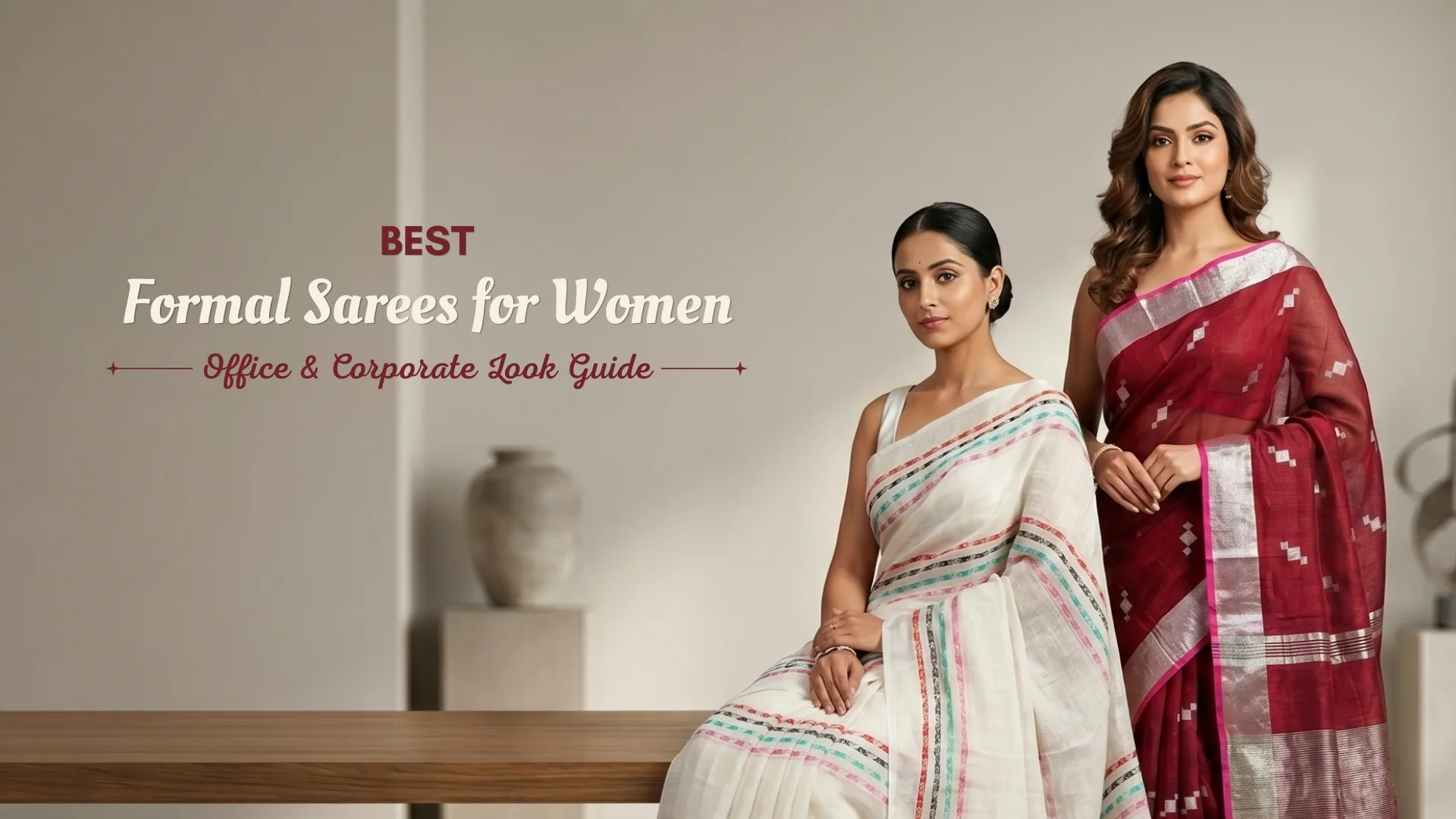
A saree is one of the most timeless garments in Indian fashion, and a formal saree for women remains at the heart of every significant occasion. Regardless of how trends evolve, the elegance of this six-yard wonder continues to captivate generations across the country.
Yet, the most common challenge women face is not finding the right saree it is knowing how to drape a formal saree for women correctly. A perfectly chosen saree can lose its impact entirely if the draping technique is flawed.
On the other hand, even a simple formal saree for women can look extraordinarily polished when draped with precision and confidence. This guide offers a comprehensive, step-by-step breakdown covering fabric selection, draping techniques, styling tips, and expert resources.
Upgrade Your Work Wardrobe
Why Draping Technique Matters for a Formal Saree for Women
Unlike stitched garments, a formal saree for women is an unstitched fabric that takes shape entirely based on how it is worn. The same saree can look dramatically different depending on the draping technique, pleat structure, and pallu placement.
A neat, structured drape enhances posture, improves movement, and elevates the overall look of a formal saree for women at any event. When the draping is done correctly, confidence follows naturally.
Key Benefits of Mastering the Drape
For weddings and parties where first impressions matter, understanding the draping of a formal saree for women is not optional it is essential. The benefits are visible immediately:
- Improved silhouette and body posture
- Greater ease of movement throughout the event
- A polished, camera-ready appearance
- Pallu that stays in place without constant adjustment
- A reflection of cultural sophistication and elegance
Choosing the Right Fabric for a Formal Saree for Women
Before mastering the draping technique, selecting the right fabric is the most critical first step for any formal saree for women. The material directly impacts how the saree drapes, how it holds pleats, and how comfortable it feels across several hours of wear.
Silk – The Classic Choice
Silk remains the most popular fabric for a formal saree for women, particularly at weddings. It holds structure beautifully and carries a natural sheen that no other material replicates. Women looking to buy silk saree styles will find silk varieties to be the most versatile and enduring choice across all formal occasions.
Tissue Silk – Structured Elegance
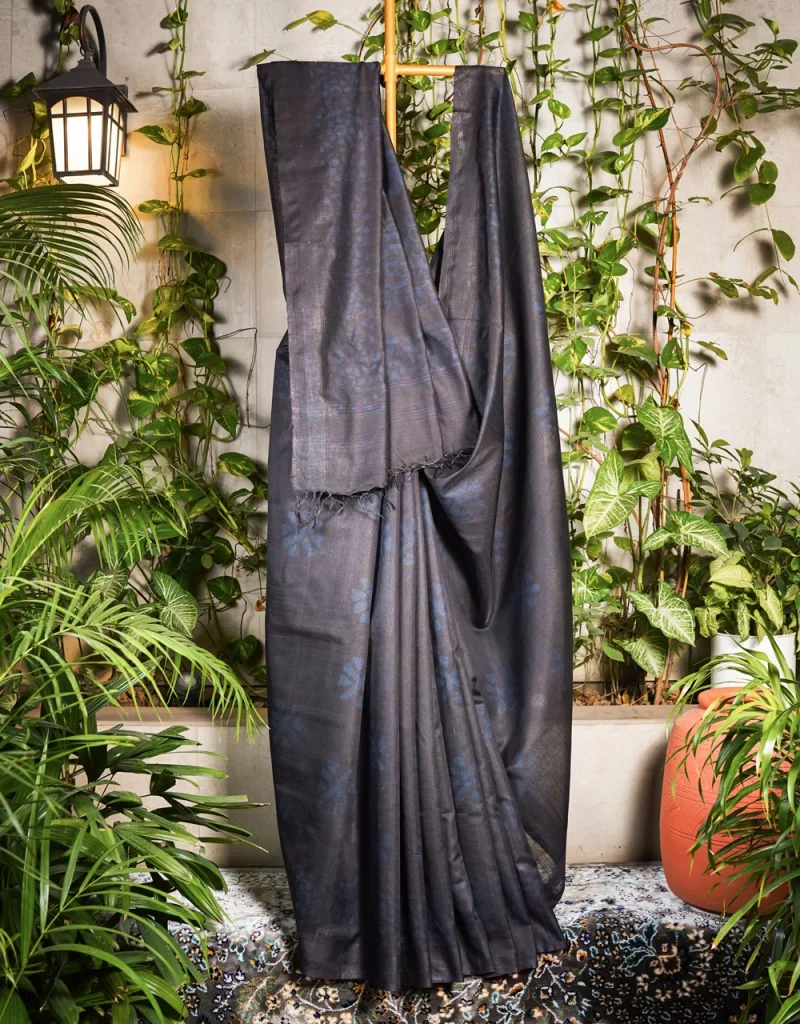
Tissue silk is a fine, semi-transparent fabric with a metallic shimmer that adds luminosity to a formal saree for women at high-end events. Those who wish to buy tissue silk saree styles will appreciate how firmly this fabric holds pleats while delivering an unmistakable radiance at bridal functions and traditional ceremonies.
Tussar Silk – Earthy Richness
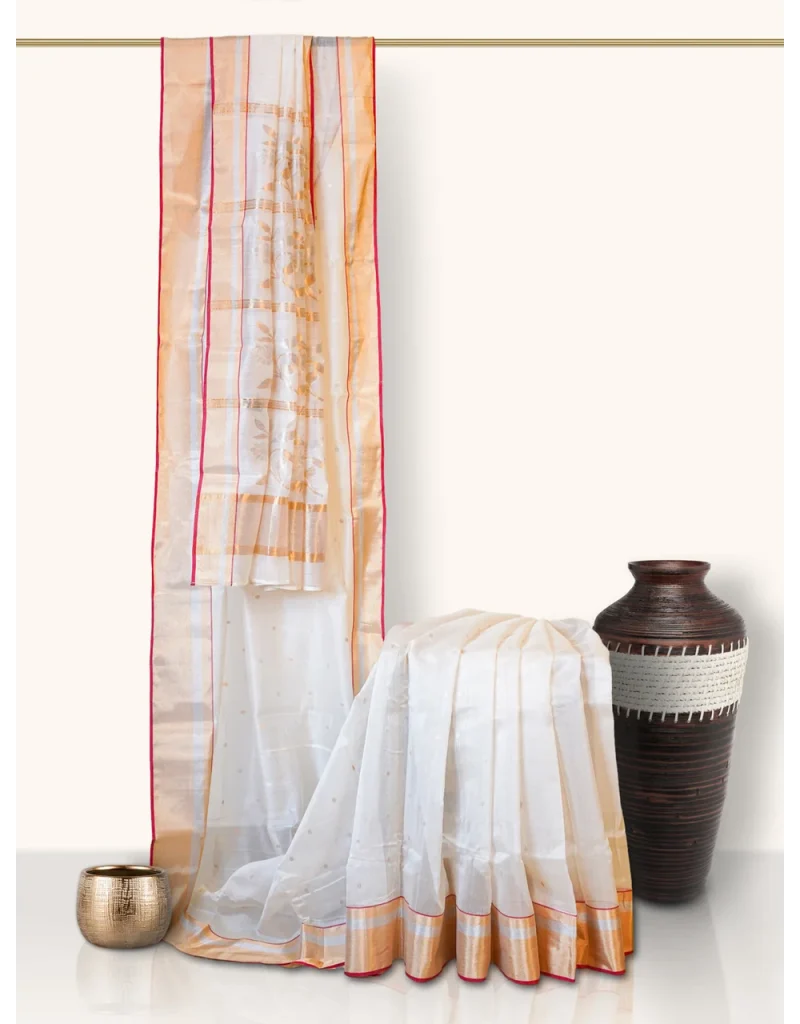
Tussar silk offers a natural, raw texture with a muted sheen that makes it an excellent fabric for a formal saree for women at traditional gatherings. Women who prefer to buy tussar silk saree styles gravitate towards its organic character and the dignified simplicity with which it drapes.
Cotton Silk – Comfort Meets Formality
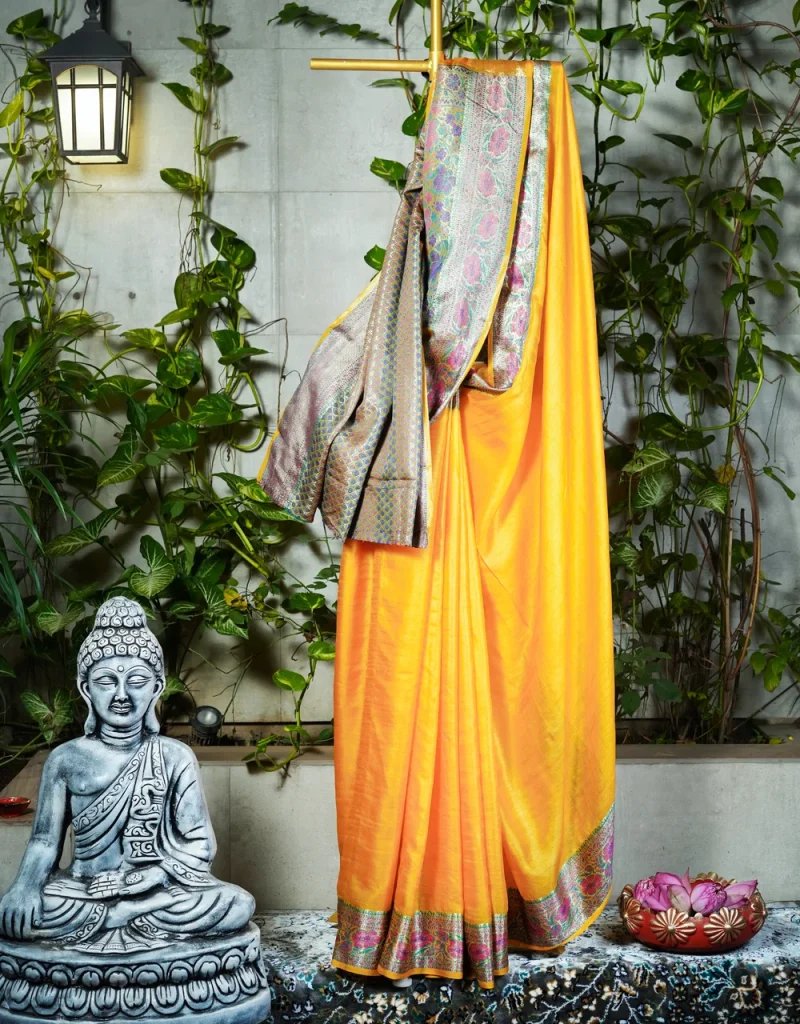
For semi-formal occasions or daytime events, a cotton silk saree strikes the perfect balance between comfort and elegance. It is lighter than pure silk, far easier to manage, and an ideal starting point for women still building their draping skills.
Linen and Linen Blend – Minimalist and Modern
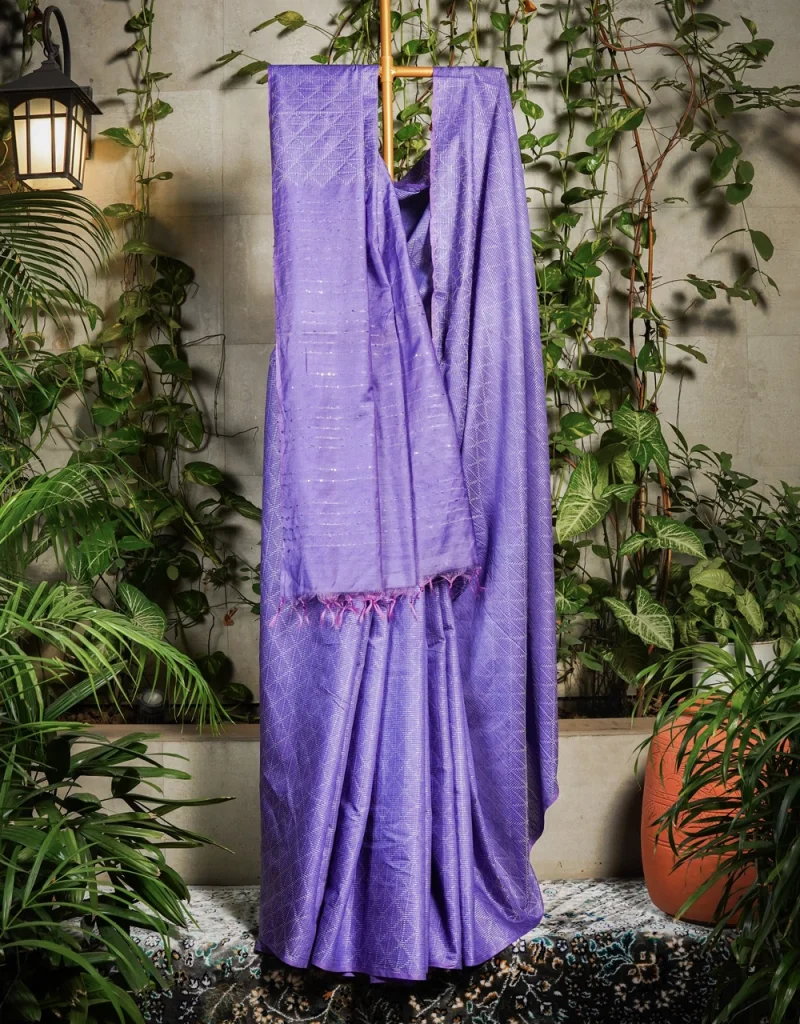
Linen sarees are gaining considerable popularity among women who prefer understated contemporary styling in a formal saree for women. A linen blend saree drapes effortlessly and suits semi-formal gatherings, outdoor functions, and office events with equal ease. Women who wish to buy linen saree styles will find them available across a range of elegant weaves and natural tones.
Brands like Siakari offer an extensive collection across all these fabric categories, making it easy to find the right formal saree for women for every occasion.
Understanding the Structure of a Formal Saree for Women
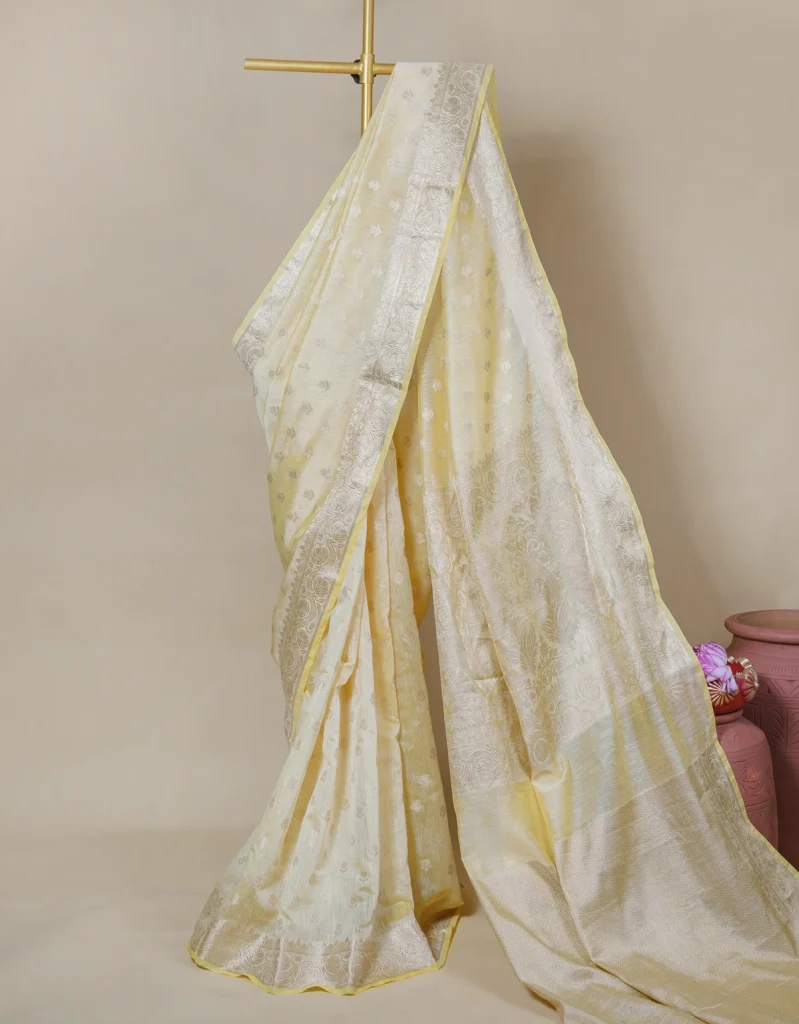
Before beginning the draping process, understanding the basic components of a formal saree for women makes the entire technique far more intuitive. Each section of the saree plays a specific role in the final silhouette.
Key Parts Every Woman Should Know
The Plain End: This is the starting edge of a formal saree for women, tucked into the petticoat first to anchor the entire drape securely at the waist.
The Main Body: The primary expanse of fabric that wraps around the waist forms the base silhouette of a formal saree for women and determines how the pleats fall.
The Pallu: The decorative end draped over the shoulder is often the most ornate section of a formal saree for women, designed to be displayed prominently.
The Blouse Piece: The fabric used to stitch the accompanying blouse plays a critical role in the overall balance and finish of a formal saree for women.
Step-by-Step Guide: How to Drape a Formal Saree for Women
Step 1 – Prepare the Right Base
The foundation of a well-draped formal saree for women begins with a well-fitted blouse and a properly tied petticoat. The petticoat should sit snugly at the natural waist, and its length should reach the ankles to support the hemline of the saree throughout the event.
Step 2 – Begin the First Tuck
Take the plain end of the formal saree for women and begin tucking it into the petticoat at the navel, moving from right to left. Wrap the fabric once fully around the body, ensuring the hem remains even throughout this initial wrap.
Step 3 – Set the Correct Length
Before securing the drape, adjust the hem of the formal saree for women so it falls approximately half an inch above the floor. This ensures ease of movement while maintaining the polished, floor-grazing appearance expected at formal events.
Step 4 – Create the Pleats
Gathering neat, even pleats is the most important technical step when draping a formal saree for women. Fold the front fabric into five to seven equal pleats, ensuring each fold is of consistent width and falls perfectly straight downward without fanning out.
Step 5 – Tuck and Secure the Pleats
Tuck the gathered pleats into the waistband slightly to the left of the navel, then pin them discreetly with a safety pin angled inward. For a formal saree for women worn at long events, this step is what keeps the front drape intact without requiring any adjustment throughout the day.
Step 6 – Drape the Pallu
Bring the remaining fabric across the front of the body and over the left shoulder to complete the drape of a formal saree for women. The pallu can be left free to flow, pinned at the shoulder for security, or styled in a structured manner depending on the occasion and fabric weight.
Make Every Office Look Count
Popular Draping Styles for a Formal Saree for Women
The Nivi Style – Timeless and Universal
The Nivi drape is the most widely used and universally flattering choice for a formal saree for women across all regions of India. It suits every body type and pairs beautifully with both heavy silk and lightweight fabrics.
The Seedha Pallu Style – Royal and Traditional
In this variation, the pallu is draped straight across the front body rather than over the shoulder, giving a formal saree for women a regal, structured appearance. It works exceptionally well with heavily embroidered or embellished pallus that deserve full display at wedding ceremonies.
The Belted Drape – Modern and Fashion-Forward
A statement belt at the waist adds a contemporary edge to a formal saree for women and simultaneously prevents the pleats from loosening during long events. This style is especially popular at cocktail parties, receptions, and modern fusion occasions.
The Pre-Stitched Drape – Effortless Elegance
Pre-stitched or pre-pleated sarees are increasingly favoured by busy professionals and beginners who still want to wear a formal saree for women with confidence. They deliver the elegance of a traditionally draped saree with significantly less preparation time.
Common Draping Mistakes to Avoid with a Formal Saree for Women
Even experienced saree wearers make recurring mistakes that can diminish the visual impact of a formal saree for women. Identifying and correcting these errors makes a significant difference to the final presentation.
Uneven Pleats: Inconsistent pleat widths disrupt the symmetry of the front drape. Always fold each pleat to an equal width before tucking it into the waistband.
Loose Waist Tucking: A loosely anchored formal saree for women will shift during movement, causing the drape to lose shape within the first hour of wear.
Incorrect Petticoat Fit: A petticoat that is too loose or too tight undermines the structural foundation of the entire drape. It must sit firmly at the natural waist to serve as a reliable anchor.
Ignoring Fabric Behavior: Silk holds its shape, while georgette flows freely, and each requires a different approach when draping a formal saree for women. Adapting the technique to the fabric is essential for a clean finish.
Poor Pallu Placement: A pallu that is too short or hangs unevenly affects the overall balance and elegance of a formal saree for women. Always adjust the pallu length before completing the final drape.
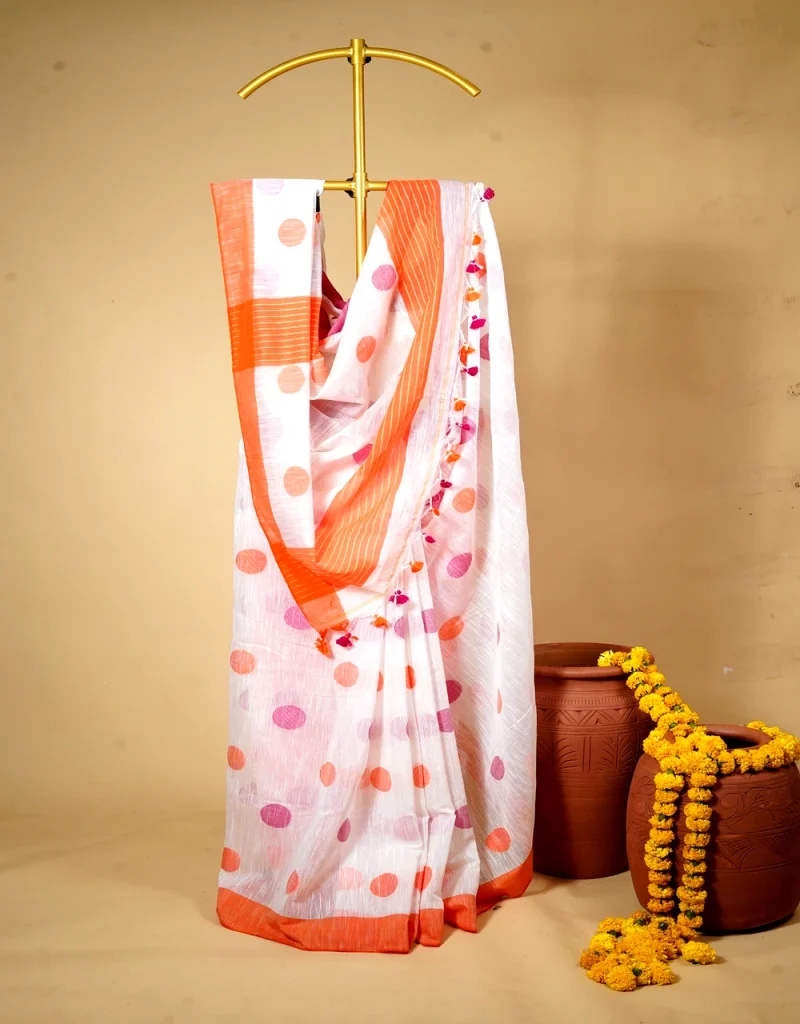
Wedding Draping Tips for a Formal Saree for Women
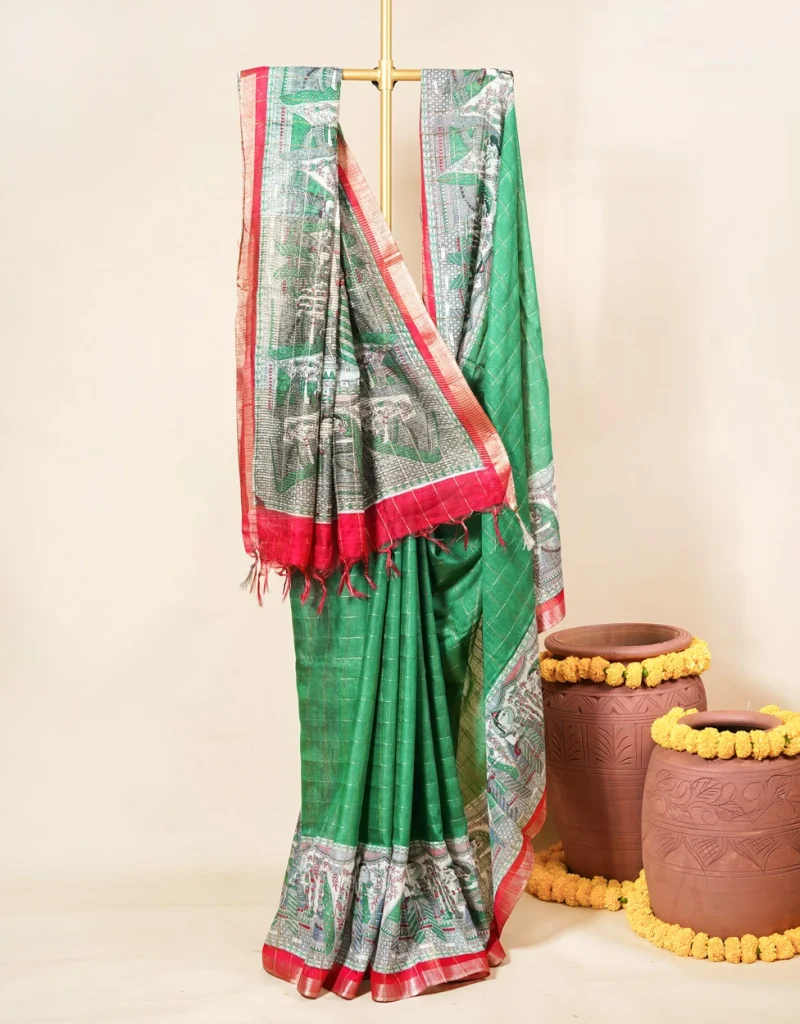
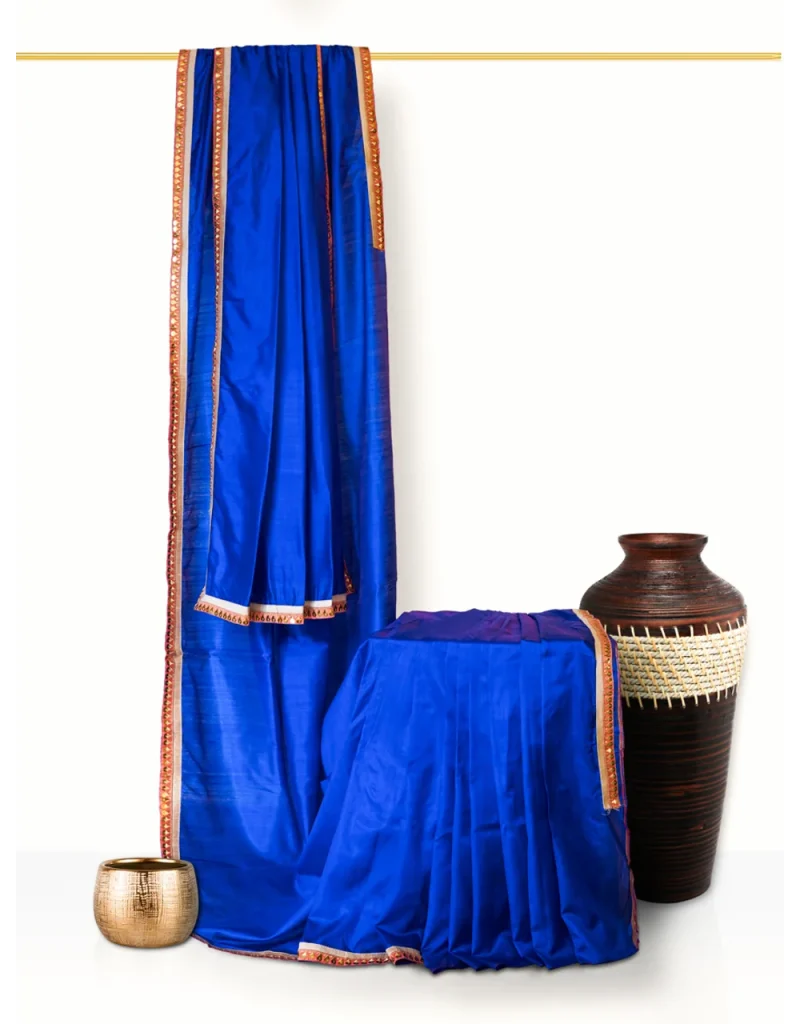
Weddings demand the highest standard of draping precision, and a formal saree for women worn at such occasions must look impeccable from arrival through the final farewell. Structure, stability, and careful preparation are the three pillars of a perfect wedding drape.
Prioritize Stability Throughout the Event
Heavy embroidered sarees in silk or tissue silk require extra pins to maintain their structure, and securing a formal saree for women with at least three to four discreet safety pins across the pallu, waist fold, and pleat section is strongly recommended for long ceremonial events.
Select the Most Appropriate Draping Style
For traditional wedding ceremonies, the Nivi or Seedha Pallu draping style is most appropriate when presenting a formal saree for women with cultural authenticity. For cocktail receptions and modern functions, a belted or fusion drape delivers the right balance of tradition and contemporary style.
Accessories That Elevate the Final Look
The overall impact of a formal saree for women at a wedding is elevated significantly through the right accessories statement earrings, a classic necklace, embellished heels, and a structured clutch bring the entire look together without competing with the saree itself.
Party Draping Ideas for a Formal Saree for Women
Parties offer considerably more creative flexibility when interpreting a formal saree for women, with the focus shifting from traditional structure toward contemporary flair and personal expression. Lightweight georgette and linen styles move gracefully under event lighting and drape effortlessly without excessive pinning.
Minimal pleating combined with a dramatic, floor-length pallu creates a chic editorial look in a formal saree for women that photographs exceptionally well. This approach works particularly well with solid colours and subtle embellishments that catch the light without appearing overdressed.
Fusion accessories such as contemporary metallic belts, layered necklaces, and strappy heels bring a refreshing perspective to a formal saree for women at a party setting, blending Indian tradition with modern styling sensibility.
Recommended Tools and Resources for Styling a Formal Saree for Women
For women seeking additional guidance on draping and styling a formal saree for women, the following platforms offer reliable, detailed, and visually rich references:
Craftsvilla – A comprehensive platform for traditional Indian ethnic wear, offering a wide selection of sarees with styling guides and regional draping references for every type of occasion.
Utsavfashion – Provides detailed product descriptions and draping style references across silk, georgette, and embroidered categories suited to every formal saree for women occasion.
Vogue India – Features editorial content and expert tips on presenting a formal saree for women with modern sensibility at high-profile events, weddings, and contemporary fashion occasions.
Craftmaster India on YouTube – Offers step-by-step video tutorials on draping techniques for a formal saree for women, making it one of the most accessible visual learning resources for beginners and experienced wearers alike.
Dress Smart, Lead Boldly
How Siakari Elevates the Formal Saree for Women Experience
Siakari is a dedicated saree brand that brings together traditional craftsmanship and contemporary design in a single, thoughtfully curated platform built around the formal saree for women. The brand offers an extensive range spanning silk, linen, tissue silk, tussar, and more catering to every occasion and personal aesthetic.
Women who wish to buy sarees online India will find Siakari’s collection organised by fabric, occasion, and regional weave, making it straightforward to identify the right saree for every event. Each piece is selected with both aesthetic quality and wearability in mind.
From handwoven silk sarees for grand wedding ceremonies to understated linen blends for semi-formal occasions, Siakari ensures that finding the perfect formal saree for women is a seamless and enjoyable experience. The brand also provides styling guidance to assist customers through the draping process with confidence.
Caring for a Formal Saree for Women After Wearing
Post-event care is as important as the draping itself when it comes to preserving the quality and longevity of a formal saree for women. With the right maintenance practices, a saree can be worn across multiple occasions without losing its original character.
Dry Cleaning: Silk, tissue silk, and heavily embellished styles should always be dry cleaned after wear to protect the fabric structure and embellishment quality of a formal saree for women.
Proper Folding and Storage: Always fold the formal saree for women along its original crease lines and wrap it in a muslin cloth before storing, which prevents dust accumulation and protects delicate fabric from friction damage.
Airing Before Storage: Allow the formal saree for women to air out fully for several hours before folding, particularly after extended indoor wear where the fabric may have absorbed moisture or fragrance.
Protection from Direct Sunlight: Storing a formal saree for women away from direct light prevents colour fading over time and preserves the vibrancy of embroidery, zari weaving, and printed motifs for years of continued use.
Final Thoughts on Draping a Formal Saree for Women
Mastering the drape is a skill that develops gradually, and every woman who commits to learning will find that a formal saree for women becomes easier and more intuitive to wear with each occasion. Every pleat, tuck, and pallu fold contributes to the final presentation in ways that make the effort entirely worthwhile.
Whether it is a traditional silk saree for a wedding ceremony or a contemporary linen drape for an evening party, the core principles of draping a formal saree for women remain consistent: the right fabric, a firm base, even pleats, and a well-placed pallu define the beauty of every drape.
Brands like Siakari make the entire journey easier from selecting the right fabric to finding the perfect formal saree for women for any occasion all from one trusted destination. With the right guidance and consistent practice, every woman can wear her saree with the confidence and poise it truly deserves.lity.
FAQs
What makes a formal saree for women suitable for office wear?
A formal saree for women is defined by its simplicity, subtle colors, and minimal design. It avoids heavy embroidery or flashy elements and focuses on clean patterns and structured drapes. Fabrics like cotton, linen, or georgette are preferred because they are comfortable and easy to manage. The overall look should feel polished and professional, helping you maintain a confident presence in meetings, presentations, and everyday office interactions without appearing overdressed.
Which fabrics are best for a formal saree for women in daily office use?
For daily wear, breathable and lightweight fabrics work best. Cotton and cotton blends keep you comfortable throughout long work hours, while linen offers a crisp and sophisticated look. Georgette is great for easy draping and movement, especially on busy days. Choosing the right fabric ensures your formal saree for women not only looks elegant but also feels practical, making it easier to wear regularly without discomfort or constant adjustments.
How can I style a formal saree for women for a corporate look?
To style a formal saree for women, focus on neatness and minimalism. Pair it with a well-fitted blouse in classic cuts like boat neck or high neck. Keep accessories simple stud earrings, a watch, or a delicate chain work well. Make sure your saree is neatly draped with properly pinned pleats. Choose neutral footwear like closed-toe heels or flats. The goal is to create a clean, balanced look that feels professional and effortless.
Can a formal saree for women be worn in all types of workplaces?
Yes, a formal saree for women can fit into most workplaces when styled appropriately. In corporate offices, stick to neutral colors and structured fabrics. In creative environments, you can experiment with soft prints and lighter materials. For client-facing roles, choose sarees that reflect confidence and elegance, like khadi or silk blends. The versatility of a formal saree for women allows it to adapt to different work settings while maintaining a professional appearance.
Leave a Reply