Author: Team Siakari

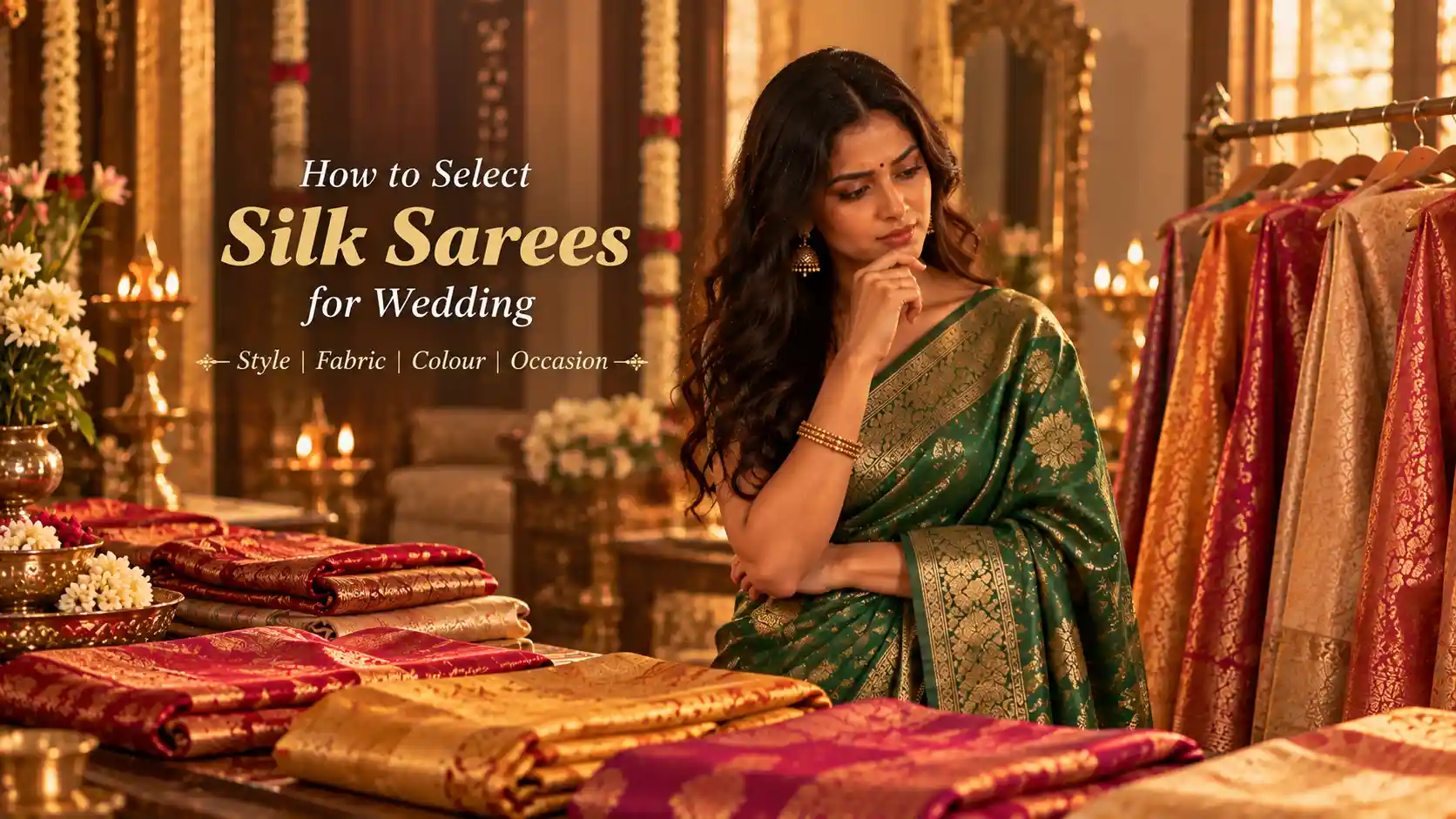
  • How to Select Silk Sarees for Wedding?

    How to Select Silk Sarees for Wedding?

    Wedding saree shopping sounds exciting until you actually start doing it. There are colours to compare, different weaves to understand, borders to look at, blouses to plan and, of course, plenty of opinions coming from everyone around you. With so many choices available, knowing how to select silk sarees for wedding occasions can make the entire process much easier.

    A wedding saree is not just another outfit. It becomes part of photographs, rituals, family celebrations and memories that stay with you long after the wedding is over. So while the saree needs to look beautiful, it should also feel comfortable and suit your personality.

    If you are wondering how to select silk sarees for wedding celebrations, don’t simply look for the heaviest saree or the one with the most zari. The right choice depends on the occasion, fabric, weave, colour, comfort, styling and, most importantly, what makes you feel good when you wear it.

    How to Select Silk Sarees for Wedding Based on the Occasion
    The first thing to think about when learning how to select silk sarees for wedding occasions is where you will actually wear the saree.

    A wedding ceremony, reception, engagement and pre-wedding function can all have completely different moods. A traditional morning ceremony may call for a classic, richly woven saree, while an evening reception gives you more room to experiment with colours, blouse designs and jewellery.

    Before you start shopping, think about:

    • Is the saree for the wedding ceremony, reception or engagement?
    • Is the function during the day or evening?
    • Is the wedding traditional, modern or a mix of both?
    • Will there be long rituals where you have to sit for hours?
    • Will you be moving around, dancing or meeting guests?
    • Is there a particular colour palette for the wedding?

    These simple questions can make how to select silk sarees for wedding much less overwhelming. Instead of browsing every possible design, you can start looking for something that actually suits the event.

    How to Select Silk Sarees for Wedding by Understanding the Weave
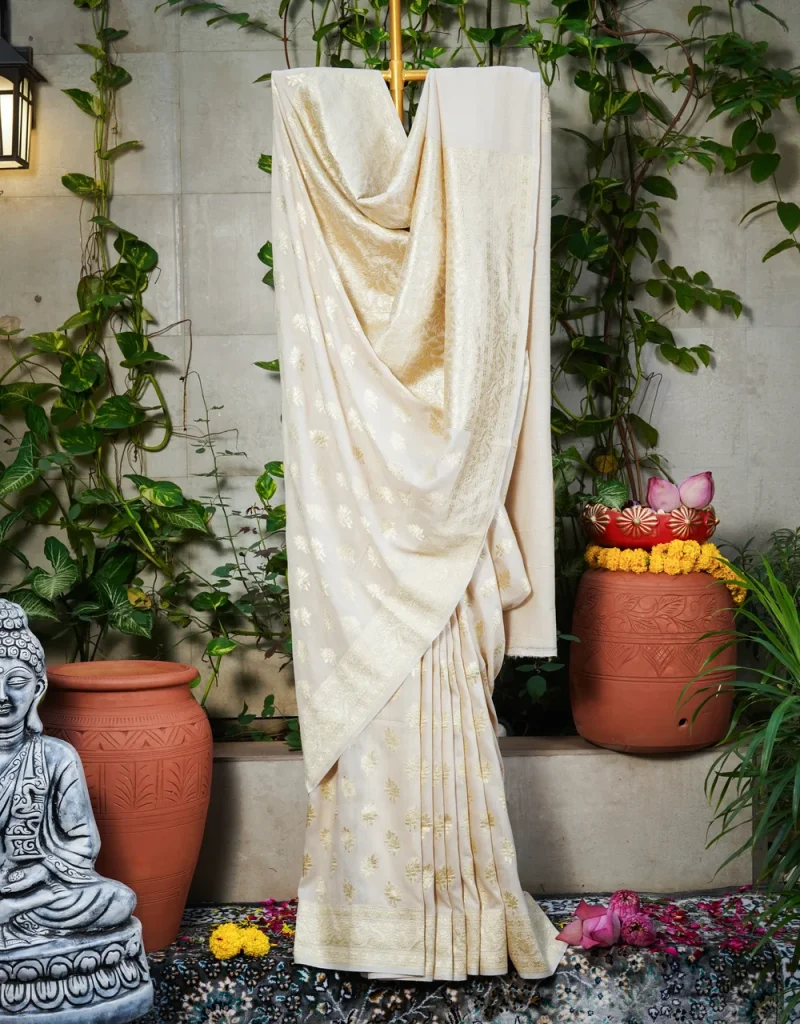
    When figuring out how to select silk sarees for wedding, don’t judge a saree only by its colour. The weave plays a huge role in its appearance, texture and drape.

    Two sarees can both be described as silk and still look and feel completely different. The type of silk, weaving technique, motifs, zari and finishing all contribute to the final look.

    India has several varieties of silk, including Mulberry, Tasar, Eri and Muga. The Silk Mark Organisation of India provides information about these different silk varieties and their characteristics in its silk FAQ and information guide.

    Understanding these differences is useful because you may discover that the saree you initially imagined isn’t necessarily the one you enjoy wearing most.

    When shopping, look closely at:

    • The texture of the fabric
    • The quality of the weave
    • The border construction
    • The pallu
    • The placement of motifs
    • The zari work
    • The way the fabric folds
    • The way it falls when draped

    Once you start noticing these details, how to select silk sarees for wedding becomes less about simply choosing a pretty colour and more about appreciating what makes the saree special.

    How to Select Silk Sarees for Wedding According to Your Personal Style
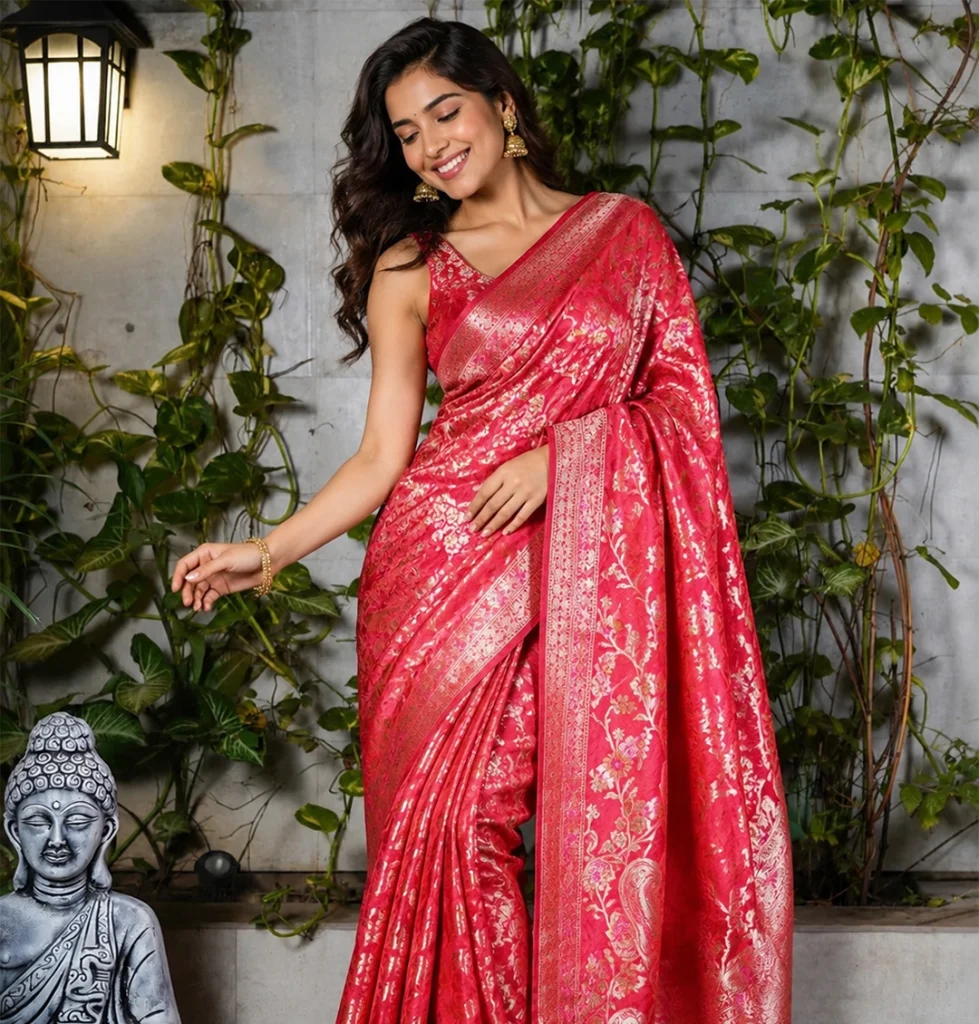
    A saree can look stunning on a display rack and still not feel right once you wear it.

    This is why personal style is such an important part of how to select silk sarees for wedding celebrations. Some women love traditional motifs, broad borders and rich zari. Others prefer clean designs, softer colours and a more understated look.

    Neither style is better. Your wedding wardrobe should feel like an extension of you.

    If you normally prefer minimal outfits, don’t feel pressured into buying an extremely elaborate saree simply because it is considered more bridal. And if you love traditional dressing, don’t choose something too minimal just because it happens to be trending.

    Ask yourself:

    • Do I usually prefer traditional or contemporary clothing?
    • Do I enjoy heavy zari?
    • Do I prefer broad or narrow borders?
    • Do I feel more comfortable in bold or subtle colours?
    • Does this saree feel like something I would genuinely choose?

    And one more question is worth asking: Would I wear this saree again?

    A saree that can come out of your wardrobe for festivals, family celebrations and future weddings can become something you treasure for years.

    How to Select Silk Sarees for Wedding by Choosing the Right Colour

    Colour can completely change the personality of a saree. So when considering how to select silk sarees for wedding, give yourself some time to explore shades instead of immediately reaching for the traditional bridal red.

    Red, maroon, green, gold, pink and royal blue remain timeless wedding choices. At the same time, modern wedding wardrobes now include blush, ivory, wine, emerald, lavender, peach and other softer or deeper tones.

    The important thing is to see how the colour actually looks on you.

    Silk reflects light naturally, which means a colour can appear slightly different under showroom lighting, daylight and wedding photography.

    Keep these points in mind:

    • Choose a colour you genuinely enjoy.
    • Check it in natural light whenever possible.
    • Consider the colour of your jewellery.
    • Think about the wedding décor.
    • Check how the zari contrasts with the base colour.
    • Consider whether you want a timeless or contemporary look.

    A rich pink saree can give you a soft and festive appearance, while deeper jewel tones can create a more dramatic look for an evening celebration.

    How to Select Silk Sarees for Wedding by Looking at the Border and Pallu
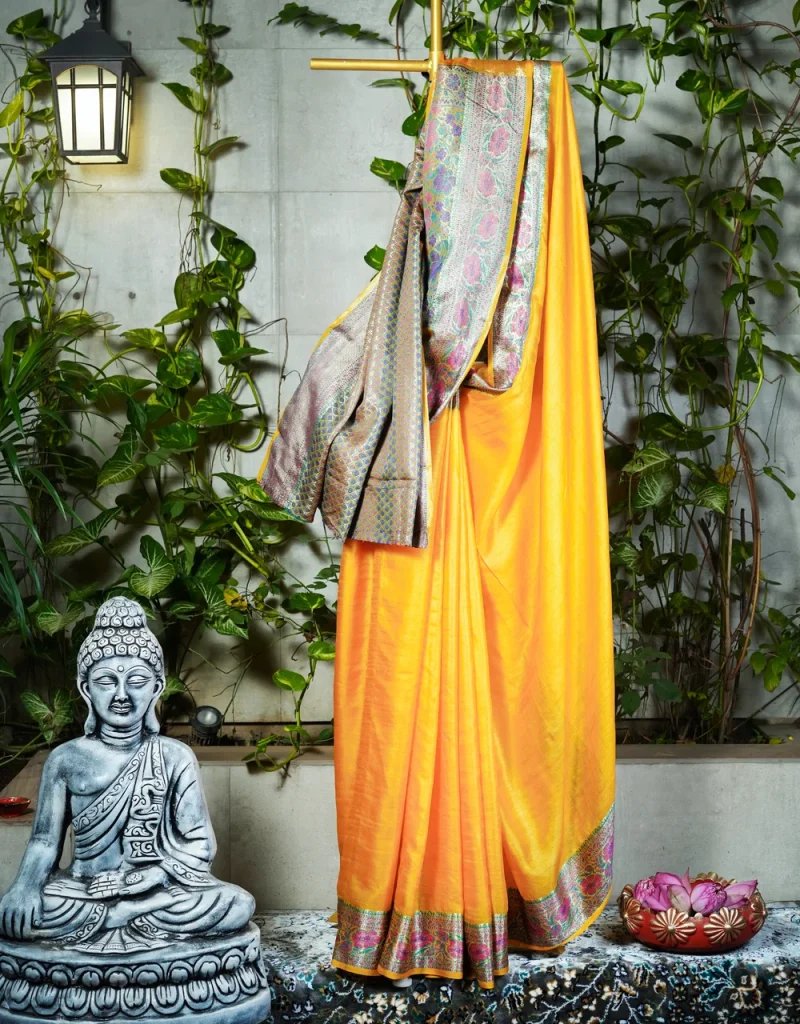
    The border and pallu are two of the first things people notice about a saree. They also have a big influence on photographs, which makes them important when learning how to select silk sarees for wedding occasions.

    A broad zari border can give a saree a traditional and grand appearance. A slimmer border can create a cleaner, more contemporary look. The pallu, meanwhile, can become the main statement element of your outfit.

    Don’t look at the border and pallu separately. Imagine the saree fully draped.

    Before buying, check:

    • Is the border proportionate to the saree?
    • Does the pallu have enough detail?
    • Is the pallu easy to manage?
    • Does the border work with your blouse?
    • Are the motifs evenly distributed?
    • Does the zari look neat?
    • Will the pallu be visible in the way you plan to drape it?

    When thinking about how to select silk sarees for wedding, remember that a saree doesn’t need to be covered in embellishment to look luxurious. Good proportion and craftsmanship can make a much bigger difference.

    How to Select Silk Sarees for Wedding With Comfort in Mind
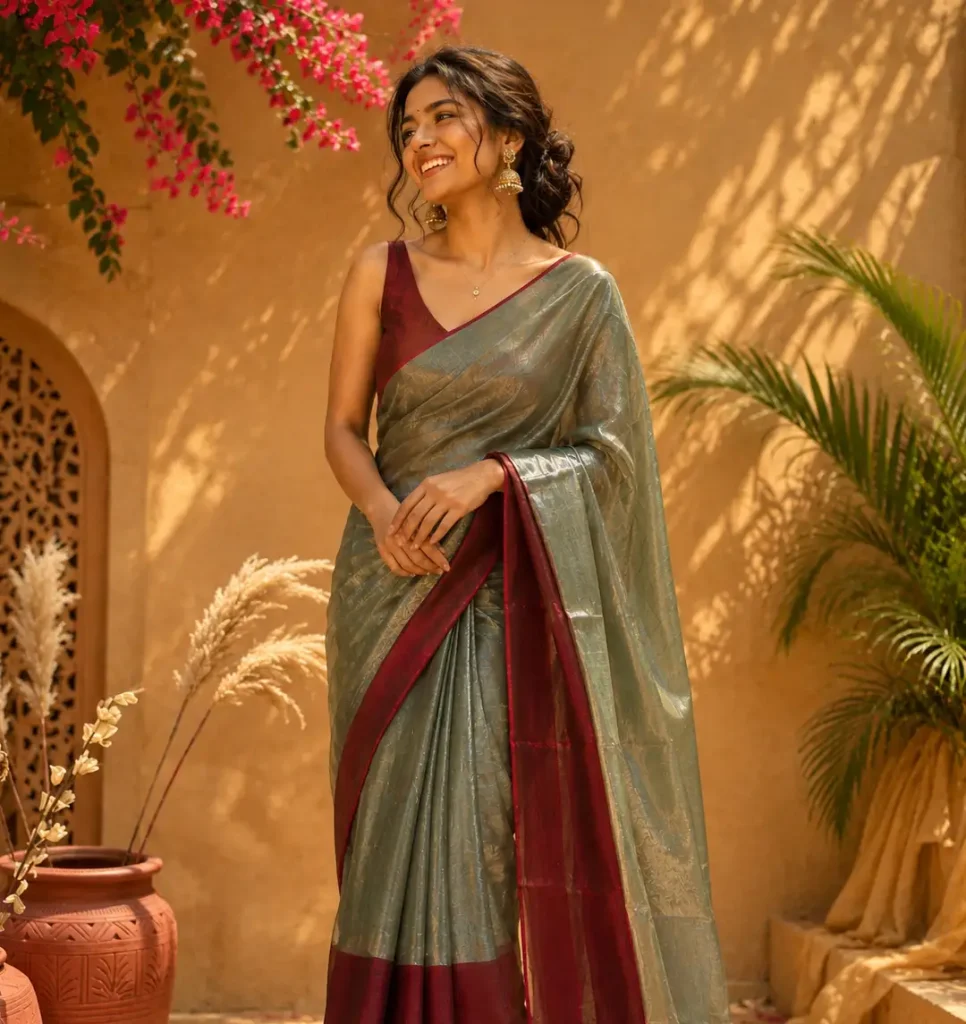
    Wedding celebrations can go on for hours. There are ceremonies, photographs, conversations, meals, dancing and plenty of standing around. The last thing you want is to spend the entire day adjusting your saree.

    Comfort is therefore a major part of how to select silk sarees for wedding.

    A very heavy saree may look spectacular but become tiring after several hours. A lighter saree may be much easier to manage, especially if you know you’ll be moving around frequently.

    If you’re shopping in person, don’t just look at the saree. Pick it up and feel it.

    Try to:

    • Check its overall weight.
    • Feel how easily the fabric folds.
    • Make a few pleats if possible.
    • Walk around while holding or wearing it.
    • Sit down and stand up.
    • Check how the pallu sits on your shoulder.
    • Notice whether the fabric feels too stiff.

    The goal is not to find the lightest saree. It is to find a saree whose weight and drape you can comfortably carry.

    How to Select Silk Sarees for Wedding According to the Season
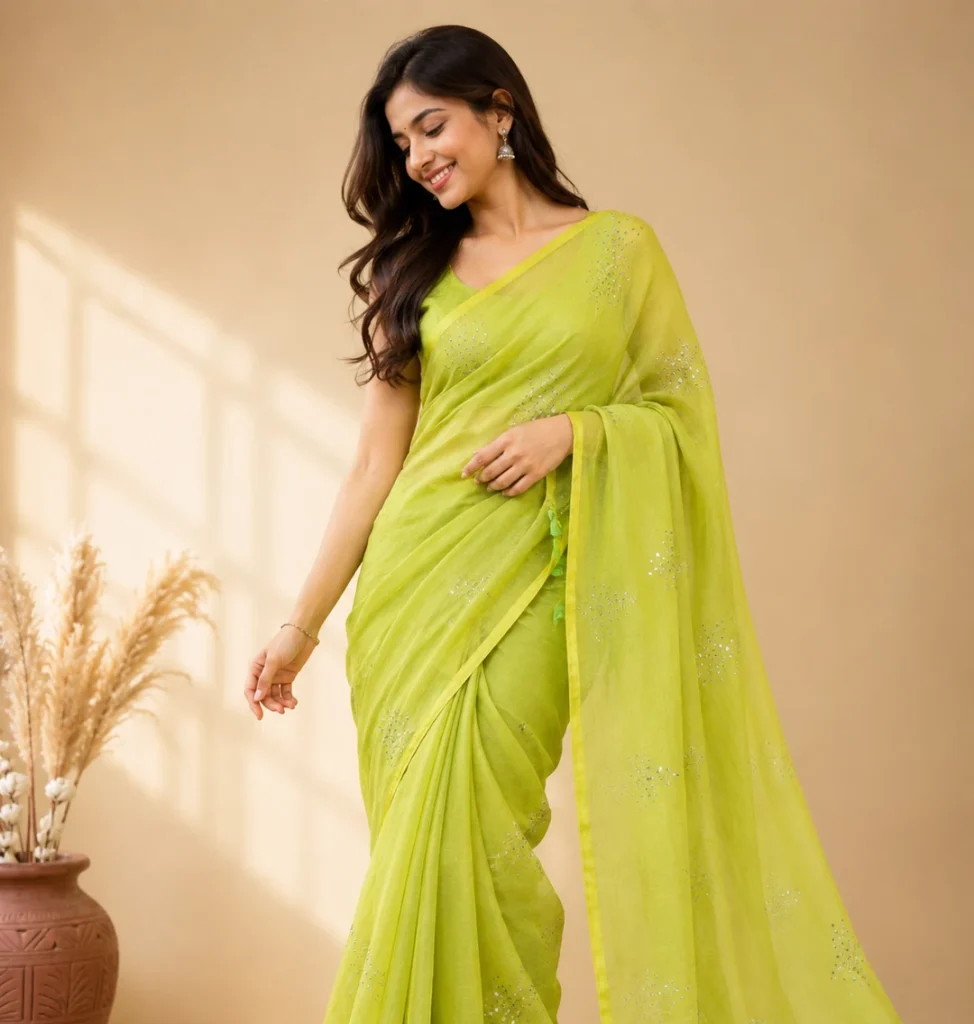
    The season and venue can also influence how to select silk sarees for wedding celebrations.

    A summer afternoon wedding can feel very different from a winter evening reception. If you’re attending an outdoor celebration in warm weather, you may appreciate a saree that is easier to carry for several hours. A winter wedding gives you more flexibility with richer and heavier fabrics.

    Also think about where the event is happening.

    An outdoor lawn, an air-conditioned banquet hall and an open-air evening venue all create different comfort requirements.

    Consider:

    • Summer weddings: Look for manageable weight and comfortable drape.
    • Winter weddings: Richer and heavier weaves may be easier to wear.
    • Day events: Check how the colour looks in natural sunlight.
    • Night events: See how the saree and zari react to artificial lighting.
    • Outdoor venues: Choose something that allows easy movement.

    This practical side of how to select silk sarees for wedding is easy to overlook when you’re focused on the appearance of the saree.

    How to Select Silk Sarees for Wedding With the Right Blouse
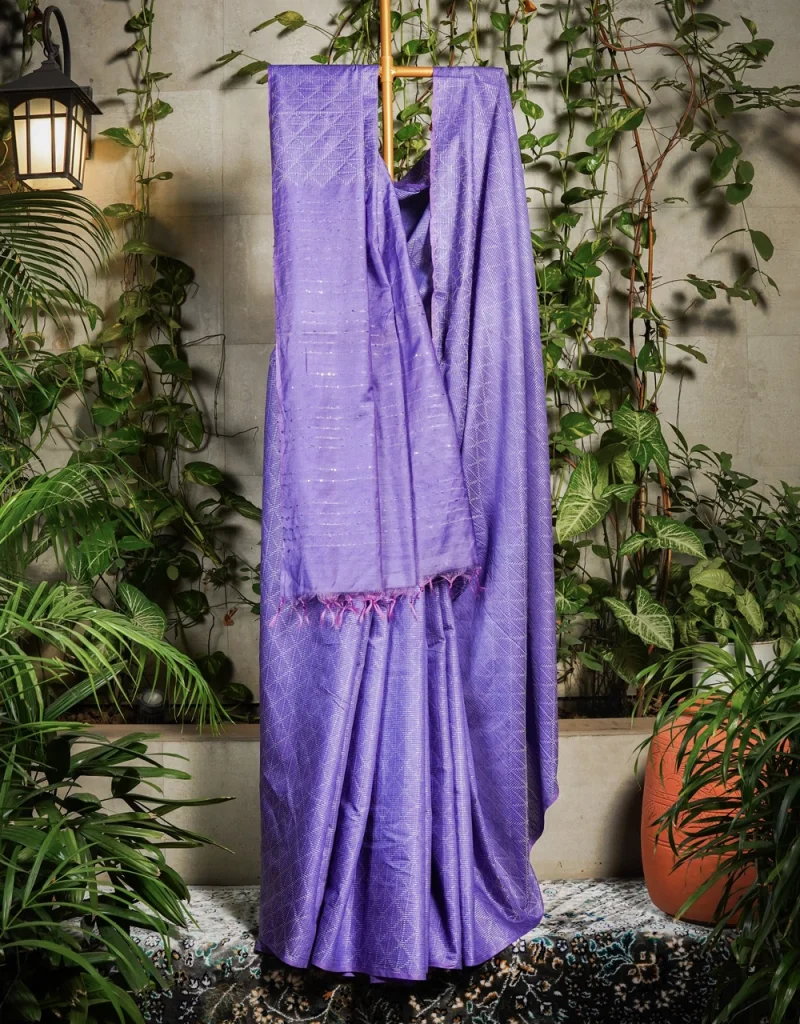
    The blouse should not be an afterthought. It can completely change the personality of your saree, which is why it needs to be considered when deciding how to select silk sarees for wedding celebrations.

    A richly woven saree can look beautiful with a relatively simple blouse. A simpler saree, on the other hand, can become much more interesting with an embroidered or statement blouse.

    You also don’t have to match the blouse colour exactly. A well-chosen contrast can make the entire outfit feel more contemporary.

    Think about:

    • Neckline
    • Sleeve style
    • Blouse colour
    • Embroidery
    • Zari detailing
    • Back design
    • Jewellery placement
    • Overall wedding aesthetic

    If the saree already has a broad border and a detailed pallu, keeping the blouse cleaner can help maintain balance.

    How to Select Silk Sarees for Wedding With Jewellery in Mind
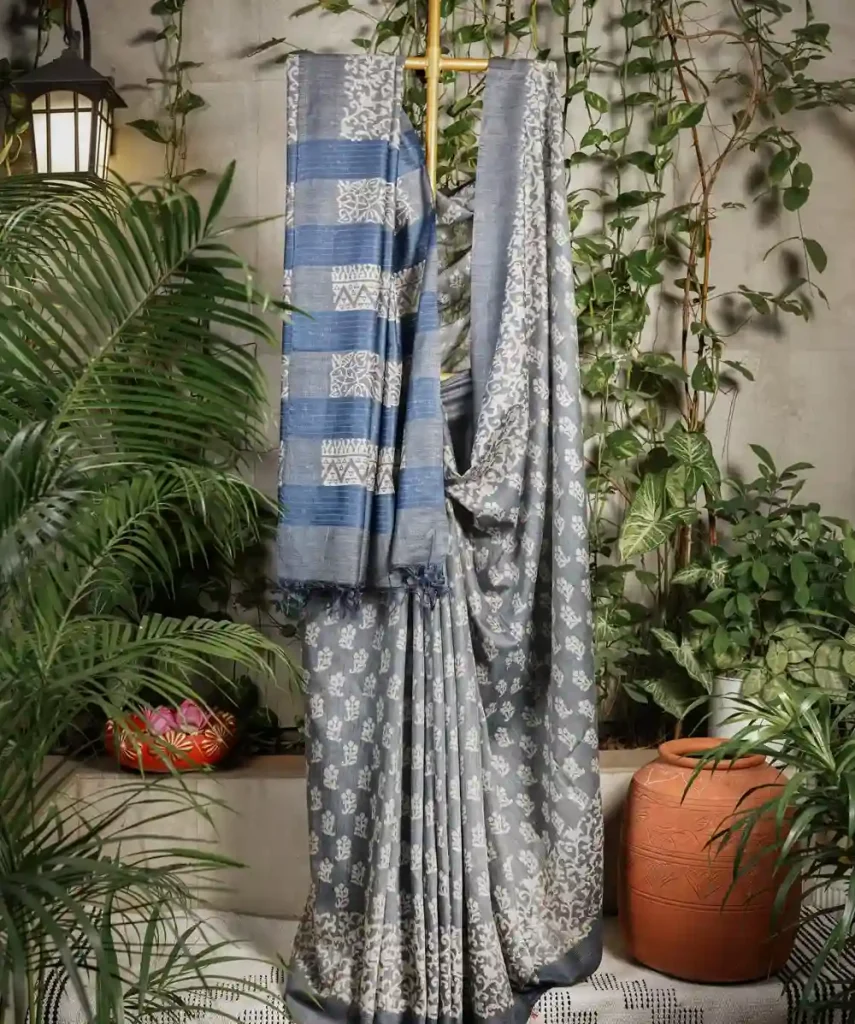
    Jewellery can completely change how a wedding saree looks. But more jewellery doesn’t always mean a more beautiful outfit.

    When learning how to select silk sarees for wedding, consider the jewellery you plan to wear before making your final choice.

    Traditional gold jewellery can work beautifully with richly woven sarees, while pearls, diamonds, polki, kundan and contemporary pieces can create a different mood.

    Look at:

    • The colour of the zari
    • The blouse neckline
    • The saree motifs
    • Your jewellery style
    • The occasion
    • How elaborate you want the final look to be

    If the saree already has a lot of visual detail, a few carefully selected jewellery pieces may create a more polished appearance.

    How to Select Silk Sarees for Wedding by Exploring Different Silk Styles
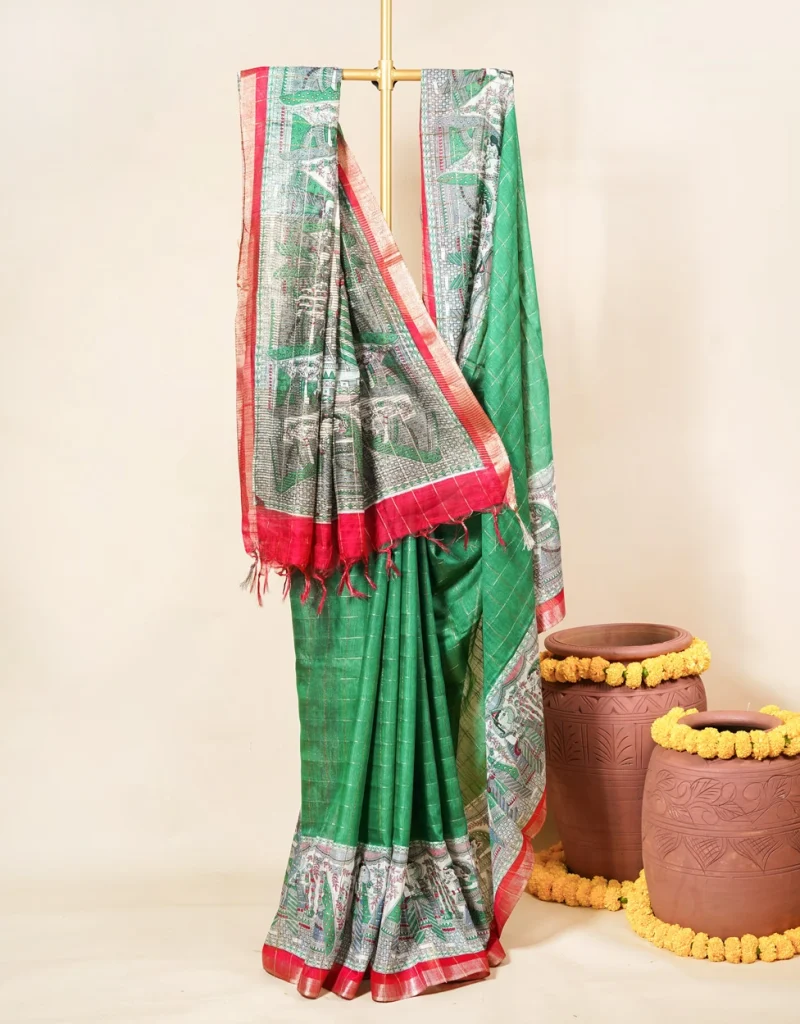
    There is no single silk variety that works for every wedding. Exploring different textures and finishes is an important part of understanding how to select silk sarees for wedding.

    Traditional silk sarees can bring the richness and grandeur associated with wedding dressing, while other varieties can offer a softer or more relaxed drape.

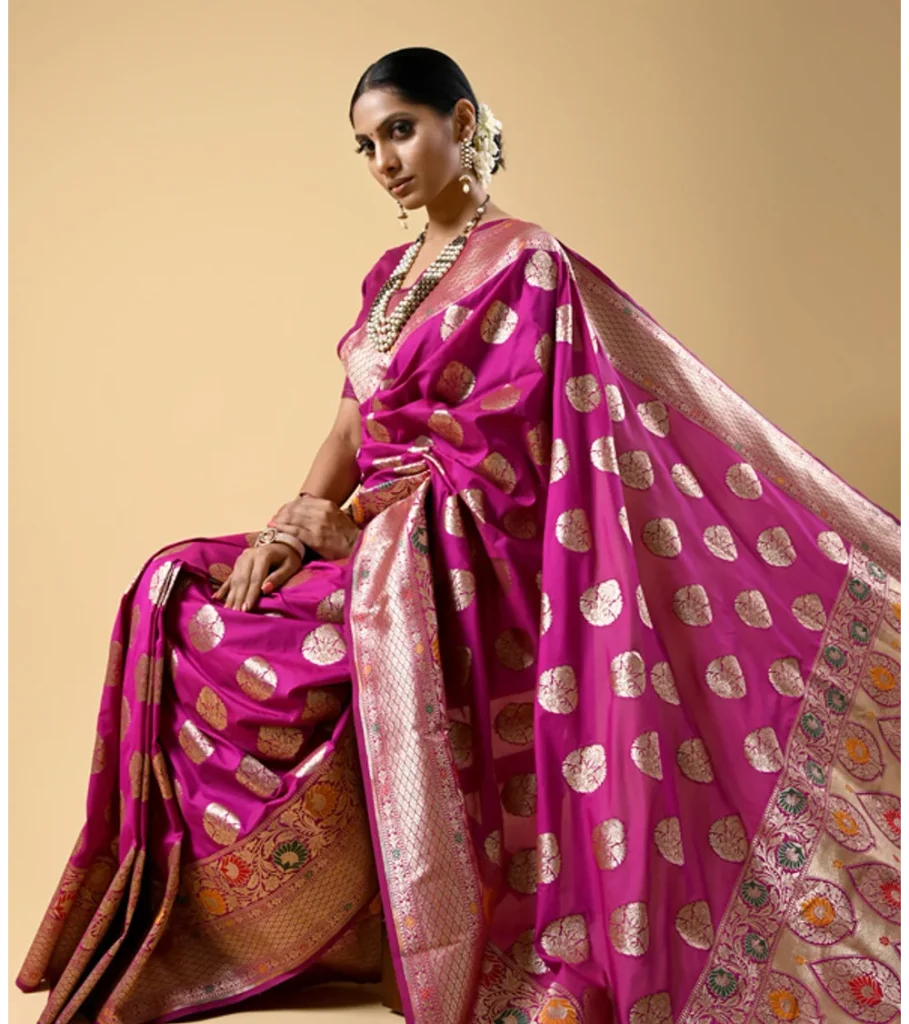
    For instance, cotton silk sarees can be considered when you want a lighter-feeling option with the visual appeal of silk. Banarasi sarees are known for their intricate woven patterns and rich brocade appearance, making them a popular choice for grand celebrations.

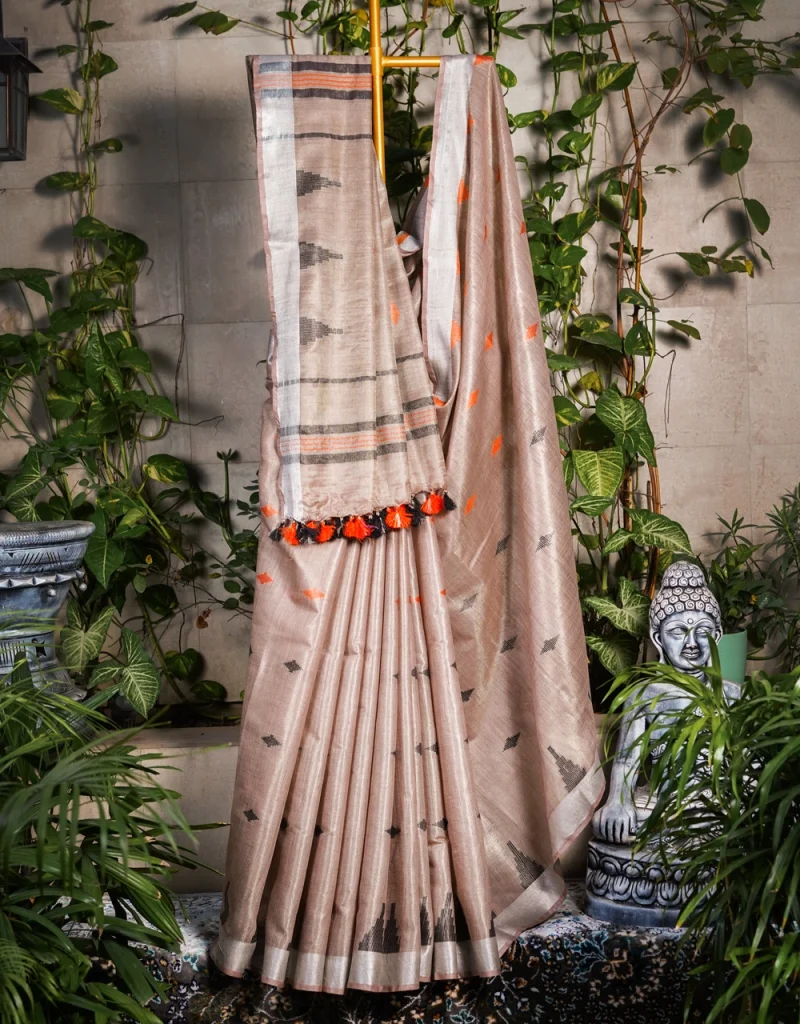
    If you prefer something with a more naturally textured appearance, tussar sarees can bring a distinctive character to an intimate wedding, engagement or pre-wedding function.

    You don’t need every saree in your wedding wardrobe to look equally elaborate. In fact, mixing different textures and levels of detailing can make your overall wardrobe much more interesting.

    How to Select Silk Sarees for Wedding When You Want a Modern Look
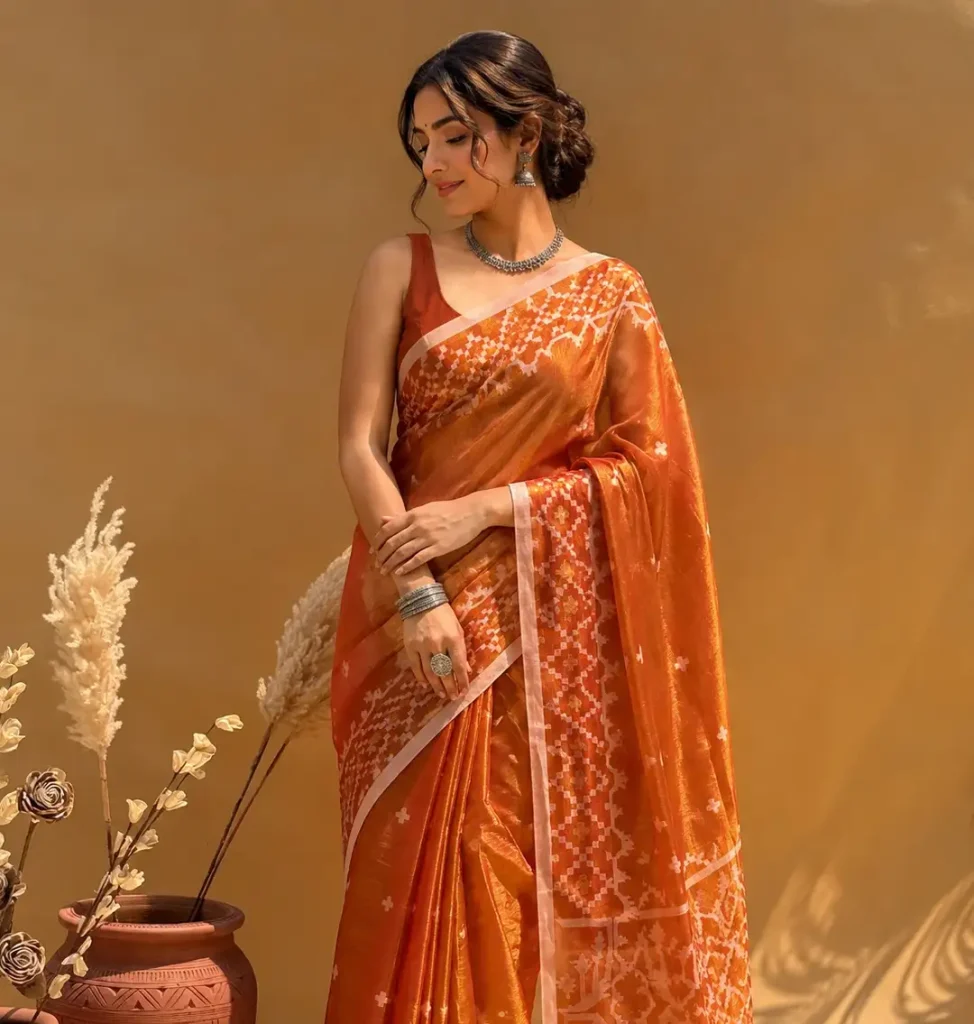
    Traditional wedding dressing has changed considerably. You can still celebrate the richness of silk without restricting yourself to only conventional colours.

    When considering how to select silk sarees for wedding with a modern touch, look at deeper jewel tones, softer pastels, muted metallics and unusual colour combinations.

    A black saree, for example, can create a striking evening look when paired with the right blouse and jewellery. Ivory, blush, wine, emerald, navy and lavender can also create elegant contemporary combinations.

    You can create different moods with colour:

    • Deep shades for dramatic evening looks
    • Pastels for softer styling
    • Jewel tones for richness
    • Dual tones for visual interest
    • Metallic shades for festive glamour
    • Muted colours for understated elegance

    The most important thing is that the colour still feels like you.

    How to Select Silk Sarees for Wedding Within Your Budget

    Budget is an important consideration in how to select silk sarees for wedding, particularly because the price of a saree can vary significantly.

    The cost can depend on the type of silk, weaving technique, craftsmanship, zari, handwork and finishing. So don’t compare sarees only by how elaborate they look.

    Instead, look at what you’re actually getting.

    Compare:

    • Fabric quality
    • Weaving technique
    • Zari quality
    • Handwork
    • Craftsmanship
    • Finishing
    • Durability
    • Styling versatility

    Also think beyond the wedding day. If you can imagine wearing the saree again for festivals, anniversaries or family occasions, it can become a much more useful addition to your wardrobe.

    How to Select Silk Sarees for Wedding and Check Authenticity

    If you’re investing in an expensive silk saree, authenticity deserves attention. It is an important part of how to select silk sarees for wedding without simply relying on appearance.

    Ask the seller about the fabric, weave, origin and available certification. Don’t hesitate to ask questions if the product description isn’t clear.

    The Silk Mark Organisation of India states that the Silk Mark label is affixed to 100% pure silk products by authorised users and is intended to provide consumers assurance regarding natural silk. You can learn more about the certification and consumer safeguards through the Silk Mark Organisation of India.

    This is particularly useful when you’re spending a significant amount on a saree and want more information about what you’re purchasing.

    How to Select Silk Sarees for Wedding for Different Wedding Functions

    If you have several wedding events to attend, don’t feel like every saree needs to have the same level of grandeur. Giving each function its own look can actually make shopping easier.

    Here’s how how to select silk sarees for wedding can change depending on the event.

    For the Wedding Ceremony

    For the main ceremony, you can embrace traditional elements such as rich colours, classic motifs, substantial borders and elegant zari.

    For the Reception

    The reception gives you more freedom to experiment. Deeper colours, contemporary blouses, statement pallus and modern jewellery can create a sophisticated evening look.

    For the Engagement

    You don’t necessarily need your heaviest saree. A refined weave, interesting colour and well-designed blouse can look elegant without feeling overly bridal.

    For Pre-Wedding Functions

    For functions where you’ll be moving around more, consider something easier to manage. You can also experiment with brighter colours, lighter detailing and more contemporary styling.

    How to Select Silk Sarees for Wedding That You Can Wear Again

    A wedding saree doesn’t have to be worn once and then forgotten.

    In fact, thinking about future use is one of the smartest parts of how to select silk sarees for wedding. Before buying, imagine the saree with a completely different blouse or jewellery set.

    Could you wear it for:

    • A festival
    • A family celebration
    • An anniversary
    • Another wedding
    • A formal evening
    • A cultural event

    You can completely change the feel of a saree by switching the blouse, jewellery or draping style. Even a different hairstyle and footwear can make the same saree feel new.

    A versatile saree is one you’ll probably enjoy much more over time.

    How to Select Silk Sarees for Wedding Without Chasing Trends

    Wedding fashion moves quickly, but your wedding photographs are going to stay with you.

    That’s why how to select silk sarees for wedding shouldn’t be based entirely on what’s trending on social media right now.

    Trends can certainly give you ideas. But before buying something because you’ve seen it repeatedly online, ask yourself whether you genuinely like it.

    Consider:

    • Would I choose this colour if it weren’t trending?
    • Does the style suit my personality?
    • Is it right for the occasion?
    • Will I feel comfortable wearing it?
    • Does it work with my jewellery?
    • Can I create a blouse I actually like?
    • Can I see myself wearing it years from now?

    A timeless saree doesn’t have to be boring. Sometimes a beautiful weave, an unusual colour or a thoughtfully designed border is enough to make it feel special.

    Common Mistakes to Avoid When Learning How to Select Silk Sarees for Wedding

    Even when you know how to select silk sarees for wedding, it is easy to get carried away while shopping.

    There may be too many choices, too many opinions and not enough time. That’s when practical details can get forgotten.

    Try to avoid:

    • Buying only because a colour is trending.
    • Ignoring the weight of the saree.
    • Choosing a heavy saree without considering the blouse.
    • Checking the colour under only one type of lighting.
    • Buying jewellery before thinking about the saree.
    • Skipping fabric and weave information.
    • Leaving blouse alterations until the last minute.
    • Choosing something that looks beautiful but doesn’t feel like your style.

    Give yourself enough time for blouse stitching, alterations, jewellery and a trial drape before the actual wedding.

    How to Select Silk Sarees for Wedding: Final Checklist

    By now, how to select silk sarees for wedding should feel much less complicated. You don’t need to find the most expensive or elaborate saree. You need to find one that works for you.

    Before making your final decision, run through this checklist:

    • Occasion: Does it suit the function?
    • Fabric: Is it comfortable?
    • Weave: Do you understand what makes it distinctive?
    • Colour: Do you genuinely love the shade?
    • Border: Does it suit your overall styling?
    • Pallu: Does it drape comfortably?
    • Blouse: Do you already have a blouse idea?
    • Jewellery: Will your jewellery complement it?
    • Comfort: Can you sit, walk and move easily?
    • Quality: Is the craftsmanship worth the price?
    • Versatility: Can you wear it again?
    • Personal style: Does it actually feel like you?

    Final Thoughts on How to Select Silk Sarees for Wedding

    Learning how to select silk sarees for wedding occasions isn’t about following a strict set of rules. It’s about knowing what you’re looking for and giving yourself enough time to find it.

    Look at the weave. Feel the fabric. Check the border and pallu. Think about the occasion, season and lighting. Picture the saree with your blouse and jewellery. And don’t forget to think about how you’ll feel after wearing it for several hours.

    The most memorable saree isn’t necessarily the heaviest one or the one with the most elaborate zari. It is often the saree that makes you feel comfortable, beautiful and completely yourself.

    So, when you’re wondering how to select silk sarees for wedding, take your time. Explore different weaves, colours and styles, and choose something that feels like a part of your story not simply another outfit for the wedding day.

    Frequently Asked Questions About How to Select Silk Sarees for Wedding

    How to select silk sarees for wedding ceremonies?

    When considering how to select silk sarees for wedding ceremonies, start with the type of ritual, time of day and overall setting. Richly woven silk, classic motifs and elegant zari can work beautifully for traditional ceremonies.

    How to select silk sarees for wedding receptions?

    For receptions, how to select silk sarees for wedding styling can be more flexible. You can experiment with deeper colours, contemporary blouses, statement pallus and modern jewellery while keeping the overall look elegant.

    How to select silk sarees for wedding if I prefer lightweight options?

    If comfort is your priority, look for silk varieties that feel manageable and easy to drape. When considering how to select silk sarees for wedding, physically feeling the fabric and checking its weight can be more useful than judging it only from photographs.

    How to select silk sarees for wedding according to colour?

    When deciding how to select silk sarees for wedding colours, consider your personal preference, the time of the event, lighting, jewellery and wedding décor. There is no single colour that works for every person.

    How to select silk sarees for wedding that can be worn again?

    Choose versatile colours, timeless motifs and borders that can work with different blouse styles. Thinking about future occasions makes how to select silk sarees for wedding a more practical long-term decision.

    How to select silk sarees for wedding when shopping online?

    When learning how to select silk sarees for wedding online, read the fabric and weave details carefully. Check close-up images, dimensions, seller information and return policies. If authenticity is important, also look for relevant certification.

    How to select silk sarees for wedding based on body type?

    Rather than following strict body-type rules, focus on how you personally like the saree to fall and drape. Border width, motif size and fabric movement can all influence the overall appearance, so trying different styles is often the most useful approach to how to select silk sarees for wedding.
  • Types of Silk Sarees for Wedding

    Types of Silk Sarees for Wedding

    Wedding shopping is exciting, but choosing a saree can get confusing pretty quickly. There are so many fabrics, colours, weaves and designs that it is easy to lose track of what actually suits the occasion. If you have been looking at the types of silk sarees for wedding, you are already considering one of the most timeless options for Indian celebrations.

    Silk has always been closely connected with weddings. It looks rich without needing too much styling, holds its shape beautifully and has a natural shine that photographs well. But not every silk saree looks or feels the same. Some are heavy and grand, some are light and easy to carry, while others stand out because of their weave or traditional motifs.

    So, before you pick your wedding saree, let’s look at some of the most beautiful types of silk sarees for wedding and what makes each one different.

    Why Silk Works So Well for Weddings

    There is something about silk that instantly makes an outfit feel special. Even a fairly simple silk saree can look dressed up with the right blouse and jewellery.

    When comparing the types of silk sarees for wedding, don’t just look at how the saree appears in a photograph. Think about the event you are attending and how long you will actually be wearing it.

    A few things worth checking are:

    • Fabric weight: Heavy silk can look grand, but lighter silk may be easier for a long wedding function.
    • Weave: The weave gives each saree its own texture and character.
    • Zari: Gold or silver zari can make the saree look more festive.
    • Colour: Pick something that works with your jewellery and personal style.
    • Drape: Some silks create crisp pleats, while others have a softer fall.

    The right types of silk sarees for wedding are really about finding that balance between looking beautiful and feeling comfortable.

    1. Kanjeevaram Silk Saree

    When talking about traditional types of silk sarees for wedding, Kanjeevaram is hard to miss. Woven in and around Kanchipuram in Tamil Nadu, these sarees are known for their rich silk, strong borders and traditional motifs.

    Peacocks, flowers, temple-inspired designs and contrasting borders are commonly seen in Kanjeevaram sarees. They have a structured look that works especially well for the main wedding ceremony.

    Why people love Kanjeevaram

    • Rich and traditional appearance
    • Beautiful zari borders
    • Holds its shape well
    • Works beautifully with gold jewellery
    • A classic choice for bridal wear

    If you want your wedding saree to feel traditional and grand, Kanjeevaram is one of the types of silk sarees for wedding worth considering.

    2. Banarasi Silk Saree

    Banarasi silk has a completely different kind of charm. Known for its detailed zari work and intricate motifs, it is one of the most loved types of silk sarees for wedding across India.

    The pallu is often where the saree really comes alive. Floral patterns, butis and traditional designs add richness without always needing heavy embroidery.

    A Banarasi saree can work for the bride, but it is equally beautiful for the bride’s mother, sister or wedding guests. Pair it with traditional jewellery for a classic look or choose a modern blouse to make the outfit feel younger.

    For those looking for something that can eventually become part of the family wardrobe, banarasi sarees are a lovely choice.

    3. Tussar Silk Saree

    Not everyone wants a glossy, heavily decorated saree. If you prefer something quieter and more natural-looking, Tussar is one of the types of silk sarees for wedding you should look at.

    Tussar silk has a slightly textured surface and a soft, muted shine. It feels more earthy than some of the heavier wedding silks, which makes it especially nice for daytime functions.

    Tussar can be a good choice for:

    • Day weddings
    • Mehendi functions
    • Intimate ceremonies
    • Family lunches
    • Minimal jewellery looks

    The beauty of Tussar is that it doesn’t try too hard. The fabric and weave do most of the talking. For anyone who likes a handcrafted, understated look, tussar sarees are worth exploring.

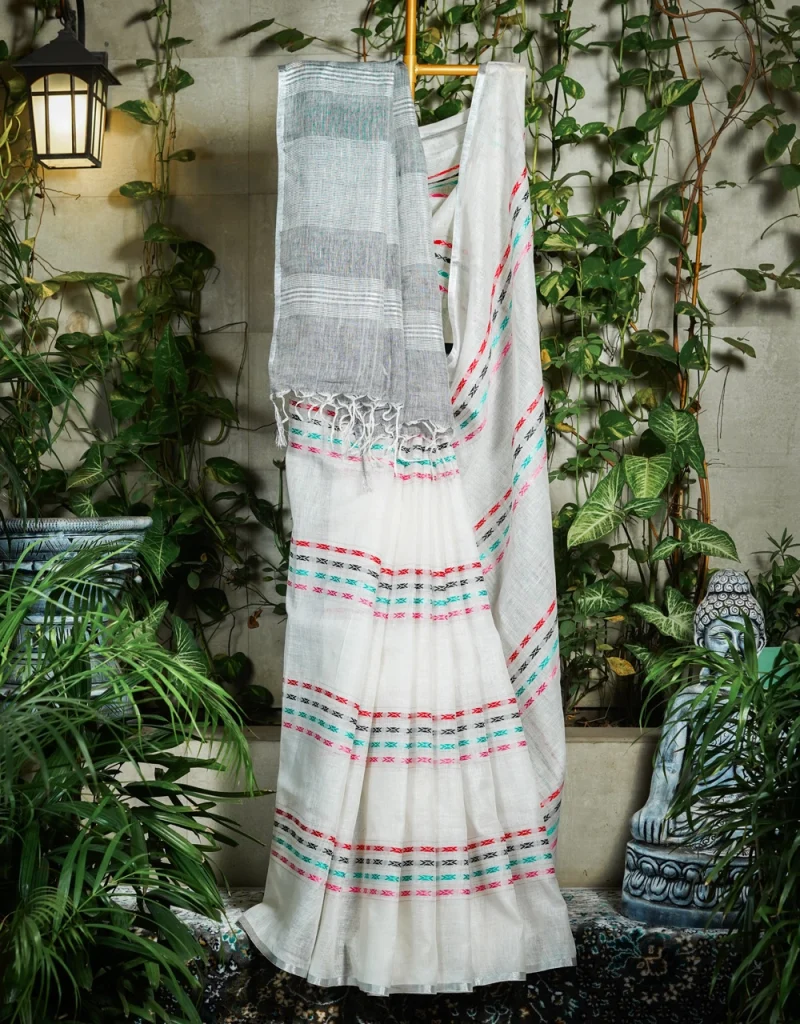
    4. Chanderi Silk Saree

    If comfort is high on your list, Chanderi is another option among the types of silk sarees for wedding.
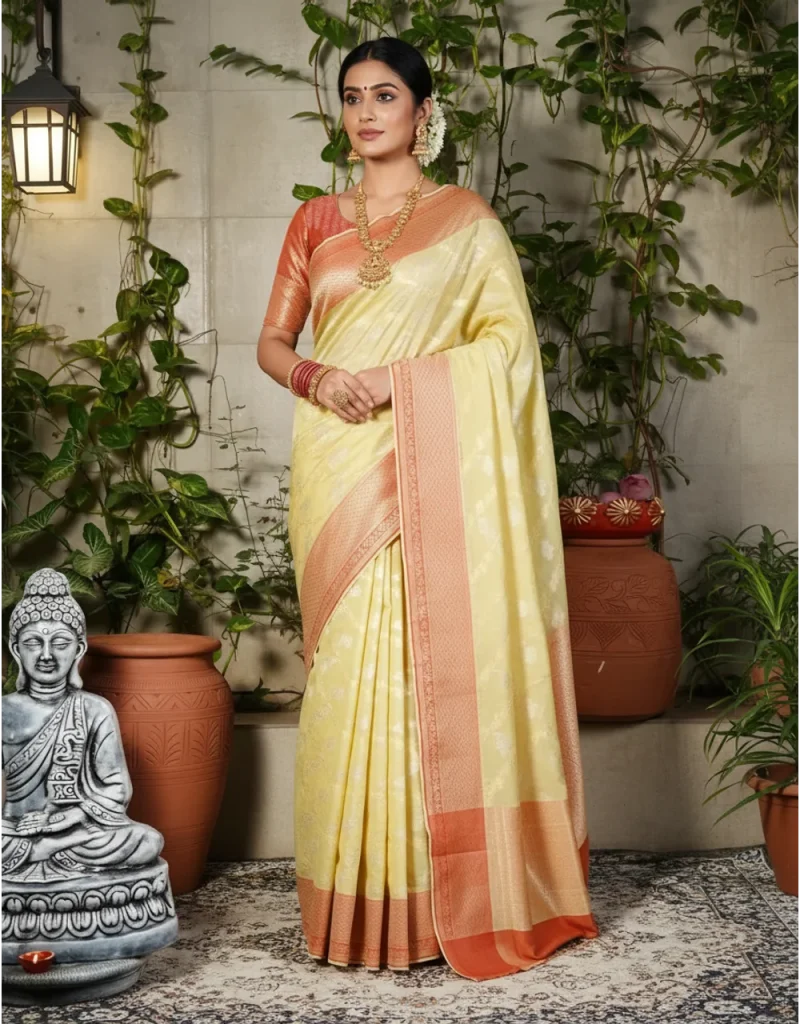
    Chanderi silk is lightweight and has a delicate sheen. It doesn’t have the heavy feel of some traditional wedding silks, which makes it particularly comfortable for daytime celebrations or warmer weather.

    You can keep the styling simple with delicate jewellery or make the look more festive with a detailed blouse.

    Chanderi is a good reminder that wedding dressing doesn’t always have to mean wearing something heavy.

    5. Mysore Silk Saree

    Mysore silk is for the person who likes clean, simple elegance. It is known for its smooth texture, beautiful colours and subtle shine, making it a versatile option among the types of silk sarees for wedding.
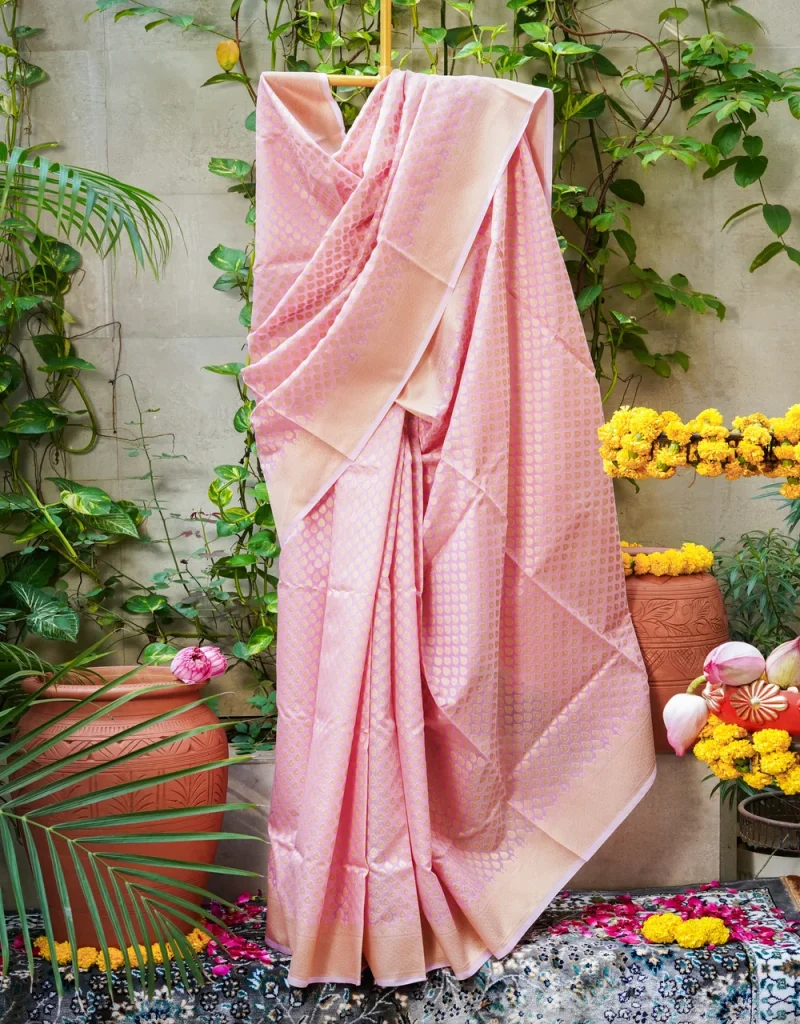
    Instead of elaborate motifs, Mysore silk often lets the colour and fabric create the look.

    Try styling it with:

    • A statement blouse
    • Gold earrings
    • A few classic bangles
    • A neat hairstyle
    • A simple clutch

    It can work particularly well for receptions, formal family functions and wedding events where you want to look dressed up without going overboard.

    6. Paithani Silk Saree

    Paithani sarees are instantly recognisable because of their colourful borders and distinctive motifs. Traditionally associated with Maharashtra, they are another beautiful addition to the list of types of silk sarees for wedding.
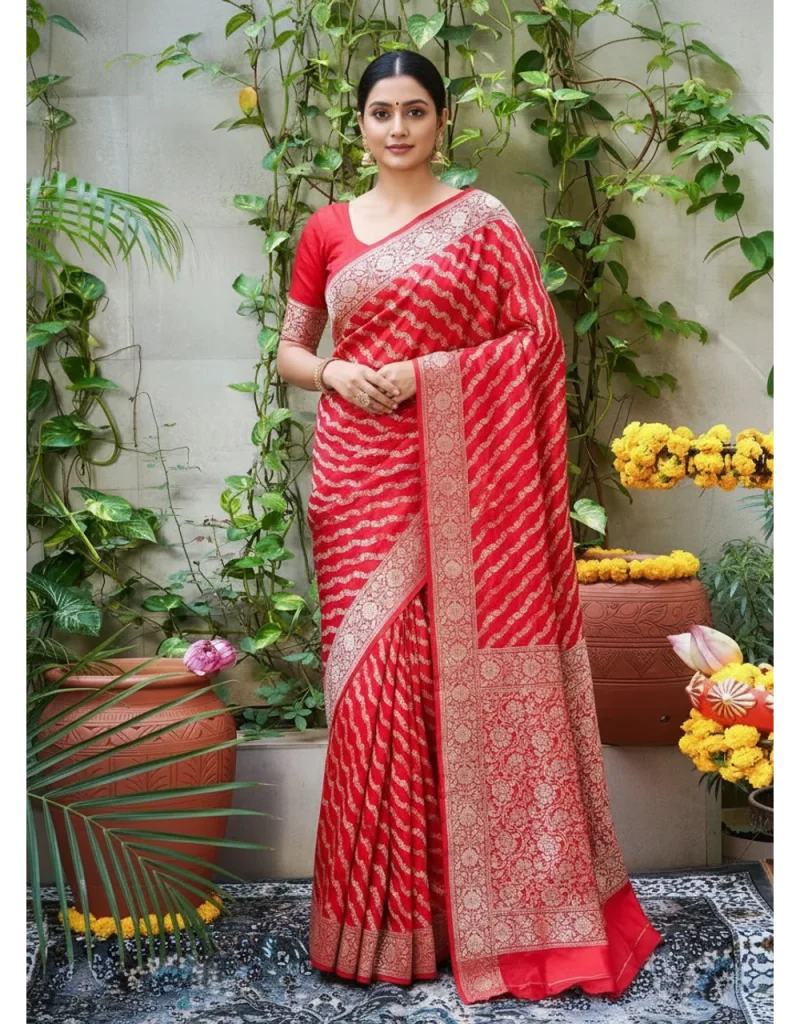
    The peacock motif is particularly iconic, and the pallu usually deserves to be the star of the outfit.

    Because the saree itself has plenty of character, you don’t necessarily need an elaborate blouse or too much jewellery. Let the weaving show.

    For a traditional wedding look, classic jewellery and a simple hairstyle can work beautifully with a Paithani.

    7. Baluchari Silk Saree

    Baluchari is one of those types of silk sarees for wedding that you notice because of the storytelling in its designs.

    Traditionally associated with West Bengal, Baluchari sarees are known for detailed motifs, particularly on the pallu. Some designs feature scenes inspired by mythology, nature and everyday life.

    It is a wonderful choice if you want something that feels traditional but isn’t the usual wedding saree everyone is wearing.

    The detailed pallu can easily become the highlight of your entire look.

    8. Patola Silk Saree

    Patola is all about colour, pattern and craftsmanship. Traditionally associated with Gujarat, Patola sarees are created using an intricate ikat weaving technique.

    The patterns are often bold and detailed, so this is one of the types of silk sarees for wedding that can stand out without heavy embellishment.

    Keep the styling simple:

    • Choose a blouse in one of the saree colours.
    • Keep jewellery balanced.
    • Avoid adding another busy print.
    • Let the saree’s patterns remain the focus.
    • Keep your hairstyle relatively simple.

    If you enjoy colourful, statement-making traditional clothing, Patola can be a beautiful wedding option.

    9. Muga Silk Saree

    Muga silk has a natural golden sheen that makes it quite different from many other types of silk sarees for wedding.

    Traditionally associated with Assam, Muga silk is known for its distinctive appearance and durability. The fabric itself has enough character that it doesn’t need to be covered in embellishments.

    A simple blouse, traditional jewellery and a neatly draped pallu can be enough to create a beautiful look.

    It is particularly interesting for anyone who wants to explore regional Indian textiles instead of choosing a more conventional wedding saree.

    10. Tissue Silk Saree

    If your wedding style is more about shine and evening glamour, tissue silk is worth a look.

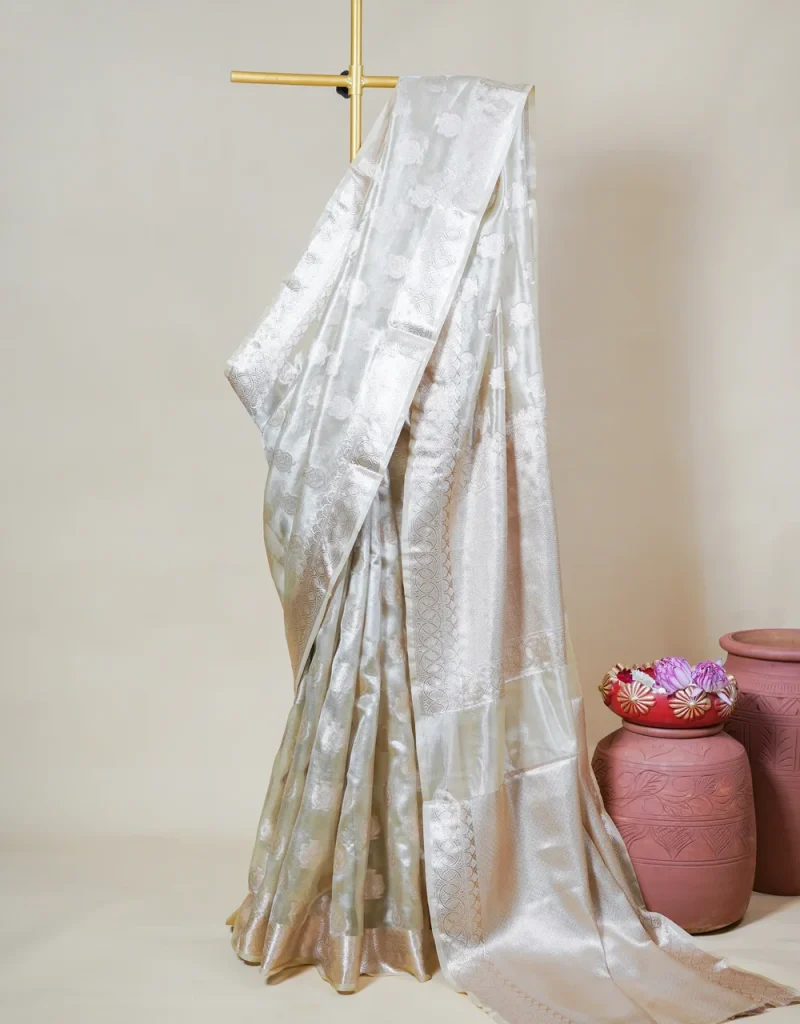
    Among the types of silk sarees for wedding, tissue silk has a luminous quality that catches light beautifully. That makes it especially suited to receptions, sangeet nights and evening celebrations.

    It works well for:

    • Wedding receptions
    • Sangeet functions
    • Cocktail evenings
    • Engagement celebrations
    • Evening parties

    You can pair it with a statement blouse and earrings or keep everything else minimal and let the saree provide the shine.

    11. Cotton-Silk Saree

    Sometimes you want the look of silk without feeling weighed down by it. That’s where cotton silk sarees can come in handy.

    The fabric combines the appearance of silk with the comparatively lighter feel of cotton. Among the types of silk sarees for wedding, this can be a practical option for daytime functions, outdoor ceremonies or smaller celebrations.

    It is also a good option when you know you will be moving around a lot, meeting guests and spending several hours at the venue.

    How to Choose the Right Types of Silk Sarees for Wedding

    With so many types of silk sarees for wedding, it helps to start with the occasion instead of the saree.

    A saree that looks perfect for the wedding ceremony may feel too heavy for a daytime mehendi. Similarly, a delicate saree that looks lovely in daylight may not give you the dramatic effect you want for an evening reception.

    Here is a simple way to narrow it down:

    • Main wedding ceremony: Kanjeevaram, Banarasi or Paithani
    • Daytime function: Chanderi or Tussar
    • Reception: Mysore silk or Tissue silk
    • Traditional regional celebration: Patola, Baluchari or Muga
    • Long outdoor event: Look for lighter-weight silk
    • Investment piece: Choose a timeless weave and classic design

    The best types of silk sarees for wedding are ultimately the ones that suit both the occasion and the person wearing them.

    Choosing a Colour for Your Wedding Saree

    Once you have decided on the fabric, colour is usually the next big decision.

    Red, maroon, green, mustard and pink have always been popular wedding colours, but there is no rule saying you have to stick to traditional shades. Pastels, jewel tones and deeper neutrals can all look beautiful depending on the function.

    A pink saree, for instance, can give you a softer and more feminine look, while deeper shades can feel more dramatic for an evening event.

    Think about the jewellery you already own, the colour of your blouse and even the lighting at the venue before making your final choice.

    How to Style Different Types of Silk Sarees for Wedding

    The same saree can look completely different depending on how you style it. This is especially true when working with different types of silk sarees for wedding.
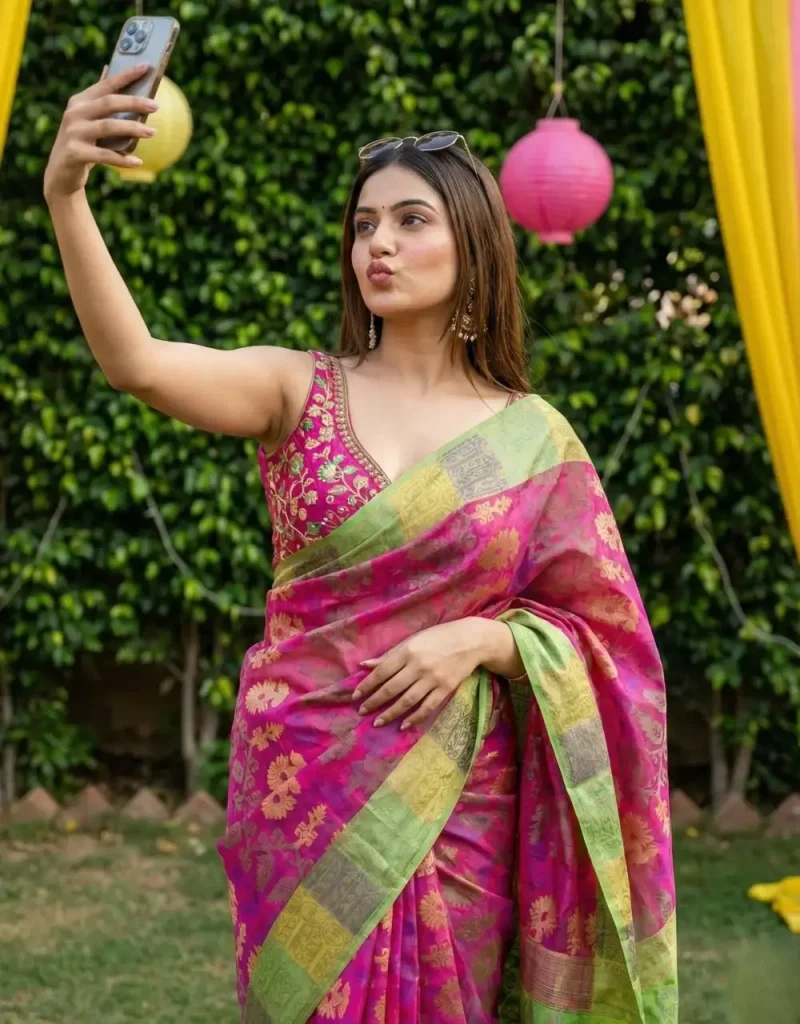
    For a classic look, gold jewellery, traditional bangles and a neatly pleated pallu are difficult to go wrong with. If you prefer something more contemporary, try a structured blouse, statement earrings or a simpler jewellery combination.

    For evening functions, a black saree paired with traditional gold jewellery can also create a striking contrast.

    Don’t feel like you need to add every accessory at once. Sometimes one good blouse and a pair of earrings are enough.

    Don’t Forget the Craft Behind the Saree

    One of the nicest things about exploring the types of silk sarees for wedding is discovering how different Indian weaving traditions really are.

    A handwoven saree carries the work of the weaver in every part of it—the motifs, borders, texture and even tiny variations. These small differences are often part of what makes handloom pieces special.

    Before buying an expensive silk saree, look at the quality of the fabric, the weave, the zari and the finishing. Understanding what you are buying makes the saree feel much more meaningful too.

    If you want something lighter for a pre-wedding function, a mul cotton saree can also be a comfortable addition to your wardrobe.

    Can You Wear Something Other Than Silk?

    Absolutely. While the types of silk sarees for wedding offer plenty of variety, your entire wedding wardrobe doesn’t have to be silk.

    For a relaxed daytime celebration, a linen saree can give you a fresh and effortless look. For a grand ceremony, you might prefer a heavier silk. It really comes down to the mood of the event and what you feel comfortable wearing.

    Having a mix of fabrics can actually make your wedding wardrobe more interesting.

    Taking Care of Your Wedding Silk Saree

    Once you have invested in one of the types of silk sarees for wedding, you will want to keep it looking good for years.

    Silk sarees need a little extra care. Keep them away from damp spaces and prolonged direct sunlight. Fold and store them properly, and pay attention to the care instructions for the particular silk and zari.

    For particularly valuable handwoven sarees, professional cleaning is usually a safer option than experimenting with home treatments.

    A well-maintained silk saree can easily become something you bring out for weddings, festivals and family celebrations years later.

    Final Thoughts

    The great thing about the types of silk sarees for wedding is that there really is something for every kind of wedding look.

    You can go grand with Kanjeevaram, choose the intricate beauty of Banarasi, keep things earthy with Tussar, explore regional craftsmanship through Paithani or Patola, or go for a lighter option when comfort matters more.

    Don’t choose a saree just because it is trending. Think about the ceremony, the weather, how long you will be wearing it and, most importantly, whether you actually feel like yourself in it.

    Because years from now, you may not remember every detail of the wedding decor—but you will remember how you felt in the saree you wore.

    FAQs

    Which are the most popular types of silk sarees for wedding?

    Kanjeevaram, Banarasi, Paithani, Tussar, Mysore silk and Patola are some popular types of silk sarees for wedding. The right choice depends on the ceremony, region, personal style and level of formality.
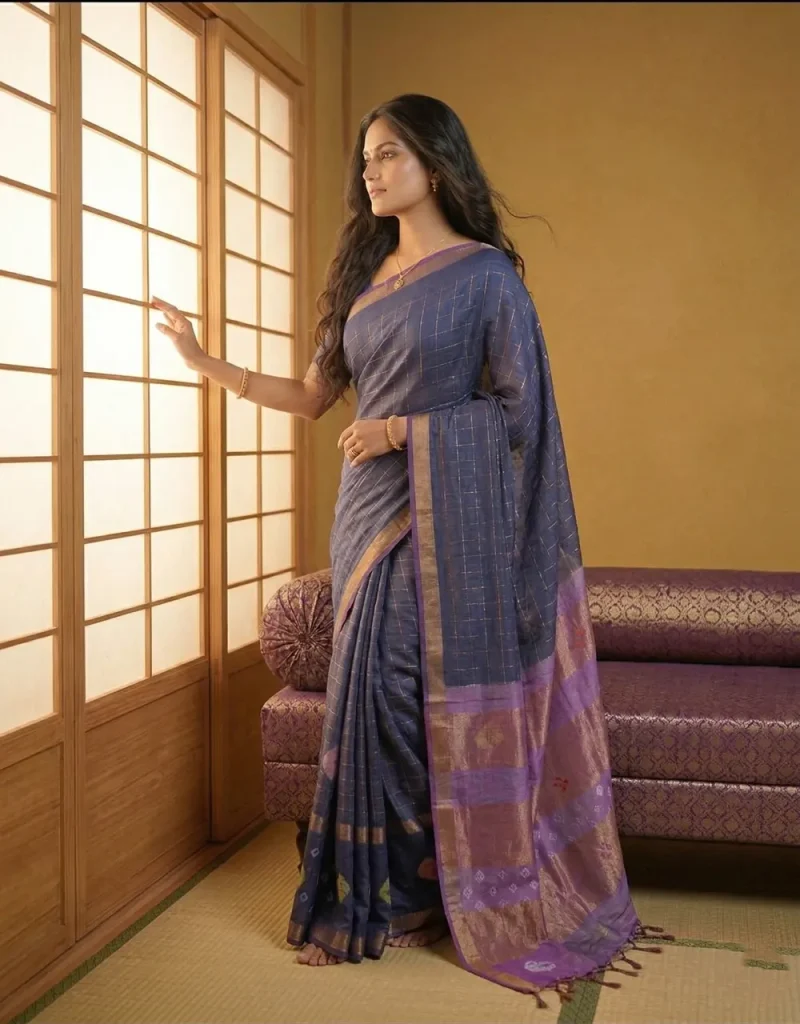
    Which silk saree is suitable for a bride?

    Kanjeevaram and Banarasi are traditional bridal choices, but there are many types of silk sarees for wedding that can work beautifully for a bride. Your choice can depend on your wedding traditions, colour preference and styling.

    Which silk saree is good for a wedding reception?

    Mysore silk and Tissue silk can work particularly well for evening receptions. Banarasi can also be styled beautifully for a more traditional reception look.

    Are silk sarees comfortable for summer weddings?

    Some silk sarees can be heavy, but lighter varieties such as Chanderi and Tussar can be more comfortable for warmer celebrations. Always check the weight and feel of the fabric before buying.

    How do I choose the right silk saree for a wedding?

    Start by considering the function, time of day, weather and your preferred style. Then compare the fabric, weave, colour, motifs and weight. Looking at different types of silk sarees for wedding can help you find an option that feels right for the occasion.

  • Christmas Saree 2026: Stylish Saree Ideas for Christmas Celebrations

    Christmas Saree 2026: Stylish Saree Ideas for Christmas Celebrations

    Christmas is the season for festive dinners, family gatherings, parties, photos and dressing up. If you love Indian wear, a Christmas saree can be a beautiful way to bring traditional elegance into your Christmas wardrobe while keeping your look fresh and contemporary.

    Whether you are attending a Christmas brunch, an office celebration, a family dinner or a glamorous Christmas Eve party, choosing the right saree for Christmas party can make your festive look feel effortless. From rich reds and greens to soft neutrals and subtle shimmer, there are plenty of ways to style a saree for the season.

    This guide explores some of the most stylish Christmas saree ideas for 2026, along with colour, fabric and styling suggestions to help you find a saree for Christmas party that suits your celebration.

    Why Choose a Christmas Saree for Christmas Celebrations?

    A Christmas saree gives you plenty of flexibility. Unlike heavily embellished festive outfits, a saree can be styled according to the mood of the occasion. You can keep it minimal for a Christmas brunch or make it more glamorous for an evening celebration.

    The key is to choose a saree for Christmas party based on the event, weather and amount of time you will be wearing it. Comfort matters just as much as appearance when you are spending hours with family and friends.

    A few simple combinations can help you decide:

    • Day celebration – lightweight fabric and soft colours
    • Family gathering – traditional weave and classic jewellery
    • Christmas Eve – rich colours and subtle shimmer
    • Office celebration – elegant and understated styling

    Christmas Saree Ideas for 2026

    The best Christmas saree for you depends on your personal style and the kind of celebration you are attending. Instead of following one fixed Christmas colour palette, 2026 is a good time to experiment with textures, silhouettes and unexpected colour combinations.

    Here are some styles that can work beautifully as a saree for Christmas party, whether you prefer traditional Indian dressing or a more contemporary look.

    1. Red Christmas Saree for a Classic Festive Look

    Red naturally brings a festive feeling to a Christmas saree. You can choose from bright red, cherry, crimson, wine or deeper berry tones depending on how dramatic you want your look to be.

    For a Christmas Eve dinner, a red saree with a detailed blouse can look elegant without needing too many accessories. Gold jewellery and soft waves can complete the outfit.

    For a balanced look, try:

    • Red saree with a gold blouse
    • Minimal gold earrings
    • Soft curls or a low bun
    • Small metallic clutch

    The result is a timeless saree for Christmas party that feels festive without looking overly styled.

    2. Green Christmas Saree for a Rich Festive Look

    Green is another colour that works naturally for a Christmas saree. Emerald, bottle green and forest green can give your outfit a rich appearance, especially for an evening celebration.

    An emerald saree for Christmas party paired with gold accessories can look particularly elegant under warm Christmas lights. For a daytime event, softer shades of green can create a more relaxed appearance.

    You can style a green saree with:

    • Gold or champagne blouse
    • Pearl or gold earrings
    • Minimal bangles
    • Neutral makeup

    Keep the rest of the outfit simple if the saree already has detailed work.

    3. Black Christmas Saree for a Contemporary Party

    A Christmas saree does not have to follow traditional Christmas colours. If you prefer a more modern aesthetic, black can create a sophisticated evening look.

    A black saree with a shimmering or structured blouse can easily become a stylish saree for Christmas party. This combination works especially well for cocktail dinners, Christmas Eve parties and celebrations that continue late into the evening.

    For a contemporary finish, consider:

    • Statement earrings
    • Metallic clutch
    • Sleek hairstyle
    • Minimal jewellery
    • Strappy heels

    The simplicity of black allows you to experiment with the blouse and accessories.

    4. Silk Christmas Saree for Timeless Elegance

    If your idea of a Christmas saree leans towards traditional elegance, silk is a beautiful option. The natural richness of the fabric makes it suitable for formal dinners, family gatherings and festive celebrations.

    Silk sarees can be paired with either a traditional blouse or a contemporary design, depending on the look you want. A modern blouse can make a traditional saree feel much more current.

    For your saree for Christmas party, consider shades such as:

    • Deep red
    • Emerald
    • Wine
    • Navy
    • Gold

    Keep the jewellery coordinated rather than layering too many pieces.

    5. Lightweight Christmas Saree for Daytime Celebrations

    Christmas celebrations are not always about evening parties. Brunches, lunches and outdoor gatherings often call for something lighter and easier to carry.

    A lightweight Christmas saree allows you to enjoy the celebration without feeling restricted. Soft colours and simple borders can create a beautiful daytime saree for Christmas party.

    For daytime styling, look towards:

    • Ivory and champagne
    • Blush pink
    • Sage green
    • Powder blue
    • Muted festive shades

    Pair the saree with delicate jewellery and comfortable footwear for an effortless look.

    6. Banarasi Christmas Saree for Traditional Glamour

    For those who love classic Indian textiles, banarasi sarees can add a rich and traditional touch to a Christmas saree look.

    The intricate patterns and zari details make them suitable for formal Christmas dinners and family celebrations. To prevent the outfit from looking too traditional, pair the saree with a contemporary blouse.

    A modern saree for Christmas party can be created by combining:

    • Traditional Banarasi weave
    • Minimal jewellery
    • Contemporary blouse
    • Sleek hairstyle
    • Small clutch

    This lets the saree remain the hero of your outfit.

    7. Shimmer Christmas Saree for Christmas Eve

    Christmas Eve is the perfect time to introduce a little sparkle into your Christmas saree. You do not need heavy sequins or excessive embellishment. A subtle metallic finish or shimmering border can create enough impact.

    A shimmering saree for Christmas party can look especially beautiful under warm evening lights. Pair it with a clean blouse and one statement accessory.

    For evening celebrations, try:

    • Metallic blouse
    • Statement earrings
    • Sleek bun
    • Minimal clutch

    The idea is to let the shimmer enhance your Christmas saree, rather than overpower it.

    Christmas Saree for Christmas Brunch

    A Christmas brunch usually has a more relaxed atmosphere, so your Christmas saree can be lighter and easier to style. Soft colours and breathable fabrics work particularly well during the day.

    Instead of heavy jewellery, choose delicate pieces that complement the saree. A saree for Christmas party in ivory, pastel green or blush can look festive without feeling too formal.

    For a daytime brunch, focus on:

    • Lightweight fabric
    • Soft colours
    • Minimal embellishment
    • Comfortable footwear

    This creates a polished look that still feels relaxed enough for a long brunch.

    Christmas Saree for Christmas Eve

    Christmas Eve is when you can make your Christmas saree slightly more glamorous. Rich colours, statement blouses and subtle shimmer work particularly well for evening celebrations.

    A deep red, emerald, wine or pink saree can become an elegant saree for Christmas party when paired with the right blouse and accessories.

    You can experiment with combinations such as:

    • Wine saree + velvet blouse
    • Emerald saree + gold blouse
    • Pink saree + metallic blouse
    • Red saree + embellished blouse

    Choose one standout element and keep everything else balanced.

    Christmas Saree for Family Gatherings

    For family Christmas celebrations, comfort becomes especially important. You may be sitting, moving around, helping with preparations or spending several hours with relatives, so your Christmas saree should be easy to manage.

    A simple saree can look festive with the right blouse and jewellery. Tussar sarees, for example, can add beautiful texture while keeping the overall appearance understated.

    For family gatherings, look for:

    • Comfortable drape
    • Breathable fabric
    • Simple borders
    • Easy-to-style blouse
    • Lightweight jewellery

    The result is a saree for Christmas party that feels elegant without being too formal.

    Christmas Saree for a Christmas Party

    A Christmas party gives you more freedom to experiment with your Christmas saree. Instead of concentrating only on the saree, consider how the blouse, accessories, hairstyle and footwear work together.

    A statement blouse can completely change the personality of a saree. Velvet, sequins, metallic fabrics and interesting cuts can all give your saree for Christmas party a contemporary edge.

    For a modern party look, combine:

    • Simple saree
    • Statement blouse
    • Bold earrings
    • Small clutch
    • Clean hairstyle

    This approach allows even a relatively simple saree to feel party-ready.

    Christmas Saree Colours to Try in 2026

    Colour plays an important role in creating the mood of your Christmas saree. While red and green remain classic options, you can also explore softer and more contemporary shades.

    Red

    Perfect when you want a traditional festive appearance.

    Emerald Green

    Rich and elegant, especially for evening celebrations.

    Wine

    A sophisticated alternative to bright red.

    Gold

    Ideal when you want your saree for Christmas party to have a glamorous finish.

    Ivory

    A softer choice for brunches and daytime gatherings.

    Pink

    A pink saree can add a fresh and contemporary touch to your festive wardrobe.

    Black

    A black saree is particularly suitable for evening parties and formal celebrations.

    How to Style Your Christmas Saree in Winter

    Christmas celebrations often happen during cooler evenings, so your Christmas saree should also work with the weather.

    A full-sleeve blouse or velvet blouse can add warmth while making the outfit feel more seasonal. If you are attending an outdoor celebration, an elegant shawl or stole can also work well.

    For winter styling, consider:

    • Velvet blouse
    • Full-sleeve blouse
    • Elegant shawl
    • Lightweight stole
    • Closed-toe footwear

    For a relaxed daytime look, a linen saree can give your saree for Christmas party a sophisticated yet effortless feel.

    Choosing the Right Christmas Saree Fabric

    Fabric can change both the appearance and comfort of your Christmas saree. Before choosing one, think about whether the celebration is indoors, outdoors, during the day or in the evening.

    For daytime events, breathable fabrics are generally easier to carry. For evening celebrations, richer textures and subtle shine can create a more festive appearance.

    Some options to consider include:

    • Cotton for casual celebrations
    • Linen for a relaxed daytime look
    • Silk for traditional occasions
    • Cotton silk sarees for a balance of comfort and richness
    • Tissue silk sarees  for subtle festive shine

    The right fabric can make your saree for Christmas party look beautiful while still allowing you to enjoy the celebration comfortably.

    Christmas Saree Accessories to Complete the Look

    Accessories can completely change the appearance of a Christmas saree, but they do not have to be excessive.

    If your saree has a detailed border or embellishment, keep the jewellery understated. If the saree is simple, you can use statement earrings or a standout clutch to create more interest.

    For a traditional look, consider:

    • Gold earrings
    • Bangles
    • Classic clutch

    For a contemporary saree for Christmas party, you can try:

    • Statement earrings
    • Metallic clutch
    • Minimal rings
    • Sleek footwear

    The goal is to create balance rather than add every festive accessory at once.

    Christmas Saree Styling Ideas for Different Occasions

    The same Christmas saree can look completely different depending on how you style it. Instead of buying a separate outfit for every celebration, experiment with your blouse, jewellery and accessories.

    Here is a simple styling guide:

    OccasionChristmas Saree StyleStyling Direction
    Christmas BrunchLightweight sareePastels + minimal jewellery
    Family GatheringTraditional sareeClassic earrings + simple blouse
    Office PartyElegant sareeStructured blouse + minimal accessories
    Christmas EveRich or shimmer sareeStatement earrings + clutch
    Cocktail PartyContemporary sareeBold blouse + sleek styling

    This makes it easier to choose a saree for Christmas party according to the occasion rather than simply following a trend.

    How to Choose the Right Christmas Saree

    Before finalising your Christmas saree, think beyond just the colour. The right choice should suit the event, your comfort level and the kind of styling you enjoy.

    Ask yourself:

    • Is the celebration during the day or evening?
    • Will I be indoors or outdoors?
    • How long will I be wearing the saree?
    • Is the dress code traditional or contemporary?
    • Do I want a minimal or glamorous look?

    These questions can make choosing a saree for Christmas party much easier and help you avoid selecting something that looks beautiful but is difficult to carry.

    Final Thoughts on Christmas Saree Trends 2026

    A Christmas saree can be as traditional or contemporary as you want it to be. You can choose a rich red for a classic festive appearance, emerald green for an elegant evening look or a soft neutral for a relaxed Christmas brunch.

    The perfect saree for Christmas party is not necessarily the heaviest or most embellished one. It is the one that fits the occasion, complements your personal style and allows you to enjoy the celebration comfortably.

    This Christmas, experiment with colours, fabrics and styling details to create a look that feels genuinely yours. After all, the best festive outfits are the ones that become part of the memories you make.

    FAQs

    What sarees will be trendy in 2026?

    In 2026, saree trends are leaning towards a mix of traditional craftsmanship and contemporary styling. Lightweight handlooms, rich silk textures, leheriya, statement drapes and sarees with subtle shimmer are getting attention. Traditional weaves are also being styled with more modern blouses and minimal accessories. Leheriya, in particular, has recently appeared in contemporary celebrity styling, while richer festive weaves continue to feature in festive fashion.

    What are the new trending sarees for party wear in 2026?

    Party-wear sarees in 2026 are moving towards statement textures, subtle shine and interesting blouse designs rather than relying only on heavy embellishment. Metallic finishes, sequins, sheer details and contemporary drapes can create an evening-ready look. The blouse is also becoming an important part of the outfit, with corset-inspired, halter and cape styles gaining attention in current fashion coverage.

    What are the trending festive sarees this year?

    Festive saree styling in 2026 is bringing traditional weaves together with lighter, more wearable styling. Banarasi, silk, tussar, handloom and leheriya sarees can all work for festive occasions, depending on the event and styling. Rich jewel tones, traditional zari, soft pastels and statement blouses offer different ways to create a festive look. Current 2026 festive coverage also highlights Banarasi, Baluchari, Jamdani and soft tussar among occasion-focused choices.

    Which saree is trending right now?

    There is no single saree dominating every occasion right now. Current fashion coverage shows interest in leheriya, vibrant pinks, black-and-gold combinations, traditional Banarasi and other heritage weaves styled with contemporary details. Celebrity looks are also showing how traditional sarees can be refreshed through modern blouses, minimal jewellery and cleaner styling. The current direction is less about one particular saree and more about combining heritage textiles with an individual, contemporary look.

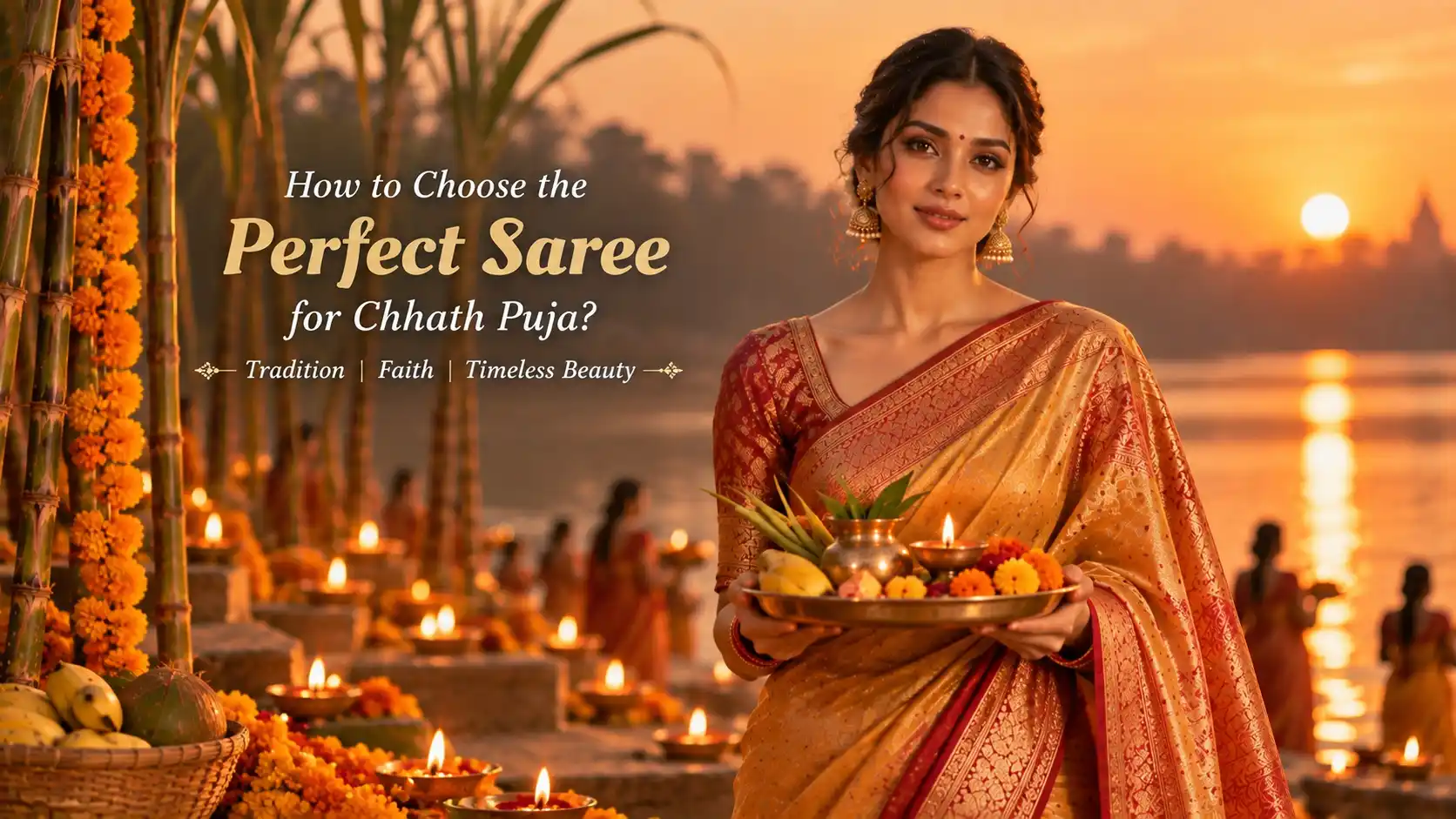
  • How to Choose the Perfect Saree for Chhath Puja?

    How to Choose the Perfect Saree for Chhath Puja?

    Chhath Puja is a festival deeply connected with devotion, nature, and gratitude. With prayers offered to the Sun God and Chhathi Maiya, the festival is observed over four days and is especially celebrated across Bihar, eastern Uttar Pradesh, and Jharkhand.

    For many women, choosing the right Chhath Puja saree is an important part of getting ready for the occasion. It is not simply about finding something beautiful to wear. The fabric, colour, comfort, drape, and overall simplicity all matter when you are spending long hours performing rituals.

    If you are looking for a Chhath Puja special saree, the ideal choice should feel traditional without being difficult to manage. From lightweight cottons to elegant silk weaves, there are plenty of options to suit different preferences while keeping the festive look graceful.

    Why Choosing the Right Chhath Puja Saree Matters

    A Chhath Puja saree has a different purpose from a saree chosen for a wedding or party. Chhath involves fasting, prayers, offerings, and time spent near water during the evening and morning Arghya. That makes comfort and practicality just as important as appearance.

    The best Chhath Puja special saree should allow you to move comfortably while maintaining a neat and traditional appearance. A saree that is too heavy, slippery, or difficult to drape can become uncomfortable during long rituals.

    This is why it helps to think beyond trends when selecting your Chhath Puja saree. Look for a fabric and colour that feel appropriate for the occasion while also matching your personal style.

    How to Choose the Perfect Chhath Puja Saree

    There are a few simple things to consider before buying a Chhath Puja special saree. Instead of choosing only based on appearance, consider where you will wear it, how long you will be wearing it, and how comfortable you feel in the fabric.

    1. Choose a Comfortable Chhath Puja Saree Fabric

    Fabric should be one of the first things you consider when shopping for a Chhath Puja saree. Since the rituals can involve standing for long periods and spending time outdoors, breathable and manageable fabrics can make the experience much more comfortable.

    Cotton is a classic option because it feels light and breathable. If you prefer something with a little more texture and richness, you can explore cotton silk sarees, which can offer a balance between comfort and festive appeal.

    For a more traditional and luxurious appearance, silk sarees can work beautifully, particularly when you want your Chhath Puja special saree to feel more festive.

    2. Pick a Traditional Colour for Your Chhath Puja Saree

    Colour is another important part of selecting a Chhath Puja saree. Traditional festive shades can create a beautiful connection between your outfit and the atmosphere of the celebration.

    Red, yellow, orange, saffron, and green are commonly associated with festive and devotional dressing. However, there is no need to restrict yourself to one shade if your family traditions or personal preferences suggest otherwise.

    A Chhath Puja special saree in a warm yellow or orange shade can complement the golden light of sunrise and sunset beautifully. Red can create a more traditional festive appearance, while green offers a softer and earthy feel.

    3. Consider the Chhath Puja Saree Drape

    The way your Chhath Puja saree sits on your body matters just as much as the saree itself. Choose a saree that allows you to create a secure and comfortable drape.

    Avoid extremely slippery fabrics if you are not comfortable managing them. Make sure the pleats are properly arranged and that the pallu can stay in place without constant adjustment.

    A simple traditional drape often works best for a Chhath Puja special saree. You can use a couple of discreet safety pins if needed, particularly when you expect to spend a lot of time outdoors.

    Best Fabrics for a Chhath Puja Special Saree

    Different fabrics create completely different looks. Your ideal Chhath Puja saree depends on whether your priority is comfort, traditional elegance, texture, or a more festive appearance.

    Cotton for an Easy Chhath Puja Saree Look

    Cotton is one of the most practical options for a Chhath Puja saree. It is breathable, comfortable, and easy to carry during long rituals.

    A crisp cotton saree can also create a beautifully traditional appearance without requiring heavy embellishments. Pair it with a simple blouse, glass bangles, and fresh flowers for an understated Chhath Puja special saree look.

    Tussar for a Rich Yet Understated Chhath Puja Saree

    If you want something more textured, tussar sarees can be an elegant choice. Their natural texture and subtle sheen give the saree a sophisticated appearance without relying on excessive decoration.

    A Tussar saree in a warm earthy shade can work particularly well for a Chhath Puja special saree look when paired with minimal jewellery and a traditional blouse.

    Banarasi for a Traditional Chhath Puja Special Saree

    For those who prefer a more elaborate festive appearance, banarasi sarees bring traditional craftsmanship and richness to the look.

    You can choose a saree with a relatively simple border or restrained zari work rather than an extremely heavy design. This keeps the Chhath Puja saree elegant while ensuring it does not feel like an outfit meant for a grand wedding.
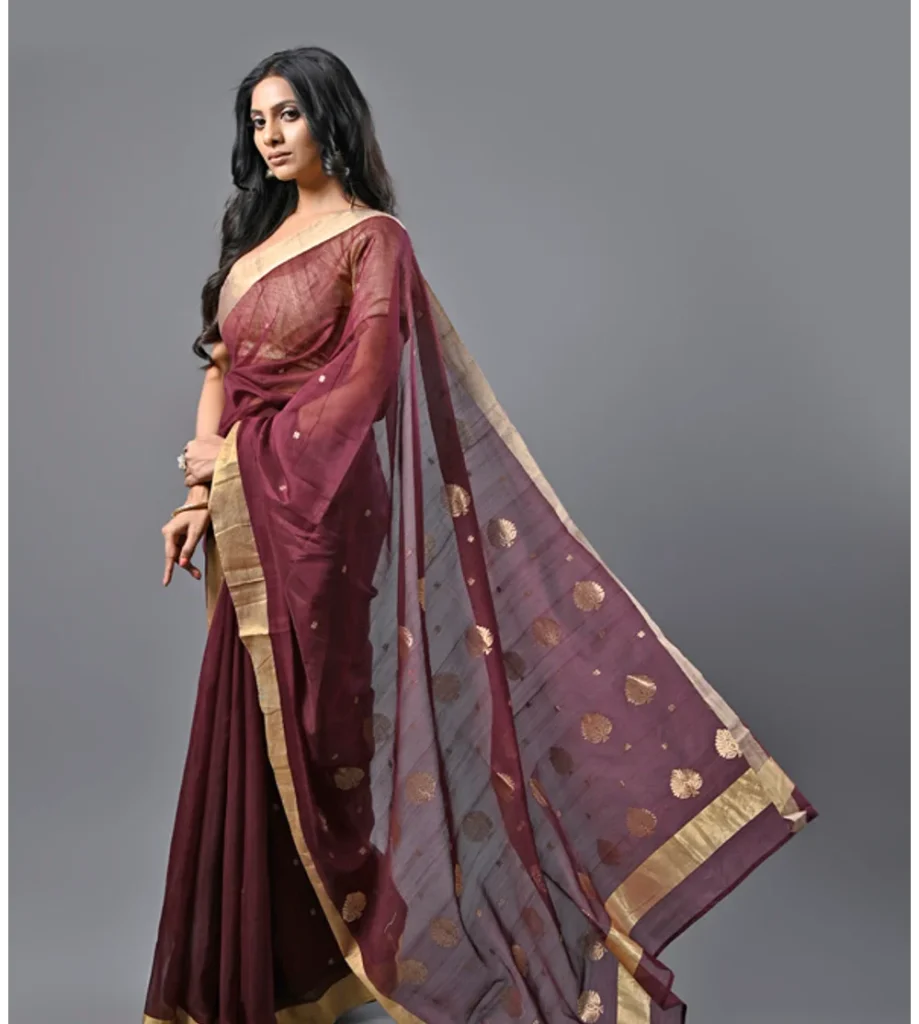
    Mul Cotton for a Lightweight Chhath Puja Saree

    If comfort is your biggest priority, a mul cotton saree can be worth considering. Its lightweight feel makes it suitable for women who prefer soft, breathable fabrics.

    A simple mul cotton saree with a bright border can become a beautiful Chhath Puja special saree without looking overly styled.

    Which Colours Work Best for a Chhath Puja Saree?

    When selecting a Chhath Puja saree, colour can help create the mood you want for your festive look.

    Red Chhath Puja Saree

    Red is a classic festive colour and can give your Chhath Puja special saree a strong traditional character. A red saree with a simple gold border can look elegant without requiring heavy accessories.

    Yellow Chhath Puja Saree

    Yellow naturally complements the warm, radiant atmosphere associated with the Sun. A yellow Chhath Puja saree can be paired with a contrasting blouse and minimal jewellery for a bright yet graceful look.

    Orange Chhath Puja Special Saree

    Orange works particularly well for a festive morning or evening look. Its warm tone complements the golden surroundings during Arghya and can make a Chhath Puja saree feel vibrant without being overly dramatic.

    Green Chhath Puja Saree

    Green offers a slightly calmer alternative to brighter festive colours. A green Chhath Puja special saree paired with gold jewellery or traditional glass bangles can create a balanced look.

    Pink Chhath Puja Saree

    If you prefer something softer and more contemporary, a pink saree can add a feminine festive touch while still keeping the overall appearance traditional.

    What About a Black Chhath Puja Saree?

    A black saree may look elegant, but colour preferences for religious occasions can vary significantly between families and communities. If your family follows specific traditions regarding colours for Chhath, those customs should take priority when selecting your Chhath Puja saree.

    How to Style Your Chhath Puja Special Saree

    The beauty of a Chhath Puja special saree often comes from keeping the styling simple. You do not need elaborate makeup or excessive jewellery to create a festive appearance.

    A small bindi, traditional bangles, simple earrings, and a neat hairstyle can be enough. Fresh flowers such as jasmine or marigold can add a traditional finishing touch.

    For your Chhath Puja saree, consider a neatly tied bun or braid if you want a practical hairstyle. This keeps the look polished while making it easier to manage during outdoor rituals.

    Chhath Puja Saree Blouse Ideas

    The blouse can completely change the appearance of your Chhath Puja saree. If your saree has a detailed border, consider a simple blouse in a matching or complementary shade.

    For a plain Chhath Puja special saree, you can experiment slightly with the blouse. A contrast blouse, elbow-length sleeves, a simple round neckline, or traditional detailing can add personality without making the outfit feel too modern.

    The key is to keep the blouse comfortable. You may be wearing the saree for several hours, so a breathable fabric and comfortable fit are more important than complicated design details.

    Jewellery to Pair With a Chhath Puja Saree

    Your jewellery should complement rather than compete with your Chhath Puja saree.

    Traditional glass bangles, small jhumkas, a delicate chain, or a simple pair of gold earrings can work beautifully. If the saree already has a rich border, keeping the jewellery minimal can create a more balanced Chhath Puja special saree look.

    You can also add a traditional bindi and fresh flowers to bring the complete look together.

    Chhath Puja Saree Styling Tips for Morning and Evening Rituals

    The morning and evening Arghya are important parts of Chhath Puja, so practical styling can make your Chhath Puja saree easier to manage.

    Choose footwear that is comfortable and easy to walk in, especially if you will be moving around near a ghat or water body. Keep your pallu securely draped and avoid accessories that may become difficult to manage during rituals.

    If your Chhath Puja special saree has delicate embellishments, be mindful of water and mud around the ritual area. For this reason, many women prefer a beautiful but practical saree rather than their most delicate festive outfit.

    How to Choose a Chhath Puja Saree According to Your Style

    There is no single formula for finding the right Chhath Puja saree. Your choice can depend on your personal style.

    If you prefer minimal dressing, choose a crisp cotton saree in yellow, red, orange, or green.

    If you love traditional richness, a silk or Banarasi-inspired Chhath Puja special saree can add more festive character.

    If comfort comes first, look for lightweight cotton or soft handloom options.

    If you prefer understated elegance, a textured Tussar saree with minimal jewellery can create a sophisticated traditional look.

    The most important thing is that your Chhath Puja saree should feel comfortable, respectful of your traditions, and genuinely like you.

    Common Mistakes to Avoid When Choosing a Chhath Puja Special Saree

    Choosing a Chhath Puja special saree becomes much easier when you know what to avoid.

    Choosing a fabric only for its appearance: A beautiful saree may not necessarily be comfortable for several hours of rituals.

    Going too heavy with embellishments: Heavy embroidery and excessive zari can make the saree difficult to manage.

    Ignoring the drape: Always consider whether you can comfortably walk, sit, and move in the saree.

    Over-accessorising: Too many accessories can take away from the simplicity of the occasion.

    Ignoring family traditions: Colour and clothing preferences can differ between communities and families, so personal and family customs should be considered.

    Final Thoughts on Choosing Your Chhath Puja Saree

    Choosing a Chhath Puja saree is ultimately about finding a balance between tradition, comfort, and personal style. The right saree does not have to be the most expensive or heavily decorated one. It simply needs to feel appropriate for the occasion and allow you to participate comfortably in the rituals.

    Whether you choose cotton for its simplicity, Tussar for its natural texture, silk for its elegance, or a vibrant festive colour for your Chhath Puja special saree, focus on what makes you feel comfortable and connected to the celebration.

    Chhath Puja is centred around devotion, gratitude, family, and nature. Your saree is simply one beautiful part of that experience.

    For additional background on the festival and its traditions, you can explore the Chhath Puja guide by Incredible India.

    FAQs About Chhath Puja Saree

    Which saree is best for Chhath Puja?

    A comfortable, breathable saree is generally a practical choice for Chhath Puja. Cotton, lightweight handloom fabrics, and other easy-to-manage options can work well depending on personal and family preferences.

    Which colour is best for a Chhath Puja saree?

    Red, yellow, orange, saffron, and green are commonly seen in festive and traditional dressing. However, colour preferences can vary according to family and regional customs.

    Can I wear a silk saree for Chhath Puja?

    Yes. A silk saree can be a beautiful option if you are comfortable wearing it for the duration of the rituals. Choosing a lighter design can make it easier to manage.

    Is cotton suitable for a Chhath Puja special saree?

    Yes. Cotton is breathable and comfortable, making it a practical choice for women who expect to spend several hours outdoors during the rituals.

    How should I style my Chhath Puja saree?

    Keep the styling graceful and practical. A neat hairstyle, traditional bangles, a bindi, simple jewellery, and fresh flowers can complete the look without making it feel overdone.

    What should I look for when buying a Chhath Puja special saree?

    Consider the fabric, comfort, colour, drape, border, blouse, and how easy the saree will be to manage during the rituals. Your family or regional traditions should also be considered when making the final choice.

  • Best Diwali Special Sarees for Women: Traditional to Contemporary Styles

    Best Diwali Special Sarees for Women: Traditional to Contemporary Styles

    Diwali is the one festival where every woman wants her outfit to feel as radiant as the diyas around her. Nothing does that quite like a saree for Diwali. Whether you are lighting the first lamp at Lakshmi puja or dancing through a late-night family party, the right Diwali saree for women instantly lifts the mood of the occasion.

    This guide walks you through the most loved Diwali special saree styles of the season, including:

    • Traditional weaves for puja and rituals
    • Comfortable fabrics for long festive days
    • Contemporary, party-ready sarees
    • A colour guide, styling tips, and aftercare advice

    By the end, you will know exactly which saree for Diwali festival suits your plans, your budget, and your personal style.

    Why Every Woman Needs a Saree for Diwali

    There is a reason the saree remains unbeaten as festive wear in India. A well-chosen saree for Diwali flatters every body type and works across generations. It can also be styled up or down within minutes.

    Here is why a Diwali saree for women stays relevant every year:

    • It suits grandmothers, mothers, and young women equally, just with a different blouse, drape, or jewellery.
    • The same six yards can move from a reverent puja look to an evening party look.
    • It photographs beautifully across generations, from a mother’s old Banarasi to a daughter’s new georgette pick.
    • A thoughtfully picked Diwali special saree works more like a wardrobe investment than a one-time festive buy.

    This is also why choosing a saree for Diwali festival often feels like more than shopping it feels like continuing a family tradition.

    Traditional Diwali Special Sarees for Puja and Rituals

    If your Diwali plans centre around Lakshmi puja, temple visits, and meeting elders, tradition-first fabrics are your best saree for Diwali choice.

    Banarasi and Tissue Silk Sarees

    A Banarasi weave is festive grandeur at its best. Rich zari borders and temple motifs make it the classic Diwali saree for women who want a regal, ceremonial look. This craft is recognised by the Ministry of Textiles as one of India’s most significant Geographical Indication-tagged handloom traditions.

    For a lighter option with the same shimmer:

    • Try banaras tissue sarees online for the glow of gold zari with a softer, easier drape.
    • Pick this style for long puja evenings when comfort matters as much as shine.
    • Expect this category to stay one of the most searched styles for a Diwali special saree this season.

    Kanjivaram Silk for Regal, Structured Elegance

    Kanjivaram silk suits families with a strong South Indian influence. It is woven with pure mulberry silk and holds its structure through hours of standing and moving.

    • Pair it with temple jewellery and a neat bun.
    • Choose bold, contrasting borders for family photographs.
    • Wear it for a festive saree for Diwali festival look that reads well in both daylight and diya light.

    Chanderi and Organza for a Lighter Traditional Look

    Not every family wants the weight of heavy silk for long puja evenings.

    • Chanderi offers a glossy texture with delicate buttas, still reading as traditional.
    • Organza brings a sheer, almost ethereal feel for a Diwali special saree that is traditional yet contemporary.
    • Both drape gracefully and suit women hosting guests through the night.

    Tussar and Pooja-Ready Silks

    Tussar silk is a wonderful middle ground for a saree for Diwali festival that feels earthy yet elegant. Its natural golden sheen looks stunning under diya light without feeling overdressed.

    • Browse a curated tussar silk saree online selection for something textured and rich in earthy tones.
    • This weave holds its shape through long puja hours.
    • It is often picked from our pooja sarees online range by women who value comfort as much as tradition.

    Bengal Cotton for a Quieter, Elegant Diwali

    Not every family celebrates Diwali with heavy silks, and that is perfectly fine.

    • Handwoven bengal cotton sarees online bring soft, understated elegance.
    • These suit daytime pujas, especially in warmer regions.
    • They are an underrated choice for a Diwali saree for women that feels traditional without the weight of silk.

    New Saree Design Trends for Diwali 2026

    Diwali dressing is not limited to heavily embellished silk anymore. New saree designs are bringing together traditional textile techniques, artistic details, interesting prints, lighter fabrics, and more relaxed silhouettes.

    For Diwali 2026, women can explore sarees that feel festive without looking overly formal. Handcrafted details, distinctive prints, artistic surfaces, and heritage-inspired textiles can give a traditional outfit a more individual character.

    The idea is simple: instead of choosing a saree only because it looks grand, choose one that also reflects your personal style.

    Some styles worth exploring this festive season include:

    • Hand-painted sarees for an artistic look
    • Ajrakh sarees for a heritage-inspired outfit
    • Printed sarees for a lighter festive appearance
    • Handloom sarees for an understated traditional look
    • Lightweight silk and tissue sarees for evening celebrations

    These options make it easier to find a Diwali special saree that feels distinctive while still being appropriate for the occasion.

    Handpainted Sarees for a Unique Diwali Look

    Handpainted sarees bring an artistic quality to festive dressing. Instead of relying entirely on zari, sequins, or embroidery, the artwork on the fabric becomes the main feature of the outfit.

    They can work particularly well when you want something different from conventional Diwali sarees.

    • Choose delicate botanical or traditional motifs for an elegant appearance.
    • Let the artwork remain the focal point by keeping jewellery relatively simple.
    • Pair with a plain or minimally detailed blouse to avoid making the outfit look too busy.
    • Soft silk and lightweight fabrics can make handpainted designs easier to wear for longer celebrations.

    A handpainted saree can therefore be a beautiful choice for women looking for a Diwali saree for women that feels personal and artistic.

    Ajrakh Sarees for a Heritage-Inspired Diwali Look

    Ajrakh sarees bring together traditional printing techniques, geometric patterns, and rich colours. Their distinctive visual character makes them suitable for women who want their Diwali outfit to have a strong connection with Indian textile traditions.

    The detailed patterns can be styled in several ways depending on the occasion.

    • Pair an Ajrakh saree with handcrafted jewellery for a traditional look.
    • Choose a simple blouse when the saree has a detailed print.
    • Add a structured blouse or contemporary accessories if you prefer a more modern appearance.
    • Deep reds, indigos, blacks, and earthy tones can create a striking festive palette.

    This makes Ajrakh an interesting alternative when you want a traditional saree for Diwali festival without choosing a heavily embellished silk.

    Printed Sarees for Diwali Celebrations

    Printed sarees are another option for women who prefer festive dressing that feels lighter and more relaxed. Floral, paisley, geometric, botanical, and heritage-inspired prints can all work for different types of Diwali gatherings.

    A printed saree is particularly useful when your celebration involves several daytime activities and you want something easy to wear.

    • Pick smaller prints for a subtle appearance.
    • Larger motifs can make a statement at evening gatherings.
    • Pair printed sarees with solid-coloured blouses to create balance.
    • Keep accessories coordinated with one or two colours from the saree.

    For a family lunch, informal gathering, or smaller festive celebration, a printed saree can offer the right balance between comfort and occasion dressing.

    Comfortable Fabrics for a Long Festive Day

    Diwali celebrations rarely end in one outfit change. You are up early for rituals and still hosting guests late into the night. This is where breathable, easy-care fabrics earn their place as a practical saree for Diwali.

    Cotton and Khadi Weaves

    A well-woven cotton blend saree suits the hours before the main celebration. It keeps you comfortable while decorating the house, arranging sweets, and welcoming early guests.

    • Choose cotton for daytime errands and hosting duties.
    • Consider a pick to buy khadi saree online if you want to support India’s handloom heritage.
    • Khadi’s textured, natural fibre makes it a sustainable Diwali special saree that ages well with each wash.

    Linen and Linen-Blend Sarees

    Linen has quietly become a festive favourite. It looks elegant while staying cool through warm October evenings.

    • Choose to buy linen saree styles with subtle zari borders for an understated, polished Diwali saree for women look.
    • Opt for a linen blend saree for a slightly richer drape without losing breathability.
    • Both work well as a saree for Diwali festival for lunch with in-laws and an evening puja alike.

    Contemporary and Party-Ready Diwali Sarees

    Once the rituals are done, most women switch into something with more shimmer. This is where contemporary fabrics turn a simple saree for Diwali into a showstopping outfit.

    Georgette for Effortless Glamour

    Georgette is a go-to fabric for movement, drape, and easy styling.

    • Choose sequinned or lightly embroidered options to buy georgette sarees for evening parties.
    • The fabric catches light without feeling stiff.
    • It is one of the most flattering choices for a Diwali special saree, since it skims the body gracefully.

    Tissue Silk and Viscose Silk for Modern Shine

    Metallic-finish fabrics are worth exploring for a Diwali evening under fairy lights.

    • A pick to buy tissue silk saree gives a soft golden shimmer that photographs beautifully after sunset.
    • A viscose silk saree offers a similar glow at a gentler price point.
    • Both make a popular saree for Diwali pick for younger shoppers who want silk-like shine.

    Pre-Draped and Fusion Sarees for the Modern Hostess

    If you are hosting and short on time between doorbell rings, pre-draped and fusion styles are worth considering.

    • Belts or cape overlays add drama without extra effort.
    • They offer the look of a traditional Diwali saree for women with stitched, ready-to-wear convenience.
    • They suit anyone juggling puja preparations, kitchen duties, and guests in one evening.

    Diwali Sarees for Office Celebrations

    Not every Diwali celebration happens at home. Office parties, team lunches, festive lunches, and workplace celebrations are increasingly part of the season.

    For these occasions, you may want something festive without looking as though you are dressed for a formal wedding.
    Lightweight sarees work particularly well for office celebrations.

    • Choose linen, cotton, Chanderi, or lightweight silk for a polished daytime appearance.
    • Subtle prints and delicate zari can add festive character without being overwhelming.
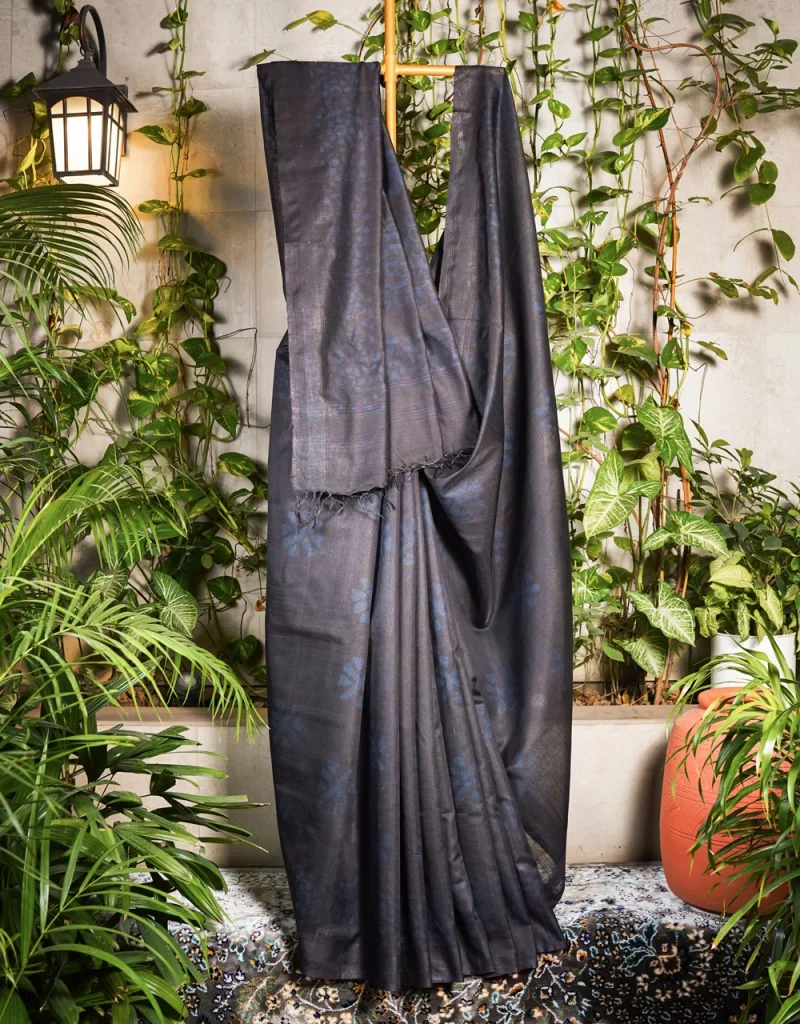
    • Pair the saree with a well-fitted blouse and minimal jewellery.
    • A small pair of earrings and comfortable footwear can keep the look practical for a full workday.

    If the office celebration continues into an evening dinner, a tissue, organza, or lightly embellished saree can easily take the look up a notch.

    A Complete Diwali Saree Colour Guide

    Colour does as much work as fabric in setting the mood of your saree for Diwali.

    • Puja and rituals: Reds, maroons, and deep golds the most auspicious, and ideal with Banarasi or Kanjivaram silk.
    • Daytime family gatherings: Soft pastels like peach, mint, and blush pink with subtle gold zari.
    • Evening parties: Jewel tones such as emerald, royal blue, and wine, along with metallic organza or tissue.
    • Modern and minimal: White, beige, or black with fine metallic embroidery for an understated Diwali special saree.

    How to Choose a Diwali Saree Based on Your Personal Style

    The right Diwali saree is not necessarily the heaviest or most embellished one. Your personal style can help narrow down the choices.

    For a Traditional Style

    If you naturally gravitate towards heritage clothing, look at Banarasi, Kanjivaram, tussar, Chanderi, or other handloom sarees.

    Traditional jewellery, a classic blouse, and a neat hairstyle can complete the look.

    For a Minimal Style

    If you prefer understated outfits, choose linen, organza, Chanderi, tissue, or a lightly detailed silk saree.

    Keep the jewellery simple and let the fabric and drape do most of the work.

    For a Contemporary Style

    Pre-draped sarees, belts, statement blouses, cape-style additions, and modern jewellery can give the traditional six-yard silhouette a fresh direction.

    For an Artistic Style

    Handpainted, printed, or intricately patterned sarees can work beautifully if you want the outfit to have a distinctive visual identity.

    The key is to balance a detailed saree with simpler accessories.

    Styling Tips: Taking Your Diwali Saree from Puja to Party

    A great Diwali saree for women doesn’t need a full outfit change between the morning puja and the night’s celebrations. A few smart swaps do the job:

    • Swap heavy temple jewellery for a delicate necklace and statement earrings.
    • Trade flats for block heels or embellished juttis once the party starts.
    • Loosen a neat bun into soft waves, or add a jewelled hairpin.
    • Layer a statement belt or a jacket-style blouse over your Diwali special saree for a modern silhouette.
    • Carry a small potli or clutch that works for both the puja thali walk and photographs.
    • Use a hidden safety pin to secure the pallu if you expect to move around a lot.

    These small adjustments mean one thoughtfully chosen saree for Diwali festival can carry you through the entire day.

    Makeup and Jewellery Pairings by Fabric

    • Banarasi or Kanjivaram silk: Red lip, kohl-rimmed eyes, temple jewellery a classic saree for Diwali look.
    • Organza or tissue party sarees: Dewy skin, soft smoky eye, minimal diamond or kundan studs.
    • Khadi or handloom cotton: Natural makeup, oxidised or handcrafted jewellery.
    • Fusion and pre-draped styles: Bold lip, statement earrings, loose waves or braids for a contemporary Diwali saree for women look.

    How to Create Different Diwali Looks with One Saree

    You do not always need a separate saree for every Diwali event. The same saree can look completely different when you change the styling around it.

    Traditional Diwali Saree Look

    Choose classic jewellery, a traditional blouse, a neat bun, and a simple saree drape. This works particularly well for puja and family gatherings.

    Contemporary Diwali Saree Look

    Change the blouse, add a belt or statement earrings, and experiment with your hairstyle. A structured blouse can instantly make a traditional saree feel more modern.

    Minimal Diwali Saree Look

    Keep the saree, blouse, jewellery, and makeup understated. This is ideal for daytime gatherings, office celebrations, or intimate family dinners.

    Small styling changes can make one Diwali special saree feel like a completely different outfit.

    Choosing the Right Saree for Every Diwali Occasion

    Not every moment of the festival calls for the same drape:

    • For the days before the festival, lighter daily wear sarees in cotton or linen keep you comfortable while managing decorations and guests.
    • For relaxed family evenings, breathable casual wear sarees balance comfort and festive charm.
    • For the main puja day and the parties after, richer festive wear sarees in silk, georgette, or tissue bring the shine every Diwali saree for women should have.

    Picking Based on Your Role This Diwali

    • Hosting: Choose a comfortable, easy-to-move-in silk-blend or pre-draped saree for Diwali.
    • Visiting family: A classic Banarasi, Kanjivaram, or tussar silk gives a respectful, festive impression.
    • Attending an evening party: Lean into organza, metallics, or fusion drapes for a bold Diwali special saree.
    • Younger and want a modern edge: Pre-draped styles, belted sarees, or pastel silk-blends give a fresh take on the saree for Diwali festival.

    Sarees You Can Wear Beyond Diwali

    A good festive saree does not have to disappear into your wardrobe after Diwali. Many sarees can be styled for weddings, family celebrations, festive dinners, cultural events, and other special occasions.

    Silk sarees can work for weddings and traditional celebrations, while linen, cotton, printed, and handloom sarees can transition into daytime events.

    When shopping, think beyond one date on the calendar. A versatile saree gives you more opportunities to experiment with different blouses, jewellery, drapes, and accessories throughout the year.

    A Quick Diwali Saree Shopping Guide

    Diwali is peak festive season, so a little planning goes a long way when you shop for your saree for Diwali:

    • Shop early: Order at least two to three weeks in advance, since popular weaves and colours sell out fast.
    • Match fabric to your day: Save heavier silks for the puja and lighter weaves for daytime duties.
    • Check blouse fit: Festive blouses often run slightly snug, so confirm sizing or tailoring time early.
    • Plan accessories together: Decide jewellery, footwear, and a bag alongside the saree, not the night before.
    • Keep a backup plan: Choose a seller with a clear exchange window in case colour or fit needs adjusting.
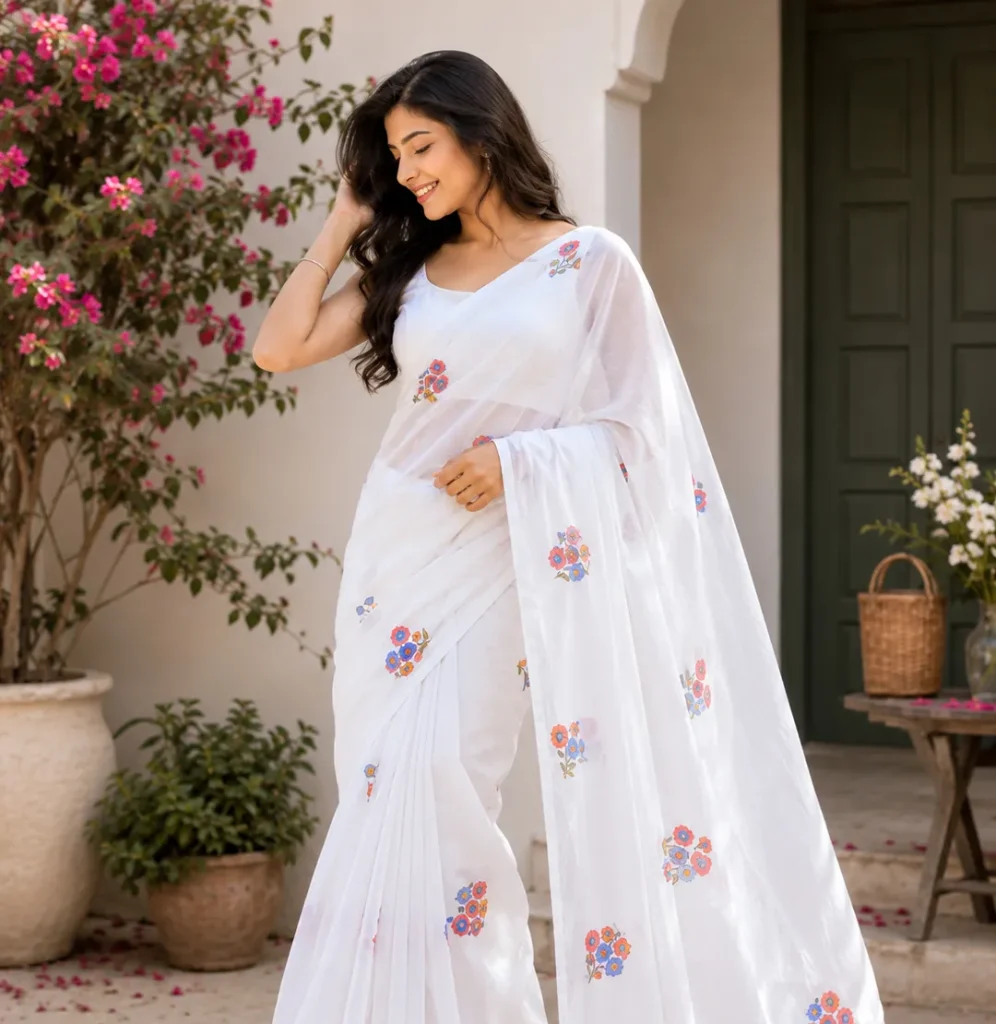
    • Buy from a trusted source: Look at what a good buy sarees online India destination offers before deciding, and pick a brand that is transparent about fabric and origin.

    At Siakari, every Diwali special saree is sourced with this exact philosophy genuine handloom and mill weaves, honestly described. Fashion authorities like Vogue India often note that festive dressing continues to celebrate handcrafted textiles alongside modern silhouettes, and that blend of heritage and comfort is what we aim to bring to every collection.

    Caring for Your Diwali Saree After the Celebrations

    A little aftercare keeps your Diwali saree for women looking festive for years, not just one season:

    • Dry clean silk, zari, and tissue sarees rather than washing at home, since water and detergent dull the zari finish.
    • Store sarees wrapped in muslin cloth instead of plastic to prevent yellowing.
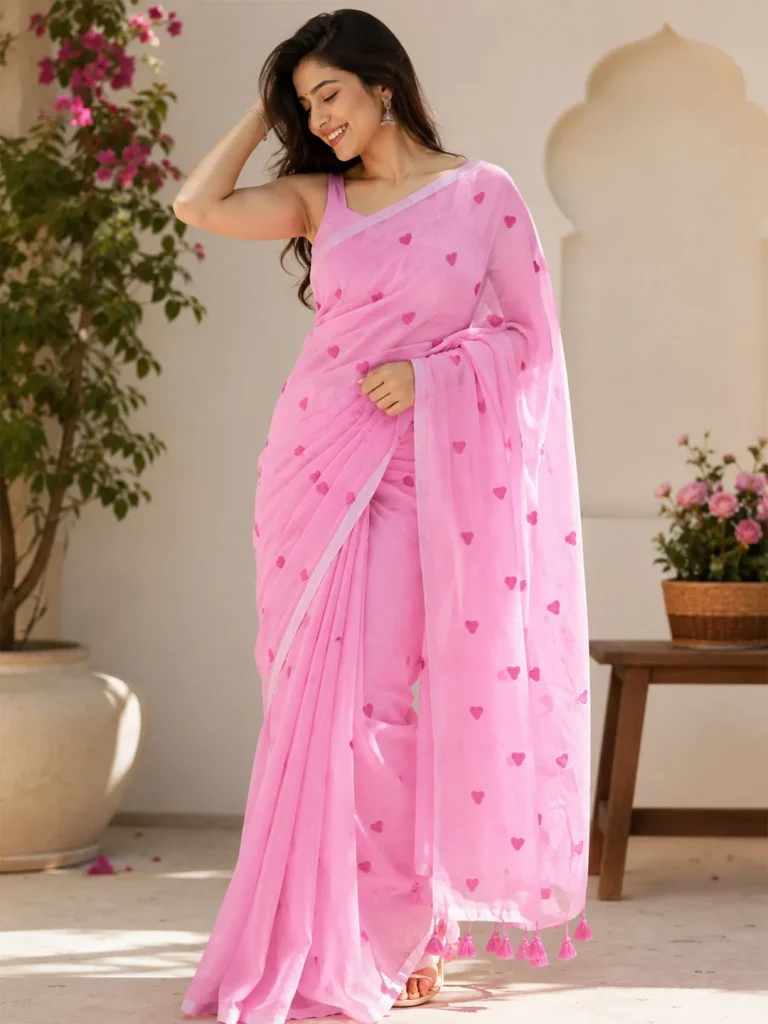
    • Refold silk and cotton sarees every few months along different lines to avoid permanent creases.
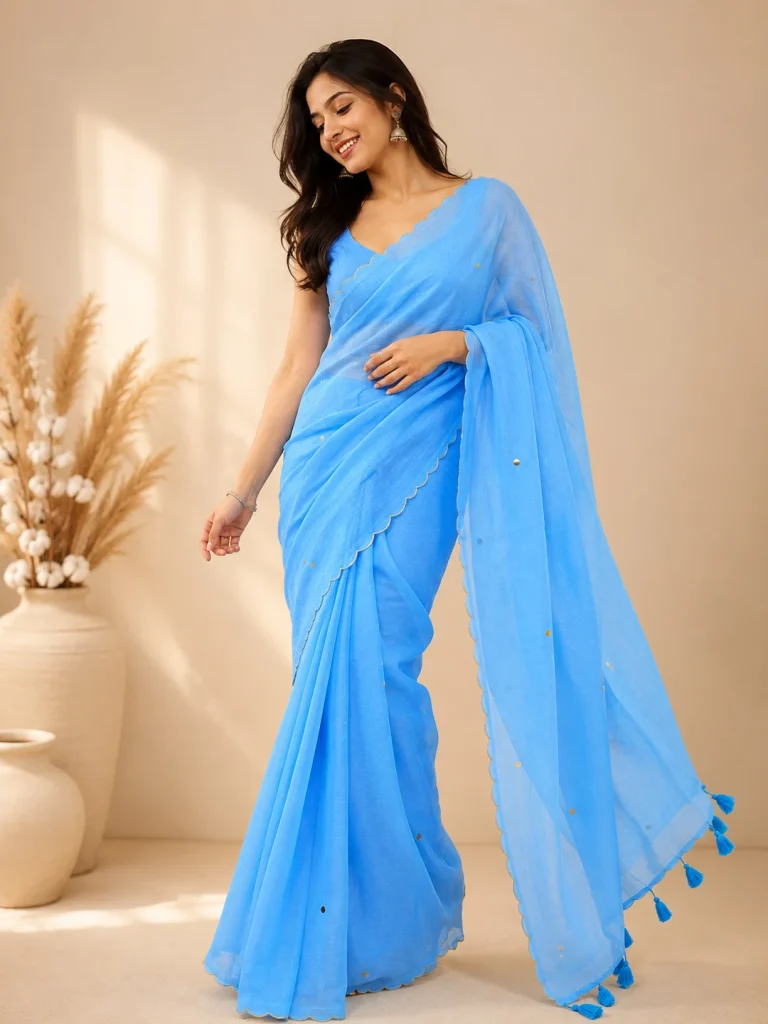
    • Keep perfumes and deodorants away from zari or embroidery, as they can stain delicate threadwork.
    • Air heavier silks in the shade occasionally rather than leaving them folded away for months.
    • Store each blouse with its matching saree in labelled pouches for quicker festive dressing next year.

    Craft bodies like the Office of the Development Commissioner (Handicrafts) highlight that proper storage matters as much as the weave itself, which is worth remembering before you pack away this year’s saree for Diwali festival pick.

    Final Thoughts

    There is a saree for Diwali to match every mood of the festival, from the timeless grandeur of Banarasi silk to the effortless comfort of linen and the modern shimmer of georgette and tissue. Whether you want a heritage Diwali saree for women for the puja or a contemporary drape for the evening, the right choice comes down to how you plan to spend your Diwali:

    • Think through your full festive schedule before you buy.
    • Match fabric and colour to each part of the day.
    • Care for the saree properly so it lasts well beyond this year.

    Explore the full range of weaves at Siakari and find the Diwali special saree that will light up your festival and your photographs for years to come.

    Frequently Asked Questions

    Which fabric is best for a saree for Diwali puja?

    Banarasi silk, Kanjivaram, and tussar silk are the most popular choices for puja because they photograph beautifully and carry the ceremonial weight the occasion calls for. If you prefer something lighter, a well-woven cotton or khadi saree works just as elegantly.

    What is the most comfortable Diwali saree for women who are hosting guests?

    Cotton, linen, and linen-blend sarees are ideal for hosts, since they stay breathable through long hours of moving between the kitchen, puja room, and guests, without losing their festive appeal.

    Can one Diwali special saree work for both puja and the evening party?

    Yes. Choose a silk-blend or georgette saree with subtle embroidery, then simply switch jewellery, footwear, and hairstyle to move from a traditional daytime look to an evening party look.

    Which saree for Diwali festival suits younger women who want a modern look?

    Georgette, viscose silk, and tissue silk sarees with contemporary blouse designs are popular with younger shoppers who want festive shine with an easier, more fluid drape.

    How early should I shop for my Diwali saree?

    Since Diwali is peak festive season, it is best to shop at least two to three weeks in advance to get your preferred colour, size, and blouse tailored in time.

    What colour saree is considered most auspicious for Diwali puja?

    Red, maroon, and deep gold are traditionally considered the most auspicious colours for Lakshmi puja, though many families now also embrace jewel tones and pastels for a fresh take on the celebration.

    How do I keep my Diwali saree looking new for the following year?

    Dry clean silk and zari pieces promptly after wear, store them in breathable muslin rather than plastic, and refold them periodically to avoid permanent creasing at the same lines.

  • Dussehra Special Sarees 2026: Traditional Styles for the Festive Season

    Dussehra Special Sarees 2026: Traditional Styles for the Festive Season

    Dussehra special sarees are already on everyone’s mind as Vijayadashami 2026 approaches. Between the morning pooja, the family lunch, and the evening Ravan Dahan gathering, most women end up wearing one saree through the entire day, so the choice matters more than it looks.

    This guide covers what the festival means, the fabrics, weaves, and colours that make the best Dussehra sarees for every part of the celebration, and styling ideas for the full day. Whether you already own a favourite drape or are hunting for something new this year, Siakari has festive weaves worth considering before you finalise your Dussehra festival sarees.

    What Is Dussehra and Why Is It Celebrated

    Dussehra, also written as Dasara or Dashahara, is a Hindu festival observed on the tenth day of the Ashvin month, usually falling in September or October. The name comes from the Sanskrit words “dasha” meaning ten and “hara” meaning defeat, a reference to the ten heads of the demon king Ravana. The festival is also called Vijayadashami, meaning the tenth day of victory, and it marks the end of the nine days of Navratri.

    The Story Behind Dussehra

    The core story comes from the Ramayana. Lord Rama defeated the ten headed demon king Ravana after a long battle, and this triumph is remembered as the victory of good over evil, truth over falsehood, and righteousness over injustice.

    • In North India and Karnataka, Ramleela performances re-enact the entire Ramayana through plays and dance.
    • The celebration ends with the burning of effigies of Ravana, his brother Kumbhkaran, and his son Meghnad.
    • Families dress up in their best traditional wear for these Ravan Dahan gatherings, which is where Dussehra festival sarees really come into the picture.

    Dussehra also marks the end of Durga Puja, honouring Goddess Durga’s victory over the demon Mahishasura.

    • In West Bengal and much of Eastern India, this side of the story takes centre stage.
    • The day is more commonly called Vijayadashami rather than Dussehra in these regions.
    • A Bengali household observing Sindoor Khela dresses quite differently from a North Indian family heading out for Ramleela, which is part of why Dussehra sarees vary so much by region.

    Why the Day Is Considered Auspicious

    The ten heads of Ravana are traditionally linked to ten human vices, including lust, anger, greed, pride, jealousy, and ego. Celebrating Dussehra is meant to be a reminder to let go of these qualities and start fresh, which is why the day is considered auspicious for new beginnings, whether that means a new venture, a new home, or a new Dussehra special saree.

    Regional Customs Worth Knowing

    • Ayudha Puja, observed mainly in South India, involves worshipping tools, books, vehicles, and instruments used in daily work.
    • In Maharashtra, families exchange Shami or Apta leaves, a tradition tied to the Pandavas hiding their weapons in a Shami tree during exile, symbolising good luck and prosperity.
    • Farmers in several states worship their agricultural tools on this day, thanking them for the year’s harvest.
    • Dussehra falls about twenty days before Diwali, which celebrates Lord Rama’s return to Ayodhya after his exile.

    A single day of Dussehra festival sarees can involve a pooja at home, a temple visit, a family lunch, tool worship, and an evening gathering, all in one saree. That is exactly why comfort and versatility matter so much when picking what to wear.

    Why Dussehra Special Sarees 2026 Matter for Vijayadashami

    Because Dussehra carries this much religious and cultural weight, Dussehra special sarees feel different from an everyday drape. A saree worn for Ravana’s effigy burning, a family pooja, or a temple visit is doing more than completing an outfit. It is part of how the occasion is marked.

    For many families, festive dressing has become part of the celebration itself. A saree taken out the night before, paired with jewellery and a blouse chosen in advance, works almost like a small ritual before the bigger rituals of the day begin.

    Since the schedule shifts from house to house and region to region, Dussehra sarees need to work across more than one setting. Think about your actual day, whether it includes Ramleela, Ayudha Puja, or a Durga Puja pandal visit, before you think about the saree itself.

    Best Fabrics for Dussehra Sarees You Can Wear All Day

    The fabric you choose decides how comfortable your day will actually be. A saree that looks stunning in photos but feels unbearable by four in the afternoon defeats the purpose of festive dressing.

    Silk Sarees for a Grand Dussehra Look

    Nothing says festive quite like silk sarees.

    • The natural sheen and structured drape make silk a reliable pick for a pooja or a family gathering where everyone is dressing up.
    • Silk holds pleats well through a long day of standing and moving around.
    • Deep reds, greens, and golds in silk photograph beautifully and carry the occasion well.

    Cotton Silk Sarees for Comfort Through the Day

    If your Dussehra plan involves travelling between the temple, a relative’s house, and an evening event, a cotton silk saree is worth considering.

    • It sits between the richness of pure silk and the breathability of cotton.
    • It does not feel heavy after several hours of wear.
    • It works well for Dussehra sarees that need to last an entire day without a mid-afternoon change.

    Mul Cotton Saree for Morning Poojas

    A mul cotton saree suits the earliest part of the day.

    • It is light, breathable, and drapes softly.
    • It works well for the morning pooja before the day gets busier.
    • Many families save heavier silks for later and keep morning Dussehra special sarees simple.

    Tussar Sarees for Understated Elegance

    Tussar sarees bring a textured, slightly rustic sheen.

    • They feel traditional without being heavy.
    • They suit Dussehra festival sarees where you want a handwoven look without elaborate styling.
    • A tussar saree in an earthy shade carries well from afternoon into evening.

    Traditional Weaves That Define Dussehra Festival Sarees

    The weave often decides how festive a saree feels. Handloom weaving has shaped Indian saree traditions for generations, and handloom saris are a traditional textile art of India, with several regions developing their own distinct weaving styles over centuries. That regional variety is part of why Dussehra sarees look so different depending on where you shop.

    Banarasi Sarees for a Rich, Ready-Made Look

    Banarasi sarees remain one of the most requested styles for Dussehra special sarees.

    • The zari work, floral motifs, and rich borders give a Banarasi enough visual weight on their own.
    • You rarely need elaborate jewellery to complete the look.
    • A Banarasi in a deep jewel tone works particularly well for evening celebrations that continue after sunset.

    At Siakari, festive weaves are chosen with exactly this kind of versatility in mind, so a saree bought for Dussehra festival sarees this year does not have to sit unused once the season passes.

    Best Colours for Dussehra Special Sarees in 2026

    Colour is where personal taste plays the biggest role. There is no single right answer, but a few shades have become festive favourites.

    • Red remains the most traditional pick and pairs beautifully with gold zari across silk and Banarasi weaves.
    • Mustard and yellow bring brightness that suits morning rituals without much extra styling.
    • Emerald and bottle green create a richer look for family gatherings and evening functions.
    • Maroon, rust, and deep orange suit women who prefer warmer festive tones.

    Pink Saree for Daytime Celebrations

    A pink saree brings softness into your Dussehra special sarees lineup without losing the festive mood.

    • Blush and rani pink shades photograph well in daylight.
    • Pink pairs effortlessly with gold jewellery.
    • It works well for daytime temple visits and family lunches.

    Black Saree for Evening Dussehra Functions

    For the evening leg of Dussehra, a black saree offers a striking alternative to the usual reds and golds.

    • It pairs well with statement jewellery.
    • It suits Ravan Dahan celebrations and cultural programmes after dark.
    • It gives Dussehra festival sarees a modern edge while still respecting the occasion.

    How to Style Dussehra Sarees for Every Part of the Day

    Most Dussehra celebrations stretch from morning to night, so styling around the day’s schedule works better than picking one look and forcing it to fit everywhere.

    Morning: Pooja and Ayudha Puja

    • Choose a lighter mul cotton or cotton silk saree.
    • Keep jewellery minimal.
    • Plan your attire around the muhurat, since the Dashami Tithi during the Ashwin month is considered highly significant in the Hindu calendar and many households time their pooja around it rather than the clock.

    Afternoon: Family Gatherings and Lunches

    • A silk or Banarasi saree gives you room to dress up a little more.
    • A statement border blouse or simple gold jewellery elevates the look without overdoing it.

    Evening: Ravan Dahan and Cultural Events

    • Richer fabrics and bolder colours work best.
    • A black saree or a deep-toned silk saree carries the drama of the occasion well under evening lighting.

    Practical Styling Tips

    • Pin your pallu if you expect to be standing or walking for long stretches at temple visits or Ramleela grounds.
    • Choose block heels or comfortable flats over statement footwear for a long day.
    • Keep a light dupatta or stole on hand for cooler early mornings.
    • Avoid overly delicate fabrics if your plans include Ayudha Puja, since handling tools or offerings can snag them.

    Choosing Dussehra Festival Sarees You Will Wear Again

    The best Dussehra special sarees rarely stay limited to one occasion.

    • A well-chosen Banarasi saree can return for a wedding reception.
    • A silk saree in a versatile shade can be worn for another festival or family function later.
    • A cotton silk saree, often bought for comfort, tends to get reused for smaller poojas throughout the year.

    Instead of buying purely for one day, look for a weave and colour combination you can genuinely see yourself wearing again. It makes the investment worthwhile long after Vijayadashami has passed, and it fits neatly with the spirit of the festival, which is ultimately about renewal.

    Final Thoughts on Dussehra Special Sarees 2026

    Choosing the right Dussehra special sarees comes down to knowing your day rather than chasing trends. Whether you lean toward a classic silk saree, a comfortable cotton silk saree for a long day out, or a bold black saree for the evening festivities, the goal is the same: a drape that feels considered from the morning pooja through to the last celebration of the night. Explore Siakari’s festive collection to find Dussehra sarees that combine handloom character with everyday wearability, so this year’s Vijayadashami look still has plenty of life left in it after the festival ends.

    Frequently Asked Questions About Dussehra Special Sarees

    What is Dussehra and why is it celebrated?

    Dussehra, also called Vijayadashami, is a Hindu festival celebrating the victory of good over evil. It marks Lord Rama’s defeat of the demon king Ravana and, in many regions, Goddess Durga’s victory over the demon Mahishasura, and it falls on the tenth day after Navratri.

    Which saree is best for Dussehra celebrations?

    Silk sarees, Banarasi sarees, and cotton silk sarees are among the most popular choices for Dussehra special sarees, since they balance festive richness with practical comfort across a long day of rituals and gatherings.

    What colours are considered auspicious for Dussehra sarees?

    Red, mustard, gold, and green are traditionally associated with Dussehra festival sarees, though pink, black, and maroon have become equally popular for modern festive dressing.

    Can I wear a lightweight saree for Dussehra instead of silk?

    Yes. A mul cotton saree or tussar saree is a comfortable option for Dussehra sarees, especially if your day involves travel between the temple, family visits, and multiple events.

    Are Dussehra special sarees suitable for other occasions later?

    Absolutely. Versatile weaves like Banarasi and silk sarees purchased as Dussehra festival sarees can easily be reworn for weddings, other festivals, and family celebrations throughout the year.

  • 9 Days, 9 Colours: Navratri Saree Ideas for 2026

    9 Days, 9 Colours: Navratri Saree Ideas for 2026

    Navratri saree colour planning is basically half the fun of the festival. Nine nights, nine forms of the goddess, nine colours, and somewhere in between you have to actually decide what goes in your suitcase.

    This guide covers what Navratri actually celebrates, the full 2026 day-by-day Navratri colour saree sequence, the fabrics that survive a full night of garba, and styling ideas so you’re not standing in front of your cupboard on day four wondering where your orange saree went.

    The Significance of Navratri and How It’s Celebrated

    Navratri means “nine nights,” dedicated to the nine forms of Goddess Durga, known together as Navadurga. Each night honours a different aspect of her, moving from raw strength on day one to quiet mastery on the final night.

    That arc is really why the festival has stayed this alive for centuries. It isn’t just nine days of dressing up. It’s built on the idea that the divine feminine shows up in more than one form, and each form gets its own moment.

    This is also why choosing a Navratri saree colour means something beyond fashion. Wearing the colour of the day is a small way of aligning with whichever form of Shakti is being honoured that night.

    How the festival looks on the ground changes a lot by region:

    • Gujarat: garba and dandiya raas, entire neighbourhoods dancing in open grounds late into the night
    • West Bengal: Durga Puja, with elaborate pandals, idol immersions, and a build-up to Ashtami and Navami
    • South India: Golu or Bommai Kolu, tiered doll displays with evening visits between homes
    • Across India: nine-day fasting for many families, often broken with a Kanya Pujan on Ashtami or Navami

    Different states, different rituals, same underlying rhythm: nine nights, nine forms of the goddess, and a colour marking each one. The festival closes with Vijayadashami, or Dussehra, celebrating the goddess’s victory and the larger theme of good triumphing over evil.

    Why Navratri Saree Colours Change Every Year

    If you’ve compared two Navratri colour lists and found them completely different, you’re not imagining it. The sequence isn’t fixed.

    It’s tied to the weekday the festival begins on, since each day of the week is ruled by a planet with its own colour. Start on a Sunday and you get one order. Start on a Monday and it shifts.

    For the most reliable version of the colour order in any given year, bookmark Drik Panchang.

    Shardiya Navratri 2026 runs Sunday, 11 October to Monday, 19 October, with Dussehra on 20 October. Because it opens on a Sunday, this year’s Navratri saree colour sequence starts with orange.

    Navratri Saree Colour Guide 2026, Day by Day

    Here’s the full nine-day breakdown, with the goddess honoured on each date.

    Day 1, 11 October: Orange 

    Maa Shailputri‘s day. Bright and energetic, works for Ghatasthapana morning and the first garba of the season equally well. Saffron, rust, and tangerine all count as this Navratri saree colour. Pair with gold jewellery and keep the rest simple.

    Day 2, 12 October: White 

    Maa Brahmacharini‘s day. A calm, purity-coded shade after the brightness of day one. Looks elevated with a gold zari border. A contrasting red or orange blouse adds personality without breaking the palette.

    Day 3, 13 October: Red 

    Maa Chandraghanta‘s day, and the boldest Navratri saree colour of the nine. Signals strength, passion, and devotion, and is consistently the fastest-selling shade every season. A good night for your best Banarasi sarees, since red holds its richness even under low garba lighting.

    Day 4, 14 October: Royal Blue

    Maa Kushmanda‘s day. The most underused Navratri saree colour on this list, which is exactly why it stands out. Reads as deep and sophisticated. Gold jewellery warms it up, silver keeps it cooler.

    Day 5, 15 October: Yellow

    Maa Skandamata‘s day, and one of the most-searched Navratri saree colours every year. Bright, cheerful, and flattering against most Indian skin tones. Golden or mustard yellow adds richness over a flat primary yellow.

    Day 6, 16 October: Green

    Maa Katyayani‘s day, representing growth and renewal. One of the best-performing Navratri saree colours for garba specifically, since it catches light beautifully while dancing. Deeper bottle greens feel formal, lighter greens feel playful.

    Day 7, 17 October: Grey

     Maa Kalaratri‘s day, and the most understated Navratri saree colour of the nine. If bright shades aren’t your thing, lean into texture instead. A woven or metallic-bordered grey can outshine a heavily embellished piece in a louder colour.

    Day 8, 18 October: Purple

    Maa Mahagauri‘s day. Rich, regal, and consistently one of the strongest-converting Navratri saree colours according to most sellers. Sits comfortably against both the brighter early days and the deeper tones that follow. Statement earrings and a classic blouse are usually enough.

    Day 9, 19 October: Peacock Green

    Maa Siddhidatri‘s day, closing the festival on a teal-leaning shade. Pairs beautifully with gold jewellery and tends to be the most memorable look of the season simply because it’s less common. Save your richest fabric for this one.

    A quick honest note on variations:

    • Colour order can shift slightly by region and by which panchang a family follows
    • Some lists swap grey or purple for a pink saree on the later days, and that’s a regional variation, not a mistake
    • A black saree doesn’t appear in the traditional nine-colour wheel at all, so most people skip it during the nine nights and save it for the Dussehra after-party instead

    Best Fabrics for Each Navratri Saree Colour

    Picking the colour is only half the job. The fabric decides whether you’re comfortable at midnight or adjusting your pallu every ten minutes.

    • Silk for puja mornings and standout nights: A drape in silk sarees feels instantly festive and holds colour well, which is why red, purple, and peacock green nights call for it most.
    • Lightweight silk blends for full-day wear: Cotton silk sarees give you the sheen of silk with the breathability to get through puja in the morning and a family gathering in the evening.
    • Tussar for rich but light: On the yellow and green nights, tussar sarees offer warm texture without the weight of pure silk.
    • Mul cotton for garba and dandiya: Nothing beats a mul cotton saree when you’re actually dancing. Soft, breathable, and it drapes securely through hours of movement.

    Styling Tips for Garba and Dandiya Nights

    • Blouse: Mirror-work or contrast blouses are classic. A plain saree with a statement blouse photographs better than two busy pieces fighting each other.
    • Jewellery: Oxidised silver jhumkas and stacked bangles work for garba. Save kundan or temple sets for puja evenings when you’re not dancing.
    • Draping: A front-pallu drape, or a pre-draped saree, survives dandiya movement far better than a loose traditional pallu.
    • Pins: Five to seven safety pins at the waist, pleats, and pallu will save you a wardrobe emergency mid-dance.
    • Footwear: Comfortable juttis or embellished flats over heels. Garba grounds are not where you want to discover a blister at 10 pm.

    How to Get 9 Looks Without 9 New Sarees

    You don’t need a new Navratri saree colour for every single night. Most stylists suggest three or four new pieces for the standout days, typically day 1, day 3, and day 8 or 9, and reworking what you already own for the rest.

    Change the blouse, change the jewellery, change the drape, and the same saree reads as a different outfit each time.

    A Siakari handloom saree holds up especially well to this kind of reuse, since a well-woven drape looks different in daylight versus under string lights without losing shape or sheen.

    Handloom weaving is also one of India’s oldest living crafts, and it supports weaver communities directly. Government schemes like the India Handloom Brand exist specifically to certify that authenticity, so buying handloom this Navratri does double duty for your wardrobe and for the craft itself. For more on why that heritage matters at scale, Fibre2Fashion has a good breakdown of the handloom sector and its role in rural livelihoods.

    For the nine nights, a simple system works:

    • Keep two or three heavier silks for the big nights
    • Lean on lighter cotton and cotton silk blends for the rest
    • Let accessories do the work of making each night feel new

    Frequently Asked Questions

    What is the Navratri saree colour for each day in 2026? 

    Day 1 orange, day 2 white, day 3 red, day 4 royal blue, day 5 yellow, day 6 green, day 7 grey, day 8 purple, day 9 peacock green, running 11 to 19 October 2026.

    Why does the Navratri saree colour sequence change every year?

    It’s based on which weekday the festival begins, since each weekday has a planetary ruler with its own colour. A different starting day means a different order.

    What is the best fabric for a Navratri saree if I’m doing garba every night?

    Lightweight cotton, mul cotton, and cotton silk blends are most practical since they’re breathable and drape securely through hours of dancing. Save heavier silks for puja mornings and two or three standout nights.

    Do I need a new saree for all nine days?

    No. Three or four new pieces for the key nights, combined with a change of blouse, jewellery, and draping for the rest, is enough to create nine distinct looks.

    Can I wear pink or black during Navratri?

    Pink shows up in some regional lists as a variation on the later days, so it’s not incorrect. Black isn’t part of the traditional sequence, and most people save it for after Dussehra instead.
    Navratri is nine nights built around nine forms of one goddess, and the Navratri saree colour of the day is one small, easy way to take part in that, wherever and however you celebrate it. Pick your fabrics for comfort, save your richest pieces for the nights that matter most to you, and let a good Siakari handloom drape do the heavy lifting across more than one night.

  • Best saree colour combination for wedding

    Best saree colour combination for wedding

    Standing in front of the mirror with three sarees laid out and no idea which one is “the one” every bride, bridesmaid, and wedding guest has been there. The truth is, fabric and embroidery matter, but it is the best saree colour combination for wedding occasions that decides whether a look feels ordinary or unforgettable. The right pairing can lift a plain drape into something regal, while the wrong one can make even the most expensive silk look flat.

    In this guide, we walk through the best saree colour combination for wedding functions of every kind from timeless red-and-gold to sage green and wine purple along with fabric, blouse contrast, and jewellery tips, so your look feels complete from the first function to the last.

    Why the Best Saree Colour Combination for Wedding Matters More Than the Saree Itself

    A saree can be hand-embroidered and beautifully woven and still fall flat if the colours don’t work together, which is exactly why the best saree colour combination for wedding functions deserves as much thought as the saree itself. Colour is the first thing anyone notices before the weave, before the border, before the pallu design. Choosing the best saree colour combination for wedding functions means thinking about three things at once: the mood you want to create, the lighting of the venue, and how the shades sit against your own skin tone.

    How the Best Saree Colour Combination for Wedding Changes the Mood of a Look

    Bright contrasts like red and gold or pink and green feel celebratory and traditional, while tonal pairings such as ivory and gold or beige and copper feel quiet and elegant, and this range is exactly what makes the best saree colour combination for wedding functions so personal. A single saree can look completely different depending on the blouse and border colour paired with it, which is why the combination, not just the saree, deserves careful thought before you shop.

    Finding the Best Saree Colour Combination for Wedding by Skin Tone

    Cooler undertones tend to look luminous in jewel tones like emerald, sapphire blue, and wine purple, while warmer undertones are flattered by mustard, rust, coral, and deep gold, and keeping this in mind makes choosing the best saree colour combination for wedding functions far easier. This isn’t a hard rule, but understanding your own undertone makes it simpler to shortlist colours that will genuinely photograph and glow well, rather than choosing purely by trend.

    Timeless Picks for the Best Saree Colour Combination for Wedding Ceremonies

    Some pairings never go out of style because they have been tested across generations of Indian weddings, and they remain the safest starting point when narrowing down the best saree colour combination for wedding ceremonies.

    Red and Gold – The Most Classic Best Saree Colour Combination for Wedding

    Red and gold remains the single most requested best saree colour combination for wedding ceremonies, and for good reason. The richness of red paired with the warmth of gold zari creates a regal, auspicious look that suits every skin tone and every region of India. A red silk saree drape with a gold border is the closest thing Indian bridal fashion has to a “safe bet” that never actually looks safe or boring.

    Green and Maroon – A Regal Best Saree Colour Combination for Wedding Functions

    Deep bottle green paired with maroon or a maroon blouse creates a rich, festive best saree colour combination for wedding functions that works beautifully for both brides and close family members. This pairing photographs especially well under warm indoor lighting, making it a strong choice for evening ceremonies and cocktail functions.

    Yellow and Purple – Best Saree Colour Combination for Wedding Haldi Functions

    Bright yellow paired with a contrasting purple border makes for a modern best saree colour combination for wedding haldi and pre-wedding functions. It feels fresh, joyful, and a little unexpected next to the usual yellow-and-gold pairing, and it looks striking in Banarasi weaves where the banarasi saree border catches the light beautifully against the bright base colour.

    Modern Options for the Best Saree Colour Combination for Wedding Receptions

    Alongside the classics, a newer set of pairings has become popular with brides and guests who want the best saree colour combination for wedding functions that still photographs beautifully but feels less predictable.

    Sage Green and Gold – A New-Age Best Saree Colour Combination for Wedding

    Sage green paired with gold embroidery or a gold border has become one of the most talked-about picks for the best saree colour combination for wedding functions in recent seasons. It feels sophisticated without being loud, and it works particularly well for outdoor and daytime weddings where soft natural light enhances muted tones.

    Navy Blue and Copper – A Chic Best Saree Colour Combination for Wedding Receptions

    Navy blue paired with copper or antique gold detailing gives a modern, slightly Western-leaning edge, making it a favourite best saree colour combination for wedding receptions and cocktail parties rather than the main ceremony.

    Black and Gold – A Glamorous Best Saree Colour Combination for Wedding Receptions

    Black is rarely worn for the wedding ceremony itself but has become one of the most popular choices for the best saree colour combination for wedding receptions in recent years. A black saree with gold embellishments looks dramatic under chandelier lighting and flash photography, giving guests and even brides a glamorous, contemporary alternative to red or maroon.

    Choosing the Best Saree Colour Combination for Wedding by Function

    Every Indian wedding has multiple functions, and the best saree colour combination for wedding events actually changes depending on the time of day and setting.

    Haldi and Mehndi – The Best Saree Colour Combination for Wedding Daytime Functions

    Haldi calls for yellow almost by tradition, but pairing it with a fresh green border or a mul cotton saree base keeps the best saree colour combination for wedding daytime functions light and breathable. Mehndi ceremonies suit similarly vibrant, playful combinations think orange and pink, or mustard and teal.

    Sangeet and Reception – The Best Saree Colour Combination for Wedding Evening Functions

    Evening functions call for richer, deeper shades, and the best saree colour combination for wedding evening events almost always leans into wine, emerald, midnight blue, or black paired with metallic gold or silver detailing that catches the light on the dance floor.

    The Wedding Day Itself – The Best Saree Colour Combination for Wedding Muhurtham

    For the main ceremony, red, maroon, and deep pink remain the most auspicious choices, and this is where the best saree colour combination for wedding muhurtham moments is most often personalised with family heirloom colours or regional preferences.

    Matching Fabric to the Best Saree Colour Combination for Wedding Looks

    The fabric you choose changes how a colour combination actually behaves once it’s draped, which matters just as much as the shades themselves when picking the best saree colour combination for wedding functions.

    Silk and Banarasi Weaves for a Bold Best Saree Colour Combination for Wedding

    Rich, saturated colours like red, maroon, emerald, and wine purple come alive in silk and Banarasi weaves, making them the natural choice for a bold best saree colour combination for wedding ceremonies and receptions where a heavier, more opulent drape is expected.

    Cotton Silk and Tussar for a Soft Best Saree Colour Combination for Wedding

    For daytime functions or a more relaxed palette, cotton silk sarees hold pastel and mid-tone shades beautifully without feeling heavy, while tussar sarees bring an earthy texture that suits a soft best saree colour combination for wedding haldi and mehndi functions especially well.

    Styling Tips to Complete the Best Saree Colour Combination for Wedding Looks

    Even the best saree colour combination for wedding functions needs the right supporting details, from blouse to jewellery, to look genuinely finished.

    Blouse Contrast Ideas for the Best Saree Colour Combination for Wedding

    A contrasting blouse is one of the easiest ways to elevate the best saree colour combination for wedding functions a blush pink saree with a deep maroon or gold blouse instantly looks more festive than a matching-tone pairing. As a general rule, choose a blouse shade that either deepens or brightens the saree’s base colour, rather than one that simply repeats it.

    Jewellery That Completes the Best Saree Colour Combination for Wedding Looks

    Gold jewellery pairs naturally with warm combinations like red-gold, yellow-purple, and green-maroon, while silver, diamond, or kundan pieces suit cooler pairings like navy-copper and black-gold, and matching the metal to the shade is a simple way to complete the best saree colour combination for wedding functions. Keeping jewellery in the same colour family as one of the saree’s two shades, rather than introducing a third, keeps the look cohesive, a principle echoed across colour theory in fashion styling.

    At Siakari, every saree is chosen with the best saree colour combination for wedding functions in mind from bold Banarasi reds to soft cotton silk pastels so whichever pairing you choose feels complete straight off the shelf.

    Conclusion

    Choosing the best saree colour combination for wedding functions comes down to matching the mood of the occasion, the time of day, and the fabric to a pairing that genuinely flatters you, not just whatever is trending that season. Whether it’s a timeless red and gold for the main ceremony or a modern sage green and gold for a daytime celebration, the right combination turns a beautiful saree into an unforgettable one. Explore Siakari’s curated collection of silk, cotton silk, Banarasi, and tussar sarees to find your best saree colour combination for wedding season today.

    Frequently Asked Questions

    What is the best saree colour combination for a wedding? 

    Red and gold remains the most classic and widely loved best saree colour combination for wedding ceremonies, though sage green with gold and navy blue with copper are increasingly popular for a more contemporary bridal look.

    Which saree colour combination suits a daytime wedding?

    Lighter, brighter combinations like yellow and purple, pink and green, or pastels in cotton or cotton silk make the best saree colour combination for wedding functions held in daylight, such as haldi and mehndi.

    What is the best saree colour combination for an evening wedding reception?

    Richer, deeper shades such as wine purple, emerald green, midnight blue, and black paired with gold or silver detailing make the best saree colour combination for wedding receptions, since they hold their richness under artificial and chandelier lighting.

    How do I choose a saree colour combination based on my skin tone? 

    Cooler undertones are generally flattered by jewel tones like emerald and sapphire blue, while warmer undertones suit mustard, rust, coral, and deep gold a useful starting point for anyone narrowing down the best saree colour combination for wedding functions by complexion.

    Can I mix more than two colours in a wedding saree? 

    Yes, many wedding sarees feature a base colour, a contrasting border, and a third accent colour in the pallu or embroidery, and this three-colour approach can still qualify as the best saree colour combination for wedding functions as long as one shade clearly leads.

  • Ganesh Chaturthi Saree Ideas: Traditional & Stylish Looks for 2026

    Ganesh Chaturthi Saree Ideas: Traditional & Stylish Looks for 2026

    Ganesh Chaturthi dressing can mean a lot of different things depending on the day. A quiet Sthapana at home. A family lunch with relatives dropping by all afternoon. Hours of pandal hopping in the September heat. An evening aarti with diyas lit and the whole house smelling of modaks. Bappa arrives on Monday, September 14 this year, and finding the right saree for Ganesh Chaturthi usually means picking more than one kind of Ganesh Chaturthi saree to see you through the ten days that follow.

    How to Choose the Right Saree for Ganesh Chaturthi

    Choosing a saree for Ganesh Chaturthi is about finding the right balance between festive style, comfort, and the occasion you’re dressing for. A saree that works beautifully for a morning puja may not be the most practical choice for hours of pandal hopping. Consider the time of day, how much movement your plans involve, the weather, and how dressed-up you want to feel before choosing your saree.

    Consider the Occasion

    Start by thinking about where you’ll be wearing the saree. A simple home Sthapana calls for something comfortable and graceful, while an evening aarti or family gathering gives you more room to experiment with richer fabrics, deeper colours, and statement details.

    Choose Comfort Along With Style

    Ganesh Chaturthi celebrations can last for several hours, so comfort matters as much as appearance. Lightweight cotton, cotton-silk, and tussar sarees can be particularly practical for daytime celebrations, while silk and silk-blend sarees can work well when you want a more dressed-up evening look.

    Think About the Time of Day

    For morning and daytime celebrations, breathable fabrics and brighter shades can feel fresh and festive. For evening celebrations, richer colours, lustrous fabrics, and more elaborate jewellery can create a more occasion-ready look.

    Match the Saree to Your Personal Style

    You don’t have to choose between looking traditional and looking contemporary. A handloom saree can be styled with a classic blouse and gold jewellery for a traditional look, or paired with a contemporary blouse and minimal accessories for a more modern festive outfit.

    What Ganesh Chaturthi Saree Is Actually Best?

    Cotton, cotton-silk, tussar, and silk can all work beautifully as a Ganesh Chaturthi saree the right one depends on the time of day, the kind of gathering, and how long you’ll realistically be in it.

    For a morning puja, your saree for Ganesh Chaturthi should be breathable and easy to sit in comfort matters more here than how much zari it has.

    For pandal hopping or visiting family, you want a Ganesh Chaturthi saree that survives hours of walking without needing constant adjustment.

    For an evening aarti or a bigger family gathering, silk earns its place as the saree for Ganesh Chaturthi the drape and lustre simply read as more occasion-ready once the diyas are lit.

    Best Saree Fabrics for Ganesh Chaturthi

    The fabric you choose can completely change how a saree feels and looks during Ganesh Chaturthi. Lightweight fabrics are ideal when you’ll be moving around or spending time outdoors, while richer fabrics work beautifully for evening celebrations and formal gatherings. Here are some of the most versatile options to consider.

    Cotton Sarees – Best for Daytime Celebrations

    Cotton sarees are a practical choice for puja, family visits, and pandal hopping. They are breathable, easy to wear for long hours, and can look distinctly festive when paired with a beautiful border, colourful blouse, or traditional jewellery.

    Cotton-Silk Sarees – A Balance of Comfort and Festive Style

    Cotton-silk sarees offer a little more richness while retaining much of the ease of a lighter saree. They work particularly well for family lunches, daytime gatherings, and celebrations where you want something more polished without feeling overdressed.

    Tussar Sarees – Subtle and Elegant

    With their natural texture and understated character, tussar sarees are a lovely choice for those who prefer a quieter festive look. They can work especially well for puja and intimate family celebrations when paired with simple jewellery and a well-fitted blouse.

    Silk Sarees – Best for Evening Celebrations

    Silk brings a richer drape and natural lustre to festive dressing. It works particularly well for evening aarti, formal family gatherings, and occasions where you want your saree to make more of a statement.

    Cotton for Ganpati? A Great Ganesh Chaturthi Saree Choice

    Festive dressing doesn’t have to mean heavy fabric or zari from top to bottom. A good cotton saree for Ganesh Chaturthi with a distinctive border and a rich festive colour can carry a Ganpati look on its own no elaborate styling required.

    As a Ganesh Chaturthi saree, cotton and cotton-silk tend to work particularly well for:

    • Sthapana and puja at home
    • Daytime celebrations and family lunches
    • Pandal hopping
    • Hosting relatives who drop by throughout the day
    • Any celebration where you’ll be dressed for several hours straight

      If you prefer a softer take on festive dressing, pastel sarees can be a beautiful alternative to brighter Ganesh Chaturthi colours. Shades like blush pink, powder blue, mint, lavender, and soft yellow can keep the look light while still feeling occasion-appropriate. If you’re drawn to understated festive dressing, explore our Ultimate Guide for Choosing the Perfect Pastel Saree for more ideas on choosing the right pastel shade, fabric, and styling.

    A few colour directions worth trying for your Ganesh Chaturthi saree this year:

    Marigold yellow or festive orange – instantly celebratory, this combination works well for a bright daytime saree for Ganesh Chaturthi without needing much jewellery at all.

    Deep maroon or red – more traditional and grounded, especially nice as a Ganesh Chaturthi saree for Sthapana with gold detailing.

    Emerald or royal blue – a jewel-toned saree for Ganesh Chaturthi if you want to move away from the expected yellow-and-orange festive palette.

    Black – a black saree makes an unexpected but increasingly popular Ganesh Chaturthi saree choice for evening Ganpati visits, especially when paired with a contrasting gold border and restrained jewellery.

    Pink – if you’d rather skip the expected red-and-yellow palette altogether, a pink saree is a lovely choice for Ganesh Chaturthi, bringing a softer festive note during the day and a richer, more jewel-toned presence once you move into fuchsia or magenta for the evening.

    When the Festival Calls for a Silk Ganesh Chaturthi Saree

    There are moments during Ganeshotsav Sthapana, an evening aarti, a big family dinner when you want your Ganesh Chaturthi saree to feel unmistakably celebratory. That’s where silk comes in.

    As a saree for Ganesh Chaturthi, the richer drape and natural lustre of silk or a silk-blend suit:

    • evening aarti
    • Sthapana and formal pujas
    • family celebrations and cultural gatherings
    • any moment where you want a traditional, statement look

    A few weaves worth knowing here: banarasi sarees, woven in Varanasi with gold and silver zari and motifs going back generations, make a natural Ganesh Chaturthi saree for Sthapana and formal photographs. Bhagalpuri silk brings a softer texture and a quieter richness. Tussar sarees sit somewhere in between as a saree for Ganesh Chaturthi, textured and understated, and particularly nice if your celebrations lean more devotional than dressed-up.

    When styling a silk Ganesh Chaturthi saree, let the fabric carry most of the look a blouse that echoes or contrasts with the border, gold or rose-gold jewellery, a neat bun with a small gajra, and not much else competing for attention.

    Traditional vs Modern Ganesh Chaturthi Saree Looks

    There is no single way to dress for Ganesh Chaturthi. You can lean into traditional Indian styling with handloom textures, gold jewellery, and flowers, or give your saree a contemporary update through the blouse, accessories, and overall styling. The same saree can often work for both looks with a few thoughtful changes.

    Traditional Ganesh Chaturthi Look

    For a classic festive look, pair a handloom, cotton-silk, or silk saree with traditional jewellery, a bindi, and a neat bun finished with gajra. Gold-toned accessories and a blouse that picks up the saree’s border can bring the entire look together without making it feel overly elaborate.

    Modern Festive Look

    For a more contemporary approach, try pairing a traditional saree with a modern blouse, statement earrings, or minimal jewellery. You can also experiment with contrasting colours and cleaner styling while keeping the saree itself rooted in Indian craftsmanship.

    Cotton or Silk – Which Saree for Ganesh Chaturthi Should You Choose?

    Both work as a Ganesh Chaturthi saree. The more useful question is what kind of Ganeshotsav moment you’re dressing for.

    Morning puja / Sthapana – Cotton, cotton-silk, or tussar 

    Hosting at home – Cotton or cotton-silk 

    Pandal hopping – Lightweight cotton

    Family lunch – Cotton-silk or lightweight silk 

    Evening aarti – Silk, silk-blend 

    Banarasi Visarjan – Lightweight cotton, unless the plan is more formal

    Neither fabric is universally “better” for a Ganesh Chaturthi saree – cotton wins when comfort and movement matter most, silk wins when you want ceremony and evening presence. Building a small rotation of two or three sarees, rather than one that has to do everything, tends to work out better across ten days.

    What to Wear as a Ganesh Chaturthi Saree for Home Puja

    For Sthapana or a home puja, the priority is a Ganesh Chaturthi saree that feels traditional but still lets you sit, move, and host without a second thought. Breathable cotton, tussar, or a lightweight cotton-silk in a warm colour red, yellow, orange, or green all make a good saree for Ganesh Chaturthi here. Keep the accessories intentional: a pair of earrings, a bracelet, a bit of gajra in the hair, and a well-coordinated blouse do most of the work.

    What to Wear as a Ganesh Chaturthi Saree for Pandal Hopping

    Pandal hopping changes the practical requirements quite a bit you’re walking, queuing, moving indoors and outdoors, sometimes for hours. Choose a saree for Ganesh Chaturthi with:

    • a breathable fabric
    • a manageable pallu
    • secure pleats
    • comfortable footwear
    • minimal jewellery

    A lightweight cotton Ganesh Chaturthi saree is genuinely the best option here if you want to stay traditionally dressed without sacrificing comfort.

    What to Wear as a Ganesh Chaturthi Saree for Evening Aarti

    Evenings give you a little more room to dress up your saree for Ganesh Chaturthi. Silk or silk-blend sarees, jewel tones, a fuller pallu, gold or rose-gold jewellery, and a gajra all suit the mood well. Plum, red, black, and deeper festive shades tend to work especially nicely once the diyas are lit.

    Ganesh Chaturthi Saree Colours to Try

    Colour plays a major role in festive dressing, and Ganesh Chaturthi gives you plenty of room to explore both traditional and contemporary shades. While red, yellow, and orange remain classic choices, jewel tones and softer colours can also create beautiful festive looks.

    Red & Orange – Traditional and Festive

    Red and orange instantly bring warmth and energy to a festive saree. Choose deeper shades for an evening celebration or brighter tones for daytime puja and family gatherings.

    Yellow – Bright and Auspicious

    Yellow creates a cheerful daytime look and works especially well with gold jewellery and traditional accessories. A mustard or marigold shade can also give the classic colour a more contemporary feel.

    Green – Fresh and Elegant

    Green offers a refreshing alternative to the usual warm festive palette. Emerald and deeper greens can create a richer evening look, while lighter greens work beautifully during the day.

    Pink – Soft and Contemporary

    Pink can give your Ganesh Chaturthi outfit a softer, more modern feel. Rose, rani pink, fuchsia, and magenta can all work depending on how traditional or statement-making you want the look to be.

    Emerald & Blue – Jewel-Toned Alternatives

    If you prefer to move away from conventional festive colours, emerald green and deep blue can make a sophisticated choice. Pair them with gold accents for a richer traditional feel.

    Black – A Contemporary Evening Choice

    For an evening Ganpati celebration, a black saree with a contrasting gold border can create an elegant and unexpected festive look. Keep the jewellery balanced so the saree remains the focus.

    Making a Cotton Ganesh Chaturthi Saree Feel Festive

    A cotton saree for Ganesh Chaturthi doesn’t need heavy embellishment to feel Ganpati-ready:

    1. Let the border show – drape your Ganesh Chaturthi saree so the woven border or pallu stays visible.
    2. Coordinate the blouse – a matching or contrast blouse with border detailing finishes the look.
    3. Pick one jewellery story – a set of earrings or a single bracelet, not everything at once.
    4. Add a small gajra – flowers do a lot of the festive work on their own.
    5. Prioritise comfort – a saree for Ganesh Chaturthi that stays comfortable through a long day usually looks better by the evening too.

    What to Wear With Your Ganesh Chaturthi Saree

    A saree is only one part of the festive look. The blouse, jewellery, hairstyle, footwear, and finishing details can completely change how the same saree looks. Instead of adding every accessory at once, choose a few elements that complement the fabric and colour of your saree.

    Blouse Ideas for Ganesh Chaturthi Sarees

    A matching blouse creates a classic and coordinated look, while a contrasting blouse can make a traditional saree feel more contemporary. Border detailing, textured fabrics, elbow-length sleeves, or a well-cut modern neckline can also add personality without taking attention away from the saree. If you’re styling a lightweight cotton or linen-cotton saree, the right blouse can make an especially noticeable difference explore our guide to How to Choose the Perfect Linen Cotton Saree Blouse Design for more styling inspiration.

    Jewellery to Pair With Your Saree

    Gold jewellery naturally complements festive sarees, particularly silk and traditional handloom styles. For a simpler daytime look, choose statement earrings or a pair of bangles rather than layering multiple pieces. The key is to let the saree and jewellery complement rather than compete with each other.

    Hairstyles and Gajra for a Festive Look

    A neat bun with a small gajra is a timeless choice for Ganesh Chaturthi. Braids and half-up hairstyles can also work well for daytime celebrations, while a simple open-hair look can give a traditional saree a more contemporary feel.

    Footwear to Complete Your Look

    Choose footwear according to how much movement your celebration involves. Juttis, embellished flats, and comfortable low heels can work well with sarees. If you’re planning to visit several pandals, prioritise footwear that you can comfortably wear for hours.

    Finishing Touches

    A small bindi, subtle festive makeup, and a compact potli or clutch can complete the look without making it feel overdone. These small details can make even a simple cotton saree feel thoughtfully styled for the occasion.

    How to Keep Your Saree Comfortable During Long Ganesh Chaturthi Celebrations

    Ganesh Chaturthi can mean long hours of puja, hosting, travelling, walking, and meeting family and friends. Your saree should therefore be as practical as it is beautiful. A few simple choices can help you stay comfortable without compromising on your festive look.

    Choose Breathable Fabrics

    For daytime celebrations and outdoor visits, breathable fabrics such as cotton and lightweight cotton-silk can make long hours more comfortable.

    Keep the Pallu Easy to Manage

    A pallu that is securely pinned and comfortably draped can make a big difference when you’re walking, sitting, or moving between different spaces.

    Secure Your Pleats

    Well-secured pleats help the saree stay in place throughout the day. A few strategically placed safety pins can be especially useful when you’re going pandal hopping.

    Choose Comfortable Footwear

    Festive footwear doesn’t have to mean uncomfortable footwear. Juttis, flats, or low heels can help you stay comfortable when celebrations involve plenty of walking.

    Keep Jewellery Manageable

    Heavy jewellery can become uncomfortable over several hours. For longer celebrations, choose a few pieces that make an impact without weighing down the entire look.

    Carry a Small Saree Emergency Kit

    If you’re going to be out for several hours, keep a few essentials handy, such as safety pins, hair pins, fashion tape, and tissues. They take up very little space and can help with quick outfit fixes.

    Why a Handloom Ganesh Chaturthi Saree Feels Right for Ganeshotsav

    Indian festivals are tied closely to memory and tradition, and a handloom Ganesh Chaturthi saree carries that same character into what you wear. The small irregularities of a handwoven saree the ones that come from the loom rather than a machine are part of what makes it feel personal rather than mass-produced. A saree for Ganesh Chaturthi woven in one part of India, worn for a festival rooted in another, is its own quiet way of connecting regional craft traditions to the way we actually celebrate today.

    Why Handloom Sarees Work So Well for Festive Dressing

    Handloom sarees bring together craftsmanship, texture, and a sense of heritage that naturally complements Indian festivals. Their individuality can make even a simple festive outfit feel special, while the variety of regional weaves offers options for both understated and more elaborate celebrations. If you’d like to explore more traditional Indian weaves and understand what makes each one distinctive, our guide to Types of Handloom Sarees: 15 Traditional Indian Sarees You Should Know is a helpful place to start.

    Building Your Ganesh Chaturthi Saree Wardrobe

    Rather than looking for one perfect outfit, it helps to think of your Ganesh Chaturthi saree wardrobe as needing a small rotation something comfortable for the mornings, something richer for the evenings, and a colour palette you’ll actually want to wear again after the festival ends. Explore Siakari’s mul cotton-saree, silk sarees, and cotton silk sarees collections to put together a saree for Ganesh Chaturthi that carries you through all ten days with something left over for the next celebration too.

    A Simple 3-Saree Rotation for Ganesh Chaturthi

    You don’t need a different saree for every celebration during Ganesh Chaturthi. A thoughtfully chosen three-saree rotation can cover most occasions while giving you enough variety throughout the festival. Start with a lightweight cotton saree for daytime celebrations, add a cotton-silk or tussar saree for family gatherings, and keep a silk saree for evenings and more formal occasions.

    The Daytime Saree

    Choose a lightweight cotton saree in a bright or traditional festive shade. This can become your go-to option for morning puja, family visits, and pandal hopping.

    The Versatile Festive Saree

    A cotton-silk or tussar saree can bridge the gap between casual and formal dressing. Style it differently with jewellery and blouses to create multiple looks.

    The Evening Saree

    Keep one silk or silk-blend saree for evening aarti, dinners, and occasions where you want a richer, more traditional appearance.

    How to Rewear Your Ganesh Chaturthi Sarees

    A saree doesn’t have to be worn the same way every time. Changing the blouse, jewellery, hairstyle, footwear, or drape can give the same saree a completely different personality. This makes your festive wardrobe more versatile and allows you to continue wearing your favourite pieces well beyond Ganesh Chaturthi.

    Conclusion

    Ganesh Chaturthi is a celebration of devotion, family, tradition, and togetherness—and your saree can reflect all of it. Whether you choose a breezy cotton saree for morning puja, a graceful handloom for family gatherings, or a rich silk for an evening aarti, the best Ganesh Chaturthi saree is one that makes you feel comfortable, confident, and festive.

    From traditional reds, yellows, and oranges to contemporary pinks, greens, and jewel tones, there is no single way to dress for the festival. Choose fabrics that suit your plans, styling that feels like you, and pieces you can enjoy beyond the celebrations.

    After all, festive dressing isn’t just about what you wear for Bappa— it’s about the memories you create while wearing it.

    FAQs

    What color to wear on Ganesh Chaturthi 2026?

    For Ganesh Chaturthi 2026, traditional and auspicious shades such as red, yellow, orange, green, and pink are excellent choices. Red and orange represent energy and devotion, while yellow is associated with positivity and prosperity. Green can bring a fresh, festive touch, and pink offers a softer, contemporary look. For a saree, you can choose these shades in silk, handloom, organza, or tissue fabrics and complement them with gold jewellery for an elegant festive appearance.

    What are the trendy colors for sarees in 2026?

    In 2026, saree trends are embracing both rich traditional shades and sophisticated contemporary tones. Wine, emerald green, rust, mustard, rose pink, ivory, lavender, and deep blue are stylish choices for festive and wedding occasions. Metallic accents, jewel tones, and earthy colours are especially versatile. For a modern look, pair a muted saree with a contrasting blouse, while traditional occasions can call for richer colours with gold or zari detailing. The right shade ultimately depends on your complexion, occasion, and personal style.

    Which color is lucky to wear on Ganesh Chaturthi?

    Red, yellow, and orange are traditionally considered auspicious colours for Ganesh Chaturthi. Red is associated with strength, devotion, and celebration, while yellow represents happiness, prosperity, and positivity. Orange is also a popular festive shade because of its association with energy and spirituality. Wearing one of these colours can beautifully complement the festive atmosphere. If you prefer something understated, you can choose a pastel version of these shades and add gold jewellery or traditional accessories to retain the auspicious festive feel.

    How to dress up for Ganesh Chaturthi?

    For Ganesh Chaturthi, choose an outfit that combines traditional elegance with comfortable styling. A saree in red, yellow, orange, green, or pink is a timeless choice. Silk, cotton, handloom, organza, and lightweight tissue sarees work beautifully for celebrations. Pair your saree with statement earrings, bangles, a small bindi, and traditional footwear. Keep the makeup fresh and radiant, with a soft festive glow. You can also experiment with a contemporary blouse design while keeping the overall look graceful and culturally rooted.

  • The History of Paithani Saree: Origins, Evolution & Cultural Significance

    The History of Paithani Saree: Origins, Evolution & Cultural Significance

    The history of Paithani saree stretches back more than 2,000 years, to a time when a small town on the banks of the Godavari was already weaving silk fine enough to be traded with the Greco-Roman world. Understanding the history of Paithani saree means going back to Satavahana-era trade routes, Peshwa courts, and the handlooms of Yeola that keep the tradition alive today. This guide traces that journey from origin to the present day, covering where the weave began, how it evolved, and why it remains so culturally significant.

    What Is a Paithani Saree? A Quick Introduction Before Its History

    Before getting into the history of Paithani saree, it helps to know what actually defines one. A Paithani is a handwoven silk saree, traditionally set apart by an oblique square-patterned border and a pallu woven with a peacock or floral motif in gold or silver zari. This distinct construction is exactly why the history of Paithani saree is so often discussed alongside its craftsmanship the two are inseparable.

    The Meaning Behind the Name in Paithani Saree History

    Paithani takes its name from Paithan, a town in present-day Maharashtra that was once known as Pratishthan, capital of the Satavahana dynasty. This origin point is the starting line for the entire history of Paithani saree. The saree was sometimes called “Dev Vastra,” or fabric of the gods, reflecting the reverence with which it was treated even in ancient times. Present-day Yeola, in Nashik district, is where most Paithanis are woven today, after weavers were relocated there under later rulers.

    What Makes a Paithani Different from Other Silk Sarees

    No account of the history of Paithani saree is complete without noting what sets its construction apart. Unlike a Banarasi saree weave, where the brocade pattern is created with extra warp threads running through the fabric, a Paithani’s border and pallu are woven separately using an interlocking tapestry technique and then joined to the body of the saree. This is why an authentic Paithani has no distinct “wrong side” the motif is visible on both faces of the fabric, a detail that instantly separates a handwoven piece from a printed or power-loom imitation.

    The Origins of Paithani Saree: From Paithan to the Satavahana Empire

    The origins chapter of the history of Paithani saree is tied directly to the Satavahana Empire, which ruled the Deccan region from roughly the 2nd century BCE to the 2nd century CE and actively encouraged trade in the fine textiles woven at Paithan.

    Trade with the Greco-Roman World

    An often-overlooked part of the history of Paithani saree is just how international its early trade was. Historical records suggest that Paithani silk, then referred to as cloth from “Baithana,” was considered among the finest fabrics of its time and was exchanged with Greek and Roman traders for gold. Cave inscriptions near the region from this period describe the weaving and dyeing industry in detail, showing just how established the craft already was two millennia ago.

    The Ajanta Cave Influence on Paithani Motifs

    The design language woven into this history of Paithani saree owes a lot to nearby Ajanta. Paithan’s proximity to the Ajanta caves left a visible mark on Paithani design, with motifs such as the lotus, the peacock-in-a-bangle pattern, and flowering vine borders believed to draw from the Buddhist paintings found there. Many of these same motifs are still woven into Paithani pallus today, largely unchanged in form.

    Royal Patronage and the Peshwa Era in Paithani Saree History

    While the Satavahanas gave Paithani its start, it was royal patronage many centuries later that added a defining chapter to the history of Paithani saree and turned it into a symbol of status rather than simply a trade commodity.

    How Yeola Became the New Weaving Hub

    A major turning point in the history of Paithani saree came during the 17th century, when the Peshwas of Maharashtra shifted many weavers from Paithan to Yeola, a town in the Nashik region. Over time, Yeola grew into the primary centre for Paithani weaving, a position it still holds the town and its surrounding villages are home to thousands of weaver families who continue the craft today.

    Paithani as a Symbol of Status

    The status attached to Paithani is one of the most repeated themes in the history of Paithani saree. Under Peshwa rule, these sarees moved firmly into royal wardrobes, worn by noblewomen as a marker of wealth and taste. Zari during this era was often pure gold mixed with copper for strength, making these sarees genuinely precious objects rather than purely decorative ones. This association with nobility carried into later eras too the Nizams of Hyderabad were also known to favour Paithani for their courts, further cementing its place across the Deccan.

    Evolution of Paithani Weaving Techniques and Designs

    The next stretch of the history of Paithani saree is really a story of craft evolving without losing its identity, since the essence of Paithani hasn’t changed much in two thousand years, but the fabric itself has.

    From Cotton-Silk Blends to Pure Silk Fields

    One detail often missing from casual retellings of the history of the Paithani saree is that early versions weren’t entirely silk. Older Paithanis often had a coloured, cotton muslin field with zari patterning worked into it, closer in spirit to a cotton silk sarees construction than a fully silk saree. It was only in the 19th century that fields woven entirely in silk became common, giving the Paithani the richer, more uniform drape most people associate with it today.

    Iconic Motifs: Peacock, Lotus, and Asawali

    Certain motifs recur across every stage of the history of Paithani saree the mor (peacock), the kamal (lotus), and the asawali flowering vine pattern that became especially popular in the Peshwa period. Each motif is woven, not printed or embroidered, using an interlocking weft technique that can take anywhere from several weeks to nearly two years to complete depending on the intricacy of the design.

    Handloom vs Powerloom: A Modern Twist in Paithani Saree History

    The most recent chapter in the history of Paithani saree is also its most challenging one, as the market has filled up with power-loom “semi-Paithani” sarees that replicate traditional motifs in synthetic yarns at a fraction of the price. These are not true Paithanis in the historical sense, and the price difference is stark a genuine handwoven piece typically starts many times higher than a power-loom copy, reflecting the months of skilled labour behind it.

    Cultural Significance Rooted in Paithani Saree History

    Beyond its craftsmanship, the cultural weight carried through the history of Paithani saree is part of why it remains so significant, particularly within Maharashtrian households.

    A Bridal Heirloom Passed Through Generations

    A recurring thread throughout the history of Paithani saree is its role as a bridal heirloom. A Paithani is still one of the most common heirloom gifts in Maharashtrian weddings, often bought and saved for years before being passed from mother to daughter. Because the silk and zari are built to last, many families own Paithanis that are decades old and still worn for weddings, naming ceremonies, and festivals like Gudi Padwa.

    Paithani Alongside Other Iconic Indian Weaves

    Placing the history of Paithani saree next to other regional traditions helps show just how distinct it really is. Paithani sits within a much larger map of India’s weaving heritage, alongside weaves like tussar sarees from the east and silk saree traditions from the south. If you’re building a wardrobe around India’s handloom heritage, exploring a mul cotton saree alongside a Paithani, or even contrasting it against something as versatile as a pink saree or a striking black saree, is a good way to appreciate how differently each region approaches silk, colour, and border work.

    How to Identify an Authentic Piece of Paithani Saree History

    Given how often power-loom imitations are sold under the Paithani name, knowing what to look for matters as much as knowing the history of Paithani saree itself. Genuine handloom Paithanis carry the Handloom Mark, show slight natural irregularities in the weave, and have motifs that are woven into the fabric rather than printed or stitched on visible identically from both sides. In recognition of this heritage, Paithani was granted Geographical Indication status in 2010, formally protecting the name for sarees woven using the traditional method in and around Yeola.

    Conclusion

    The history of Paithani saree is really a history of Indian craftsmanship itself from Satavahana-era trade routes to Peshwa courts to the handlooms of Yeola that keep the tradition alive today. Few textiles carry this much documented continuity in their history, which is exactly why a genuine Paithani remains one of the most treasured pieces in an Indian wardrobe. If you’re drawn to sarees with this kind of woven history, explore Siakari’s handloom collection, and the Siakari team will be glad to help you find a piece that carries its own story forward.

    Frequently Asked Questions

    What is the history of Paithani saree?

    Paithani originated in the town of Paithan, Maharashtra, over 2,000 years ago during the Satavahana dynasty, later gaining royal patronage under the Peshwas, who shifted much of the weaving to Yeola, where it continues today.

    Why is Paithani called the Dev Vastra?

    It was historically referred to as “fabric of the gods” because of the reverence, skill, and richness of material pure silk and gold or silver zari that went into weaving it.

    What is the difference between a handloom and powerloom Paithani?

    A handloom Paithani is entirely hand-woven, with motifs visible on both sides of the fabric and typically bearing the Handloom Mark, while a powerloom version uses mechanised, synthetic-yarn processes and sells for a fraction of the price.

    Why is Yeola associated with Paithani sarees? 

    Weavers were relocated from Paithan to Yeola under the Peshwas in the 17th century, and Yeola has remained the primary hub of Paithani weaving ever since.

    What motifs are commonly found on a Paithani saree?

    The most recognisable motifs include the peacock (mor), lotus (kamal), and the asawali flowering vine, most of which trace back to Buddhist-influenced designs from the nearby Ajanta caves.