
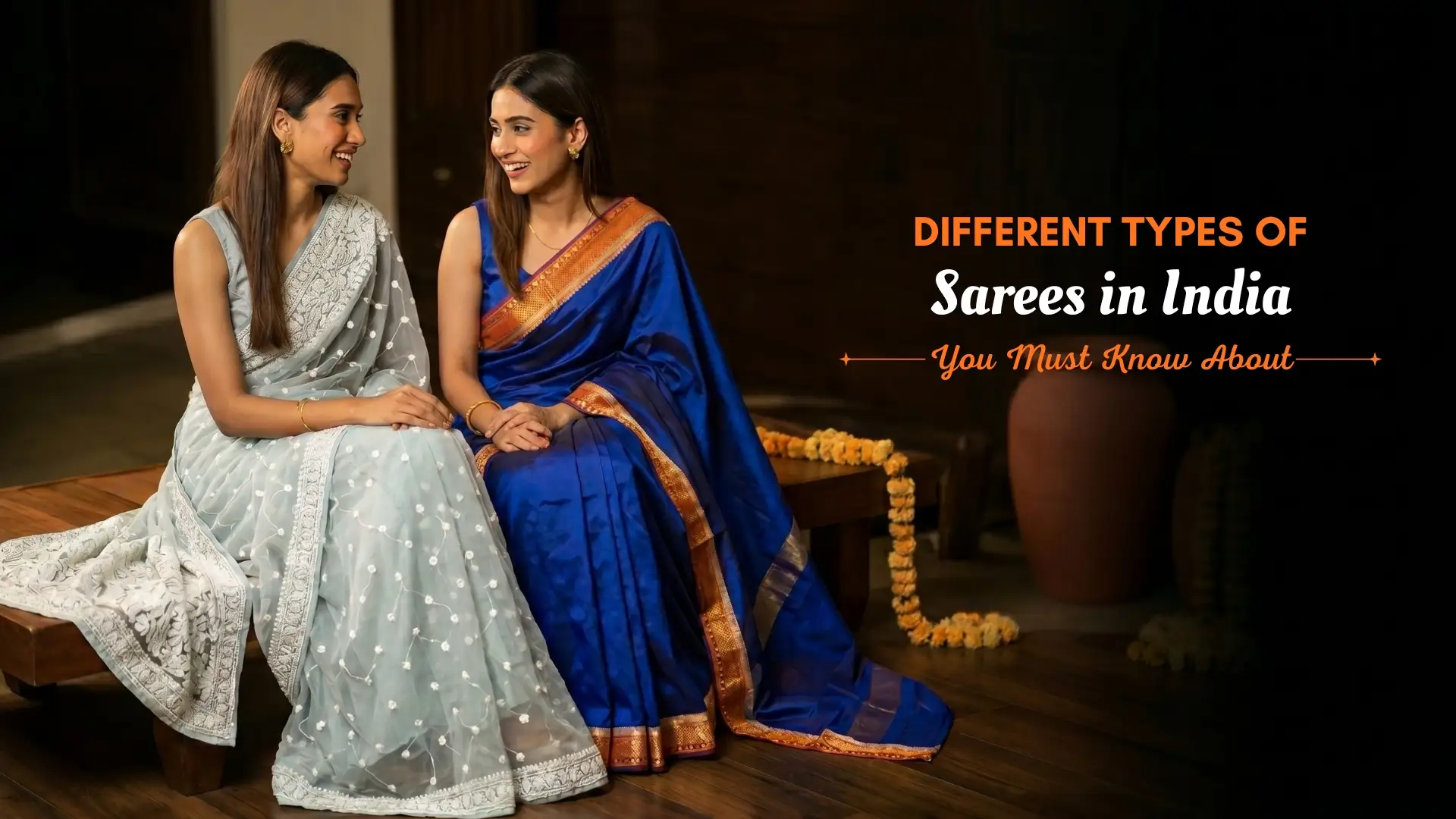
India and sarees share a relationship that goes far beyond fashion. A saree is not just something you wear it’s something you experience. It reflects where you come from, what you celebrate, and how traditions quietly live on in everyday life. What makes this even more fascinating is the incredible variety across the country. There are so many different types of sarees that each one feels like a story waiting to be told.
If you’ve ever browsed options to buy sarees online India, you’ve probably noticed how overwhelming the choices can be. Silk, cotton, handloom, printed, embroidered the list goes on. But once you start understanding the different types of sarees, it becomes easier to appreciate what makes each one special and where it fits into your wardrobe.
Let’s take a deeper, more relaxed look at some of the most loved sarees in India and why they continue to hold such an important place in our lives.
Why Knowing Different Types of Sarees Actually Matters
At first, all sarees might seem similar. But the more you explore, the more you realize how different they truly are. Each region in India has developed its own weaving techniques, patterns, and fabrics based on climate, culture, and lifestyle.
What Understanding Different Types of Sarees Helps You Do
Understanding different types of sarees helps you:
- Pick the right saree for different occasions
- Understand fabric and comfort levels
- Appreciate traditional craftsmanship
- Make better decisions while shopping
It also helps you avoid buying something that looks beautiful online but doesn’t suit your needs in real life.
Banarasi Saree – The Definition of Royal Elegance Among Different Types of Sarees
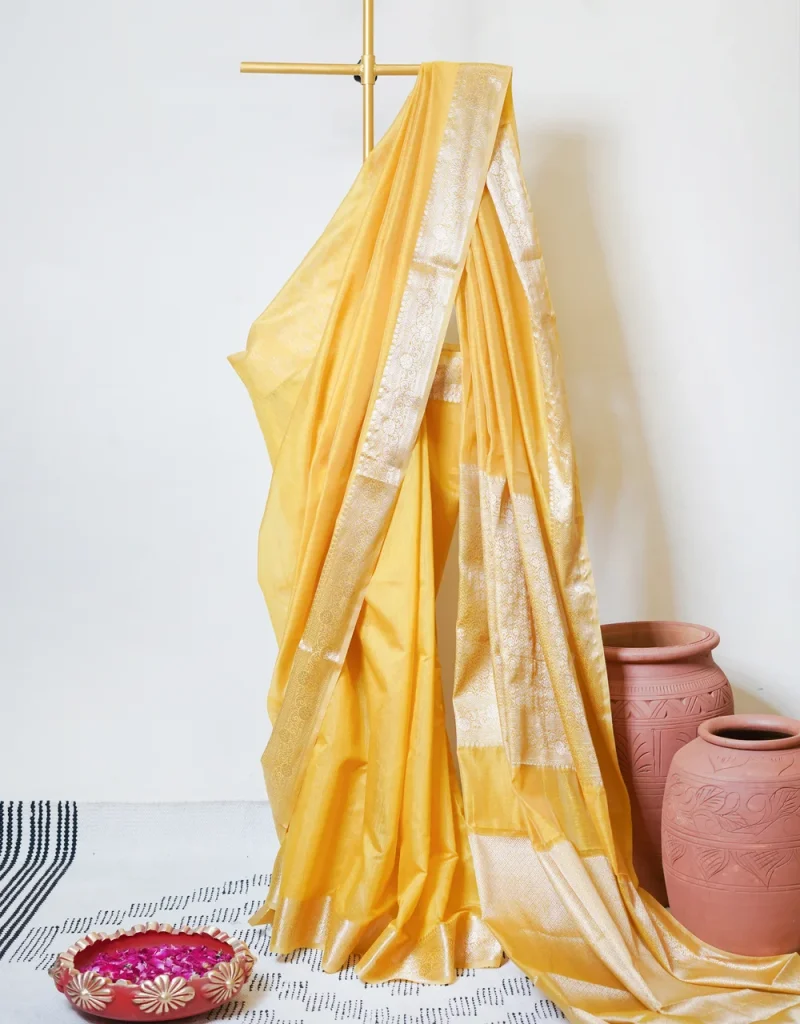
Let’s start with one of the most iconic sarees Banarasi. Originating from Varanasi, this saree is known for its luxurious silk fabric and detailed zari work.
Among all the different types of sarees, Banarasi holds a special place because of its association with weddings and grand celebrations. The intricate designs often feature floral patterns, paisleys, and Mughal-inspired motifs.
Why Banarasi Never Goes Out of Style
Owning a Banarasi saree is often seen as owning a piece of heritage. It’s the kind of saree that never goes out of style.
Styling Tip: How to Wear Banarasi the Right Way
Pair a Banarasi with a contrasting silk blouse in a jewel tone deep green with a red saree, or royal blue with a gold one. Keep your jewelry heavy and traditional: a choker, jhumkas, and a maang tikka work beautifully. Pin the pallu at the shoulder with a decorative brooch so the zari work stays fully visible. Avoid heavily embellished dupattas or stoles the Banarasi itself is the statement.
Designer Inspiration: Sabyasachi Mukherjee is one of India’s most celebrated designers known for reviving and reimagining Banarasi and other heritage weaves. His collections are a masterclass in how to style different types of sarees with authenticity and grandeur.
Kanjeevaram Saree – Strong, Vibrant, and Timeless Among Different Types of Sarees
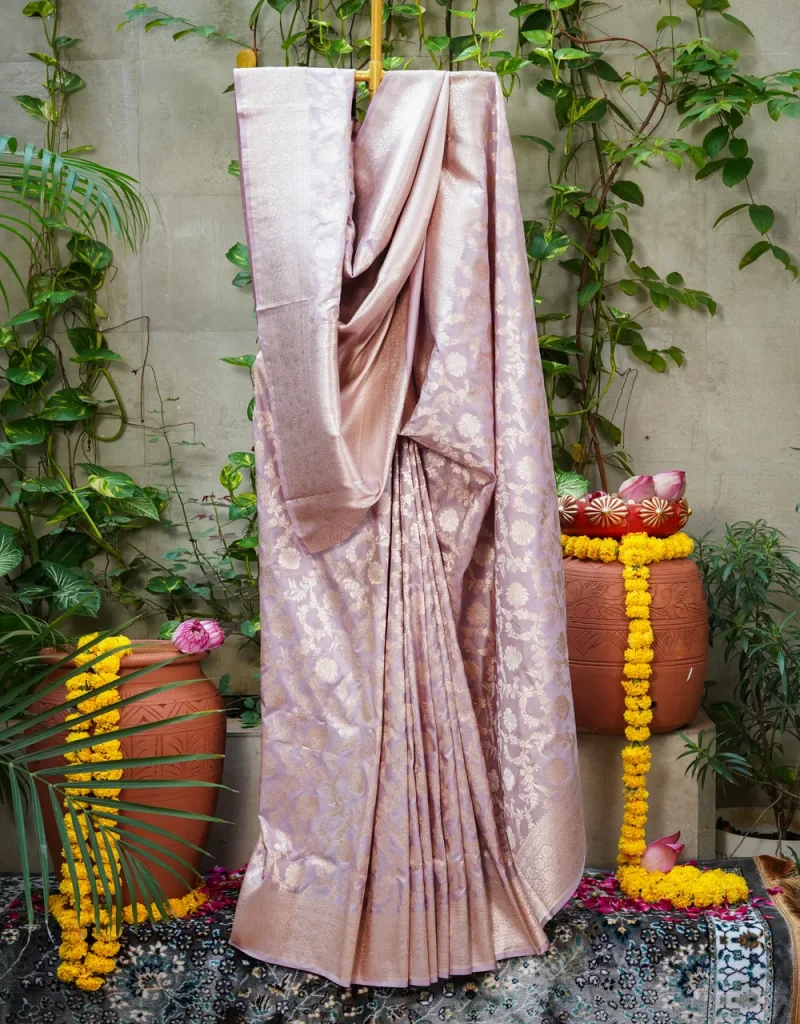
Kanjeevaram sarees from Tamil Nadu are known for their bold colors and durable silk. These sarees are heavier compared to others, but they offer a structured and rich look.
What Sets Kanjeevaram Apart Among Different Types of Sarees
What sets them apart among different types of sarees is their contrasting borders and traditional motifs inspired by temples and nature. They are especially popular for bridal wear and festive occasions.
Styling Tip: Getting the Most Out of a Kanjeevaram
Because Kanjeevaram sarees are heavier, balance is key. Choose a well-fitted, structured blouse a boat neck or square neck in the same fabric works elegantly. Keep your hair up in a classic bun adorned with fresh jasmine flowers or a gold hair accessory. Temple jewelry long gold necklaces, thick bangles, and large ear studs complements the traditional motifs perfectly. Avoid modern or fusion accessories as they can clash with the saree’s classical character.
Chanderi Saree – Subtle and Graceful Among Different Types of Sarees
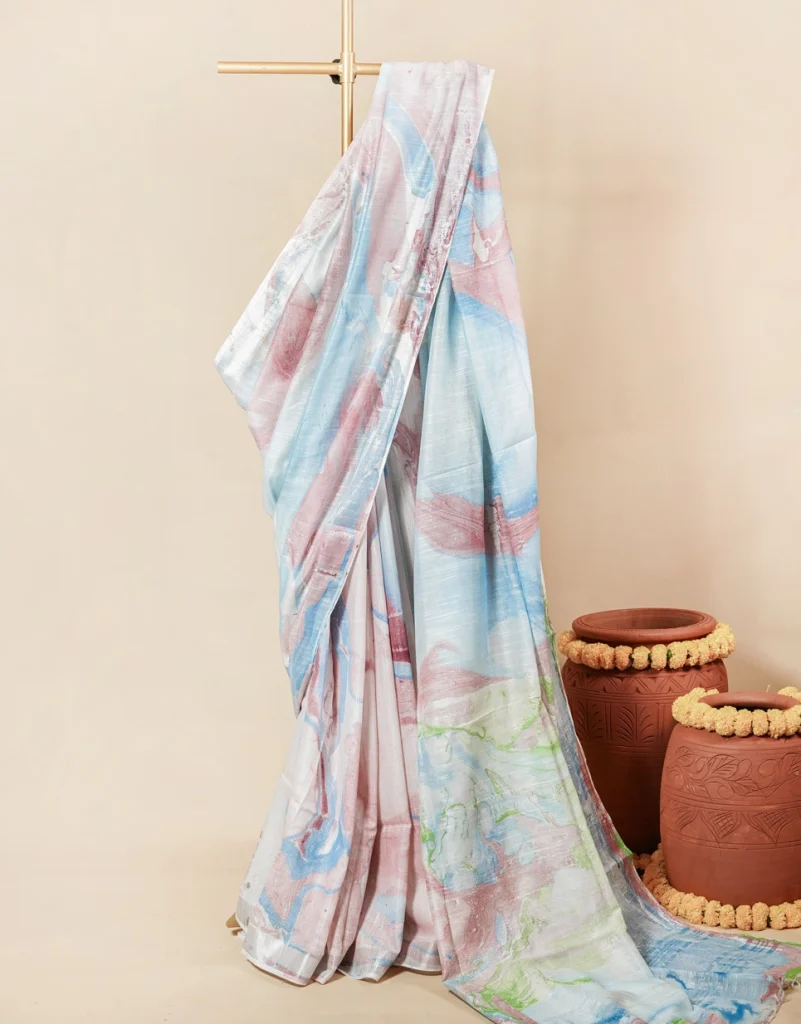
Chanderi sarees are perfect for those who prefer something light yet elegant. Made in Madhya Pradesh, these sarees are known for their sheer texture and soft shine.
When to Choose Chanderi from the Different Types of Sarees
Among the different types of sarees, Chanderi is ideal for daytime functions or occasions where you want to keep things simple yet refined.
Styling Tip: Keep It Soft and Understated
Chanderi’s delicate texture calls for equally delicate styling. Pair it with a silk or satin blouse in a tone-on-tone shade. Choose lightweight silver or polki jewelry instead of heavy gold sets. A loose, low bun with minimal hair accessories keeps the look fresh and effortless. Since the fabric is sheer, make sure your petticoat and blouse are well-fitted any mismatch in inner layers shows through easily.
Bandhani Saree – A Burst of Color in the World of Different Types of Sarees
Bandhani sarees come from Gujarat and Rajasthan and are famous for their tie-dye technique. These sarees are bright, lively, and full of personality.
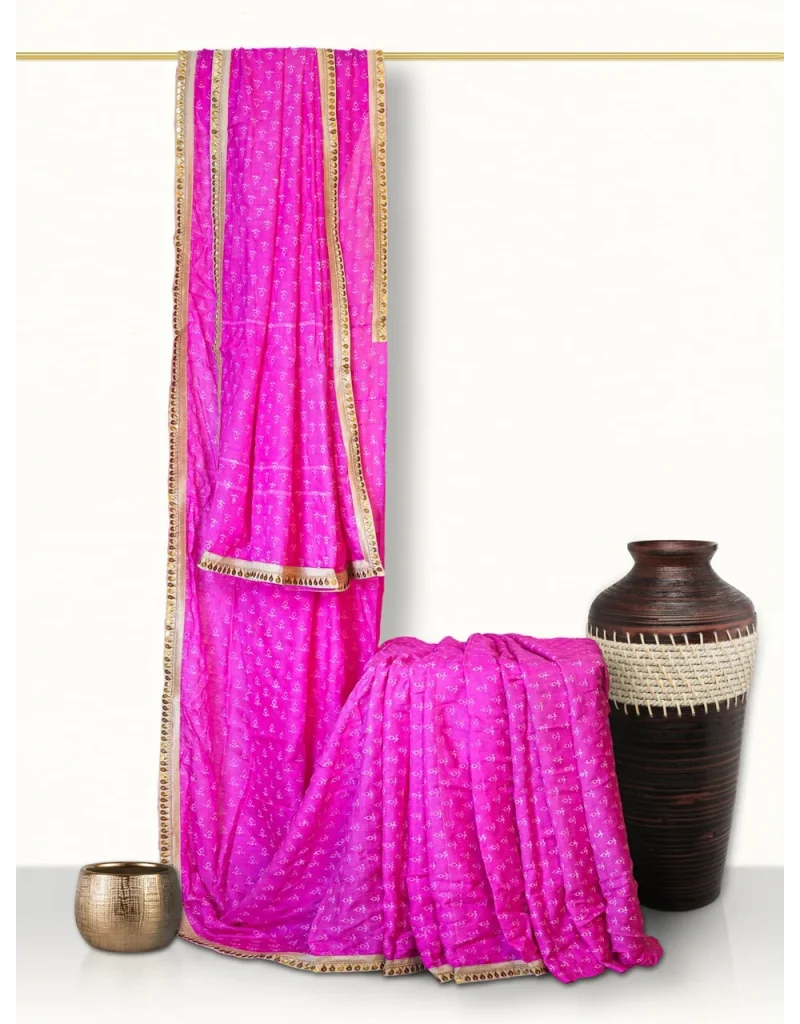
How Bandhani Represents Regional Traditions Among Different Types of Sarees
They beautifully represent how different types of sarees reflect regional traditions. Bandhani is especially popular during festivals and celebrations.
Styling Tip: Let the Colors Lead
With Bandhani, your saree does all the talking. Keep your blouse simple a plain blouse in one of the colors within the tie-dye pattern works best. Opt for traditional Rajasthani or Gujarati jewelry: oxidized silver pieces, tribal-inspired earrings, or colorful lac bangles that echo the vibrancy of the saree. A middle parting with a simple braid or a low bun keeps the look authentic and grounded.
Tant Saree – Perfect for Everyday Wear Among Different Types of Sarees
Tant sarees from West Bengal are designed for comfort. They are lightweight, breathable, and easy to manage.
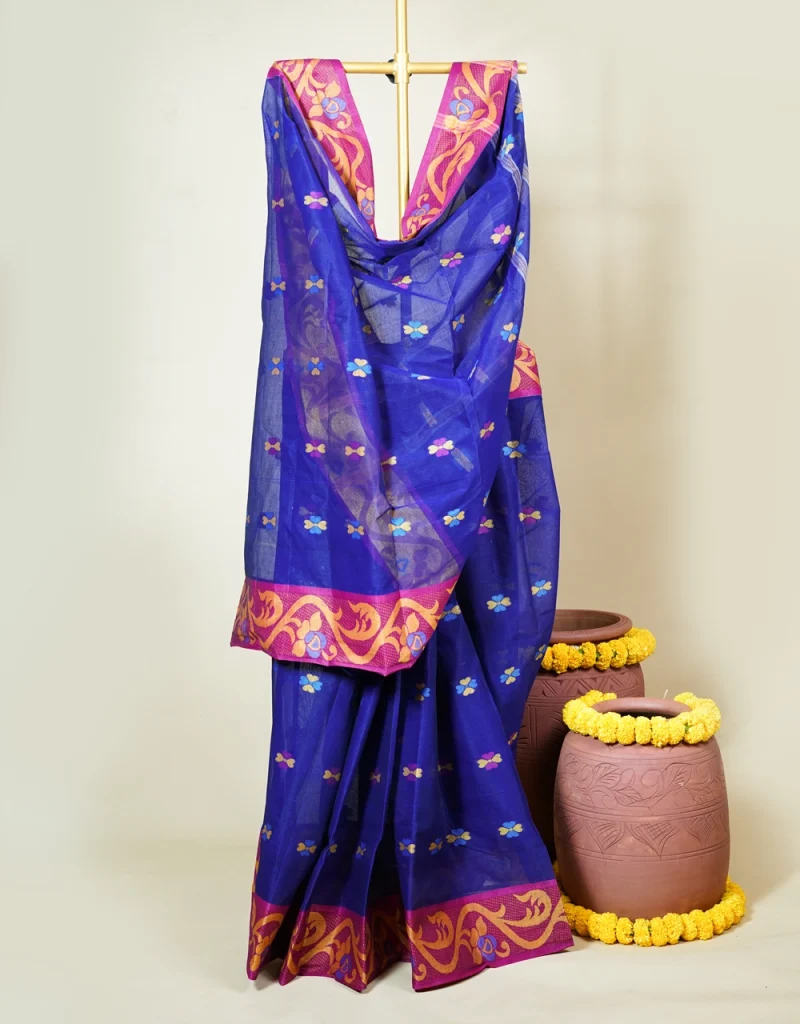
Why Tant Is One of the Most Practical Different Types of Sarees
If you’re looking for something practical, a cotton silk saree inspired by Tant styles works wonderfully. Among the different types of sarees, this one is ideal for daily wear and warm climates.
Styling Tip: Keep Everyday Styling Relaxed and Real
For everyday wear, drape your Tant or cotton saree in the Bengali style the front pleats folded neatly and the pallu draped over the left shoulder. A simple cotton blouse in white or a light contrast color keeps it clean. Minimal accessories small gold studs, a thin bangle, and a bindi complete the look without overdoing it. Iron your saree lightly beforehand as cotton tends to crease.
Patola Saree – Detailed and Luxurious Among Different Types of Sarees
Patola sarees are known for their complex weaving technique, where both the warp and weft threads are dyed before weaving. This makes them one of the most intricate different types of sarees.
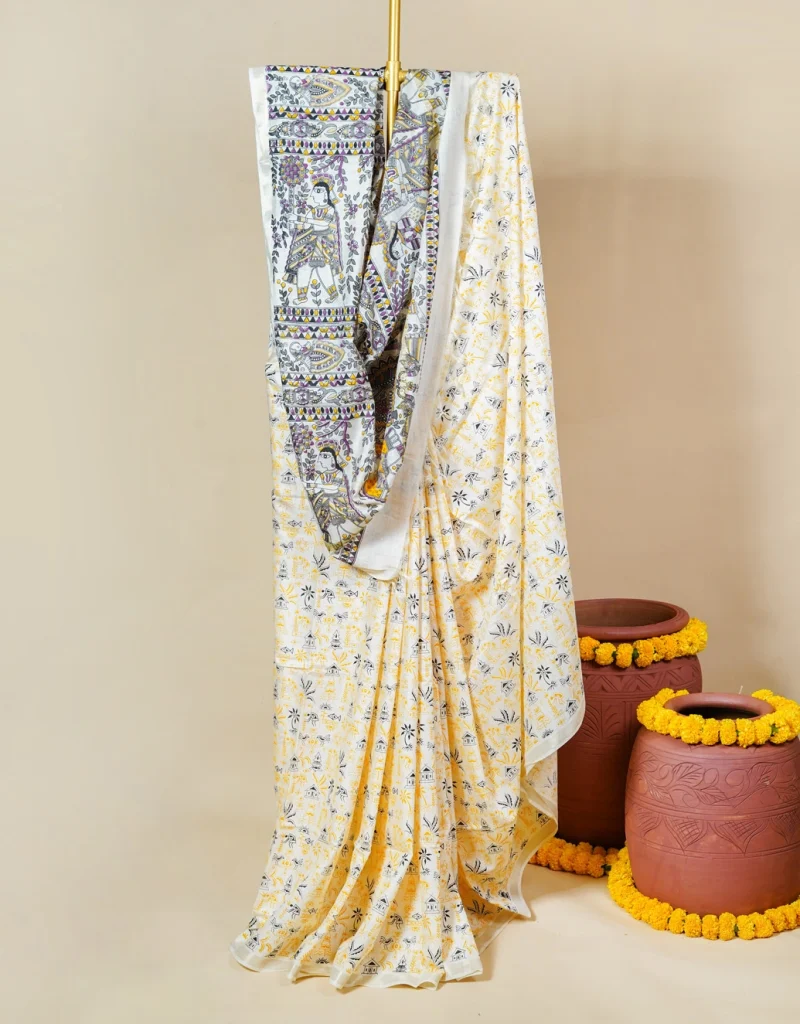
What Makes Patola One of the Most Prized Different Types of Sarees
They are often seen as luxury pieces and are usually worn on special occasions.
Styling Tip: Honor the Craft with Simple Styling
Because Patola sarees are so visually rich, keep everything else minimal. A plain blouse in one dominant color from the saree’s palette is ideal. Choose gold jewelry that is elegant but not too heavy a simple pendant necklace, stud earrings, and a thin kada. Let the weave speak for itself. Over-accessorizing a Patola is one of the most common styling mistakes.
Brand Reference: Ekaya Banaras is a premium brand celebrated for its handwoven silk sarees including Patola-inspired and Banarasi weaves. A wonderful destination to explore different types of sarees rooted in authentic Indian craftsmanship.
Georgette Saree – Light and Easy to Carry Among Different Types of Sarees
Georgette sarees are a favorite for many because they are lightweight and easy to drape. They flow beautifully and require minimal effort to maintain.
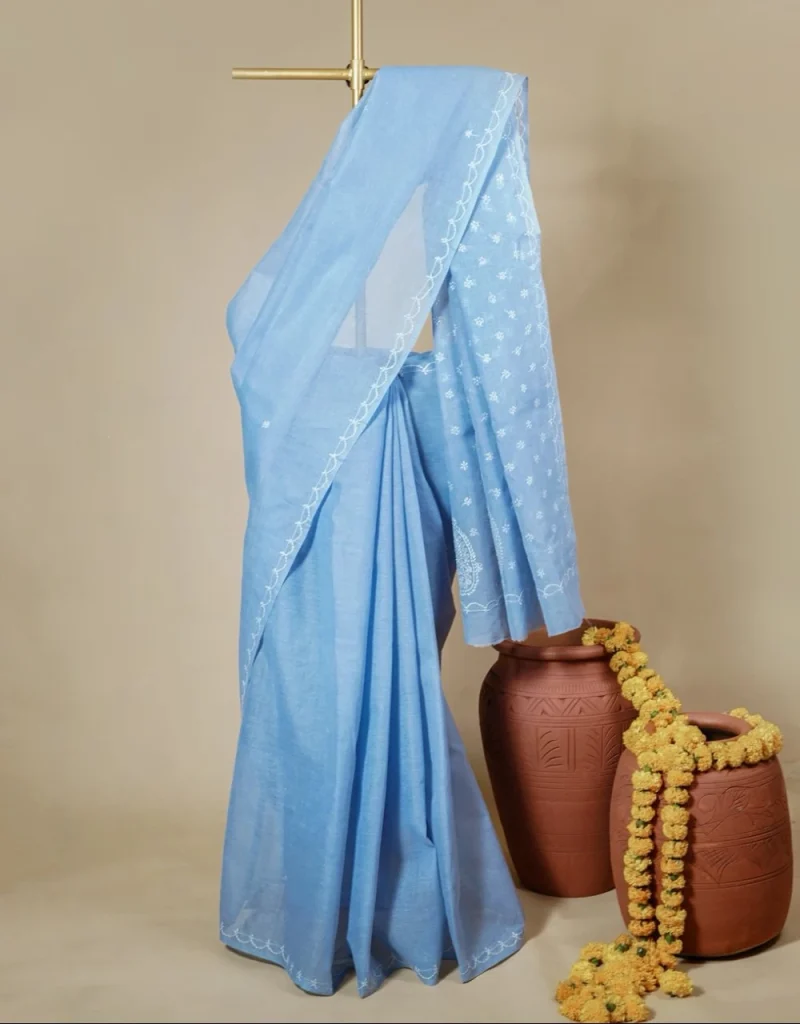
Why Georgette Is One of the Most Versatile Different Types of Sarees
If you’re planning to buy georgette sarees, you’ll find options that blend traditional designs with modern patterns. Among the different types of sarees, georgette is one of the most versatile choices.
Styling Tip: Play With Modern and Traditional Fusion
Georgette sarees lend themselves beautifully to fusion styling. Try pairing a printed georgette saree with a structured blazer-style blouse for a modern office look, or go traditional with a heavily embroidered blouse for an evening function. Since the fabric flows easily, a pre-stitched or pre-draped georgette saree is a great option for beginners who are still learning different types of sarees and their draping styles.
Linen Saree – Understated and Stylish Among Different Types of Sarees
Linen sarees have become increasingly popular for their minimal and clean look. A linen blend saree offers a structured appearance while remaining comfortable.
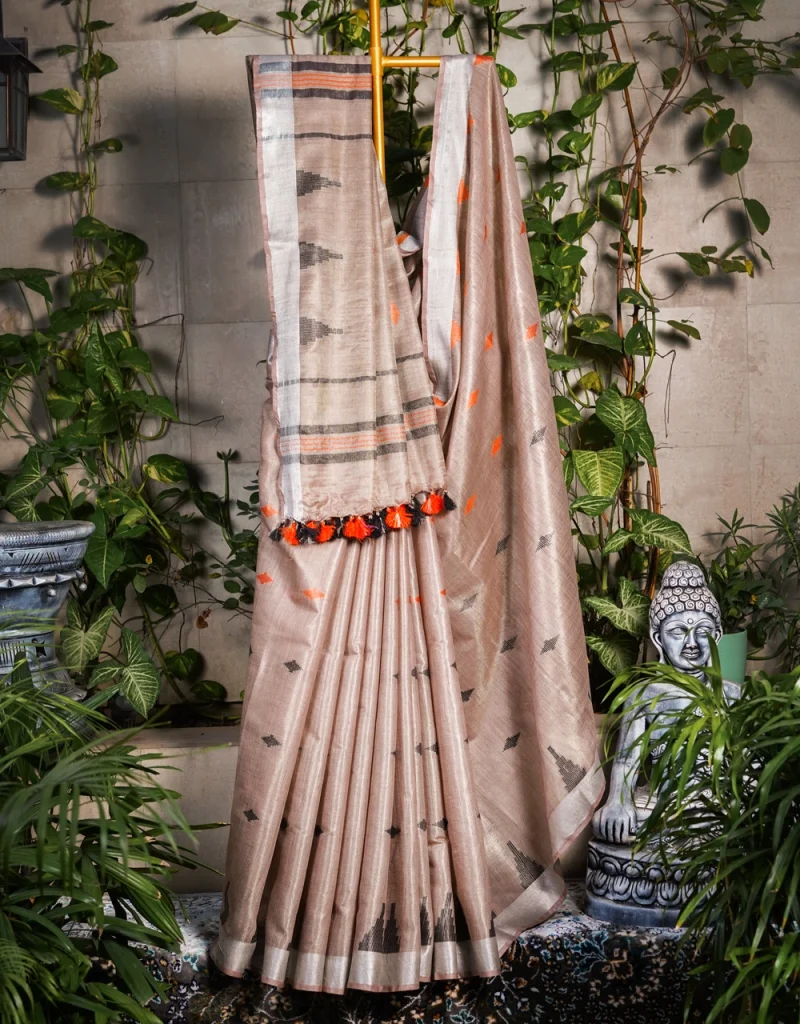
Why Linen Belongs in Every Wardrobe of Different Types of Sarees
If you want something that works for both casual and formal settings, you can consider exploring options to buy linen saree. Among the different types of sarees, linen fits perfectly into modern wardrobes.
Styling Tip: Style Linen for a Smart, Contemporary Look
Linen sarees work especially well for professional or semi-formal settings. Pair yours with a well-tailored blouse in a complementary solid color ivory, olive, or slate grey work beautifully. Minimal accessories are key: a delicate chain, small earrings, and a structured clutch. Pull your hair back in a neat bun or a low ponytail. Avoid heavy embroidery or loud prints in the blouse as they undermine linen’s signature clean aesthetic.
Khadi Saree – Simple Yet Meaningful Among Different Types of Sarees
Khadi sarees carry a sense of history and authenticity. They are handwoven and have a raw, natural texture that makes them stand out.
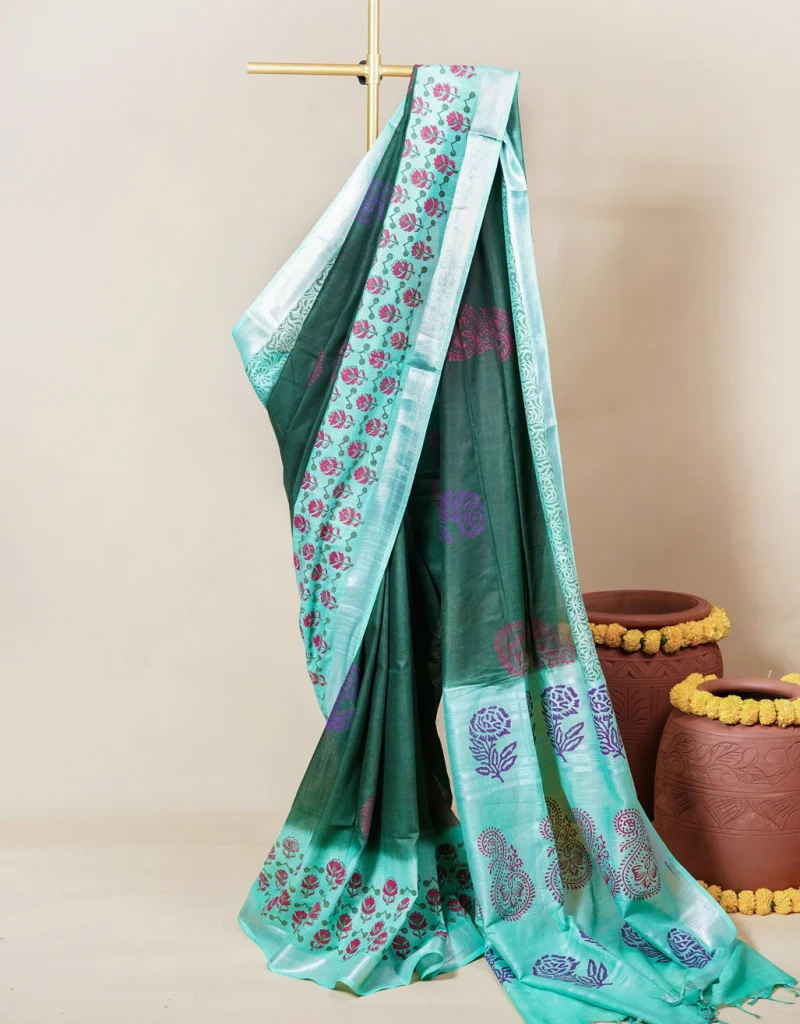
Why Khadi Is One of the Most Rooted Different Types of Sarees
When you buy khadi saree online, you’re supporting traditional artisans and sustainable fashion. Among the different types of sarees, khadi is deeply rooted in Indian heritage.
Styling Tip: Embrace the Natural and Earthy Aesthetic
Khadi’s raw texture pairs well with natural, earthy tones. Style it with a handblock-printed or plain cotton blouse. Choose accessories in terracotta, wood, or oxidized metal they complement the organic feel of the fabric. Keeping your overall look natural and unfussy honors the spirit of khadi. Avoid synthetic accessories or heavily embellished blouses they clash with khadi’s honest, hand-crafted soul.
Tissue Silk Saree – Light with a Touch of Shine Among Different Types of Sarees
Tissue silk sarees are known for their delicate shimmer and lightweight feel. They are perfect for occasions where you want to look elegant without going overboard.
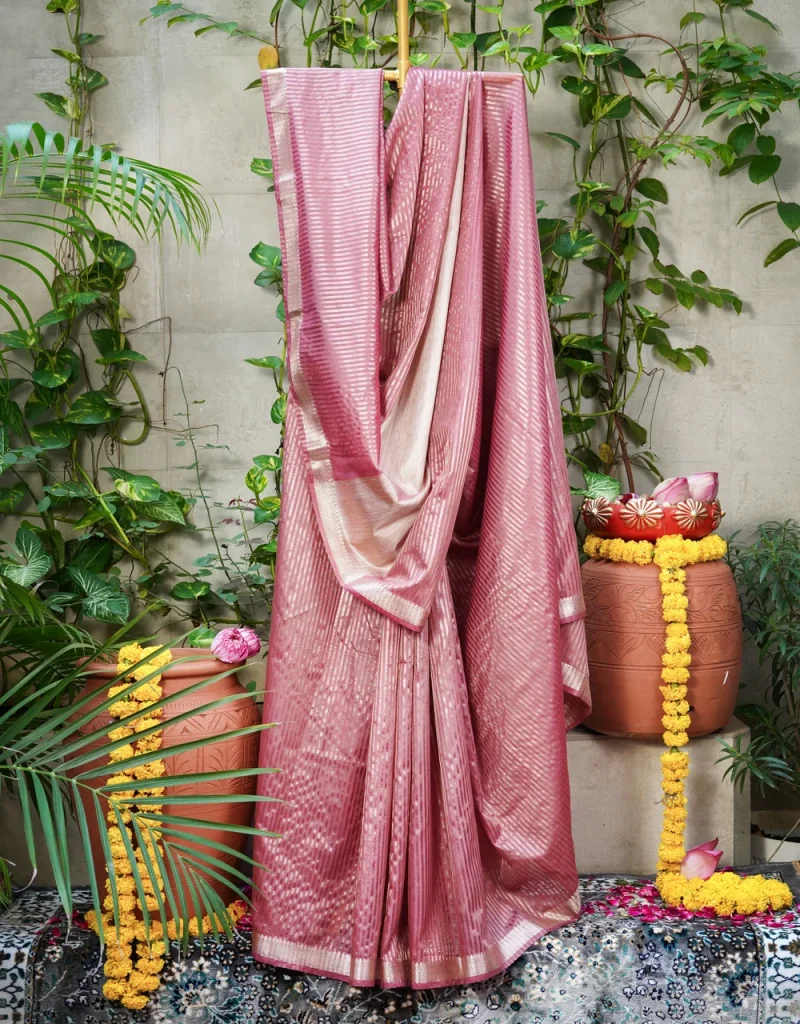
What Makes Tissue Silk Special Among Different Types of Sarees
If you’re planning to buy tissue silk saree, go for softer shades for a refined look. These are among the different types of sarees that balance glamour with simplicity.
Styling Tip: Let the Shimmer Do the Work
Because tissue silk already carries a natural glow, keep your blouse understated a plain silk or satin blouse in a matching or complementary shade. Choose jewelry that adds sparkle without overpowering: pearl drops, a simple diamond or stone pendant, and a thin gold bangle. Avoid matte or heavily embroidered blouses as they dull the shimmer that makes tissue silk so beautiful.
Kasavu Saree – Minimal Yet Beautiful Among Different Types of Sarees
Kasavu sarees from Kerala are known for their off-white base and golden borders. They are simple, elegant, and deeply traditional.
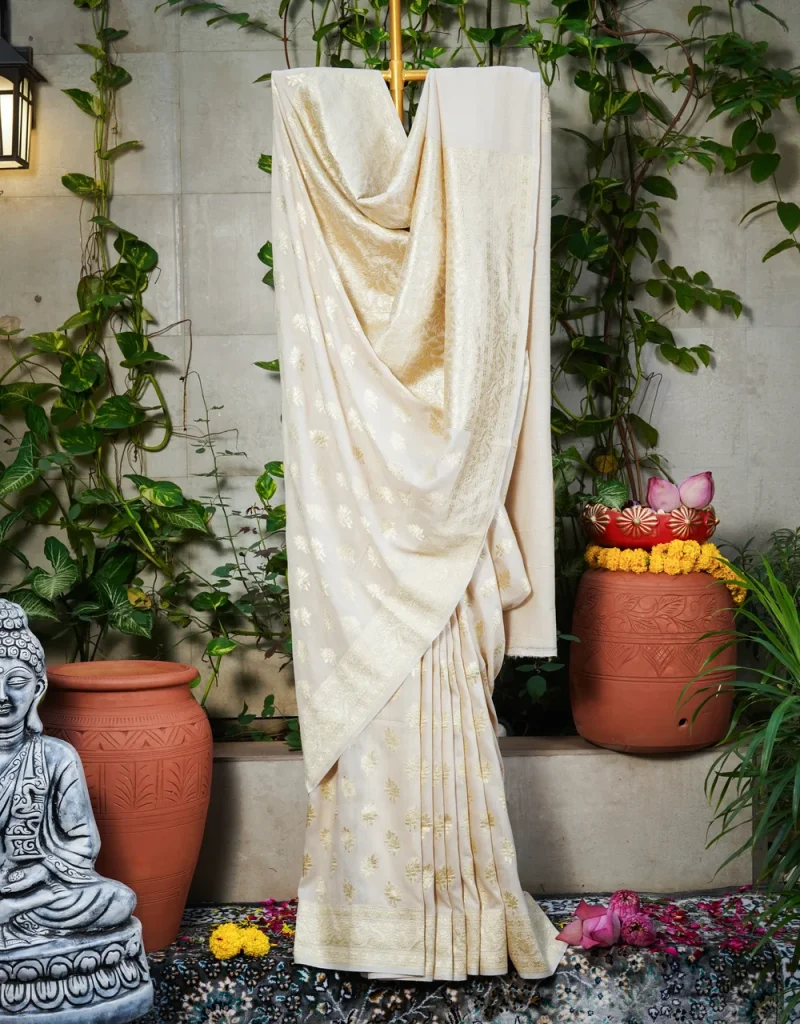
Why Kasavu Is a Standout Among Different Types of Sarees
Among the different types of sarees, Kasavu is a reminder that simplicity can be incredibly powerful.
Styling Tip: Honor Tradition with a Clean, Classic Look
Style a Kasavu with a plain white or cream blouse with a subtle gold border to match the saree’s zari. Keep jewelry minimal and traditional small gold studs, a thin gold chain, and a few gold bangles. Fresh jasmine flowers in your hair are the most authentic finishing touch. The beauty of Kasavu lies in its restraint, so resist the urge to add color or extra layers.
Paithani Saree – Rich in Color and Craft Among Different Types of Sarees
Paithani sarees from Maharashtra are known for their vibrant colors and detailed motifs, especially peacocks and floral patterns.
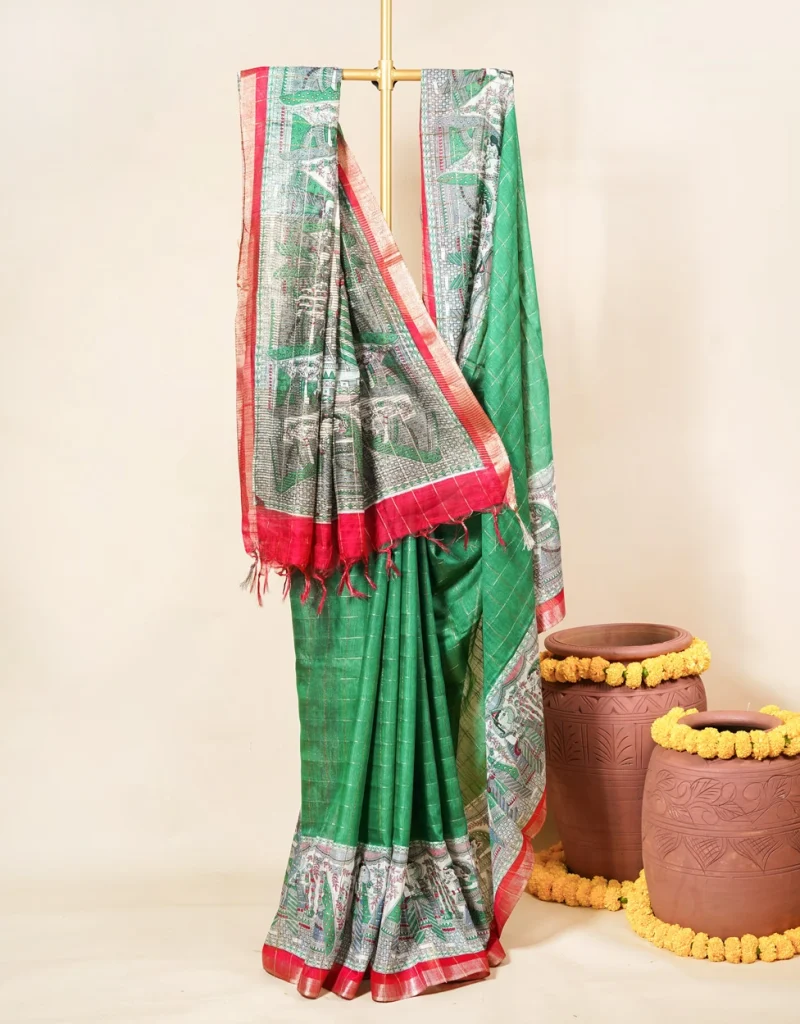
Why Paithani Is Among the Most Treasured Different Types of Sarees
They are often passed down through generations, making them one of the most treasured different types of sarees.
Styling Tip: Style Paithani Like the Heirloom It Is
Pair a Paithani with a plain silk blouse in one of the colors from the saree’s border. Traditional Maharashtrian jewelry works beautifully here: a thushi necklace, nath, and green glass bangles for an authentic look. Style your hair in a traditional bun adorned with a gajra. Because Paithani is often passed down as an heirloom, styling it traditionally honors both the craft and the sentiment behind it.
Nauvari Saree – A Unique Draping Style Among Different Types of Sarees
The Nauvari saree is quite different from the usual draping styles. It is worn like a dhoti, allowing greater movement and flexibility.
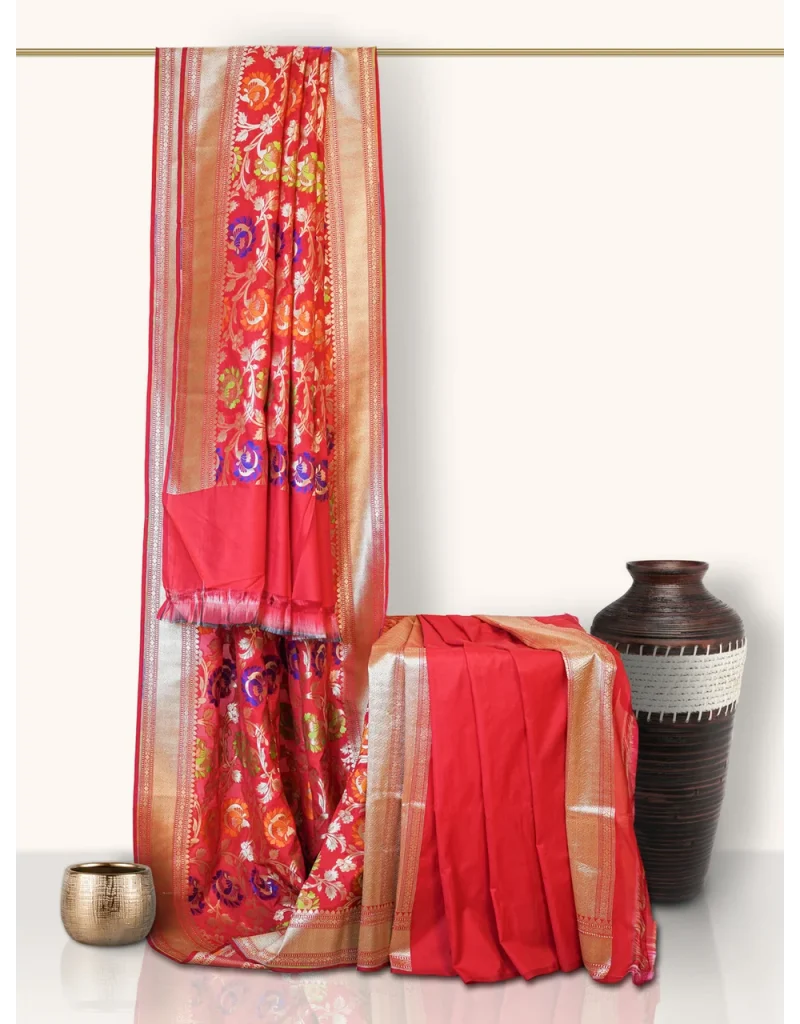
How Nauvari Stands Out Among Different Types of Sarees
Among the different types of sarees, Nauvari stands out for its practicality and cultural significance.
Styling Tip: Keep the Look Bold and Traditional
The Nauvari drape commands a confident, strong look. Style it with a fitted blouse with short sleeves or a traditional choli. Bold Maharashtrian jewelry a mohan mala, large jhumkas, and a nath complete the look powerfully. Wear your hair in a high bun or a braid adorned with flowers. Since the draping style already makes a strong statement, let your jewelry and blouse match its energy with equal boldness.
Brand Reference: FabIndia is a trusted destination for handcrafted Indian textiles across many regions a reliable starting point when exploring different types of sarees with a focus on traditional craftsmanship and sustainable sourcing.
How to Choose the Right Saree for Your Needs
With so many different types of sarees, choosing the right one can feel confusing. But it becomes easier when you focus on a few key points:
Key Factors When Choosing Among Different Types of Sarees
- Occasion: Weddings, festivals, or daily wear
- Fabric: Comfort is just as important as style
- Design: Choose something that reflects your personality
When you explore options to buy silk saree or any other variety online, these factors can help you make smarter choices.
Styling Tip: Create a Mood Board Before You Shop for Different Types of Sarees
Before purchasing any of the different types of sarees, put together a simple mood board a few reference images of the look you want to achieve, including the occasion, jewelry style, and blouse preference. This helps you visualize the complete look rather than just falling for a beautiful fabric in isolation. Many women end up with stunning sarees that sit unused because they never planned the full styling story around them.
Building Your Own Collection of Different Types of Sarees
You don’t need to own every type of saree. A small, thoughtful collection can go a long way.
Where to Start When Collecting Different Types of Sarees
Start with:
- A comfortable everyday saree
- A festive saree for celebrations
- A classic saree for special occasions
As you explore more different types of sarees, you can slowly add pieces that match your lifestyle and preferences.
Styling Tip: Invest in Versatile Blouses Across Different Types of Sarees
One of the smartest moves when building a collection of different types of sarees is investing in well-made, versatile blouses. A good contrast blouse in a rich color like emerald, burgundy, or midnight blue can be paired across multiple saree types. Similarly, a plain silk blouse in ivory or gold works as a neutral across festive sarees. This means you need fewer sarees to create more complete, polished looks.
You can also explore options like a buy tussar silk saree to add a textured, mid-range festive piece that bridges everyday and celebratory occasions beautifully.
Explore Our Saree Collection
Common Mistakes to Avoid When Exploring Different Types of Sarees
Even with so many options, it’s easy to make small mistakes when choosing sarees:
Mistakes That Undermine the Beauty of Different Types of Sarees
- Prioritizing looks over comfort
- Ignoring fabric quality
- Buying without checking details online
Understanding different types of sarees helps you avoid these mistakes and make better decisions.
Styling Tip: Always Do a Full Trial Before the Actual Occasion
Never wear a new saree especially one of the more structured or heavier different types of sarees for the first time on an actual occasion. Do a full trial at home: drape it completely, wear your heels, put on your jewelry, and check the fall, the pallu, and your overall comfort while sitting, standing, and walking. Small issues like an uneven hemline or a blouse that gaps at the back are best fixed before the event, not during it.
The Cultural Importance of Different Types of Sarees
Sarees are more than just garments they’re a part of India’s identity. Each weave, pattern, and fabric tells a story about the region it comes from.
Why Different Types of Sarees Matter Beyond Fashion
When you explore different types of sarees, you’re not just exploring fashion you’re discovering history, art, and tradition.
Styling Tip: Wear Your Saree with Regional Context in Mind
Every saree carries cultural weight, and styling it with that context in mind makes the look feel more intentional and respectful. If you’re wearing a Kanjeevaram at a South Indian wedding, traditional temple jewelry and a classic drape are appropriate. If you’re wearing a Bandhani at a Garba night, colorful accessories and a traditional Gujarati drape fit the occasion. Understanding the origin of your saree and where it sits among the different types of sarees helps you style it with the authenticity it deserves.
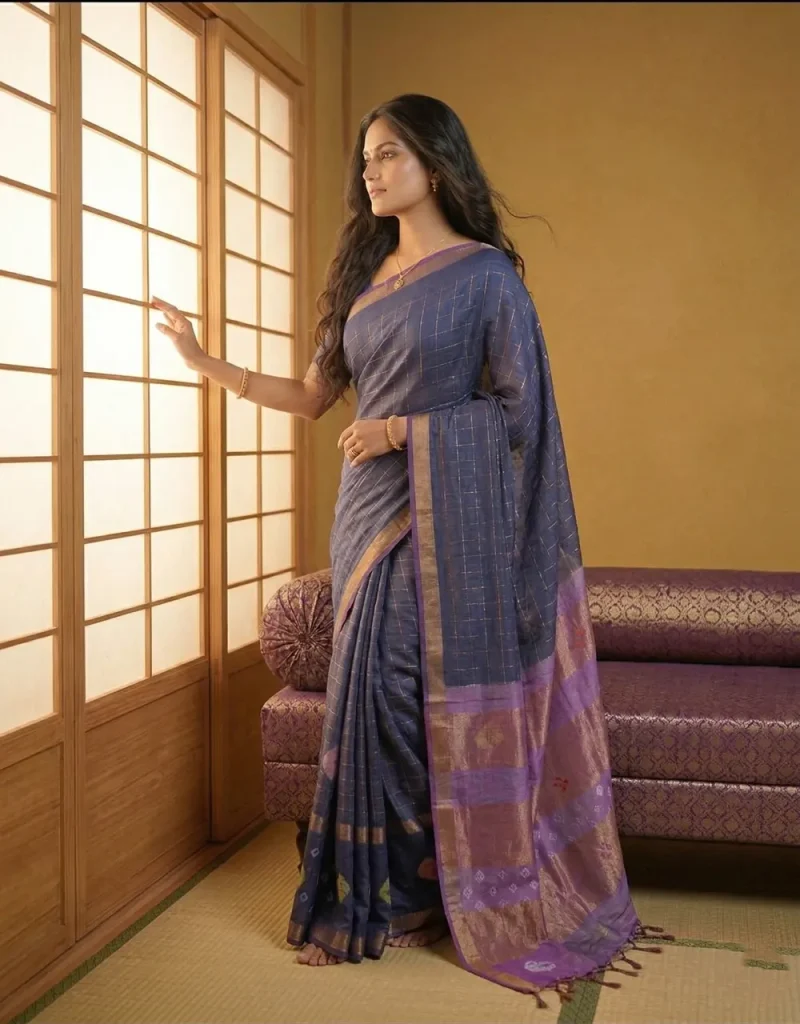
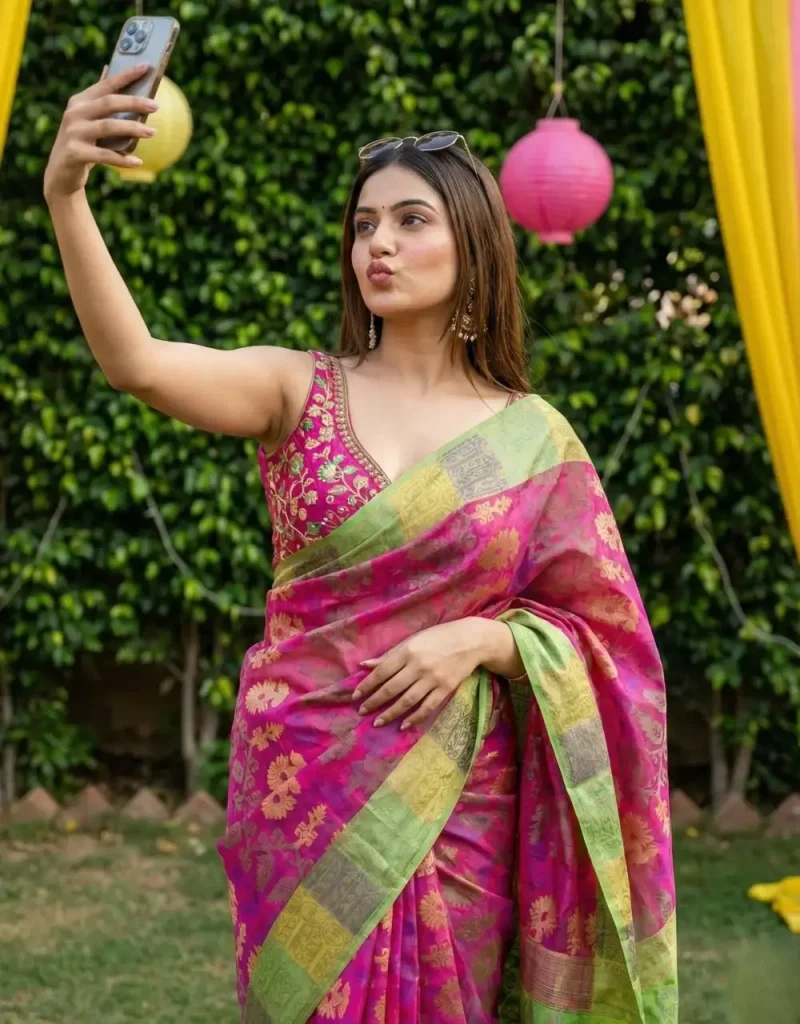
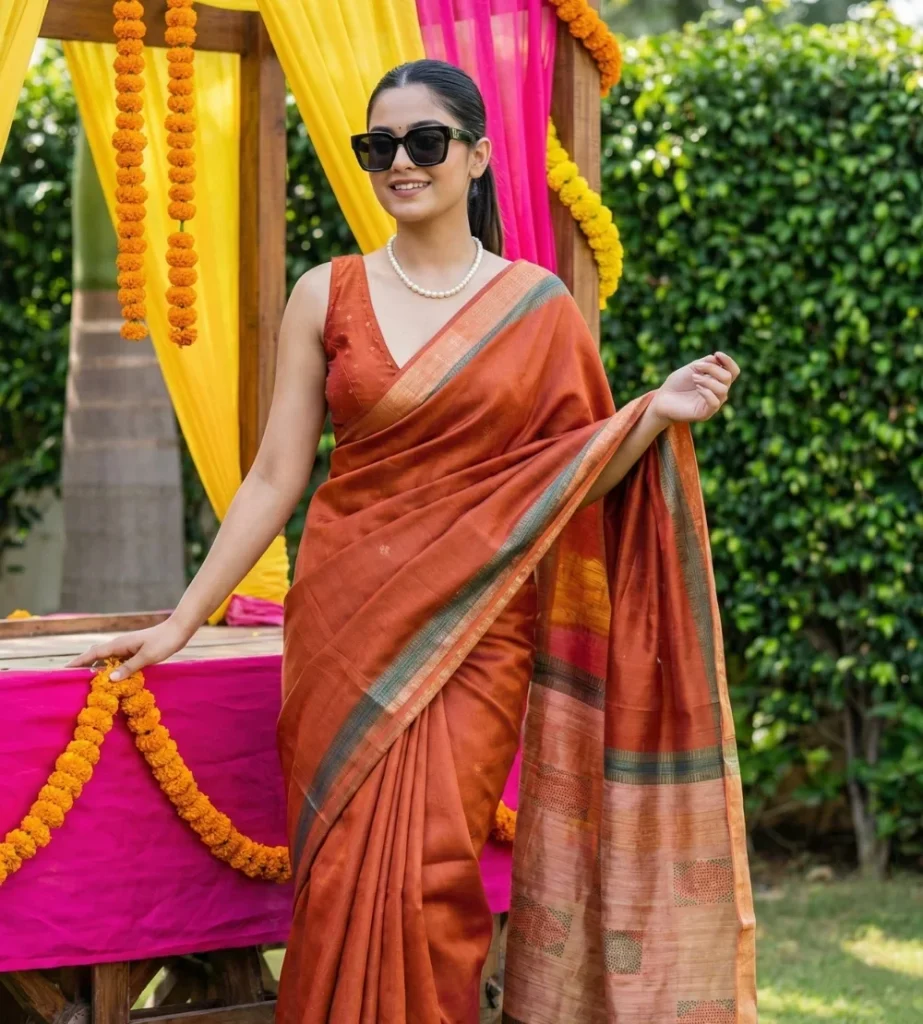
Final Thoughts on Different Types of Sarees
The beauty of sarees lies in their diversity. No two sarees are exactly the same, and that’s what makes them so special. From rich silks to simple cottons, from bold patterns to subtle designs, there’s something for everyone.
Exploring different types of sarees is a journey. It’s about finding what resonates with you, what feels comfortable, and what makes you feel confident.
So take your time, experiment a little, and enjoy the process. Because once you truly start appreciating the different types of sarees, you’ll realize it’s not just about what you wear it’s about how it connects you to something much bigger.
FAQs
Why are there so many different types of sarees in India?
India’s diversity in culture, climate, and traditions has led to the creation of many different types of sarees. Each region developed its own weaving styles, fabrics, and patterns based on local needs and customs. For example, lighter sarees are common in warmer areas, while richer silks are used for celebrations. This variety reflects India’s heritage, making sarees more than just clothing they represent identity, craftsmanship, and centuries-old traditions passed down through generations.
Which different types of sarees are best for daily wear?
For daily wear, lightweight and breathable fabrics work best. Among the different types of sarees, cotton, linen, and simple georgette sarees are ideal because they are comfortable and easy to manage. They allow free movement and don’t feel heavy during long hours. Choosing subtle designs and soft colors also helps maintain a practical yet elegant look. These sarees are perfect for work, casual outings, or everyday use without compromising on comfort or style.
How do I choose the right saree from different types of sarees?
Choosing from the many different types of sarees depends on a few key factors—occasion, fabric, and personal style. For weddings, go for silk or richly designed sarees. For casual or office wear, pick lighter fabrics like cotton or linen. Always consider comfort along with appearance. It’s also helpful to understand basic fabric qualities and draping styles. When you balance practicality with aesthetics, selecting the right saree becomes much easier and more enjoyable.
Are traditional sarees still relevant among modern different types of sarees?
Yes, traditional styles remain highly relevant among modern different types of sarees. In fact, many contemporary designs are inspired by classic weaves like Banarasi, Kanjeevaram, and Bandhani. Designers often blend traditional techniques with modern patterns to create versatile options. This keeps sarees fresh while preserving their cultural essence. Whether for festivals, weddings, or even office wear, traditional sarees continue to hold their place, proving that timeless fashion never truly goes out of style.
Leave a Reply