Category: Uncategorized

  • Traditional South Indian Wedding Saree Styles & Draping Guide

    Traditional South Indian Wedding Saree Styles & Draping Guide

    A South Indian wedding is not merely a ceremony it is a layered celebration of rituals, music, emotions, and generations of tradition. At the very heart of this celebration stands something truly iconic: the south indian wedding saree.

    More than bridal wear, this timeless garment represents identity, cultural heritage, and emotional continuity that no modern trend has managed to replace. Even in 2026, when bridal fashion includes gowns, fusion silhouettes, and Indo-western experiments, the south indian wedding saree continues to hold its ground as the most meaningful choice a bride can make.

    Whether planning a wedding look, attending a ceremony, or seeking to understand this enduring style, this guide covers everything from fabrics and weaving traditions to draping techniques, styling, and modern interpretations of the south indian wedding saree.

    Why the South Indian Wedding Saree Is More Than Bridal Fashion

    The south indian wedding saree has a cultural foundation that goes far deeper than aesthetics. In Tamil Nadu, Kerala, Karnataka, and Andhra Pradesh, brides traditionally wear sarees that reflect their regional identity, family customs, and ancestral pride.

    What sets a south indian wedding saree apart is its remarkable balance between simplicity and richness. There is no need for excessive embellishment the weave, the border, and the drape itself carry all the visual impact and cultural weight.

    Another defining quality of a south indian wedding saree is its emotional value. Many families treat it as a cherished heirloom, passing it from mother to daughter across generations, making it far more than an outfit for a single occasion.

    Even as trends change rapidly in the bridal fashion industry, the south indian wedding saree remains a constant because it is rooted in tradition rather than in seasonal fashion cycles.

    The Emotional Significance Behind a South Indian Wedding Saree

    Every bride carries the memory of her wedding outfit throughout her life, and for South Indian brides, the south indian wedding saree becomes an inseparable part of that lifelong memory. It is often chosen through a meaningful process involving family, blessings from elders, and sometimes traditional rituals before the first wearing.

    This deeply personal process of selection gives the south indian wedding saree a sacred quality that distinguishes it from any other garment. It is not chosen from a catalogue alone it is chosen with purpose, emotion, and generational wisdom.

    Unlike fast fashion pieces that hold little meaning beyond the occasion, a south indian wedding saree represents prosperity, purity, and the beginning of a new chapter in a woman’s life.

    Popular Fabrics Used in a South Indian Wedding Saree

    Choosing the right fabric is the most foundational step in understanding the south indian wedding saree. The material determines not only how the saree looks but also how it drapes, how it photographs, and how comfortable it feels across long ceremonial hours.

    Silk – The Soul of a South Indian Wedding Saree

    Silk is the most iconic fabric associated with a south indian wedding saree, prized for its rich structure, natural sheen, and ability to hold pleats with precision. It creates a royal silhouette that defines the bridal look at traditional ceremonies. Women looking to buy silk saree styles for weddings will find silk to be the most enduring and prestigious choice available.

    Cotton Silk – Comfort for Pre-Wedding Rituals

    A cotton silk saree offers the perfect balance between comfort and elegance, making it a popular choice for pre-wedding rituals and daytime ceremonies where ease of movement matters. It is lighter than pure silk and considerably more manageable across several hours of wear.

    Tissue Silk – Luminous Elegance for Receptions

    Tissue silk carries a fine, semi-transparent quality with a metallic shimmer that makes it an exceptional choice for reception evenings and formal functions. Those who wish to buy tissue silk saree styles will appreciate how this fabric holds structure while delivering an unmistakable luminosity that photographs beautifully under event lighting.

    Tussar Silk – Earthy Sophistication

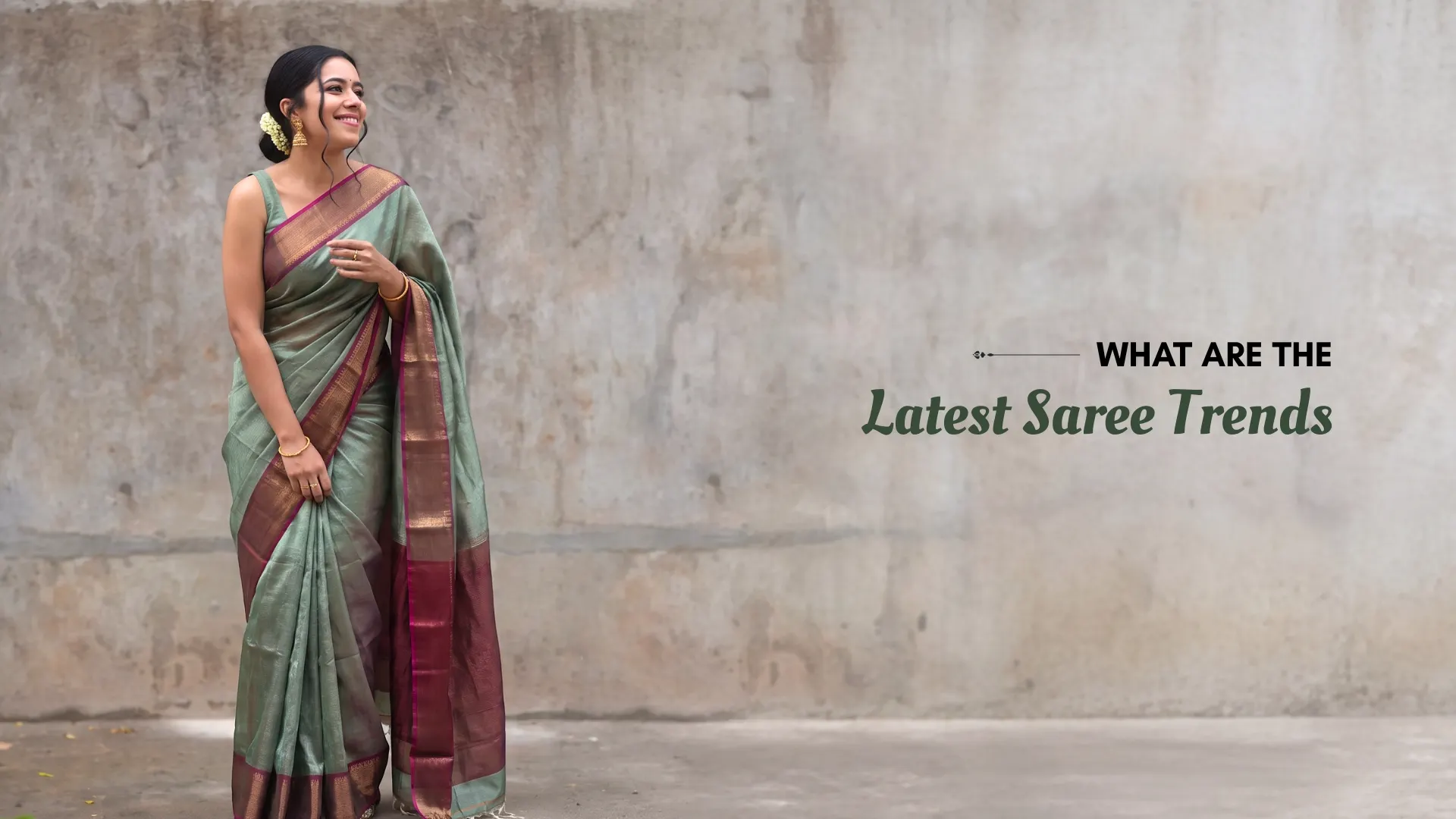
    Tussar silk brings a natural, raw texture with a muted sheen that suits brides who prefer a more grounded, organic aesthetic in their south indian wedding saree. Women who choose to buy tussar silk saree styles are drawn to its quiet richness and the dignified manner in which it drapes at traditional ceremonies.

    Linen and Linen Blend – Modern Minimalism

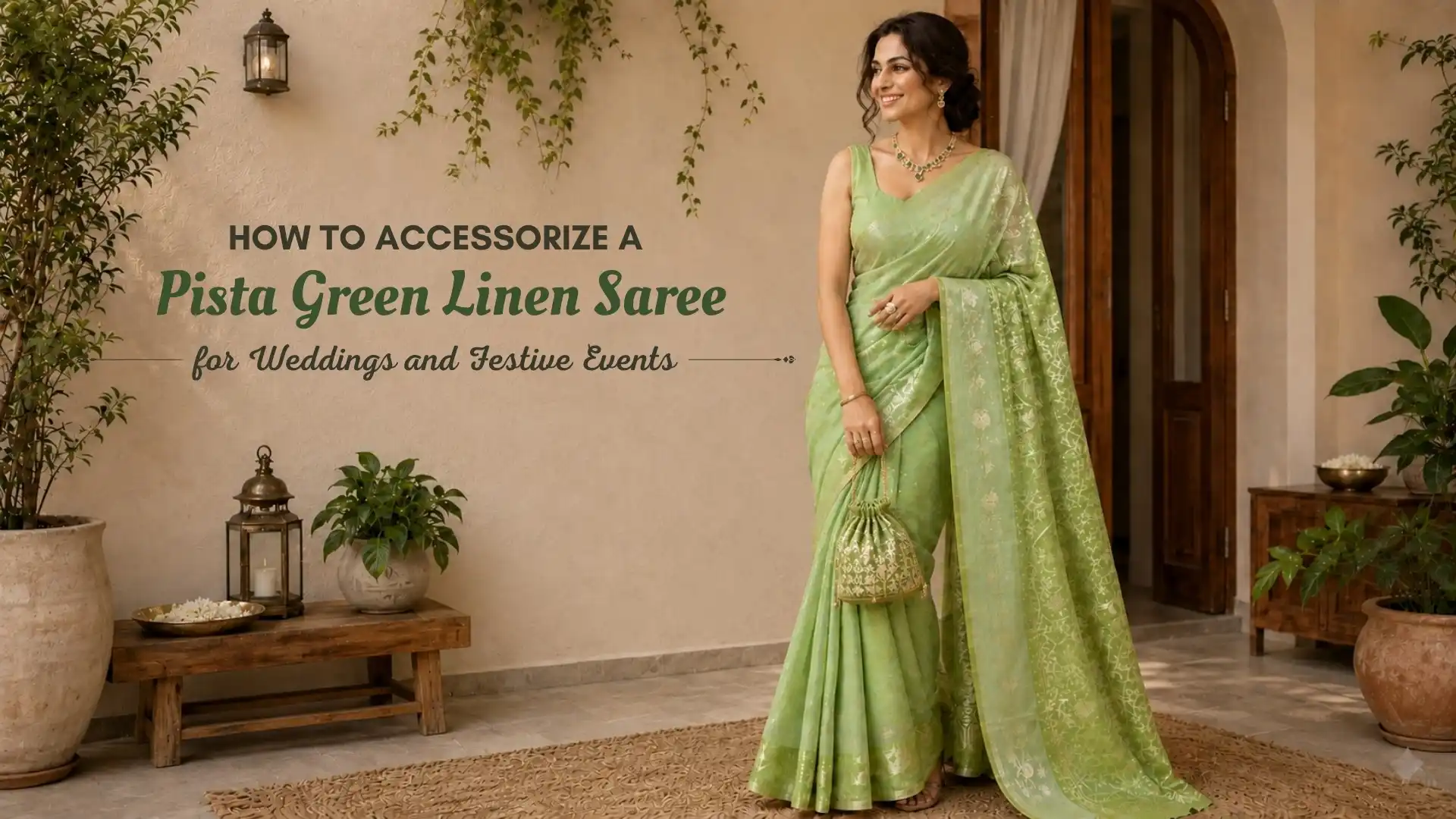
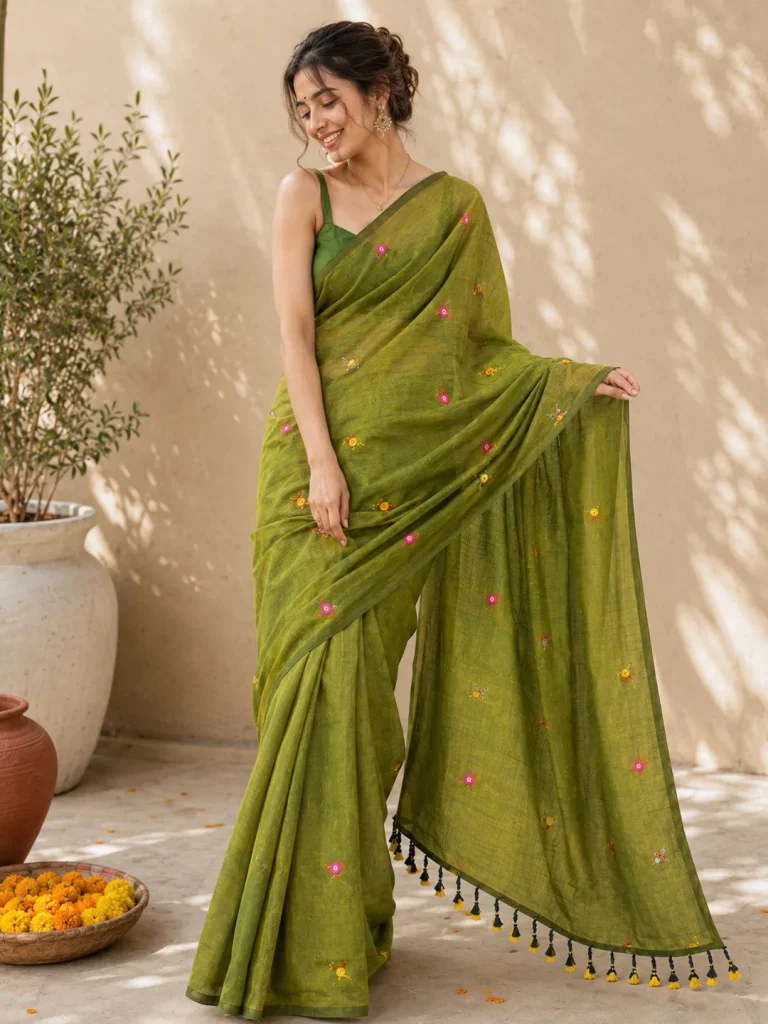
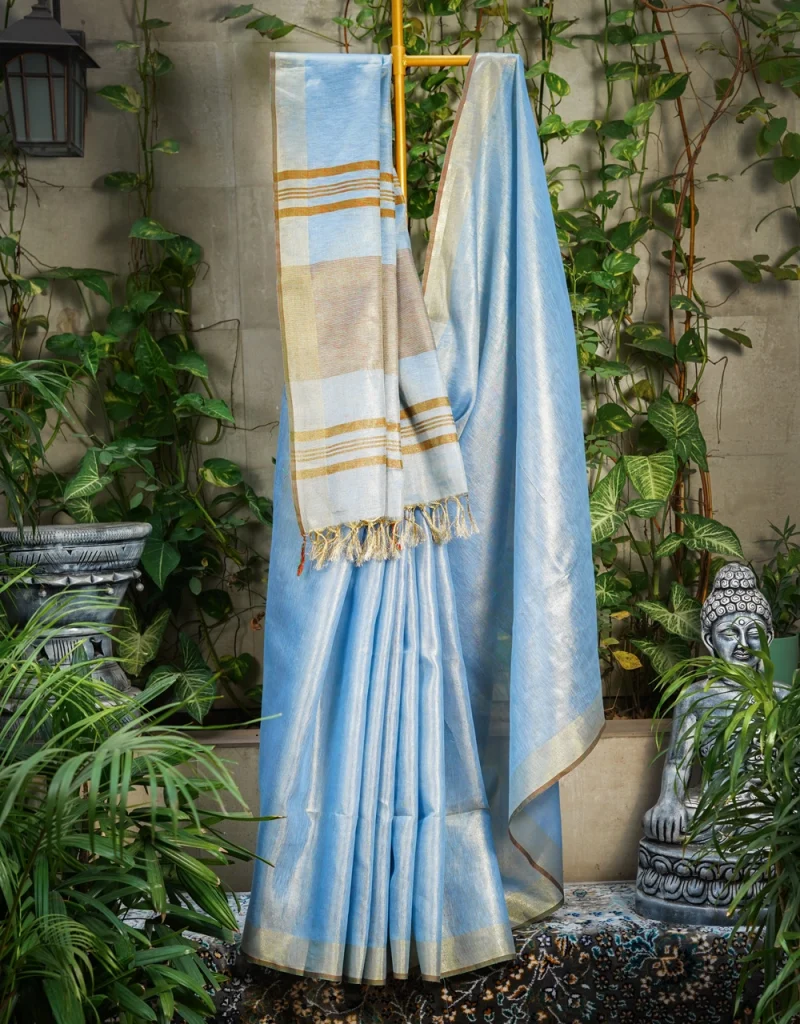
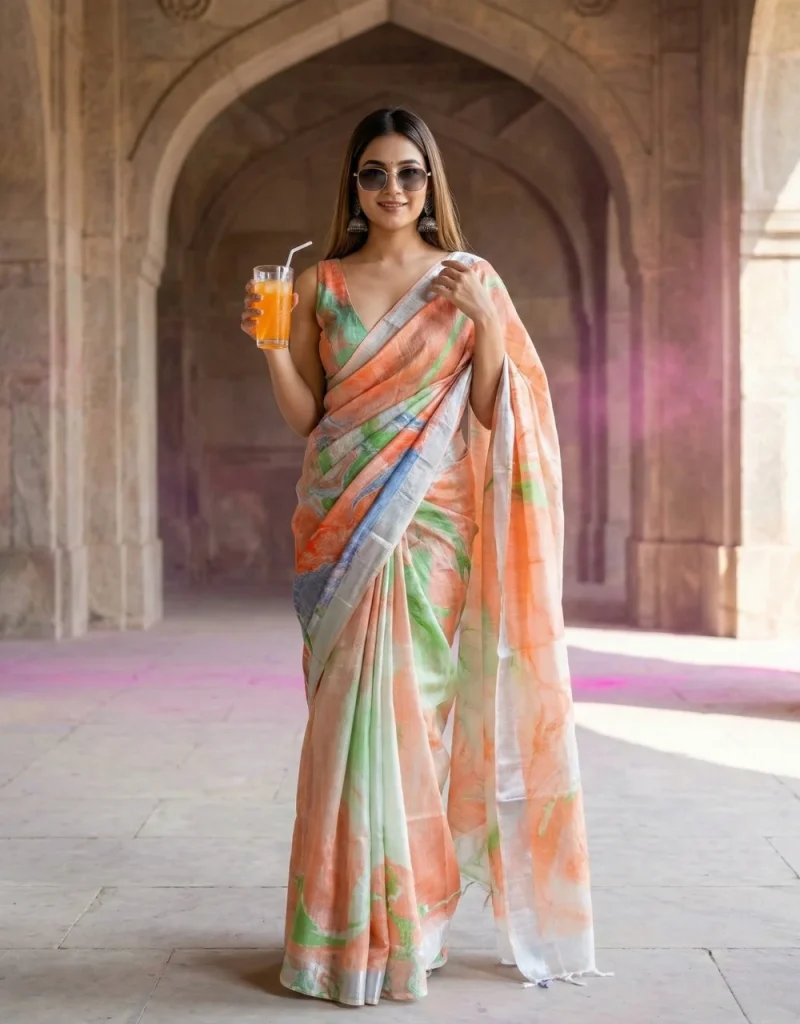
    Linen and linen blend saree options are increasingly being embraced by modern brides for pre-wedding events and outdoor functions where breathability and ease of movement are priorities. Women who wish to buy linen saree styles will find a growing range of elegantly woven options that pair well with minimalist jewellery and contemporary accessories.

    Georgette – Lightweight Option for Casual Functions

    Lightweight georgette is favoured by many brides for reception nights and post-wedding celebrations where a more relaxed version of the south indian wedding saree aesthetic is preferred. It moves gracefully and drapes effortlessly without requiring the same level of preparation as heavier silks.

    Brands like Siakari curate an extensive collection of bridal sarees across all these fabric categories, making it straightforward to find the perfect south indian wedding saree for every function and personal style.

    Iconic Weaving Traditions of the South Indian Wedding Saree

    The true beauty of a south indian wedding saree lies not only in its fabric but in the weaving traditions that give it its identity. Each regional weave carries a distinct visual language, historical legacy, and cultural story.

    Kanchipuram Silk – The Crown of Bridal Weaves

    What Makes Kanchipuram the Most Iconic South Indian Wedding Saree

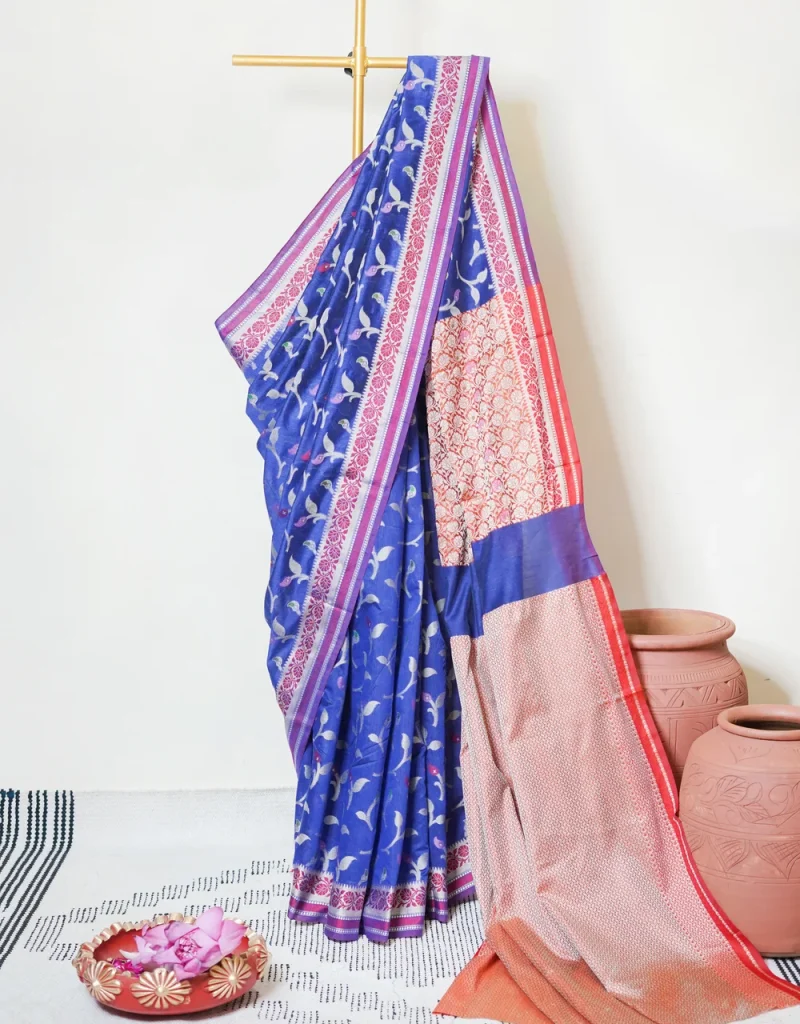
    Kanchipuram silk is widely regarded as the most prestigious south indian wedding saree available, celebrated for its temple-inspired borders, peacock motifs, and intricate gold zari work. Its durability and structural richness make it the top choice for main wedding ceremonies across South India.

    Key Characteristics of Kanchipuram Weave

    The Kanchipuram south indian wedding saree is distinguished by its three-shuttle weaving technique, where the body and border are woven separately before being interlocked. This method gives the saree exceptional strength, weight, and a distinct visual contrast between the body and the border.

    Mysore Silk – Understated Elegance

    Mysore silk offers a softer, lighter interpretation of the south indian wedding saree, making it ideal for brides who prefer refined minimalism over heavy ornamentation. Its smooth texture and subtle sheen give it a quiet elegance that works beautifully for engagement functions and intimate ceremonies.

    Kerala Kasavu – Pure Tradition in White and Gold

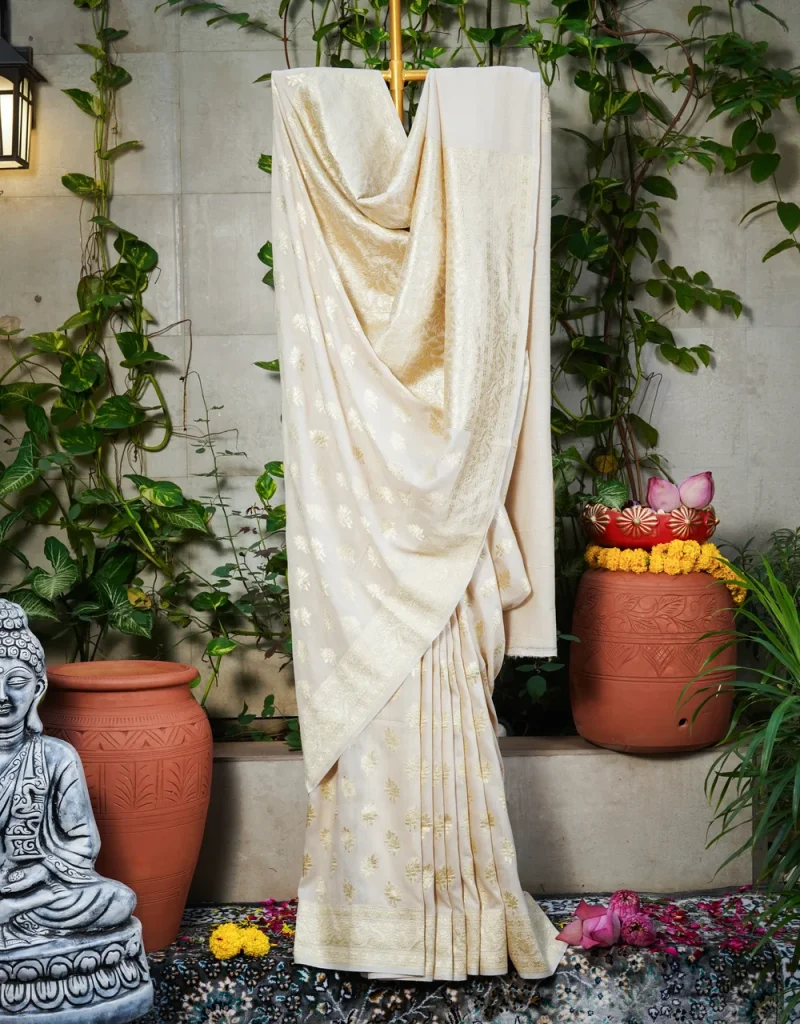
    The white-and-gold Kerala Kasavu is one of the most culturally distinctive versions of the south indian wedding saree, worn predominantly in temple weddings and traditional Kerala ceremonies. Its simplicity is its greatest strength the contrast between natural cotton and gold zari borders creates an appearance of dignified purity.

    Colour Symbolism in a South Indian Wedding Saree

    Colour in a south indian wedding saree is never arbitrary it carries specific cultural meanings that have been observed and respected across generations of bridal tradition. Understanding this symbolism helps brides make choices that are both aesthetically and culturally informed.

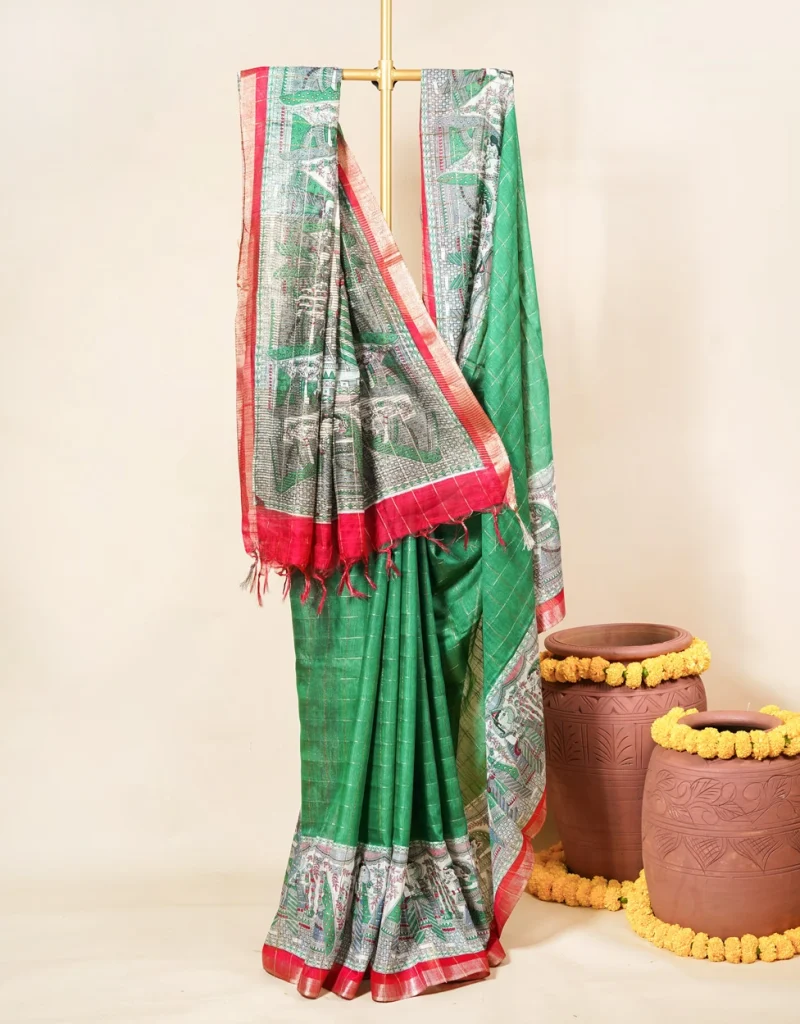
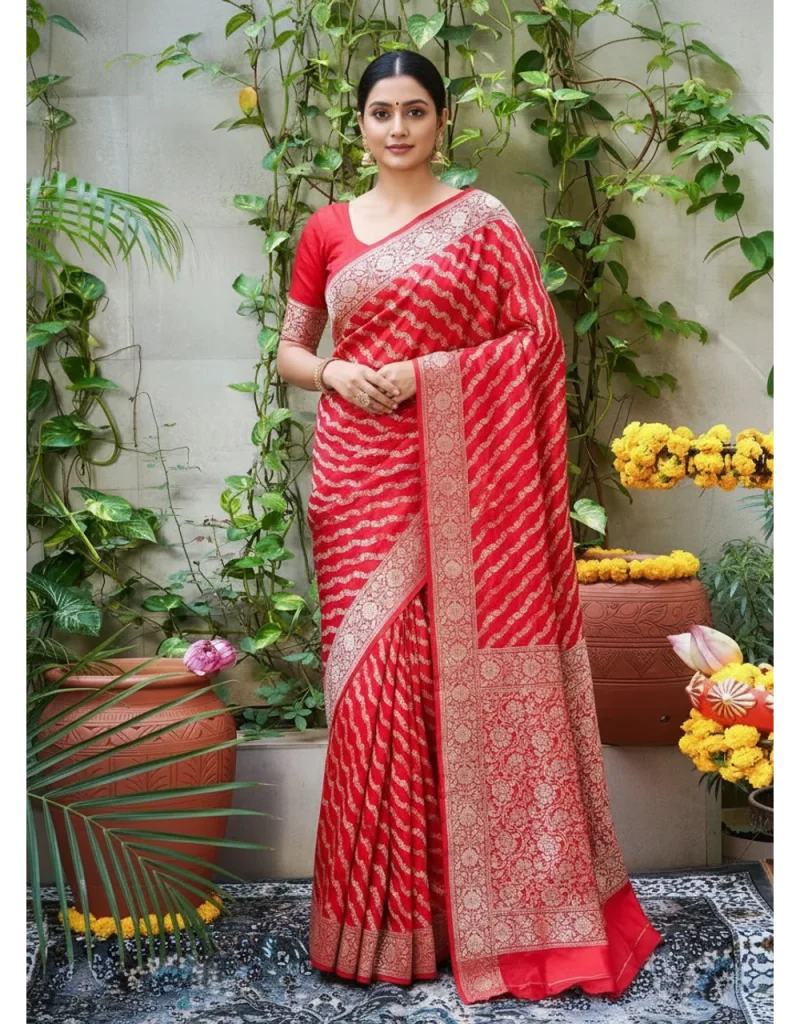
    Red is the most widely chosen colour for a south indian wedding saree, symbolising fertility, auspiciousness, and prosperity. Gold represents divine blessings and is woven into virtually every traditional bridal saree through zari borders and motifs. Green is associated with harmony and the promise of new beginnings in a south indian wedding saree worn at auspicious occasions.

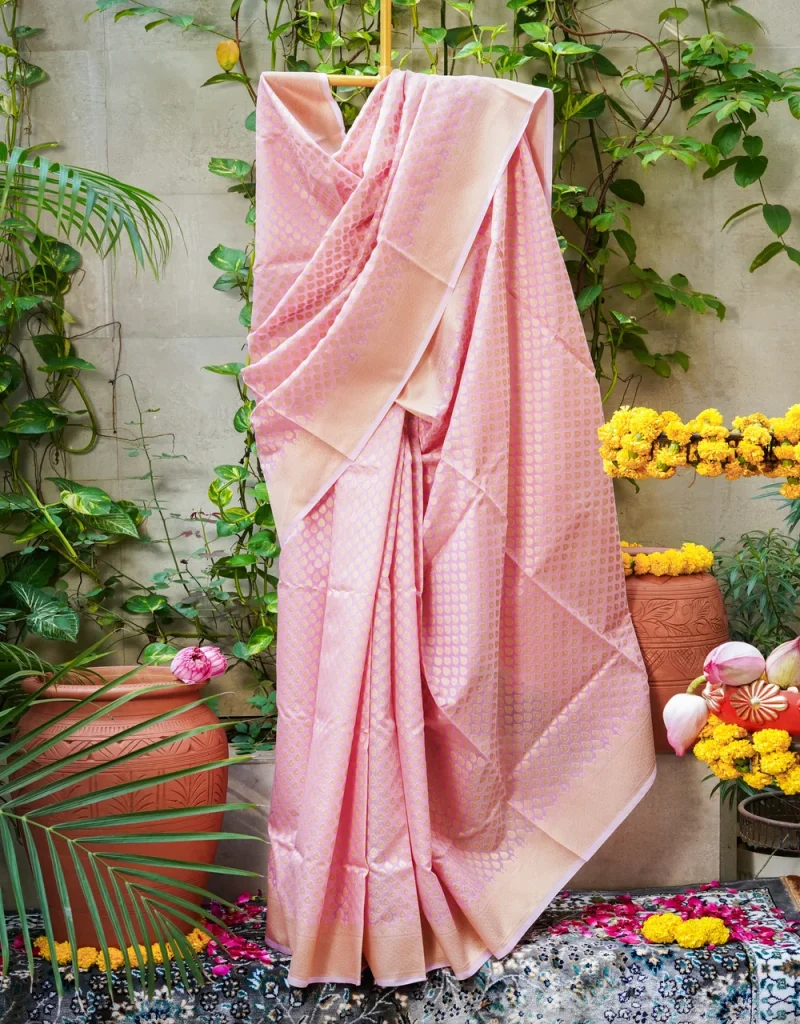
    In contemporary weddings, pastel shades of pink, peach, and ivory are being introduced into the south indian wedding saree palette particularly for engagement ceremonies and reception evenings. However, traditional shades remain the cultural heart of the south indian wedding saree at main wedding rituals.

    How to Choose the Perfect South Indian Wedding Saree

    Selecting the right south indian wedding saree is a thoughtful and multi-dimensional process that goes beyond simply choosing a colour or fabric. Several practical and cultural factors must be considered before making a final decision.

    Key Factors to Consider

    Occasion and Function Type

    Different functions within a South Indian wedding call for different interpretations of the south indian wedding saree. Heavy silk is most appropriate for the main wedding ceremony, while lighter fabrics suit pre-wedding events, receptions, and outdoor functions.

    Fabric Weight and Comfort

    Since weddings involve long hours of rituals, movement, photography, and socialising, the comfort of a south indian wedding saree is as important as its appearance. Heavy silks are appropriate for shorter ceremonies, while lighter fabrics serve better for all-day events.

    Jewellery Compatibility

    The colour, border style, and overall tone of a south indian wedding saree must complement the bridal jewellery being worn. Temple jewellery pairs most naturally with traditional Kanchipuram and Mysore silk styles.

    Cultural and Family Preferences

    Many South Indian families have specific regional preferences and customs around the south indian wedding saree, including expectations around colour, weave, and draping style. These preferences should be honoured alongside personal taste.

    Many brides today choose to buy sarees online India through curated platforms that allow detailed comparison of multiple weave styles, colour options, and fabric weights before making a final selection.

    Traditional Draping Style for a South Indian Wedding Saree

    Draping is what truly brings a south indian wedding saree to life. The traditional South Indian draping style is characterised by neat symmetry, structured pleating, and a controlled pallu placement that enhances the bridal silhouette without appearing excessive or informal.

    The classic draping approach of a south indian wedding saree is designed to support good posture, allow graceful movement during rituals, and ensure the saree remains intact across several hours of continuous wear. Its restrained elegance is precisely why this draping tradition has endured without significant modification for centuries.

    Step-by-Step Draping Guide for a South Indian Wedding Saree

    Step 1 – Prepare the Foundation

    The foundation of a well-draped south indian wedding saree begins with a properly fitted blouse and a firmly tied petticoat that sits at the natural waist. The petticoat length should reach the ankles to provide full support for the saree’s hemline throughout the ceremony.

    Step 2 – Begin the First Tuck

    Take the plain end of the south indian wedding saree and tuck it firmly into the petticoat at the navel, then wrap the fabric once fully around the body while maintaining an even hem throughout this initial wrap.

    Step 3 – Set the Correct Hem Length

    Before proceeding to the pleats, adjust the hem of the south indian wedding saree so it falls approximately half an inch above the floor enough to walk comfortably without the risk of stepping on the fabric during long ceremonial processions.

    Step 4 – Create Even Pleats

    Gather the front fabric into five to seven neat, equal pleats this is the most technically important step in draping a south indian wedding saree and the one that most directly determines the overall visual quality of the final result.

    Step 5 – Secure the Pleats

    Tuck the pleats firmly into the waistband slightly to the left of the navel, and pin them discreetly with a safety pin angled inward. For a south indian wedding saree worn across long ceremonies, this step is essential for maintaining pleat structure without any adjustment throughout the day.

    Step 6 – Drape and Pin the Pallu

    Bring the remaining fabric over the left shoulder and adjust the pallu length according to preference. For a traditional south indian wedding saree, the pallu is typically pinned at the shoulder to maintain a structured, formal appearance throughout the ceremony.

    Modern Draping Variations for a South Indian Wedding Saree

    While tradition remains the primary reference point, modern South Indian brides are increasingly experimenting with contemporary draping interpretations of their south indian wedding saree. These variations preserve cultural identity while incorporating personal style and current bridal fashion trends.

    Popular Modern Draping Styles

    Belted Draping: A structured belt at the waist adds a fashion-forward dimension to a south indian wedding saree while simultaneously keeping the pleats firmly in place throughout long events.

    Layered Pleats for Volume: Additional pleating at the front creates a fuller, more dramatic silhouette for a south indian wedding saree worn at evening receptions and contemporary celebrations.

    Relaxed Pallu Drape: A softly flowing pallu gives a more effortless, modern interpretation of a south indian wedding saree that suits brides who prefer a less structured aesthetic at post-wedding events.

    Fusion Styling with Jackets: Pairing a traditional south indian wedding saree with an embroidered jacket or structured blazer has become a popular choice for reception evenings and cocktail functions.

    Bridal Jewellery That Completes a South Indian Wedding Saree Look

    No south indian wedding saree look is complete without the right jewellery, and in South Indian bridal tradition, temple jewellery is the most culturally authentic and visually harmonious choice. Gold necklaces, layered chokers, traditional bangles, maang tikkas, and waist chains collectively enhance the richness of the saree without competing with its craftsmanship.

    Jewellery selection for a south indian wedding saree should be guided by the weight and colour of the saree fabric. Heavy Kanchipuram silk pairs best with elaborate multi-layered gold sets, while lighter fabrics such as Mysore silk or kasavu call for more restrained, elegant jewellery choices.

    Hairstyling Traditions for a South Indian Wedding Saree

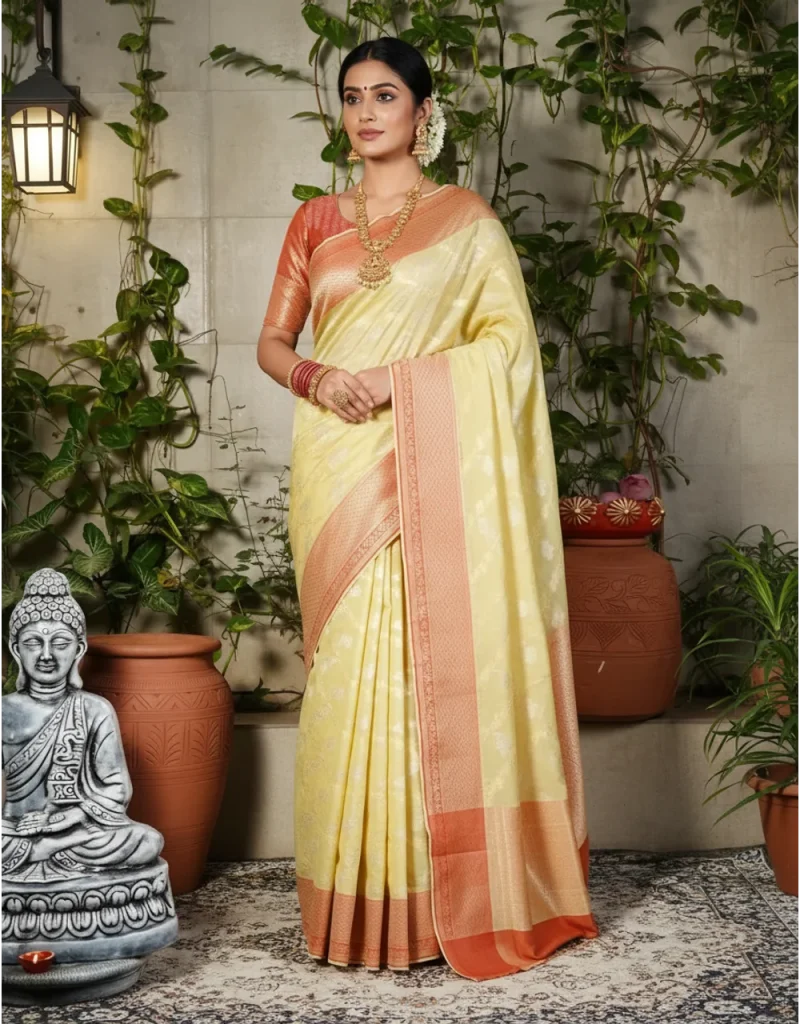
    Hair is an integral component of the complete bridal presentation built around a south indian wedding saree, and no South Indian wedding look is considered truly finished without it. The most traditional and iconic choice is a neatly structured bun adorned with fresh jasmine flowers, which adds fragrance, cultural meaning, and visual contrast against the richness of the saree.

    Contemporary brides wearing a south indian wedding saree are also exploring floral braids, embellished hairpins, and sleek chignons as alternatives that maintain cultural authenticity while reflecting individual personality.

    Makeup Guidance for a South Indian Wedding Saree

    Makeup for a south indian wedding saree should enhance natural features rather than overpower the traditional richness of the garment. Soft gold eyeshadow, precisely applied winged eyeliner, and warm-toned lipstick in shades of terracotta, rose, or deep burgundy create a polished bridal finish that complements the saree beautifully.

    The overall makeup approach for a south indian wedding saree occasion should prioritise longevity and balance the saree itself carries significant visual presence, and makeup should harmonise with rather than dominate the overall bridal aesthetic.

    Accessorising the South Indian Wedding Saree Look

    The right accessories transform a beautifully draped south indian wedding saree into a complete, cohesive bridal statement. Each piece should be selected with the saree’s colour, weave, and overall tone in mind to ensure visual harmony across the entire look.

    Essential Accessories for a South Indian Wedding Saree

    Maang Tikka: Frames the forehead and adds a traditional focal point to the bridal look built around a south indian wedding saree.

    Temple Necklaces: The most culturally appropriate necklace style for a traditional south indian wedding saree, available in elaborate multi-layered designs or more restrained single-strand styles.

    Gold Bangles and Kadas: Wrist jewellery adds movement and sound to the bridal presentation, both of which are considered auspicious at South Indian wedding ceremonies.

    Anklets and Waist Chains: These traditional accessories add cultural depth and completeness to the overall look of a south indian wedding saree without requiring excessive styling effort.

    Photography Tips for a South Indian Wedding Saree

    A south indian wedding saree photographs exceptionally well when the right styling, lighting, and posing choices are made by both the bride and the photographer. Natural lighting brings out the depth of silk weaves, the brilliance of gold zari borders, and the richness of traditional colours in a way that artificial light rarely replicates.

    Key details such as the border pattern, jewellery placement, pallu drape, and pleat structure of a south indian wedding saree should be deliberately highlighted during close-up shots to capture the full cultural and aesthetic value of the garment. Candid expressions and traditional ritual moments often produce the most powerful images of a south indian wedding saree in wear.

    Common Mistakes Brides Should Avoid with a South Indian Wedding Saree

    Even the finest south indian wedding saree can lose its visual impact if styling and draping decisions are not carefully considered. Awareness of these common errors helps brides present themselves with the polished elegance their saree deserves.

    Over-Accessorising: Excessive jewellery or accessories can overpower the craftsmanship of a south indian wedding saree rather than enhancing it. A curated, deliberate approach to accessorising always produces a more refined result.

    Poor Blouse Fitting: A poorly fitted blouse undermines the structural balance of a south indian wedding saree and affects posture, silhouette, and overall comfort throughout the ceremony.

    Uneven Pleat Structure: Inconsistent or loosely formed pleats compromise the symmetry and elegance that define a well-draped south indian wedding saree, and are among the most visually noticeable draping errors.

    Ignoring Fabric Behaviour: Different fabrics drape, move, and hold structure differently, and treating every version of a south indian wedding saree with an identical draping approach often leads to a less-than-ideal result.

    Prioritising Appearance Over Comfort: A beautiful south indian wedding saree that restricts movement or causes discomfort during long rituals will affect a bride’s confidence and enjoyment throughout the most important day of her life.

    Recommended Tools and Resources for South Indian Wedding Saree Styling

    For brides, families, and saree enthusiasts seeking deeper guidance on selecting and styling a south indian wedding saree, the following platforms offer reliable and visually rich references:

    Taneira by Tata – A premium Indian saree brand backed by the Tata Group, offering authenticated silk weaves and regional handloom sarees including Kanchipuram and Mysore silk varieties ideal for a south indian wedding saree occasion.

    The Loom – A curated online destination for handwoven Indian sarees, featuring detailed weave stories, regional craft documentation, and a wide selection of silk sarees suited for bridal and ceremonial wear.

    Sundari Silks – One of Chennai’s most established saree retailers with decades of expertise in traditional Kanchipuram silk and South Indian bridal wear, serving as a reliable reference for weave authenticity and styling.

    Bridal Asia – A leading Indian bridal lifestyle platform featuring editorial content, styling guides, and expert advice on bridal saree selection, jewellery pairing, and regional wedding fashion trends across South India.

    How Siakari Supports Your South Indian Wedding Saree Journey

    Siakari is a dedicated saree brand built around the values of authentic craftsmanship, regional heritage, and contemporary curation making it one of the most trusted destinations for brides seeking a south indian wedding saree that reflects both cultural integrity and personal style.

    The Siakari collection spans Kanchipuram silk, Mysore silk, Kasavu weaves, tissue silk, and linen blends covering every fabric and function associated with the south indian wedding saree across different regions and family traditions. Each piece is carefully selected for quality, weave authenticity, and bridal suitability.
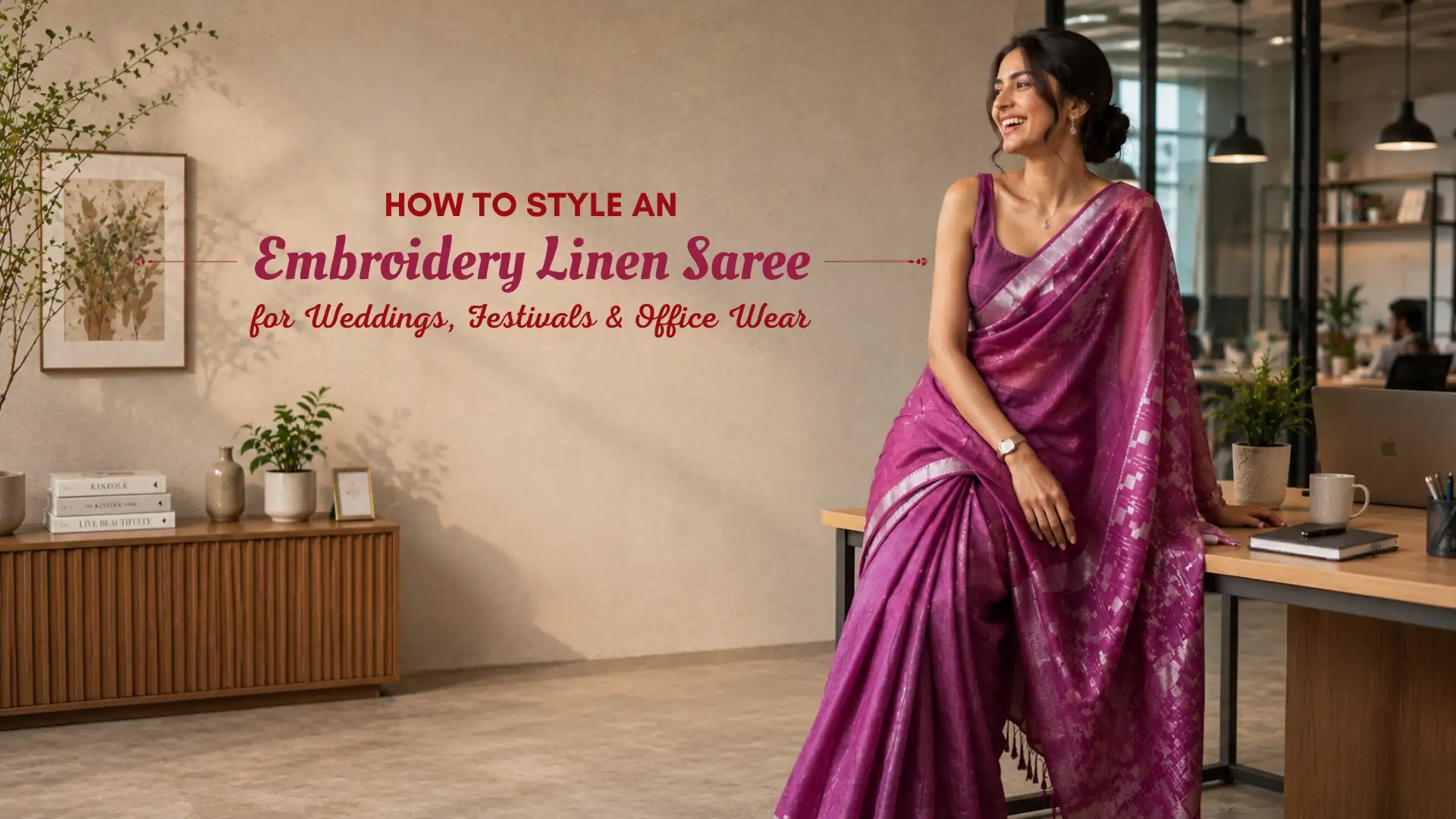
    From grand wedding ceremonies requiring the finest Kanchipuram silk to reception evenings calling for lighter, contemporary fabrics, Siakari ensures that every bride finds her ideal south indian wedding saree from one trusted platform. The brand also provides styling guidance to support brides through the selection, draping, and accessorising process with confidence.

    Why the South Indian Wedding Saree Remains Timeless

    Fashion trends evolve continuously, but the cultural significance of a south indian wedding saree remains entirely unaffected by changing tastes or seasonal aesthetics. Its enduring relevance comes not from trend cycles but from the generational meaning woven into every thread.

    Brides continue to choose a south indian wedding saree decade after decade because it connects them to their family lineage, regional identity, and ancestral traditions in a way that no contemporary garment can replicate. The saree is not just worn it is carried forward.

    Even among younger generations who are exposed to global bridal fashion and international styling influences, the south indian wedding saree retains a special status because it represents something fashion alone cannot manufacture: belonging, continuity, and cultural pride.

    Final Thoughts on the South Indian Wedding Saree

    A south indian wedding saree is not simply clothing it is heritage woven into fabric, tradition expressed through colour, and identity preserved in every border and motif. Every pleat, border, weave, and drape carries meaning that extends far beyond the wedding day itself.

    Whether a bride chooses a traditional Kanchipuram silk or a contemporary lighter interpretation, the essence of a south indian wedding saree remains consistent grace, cultural dignity, and the quiet confidence that comes from wearing something deeply meaningful. Brands like Siakari are committed to making that experience accessible, authentic, and memorable for every bride.

    When a south indian wedding saree is worn with the right preparation, the right drape, and the right intention, it does not merely complete a bridal look it continues a tradition that has lived for generations and deserves to live for many more.

    FAQs

    Why is the South Indian wedding saree so important in weddings?

    The South Indian wedding saree is important because it represents tradition, culture, and family heritage. It is deeply rooted in rituals and symbolizes purity, prosperity, and new beginnings. Brides wear it as part of long-standing customs, often choosing it with family blessings. Its rich silk fabric and gold borders add a regal touch to the ceremony. Beyond fashion, the South Indian wedding saree carries emotional value, making it a timeless and meaningful choice for bridal celebrations.

    Which fabric is best for a South Indian wedding saree? 

    Silk is the best fabric for a South Indian wedding saree because it offers structure, richness, and traditional elegance. Kanchipuram silk is especially popular for its durability and gold zari work. It drapes beautifully and enhances bridal appearance during ceremonies. Mysore silk is another lightweight yet elegant option. For pre-wedding functions, some brides choose lighter fabrics, but for the main wedding, silk remains the most preferred choice for a perfect South Indian wedding saree look.

    How is a South Indian wedding saree traditionally draped?

    A South Indian wedding saree is traditionally draped in a structured style with neatly arranged front pleats and a well-positioned pallu over the shoulder. The saree is first tucked at the waist, then pleats are made evenly and secured. The pallu is adjusted to fall gracefully, giving a balanced and elegant appearance. This classic draping style enhances posture and comfort, making the South Indian wedding saree look graceful, cultural, and perfect for long wedding rituals and ceremonies.

    How can a South Indian wedding saree look more modern?

    A South Indian wedding saree can look modern by experimenting with styling while keeping its traditional base. Brides can use belt draping, stylish blouses, or minimal jewellery for a contemporary touch. Soft makeup and different pallu placements also enhance the look. Lighter silk or fusion fabrics add freshness while maintaining tradition. Even though the South Indian wedding saree is traditional, modern styling helps brides personalize their look while still respecting cultural elegance and wedding customs beautifully.

  • What Saree to Wear for Graduation Day: Complete Style Guide?

    What Saree to Wear for Graduation Day: Complete Style Guide?

    Graduation day is one of those rare milestones that stays in your memory long after it’s over. It’s emotional in a quiet way you’re proud of how far you’ve come, a little nostalgic about the years behind you, and excited about everything ahead. And in the middle of all this, there’s one thing almost every student thinks about: what to wear.

    For many, a saree for graduation day becomes the perfect choice. It’s graceful, meaningful, and timeless. But choosing the right saree for graduation day isn’t always easy. You want something elegant but not overdressed, comfortable but still special, simple but memorable.

    So let’s go step by step and talk about everything you need to know in a natural, practical way like a friend helping you get ready for one of the most important days of your life.

    Why a Saree for Graduation Day Feels Perfect

    A saree for graduation day is not just a fashion choice it’s a symbolic one. It represents growth, transition, and the beginning of a new journey. Unlike casual outfits, a saree for graduation day carries emotional weight. It feels like a gentle shift from student life into a more mature phase of life.

    What makes it even more special is how versatile a saree for graduation day can be. It can be soft and minimal or slightly festive depending on your personality. It adapts to you, not the other way around.

    It also photographs beautifully. Graduation pictures are something you’ll look back on for years, and a saree for graduation day ensures those memories feel timeless.

    Understanding the Mood of Graduation Day and Your Saree

    Before choosing your saree for graduation day, it helps to understand the mood of the event.

    What Graduation Feels Like and How Your Saree for Graduation Day Should Match It

    Graduation is:

    • Formal but not rigid
    • Emotional but celebratory
    • Traditional yet modern

    Your outfit should reflect this balance. That’s why a saree for graduation day works so well it sits perfectly between elegance and simplicity.

    Step One: Choosing the Right Fabric for Your Saree for Graduation Day

    Fabric is the foundation of your entire look. It affects comfort, movement, and how confident you feel throughout the day. Choosing the right fabric is the first real decision when picking a saree for graduation day.

    Cotton Silk Saree for Graduation Day: Simple, Comfortable, Reliable

    If you want something easy and fuss-free, a cotton silk saree is a great starting point for a saree for graduation day. It’s breathable, soft, and perfect for long ceremonies.

    A cotton-based saree for graduation day works especially well if your event is during the day or in a warm climate. It gives a clean, grounded look without feeling heavy.

    Many students prefer cotton blends because they don’t require constant adjustment, which makes the day more enjoyable.

    Buy Silk Saree for Graduation Day: Light and Photogenic

    Silk is one of the most popular choices when selecting a saree for graduation day. It drapes beautifully and moves gracefully, which makes it ideal for pictures.

    If you plan to buy silk sarees, you’ll notice they come in soft shades and elegant prints perfect for formal occasions. Brands like Nalli Silk Sarees offer a wide silk range in graduation-friendly colours. A silk saree for graduation day gives a soft, feminine look without feeling overdone.

    It’s especially good if you want something flowy and slightly dressy but still comfortable.

    Linen Saree for Graduation Day: Minimal and Modern

    Linen sarees are perfect for students who prefer understated elegance in their saree for graduation day. A linen blend saree has a structured feel that looks polished and contemporary.

    If you’re thinking to buy a linen saree, choose soft tones like ivory, beige, or pastel blue. FabIndia has an excellent collection of handwoven linen sarees that work beautifully for occasions like graduation. A linen saree for graduation day gives a confident, effortless vibe perfect for someone who likes clean aesthetics.

    It’s simple, but that simplicity is exactly what makes it powerful.

    Tissue Silk Saree for Graduation Day: Subtle Celebration Look

    Graduation is a celebration too, and a little shimmer can enhance your presence when picking a saree for graduation day.

    A tissue silk saree option is perfect if you want a slightly festive touch. Many students choose to buy tissue silk saree for important events like this because it adds a soft glow without being too heavy. Explore the curated range at Kalki Fashion for tissue silk options that are graduation-ready.

    A tissue silk saree for graduation day works beautifully for evening ceremonies or stage appearances where lighting enhances the fabric’s natural shine.

    Choosing the Right Color for Your Saree for Graduation Day

    Color can completely change how your saree for graduation day looks in real life and in photographs.

    Soft and Safe Tones for a Saree for Graduation Day

    Here are some thoughtful color choices for your saree for graduation day:

    Gentle, Youthful Hues

    • Peach
    • Lavender
    • Baby pink
    • Sky blue

    These colors give a gentle, youthful vibe perfectly suited for a saree for graduation day.

    Elegant Neutrals for a Saree for Graduation Day

    • Ivory
    • Beige
    • Cream
    • Soft grey

    These make your saree for graduation day look clean and sophisticated.

    Deep, Confident Shades for a Saree for Graduation Day

    • Navy blue
    • Maroon
    • Emerald green

    These are perfect if you want a bold but elegant appearance in your saree for graduation day.

    Keep the Design Balanced for Your Saree for Graduation Day

    Graduation is not a wedding or festival, so your saree for graduation day doesn’t need heavy embellishments.

    What Design Details Work Best on a Saree for Graduation Day

    A good saree for graduation day should have:

    • Light prints or minimal embroidery
    • Soft borders instead of heavy designs
    • Clean, structured patterns

    The goal is to look polished, not overwhelming. Keeping the design minimal ensures your saree for graduation day stays appropriate and timeless.

    Draping Style: The Real Game-Changer for Your Saree for Graduation Day

    Even the best saree for graduation day can lose its charm if not draped properly. A neat drape is essential for a perfect look.

    How to Drape Your Saree for Graduation Day Perfectly

    Focus on these key points when draping your saree for graduation day:

    • Even pleats at the front
    • Secure pins to hold structure
    • A smooth pallu falling naturally
    • No unnecessary bulk around the waist

    A well-draped saree for graduation day instantly elevates your entire look.

    Blouse Selection: Small Detail, Big Impact on Your Saree for Graduation Day

    The blouse plays a huge role in balancing your outfit when you choose a saree for graduation day.

    Blouse Tips That Complement Your Saree for Graduation Day

    For a perfect saree for graduation day, choose:

    • Simple necklines (boat, round, square)
    • Proper fitting without tightness
    • Minimal or no heavy embroidery

    A clean blouse ensures your saree for graduation day remains the highlight.

    Accessories: Keep It Soft and Elegant with Your Saree for Graduation Day

    Less is always more when it comes to styling a saree for graduation day.

    The Right Accessories for a Saree for Graduation Day

    To complement your saree for graduation day:

    • Small earrings or studs
    • A simple bracelet or watch
    • Light chain or no necklace

    You don’t want accessories to compete with your saree for graduation day you want them to support it.

    Hairstyle and Makeup Tips for a Saree for Graduation Day

    Your hairstyle and makeup should enhance your natural look alongside your saree for graduation day.

    Hairstyle Options That Work with a Saree for Graduation Day

    For a balanced saree for graduation day look:

    • Loose curls for a soft feminine vibe
    • Straight hair for a modern feel
    • Neat bun for a traditional touch

    Makeup That Complements Your Saree for Graduation Day

    Makeup should stay natural when pairing with your saree for graduation day:

    • Soft foundation
    • Nude or pink lips
    • Light eyeliner or mascara

    Keep everything fresh and simple so your saree for graduation day remains the star of the look.

    Footwear That Works All Day with Your Saree for Graduation Day

    Graduation involves walking, standing, and posing for photos, so comfort matters when styling a saree for graduation day.

    Best Footwear Options for a Saree for Graduation Day

    Best options for a saree for graduation day:

    • Low heels
    • Wedges
    • Comfortable flats

    Make sure your footwear doesn’t distract you from enjoying your day in your saree for graduation day.

    Budget-Friendly Saree for Graduation Day Options

    Looking good doesn’t mean spending a lot when choosing a saree for graduation day. Many affordable sarees look stunning when styled well.

    Where to Shop for an Affordable Saree for Graduation Day

    A simple saree for graduation day in silk or cotton blend can look just as beautiful as expensive designer pieces.

    Many students explore options when they buy sarees online India, where budget-friendly yet stylish sarees are widely available. You can also browse Myntra’s saree collection for a great range of affordable yet stylish options that work well as a saree for graduation day.

    Styling Tips That Make a Difference for Your Saree for Graduation Day

    Small adjustments can completely change your final look when wearing a saree for graduation day.

    Final Styling Checklist for Your Saree for Graduation Day

    Keep these tips in mind to perfect your saree for graduation day:

    • Keep pleats crisp and aligned
    • Match blouse tone thoughtfully
    • Avoid over-accessorizing
    • Maintain good posture

    These details make your saree for graduation day look refined and confident.

    Common Mistakes to Avoid with a Saree for Graduation Day

    To ensure your saree for graduation day looks perfect, avoid these common pitfalls:

    What Not to Do When Wearing a Saree for Graduation Day

    • Heavy makeup that feels too mature
    • Ill-fitted blouse or petticoat
    • Overly complicated draping styles
    • Too many accessories

    Simplicity always photographs better and a saree for graduation day is no exception to this rule.

    How to Feel Confident in Your Saree for Graduation Day

    Confidence is the most important part of your look when wearing a saree for graduation day.

    Owning the Moment in Your Saree for Graduation Day

    A saree for graduation day feels truly complete when you feel comfortable in it. Don’t overthink perfection. Walk naturally, smile freely, and enjoy the moment.

    Your confidence will always stand out more than your outfit but a beautiful saree for graduation day certainly helps.

    Why Simplicity Works Best for a Saree for Graduation Day

    Graduation is not about dressing to impress others it’s about celebrating yourself. And the right saree for graduation day understands that.

    The Power of a Simple Saree for Graduation Day

    A simple saree for graduation day allows your personality to shine. It doesn’t overpower the moment; it complements it.

    Final Thoughts on Finding the Perfect Saree for Graduation Day

    Choosing the perfect saree for graduation day is less about strict fashion rules and more about emotional connection. It’s about choosing something that feels right for you in one of the most meaningful moments of your life.

    Whether you go for a soft silk, a breathable cotton blend, a structured linen, or a subtle tissue silk, your saree for graduation day should reflect who you are and how far you’ve come.

    Take your time, try different styles, and trust your instincts. Because in the end, your saree for graduation day is not just clothing it’s a memory woven into fabric, captured in photographs, and carried in your heart long after the ceremony ends.

    FAQs

    What is the best saree for graduation day?

    The best saree for graduation day depends on comfort, style, and the event setting. Lightweight fabrics like georgette, cotton blend, or linen are ideal because they are easy to carry for long hours. Soft pastel or neutral shades work beautifully for a graceful look. A well-chosen saree for graduation day should feel comfortable, photograph well, and reflect your personality while keeping the overall appearance elegant, simple, and suitable for a formal academic ceremony.

    Which fabric is most suitable for a saree for graduation day?

    Fabrics like georgette, cotton blend, linen, and tissue silk are most suitable for a saree for graduation day. Cotton blends offer comfort, georgette gives a flowy look, and linen provides a modern, structured style. Tissue silk adds a subtle festive shine. Choosing the right fabric ensures you stay comfortable throughout the ceremony while maintaining elegance. A good saree for graduation day balances ease of movement, neat drape, and a polished appearance.

    How should I style a saree for graduation day?

    To style a saree for graduation day, keep everything minimal and elegant. Choose a well-fitted blouse with simple necklines, light jewelry like studs or a bracelet, and soft makeup with natural tones. Hairstyles like loose curls, straight hair, or a neat bun work best. Focus on neat draping with even pleats and a smooth pallu. A balanced styling approach ensures your saree for graduation day looks graceful, confident, and appropriate for a formal celebration.

    Can I wear a budget-friendly saree for graduation day?

    Yes, a budget-friendly saree for graduation day can look just as elegant as expensive ones if styled well. Fabrics like georgette and cotton blends offer affordable yet stylish options. The key lies in proper draping, color choice, and minimal accessories. Many students explore options when they buy sarees online india, where stylish and budget-friendly designs are widely available. A simple saree for graduation day can look stunning with confidence and the right presentation.

  • How to Choose the Perfect Saree for Your Farewell Party in School?

    How to Choose the Perfect Saree for Your Farewell Party in School?

    A school farewell is one of those rare moments that feels emotional, exciting, and slightly surreal all at once. It’s the day you laugh with your friends a little louder, click a hundred photos, and secretly realize that a chapter of your life is quietly coming to an end. And in the middle of all this emotion, there’s one thing every girl thinks about at some point what to wear.

    For many students, nothing feels more graceful and memorable than a saree for farewell party in school. It brings together elegance, tradition, and a sense of maturity that perfectly matches the occasion. But choosing the right saree for farewell party in school can feel confusing when you’re surrounded by so many styles, colors, fabrics, and opinions.

    So instead of overcomplicating it, let’s go step by step and make this process simple, practical, and actually enjoyable.

    Why a Saree for Farewell Party in School Feels So Special

    A saree for farewell party in school is not just another outfit it’s a moment of transformation. For many girls, it’s the first time they wear a saree for farewell party in school for a big occasion like this. That alone makes it memorable.

    Unlike western outfits that may come and go with trends, a saree for farewell party in school has a timeless charm. It instantly adds grace without trying too hard. That’s why so many students choose a saree for farewell party in school when they want something elegant yet meaningful.

    It also reflects emotion. Farewell is about memories, and a saree for farewell party in school fits that mood beautifully it feels nostalgic, traditional, and personal at the same time.

    Understanding What Kind of Look You Want for Your Saree for Farewell Party in School

    Before you even start browsing, it helps to ask yourself one simple question: What kind of look do I want for my farewell?

    Finding Your Vibe: What Your Saree for Farewell Party in School Should Reflect

    Your saree for farewell party in school can reflect different moods:

    • Soft and simple
    • Elegant and graceful
    • Bold and confident
    • Light and festive

    Once you know your vibe, choosing a saree for farewell party in school becomes much easier.

    Choosing the Right Fabric for Your Saree for Farewell Party in School

    Fabric is the foundation of your entire look. A good fabric ensures comfort, movement, and a flattering drape especially important when selecting a saree for farewell party in school.

    Cotton Silk Sarees for Farewell Party in School: Simple and Comfortable

    If comfort is your top priority, a cotton silk saree is one of the safest choices for a saree for farewell party in school. It’s breathable, easy to manage, and perfect for long hours.

    A cotton-based saree for farewell party in school works well if your farewell is during the day or in a casual setting. It gives a soft, grounded look without feeling heavy or overdone.

    Many students prefer cotton silk when they are experimenting for the first time because it feels familiar and easy to carry. You can explore a wide range when you buy sarees online India and filter specifically for cotton silk that suit your style and budget.

    Silk Sarees for Farewell Party in School: Light and Elegant

    Silk is one of the most popular choices among students because it drapes beautifully and feels light on the saree for farewell party in school look.

    If you plan to buy silk sarees, you’ll find plenty of soft pastel shades and subtle prints that are perfect for farewell looks. A georgette saree for farewell party in school gives a smooth, flowy appearance that photographs really well.

    It’s especially great if you want something feminine and effortless without too much structure. Nalli Silk Sarees carries a beautiful georgette range that works perfectly as a saree for farewell party in school.

    Linen Sarees for Farewell Party in School: Minimal and Modern

    Linen sarees are perfect for students who like clean, understated fashion when choosing a saree for farewell party in school. A linen blend saree has a natural texture that feels both modern and traditional at the same time.

    A linen saree for farewell party in school works well if you want a calm, confident look rather than something flashy. It’s subtle, elegant, and very easy to style.

    If you’re exploring options to buy linen saree, you’ll notice how versatile it is for both casual and semi-formal occasions. FabIndia offers a curated range of handwoven linen sarees that make for a stunning saree for farewell party in school.

    Tissue Silk Sarees for Farewell Party in School: Soft Festive Shine

    If your farewell feels more like a celebration, tissue silk can be a beautiful choice for your saree for farewell party in school. It has a soft shine that adds just the right amount of glamour without going overboard.

    Many students prefer to buy tissue silk saree for special occasions because it instantly elevates the overall appearance of a saree for farewell party in school.

    It’s perfect for evening events, stage photos, and final group pictures where you want to stand out a little more. Kalki Fashion has an excellent tissue silk edit that is ideal as a saree for farewell party in school.

    A Note on Silk Options for Your Saree for Farewell Party in School

    If you’re drawn to silk varieties, it’s also worth exploring options to buy silk saree and buy tussar silk saree both carry an earthy, rich texture that looks stunning for farewell events. A cotton silk saree is another wonderful middle-ground option that combines the comfort of cotton with the gentle sheen of silk, making it a practical yet beautiful choice as a saree for farewell party in school.

    Choosing the Right Color for Your Saree for Farewell Party in School

    Color plays a huge role in how your saree for farewell party in school looks both in real life and in photos.

    Color Guide for the Perfect Saree for Farewell Party in School

    Here are some safe and beautiful choices for your saree for farewell party in school:

    • Soft pastels like lavender, peach, baby pink, sky blue
    • Neutral tones like ivory, beige, and cream
    • Deep shades like maroon, emerald, or navy for a bold statement

    A well-chosen color ensures your saree for farewell party in school complements your skin tone and stands out naturally without feeling too loud.

    Keep the Design Simple Yet Stylish for Your Saree for Farewell Party in School

    Farewell is not a wedding, so heavy embroidery or overly flashy designs are usually not necessary when picking a saree for farewell party in school.

    What Design Details Work Best on a Saree for Farewell Party in School

    A well-balanced saree for farewell party in school should have:

    • Light prints or minimal embroidery
    • Soft borders instead of heavy embellishments
    • Clean, elegant patterns

    The goal is to look graceful and youthful, not overly dressed, in your saree for farewell party in school.

    Draping Style Makes a Big Difference for Your Saree for Farewell Party in School

    Even the most beautiful saree for farewell party in school can look average if not draped properly. That’s why draping is one of the most important parts of styling a saree for farewell party in school.

    How to Drape Your Saree for Farewell Party in School Perfectly

    Here’s what to focus on when draping your saree for farewell party in school:

    • Keep pleats even and neat
    • Make sure the saree is not too loose or too tight
    • Let the pallu fall smoothly over the shoulder
    • Use pins for support if needed

    A clean drape instantly upgrades your entire saree for farewell party in school look.

    Blouse Styling for Your Saree for Farewell Party in School: Small Detail, Big Impact

    The blouse can completely change your appearance when wearing a saree for farewell party in school.

    Blouse Tips That Complement Your Saree for Farewell Party in School

    For a balanced saree for farewell party in school, choose:

    • Simple necklines like round, boat, or square
    • Well-fitted structure
    • Minimal or no heavy embellishments

    A clean blouse helps your saree for farewell party in school stand out more naturally.

    Accessories: Less is Always Better with a Saree for Farewell Party in School

    One common mistake students make is over-accessorizing. For farewell, subtle elegance works best with a saree for farewell party in school.

    The Right Accessories for a Saree for Farewell Party in School

    To complement your saree for farewell party in school, go for:

    • Small earrings or studs
    • Light bangles or bracelets
    • A simple chain or no necklace at all

    Let your saree for farewell party in school be the highlight, not the accessories.

    Hair and Makeup Tips for Your Saree for Farewell Party in School

    Your hairstyle and makeup should match the softness of your saree for farewell party in school.

    Hairstyle Ideas That Work with a Saree for Farewell Party in School

    For a perfect saree for farewell party in school look:

    • Loose curls or straight hair for a natural vibe
    • Neat bun for a traditional touch
    • Soft makeup with nude or pastel tones

    Avoid heavy makeup because it can overpower the simplicity of your saree for farewell party in school.

    Footwear for Your Saree for Farewell Party in School: Comfort Comes First

    Farewell involves a lot of walking, standing, and posing for pictures. So your footwear matters more than you think when wearing a saree for farewell party in school.

    Best Footwear Options for a Saree for Farewell Party in School

    Best options for your saree for farewell party in school:

    • Low heels
    • Wedges
    • Comfortable flats

    Choose something stable so you can enjoy your day without discomfort in your saree for farewell party in school.

    Budget-Friendly Saree for Farewell Party in School Choices for Students

    Not every beautiful saree for farewell party in school needs to be expensive. In fact, some of the best-looking options are quite affordable.

    Where to Find an Affordable Saree for Farewell Party in School

    A simple saree for farewell party in school in georgette or cotton blend can look stunning when styled well.

    Many students explore options when they buy sarees online India, where there are plenty of budget-friendly yet stylish choices available for a saree for farewell party in school.

    Shopping Tips to Avoid Mistakes When Buying a Saree for Farewell Party in School

    When choosing your saree for farewell party in school, keep these points in mind:

    How to Shop Smart for Your Saree for Farewell Party in School

    • Always check fabric description
    • Look at real customer images
    • Avoid overly edited product photos
    • Read reviews before buying

    A little attention during shopping can save a lot of disappointment later when selecting a saree for farewell party in school.

    Building Confidence in Your Saree for Farewell Party in School Look

    No matter what saree you choose, confidence is what completes the look of a saree for farewell party in school.

    How to Own Your Saree for Farewell Party in School

    Your saree for farewell party in school becomes truly beautiful when you feel comfortable in it. Walk naturally, smile freely, and enjoy your moment.

    Confidence reflects in every photo, every step, and every memory you make in your saree for farewell party in school.

    Common Mistakes to Avoid with a Saree for Farewell Party in School

    To make sure your saree for farewell party in school looks perfect, avoid:

    What Can Go Wrong with a Saree for Farewell Party in School

    • Overly heavy makeup
    • Too many accessories
    • Ill-fitted blouse or petticoat
    • Uncomfortable fabric choices

    Keeping things simple almost always works better for a saree for farewell party in school.

    Final Thoughts on Choosing the Perfect Saree for Farewell Party in School

    Choosing the perfect saree for farewell party in school is not about following strict fashion rules it’s about finding something that feels right for you.

    Whether you choose a soft georgette, a breathable cotton blend, or a slightly shiny tissue silk, your saree for farewell party in school should reflect your personality, comfort, and mood for the day.

    Take your time, try different styles, and don’t stress too much about perfection. Because at the end of the day, your saree for farewell party in school is not just an outfit it’s part of a memory you’ll carry with you forever, long after school is over.

    FAQs

    What is the best saree for farewell party in school?

    The best saree for farewell party in school depends on comfort and personal style. Lightweight fabrics like georgette, cotton blend, or linen work well because they are easy to carry for long hours. Soft pastel colors or subtle prints are ideal for a graceful look. A well-chosen saree for farewell party in school should balance elegance and comfort so you can enjoy the event, click pictures, and move freely without feeling restricted or overdressed.

    Which fabric is most comfortable for a saree for farewell party in school?

    Comfortable fabrics like georgette, cotton blend, and linen are best for a saree for farewell party in school. A cotton blend saree is breathable and simple, while georgette offers a soft, flowy drape. Linen gives a modern and neat appearance. These fabrics ensure you stay comfortable during long farewell celebrations while still looking stylish. Choosing the right material is key to carrying a saree for farewell party in school with ease and confidence.

    How can I style a saree for farewell party in school?

    To style a saree for farewell party in school, keep everything simple and elegant. Choose a well-fitted blouse with a clean neckline, minimal jewelry like studs or light bangles, and soft makeup. Hairstyles like loose curls or a neat bun work beautifully. Focus on neat draping with even pleats. A balanced styling approach ensures your saree for farewell party in school looks graceful without being too heavy or overdone for a school event.

    Can I wear a saree for farewell party in school on a budget?

    Yes, you can easily find a stylish saree for farewell party in school on a budget. Many affordable options in georgette, cotton blend, or linen look elegant when styled properly. You don’t need expensive designer wear to stand out. Simple designs, soft colors, and good draping can make even budget-friendly sarees look beautiful. A well-chosen saree for farewell party in school is more about presentation and confidence than price or brand value.

  • How to Wear Rajputi Saree: Step-by-Step Draping Guide?

    How to Wear Rajputi Saree: Step-by-Step Draping Guide?

    Wearing a Rajputi saree is more than just getting dressed it’s stepping into a living tradition that carries grace, pride, and royal heritage. The first time you try it, you may feel a little unsure because the drape is different from regular sarees. But once you understand the flow and logic behind it, everything starts falling into place beautifully.

    If you’ve been searching for how to wear Rajputi saree, this guide will help you understand it slowly, step by step, in a simple and practical way almost like someone is standing next to you, helping you fix every pleat in front of a mirror.

    Let’s begin this journey properly.

    What Makes the Rajputi Saree So Special?

    Before learning how to wear Rajputi saree, it’s important to understand why this style stands apart from other saree drapes.

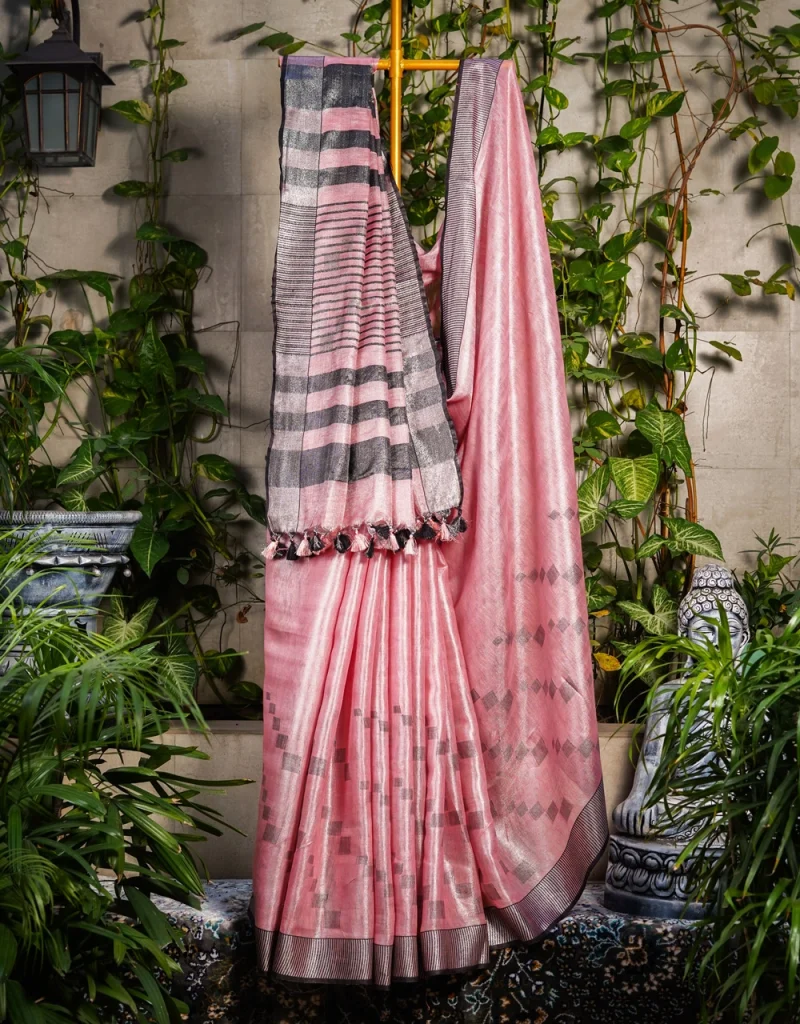
    The Rajputi saree style originates from Rajasthan’s royal and cultural traditions. It is designed not just for beauty, but also for dignity, structure, and ease of movement within traditional attire norms. Unlike modern drapes that flow loosely, this style is more structured and grounded.
    Key Features That Define How to Wear Rajputi Saree

    What makes it unique is:

    • Pleats arranged in a more controlled and often back-focused manner
    • A neatly placed pallu that enhances the regal appearance
    • A silhouette that looks elegant yet strong
    • A sense of tradition deeply tied to Rajasthani culture

    Once you understand this, learning how to wear Rajputi saree becomes much easier because you know why each step exists.

    Many women who explore ethnic fashion eventually experiment with different sarees while they buy sarees online India, and later discover that Rajputi draping offers something truly distinctive compared to other styles.

    Styling Tip: Choose Colors That Reflect Rajasthani Royalty

    When it comes to how to wear Rajputi saree and making a strong visual impression, color matters deeply. The Rajputi tradition is known for bold, rich tones think deep reds, royal blues, emerald greens, and warm saffron. For weddings and festivals, lean into these richer hues. If you’re wearing it for a daytime family event, softer pastels like blush pink or ivory with contrast borders can look equally regal without being too heavy.

    Understanding the Mindset Before Learning How to Wear Rajputi Saree

    One of the most overlooked parts of learning how to wear Rajputi saree is mindset. This is not just a quick outfit change it’s a structured traditional drape that rewards patience.

    Think of It as a Process

    Instead of rushing, think of it as a process:

    • You are building shape step by step
    • Every fold has a purpose
    • Balance matters more than speed

    When you approach it calmly, learning how to wear Rajputi saree becomes surprisingly enjoyable rather than stressful.

    Preparing Yourself Before You Start Draping

    Preparation makes a huge difference in how smoothly the process goes. Before you even begin how to wear Rajputi saree, set up everything properly.

    Clothing Basics for How to Wear Rajputi Saree

    • Wear a fitted petticoat that sits firmly at your waist
    • Choose a blouse that fits well around shoulders and bust
    • Avoid loose inner layers that may shift while draping

    Practical Setup

    • Keep safety pins within reach
    • Stand in front of a full-length mirror
    • Wear comfortable footwear before starting

    Comfort is important because learning how to wear Rajputi saree takes a little adjustment in the beginning.

    If you are still building your ethnic wardrobe, many people prefer to buy georgette sarees or lighter fabrics first because they are easier to practice draping styles on before moving to structured traditional styles like Rajputi.

    Styling Tip: Match Your Blouse to Elevate the Entire Look

    The blouse you choose can completely transform how to wear Rajputi saree looks on you. A contrast blouse in a complementary color for example, a deep maroon blouse with a golden saree gives an instantly royal feel. Opt for elbow-length or three-quarter sleeves with mirror work, gota patti, or zari embroidery along the edges to stay true to the Rajasthani aesthetic. Avoid heavily padded or Western-cut blouses as they can break the traditional silhouette.

    Designer Inspiration: For authentic Rajputi saree designs and styling references, explore the work of Anita Dongre, one of India’s leading designers known for her deeply rooted Rajasthani-inspired collections.

    How to Wear Rajputi Saree: The Step-by-Step Draping Process

    Now let’s get into the actual process of how to wear Rajputi saree, broken down clearly so every step is easy to follow.

    Step 1: Starting the Base Tuck

    Begin by holding the plain end of the saree. Start from the right side of your waist and tuck it neatly into the petticoat.

    Wrap the saree once around your waist in a smooth circular motion. The bottom edge should just touch the floor lightly never drag heavily or sit too high.

    This first step is the foundation of how to wear Rajputi saree, so don’t rush it. A stable base ensures everything else stays in place.

    Step 2: Building the First Layer of Pleats

    Now comes one of the most defining steps of how to wear Rajputi saree.

    Take the remaining fabric and start forming small, even pleats. Unlike modern drapes where pleats fall in front, Rajputi pleats are structured differently.

    Key Points for Pleating While Draping How to Wear Rajputi Saree

    • Keep pleats uniform in width
    • Do not make them too loose
    • Hold them firmly before placing

    These pleats are often guided toward the back or side depending on style preference.

    This step shapes the entire structure of how to wear Rajputi saree, so patience is essential here.

    Step 3: Securing the Back Structure

    Once your pleats are ready, gently tuck them at the back waist. This is one of the most important parts of how to wear Rajputi saree, because it creates the signature Rajputi silhouette.

    What to Check When Securing the Back

    • The pleats are evenly spread
    • They are securely tucked in
    • They feel stable but not tight

    You can use pins for extra support if needed.

    This back structure is what gives the Rajputi saree its royal, composed appearance.

    Step 4: Creating the Pallu Flow

    Now take the remaining fabric and bring it over your right shoulder.

    This is where how to wear Rajputi saree starts to look visually complete. The pallu should fall smoothly and not appear twisted or uneven.

    Pallu Placement Options in How to Wear Rajputi Saree

    Depending on preference, the pallu can:

    • Fall straight for a clean look
    • Be slightly pleated for a structured appearance

    The key is maintaining balance and neatness.

    Styling Tip: Use the Pallu as a Statement Piece

    The pallu is the most visible part of how to wear Rajputi saree, so treat it as your canvas. If your saree has heavy embroidery or a rich border on the pallu, let it drape openly so the work is fully visible. You can also pin the pallu at the shoulder with a decorative brooch — a traditional kundan or meenakari brooch works beautifully and adds an extra layer of authenticity to the drape. Avoid tucking the pallu away at the back as it hides the most beautiful part of the saree.

    Step 5: Front Adjustment and Final Balance

    After the pallu is in place, gently adjust the front area. This step is often skipped, but it is essential in how to wear Rajputi saree.

    Front Checks for How to Wear Rajputi Saree

    • Smooth waistline
    • Even pleats at the front
    • Proper alignment of fabric

    Small adjustments here make a big difference in the final look.

    Step 6: Final Traditional Styling Touch

    Once the draping is done, styling completes the look.

    To enhance how to wear Rajputi saree, you can add:

    • Traditional jewelry like chokers or long necklaces
    • Bangles or kada sets
    • Maang tikka for festive occasions
    • A neatly tied bun or braid

    The goal is not to overdo it but to complement the saree’s structure.

    Many women who experiment with fabrics while they buy linen saree or other lightweight options later realize that Rajputi styling requires slightly more structured accessories.

    Styling Tip: Layer Your Jewelry the Rajputi Way

    Jewelry is not an afterthought in how to wear Rajputi saree it is half the look. The Rajputi style traditionally calls for layered, statement jewelry. Start with a heavy choker or a long raani haar, add a bajuband on the upper arm, stack glass or lac bangles from wrist to elbow, and finish with large jhumkas or chandbali earrings. Keep your rings minimal if your bangles are heavy. The idea is to look adorned but not cluttered every piece should feel intentional and connected to the regal spirit of the drape.

    Brand Reference: For traditional Rajasthani jewelry to pair with how to wear Rajputi saree, browse collections at Tanishq, known for heritage-inspired Indian jewelry designs that complement royal drapes beautifully.

    Choosing the Right Fabric for How to Wear Rajputi Saree

    Fabric choice plays a huge role in learning how to wear Rajputi saree effectively.

    Best Fabric Options

    • Cotton blends for beginners
    • Cotton silk saree options for a balanced festive look
    • Buy silk saree options for festive and wedding looks
    • Light georgette for practice or comfort

    Exploring Tussar and Specialty Weaves

    If you want to explore more textured options, you can buy tussar silk saree varieties, which offer a naturally structured drape that suits the Rajputi style well. A linen blend saree can also be a good transitional fabric if you prefer something structured but breathable.

    The right fabric ensures that learning how to wear Rajputi saree becomes easier and more stable.

    Styling Tip: Match Fabric Weight to the Occasion

    Not every fabric suits every occasion when it comes to how to wear Rajputi saree. For summer weddings and daytime festivals, go with lighter fabrics like linen blends or soft cotton silk they drape well without making you feel heavy or warm. For evening ceremonies and winter celebrations, a rich silk or banarasi weave adds the right amount of weight and sheen that truly elevates the Rajputi look. Tussar silk sits beautifully in the middle it has enough body to hold pleats well and enough texture to look traditionally rich without being too formal.

    Common Mistakes Beginners Should Avoid When Learning How to Wear Rajputi Saree

    When learning how to wear Rajputi saree, many people face small challenges.

    What to Avoid

    • Loose or uneven pleats
    • Incorrect pallu placement
    • Over-accessorizing
    • Weak petticoat grip

    Even one small mistake can affect the final look, so take your time.

    Styling Tip: Keep Makeup Balanced with the Heaviness of the Saree

    One area many women overlook in how to wear Rajputi saree is makeup. A heavily embroidered or deeply colored Rajputi saree calls for makeup that enhances rather than competes. A classic look would be a bold lip in deep red or plum, kohl-lined eyes with a subtle shimmer, and a bindi that matches or complements the saree border. Avoid going overboard with contouring or glitter the saree already makes a statement on its own, and your makeup should frame your face gracefully, not overpower the drape.

    When You Can Wear Rajputi Saree

    The beauty of learning how to wear Rajputi saree is its versatility for traditional occasions.

    Perfect Occasions for How to Wear Rajputi Saree

    • Weddings
    • Festivals
    • Cultural programs
    • Family ceremonies

    It is especially popular in Rajasthani cultural events, where it reflects tradition and pride.

    Styling Tip: Adapt the Look Based on the Occasion

    How to wear Rajputi saree can look different depending on where you are wearing it. For a wedding as a guest, go with silk or banarasi in jewel tones with full traditional jewelry. If you are part of a cultural program or stage performance, prioritize comfort choose a lighter fabric and minimal but visible jewelry so your movements are easy and your look reads well from a distance. For a family ceremony at home, a simple cotton silk in muted tones with subtle gold jewelry strikes a warm and elegant balance without looking overdressed.

    Practicing Makes Everything Easier

    No one masters how to wear Rajputi saree in a single attempt.

    Practice Tips for How to Wear Rajputi Saree at Home

    • Try draping at home before events
    • Use a mirror for better alignment
    • Practice pleating slowly
    • Repeat steps until comfortable

    With time, how to wear Rajputi saree becomes second nature.

    Building a Balanced Ethnic Wardrobe to Support How to Wear Rajputi Saree

    A good wardrobe helps you experiment better with styles.

    Start with These Wardrobe Essentials

    • Everyday cotton or simple sarees
    • Festive silk pieces
    • Lightweight georgette sarees

    Many people begin their journey by exploring options when they buy tissue silk saree, and later expand into traditional drapes like Rajputi.

    This variety helps you understand different draping techniques, including how to wear Rajputi saree, more easily.

    Explore More: For a curated range of ethnic sarees suitable for how to wear Rajputi saree practice and styling, check out FabIndia, a trusted brand offering handcrafted Indian textiles including silk, cotton, and linen weaves rooted in traditional craftsmanship.

    Why Rajputi Saree Still Stands Out Today

    Even in modern fashion, how to wear Rajputi saree remains relevant because it connects deeply with heritage.

    What How to Wear Rajputi Saree Represents

    • Cultural pride
    • Traditional elegance
    • Timeless beauty
    • Structured grace

    It is not just fashion it is identity.

    Styling Tip: Modernize Without Losing Tradition

    You don’t have to look like a museum piece when you learn how to wear Rajputi saree today. Many modern women are pairing the traditional Rajputi drape with contemporary blouse cuts — think off-shoulder, halter neck, or a cape-style blouse in the same fabric. You can also experiment with printed or block-printed sarees in traditional Rajasthani motifs like leheriya or bandhani for a fresh yet rooted feel. The key is to keep the draping style authentic while allowing your personal style to speak through the blouse, accessories, and color story you build around it.

    Final Thoughts on How to Wear Rajputi Saree

    Learning how to wear Rajputi saree is a journey of patience, practice, and appreciation. At first, it may feel detailed and slightly complex, but once you understand the structure, it becomes smooth and natural.

    Every pleat, every tuck, and every fold has meaning. And when everything comes together, the result is a graceful, royal look that stands out effortlessly.

    So take your time, practice slowly, and enjoy the process. Because once you truly understand how to wear Rajputi saree, you’re not just wearing a saree you’re carrying forward a beautiful tradition with confidence and pride.

    FAQs

    What is special about a Rajputi saree drape?

    A Rajputi saree drape is known for its royal and structured style inspired by Rajasthani tradition. Unlike regular sarees, it features back pleats and a neatly arranged pallu that creates an elegant silhouette. Learning how to wear Rajputi saree helps achieve a graceful and cultural look, often worn for weddings and festivals. It represents heritage, dignity, and timeless beauty, making it a popular choice for special traditional occasions.

    What fabric is best for wearing a Rajputi saree?

    The best fabrics for a Rajputi saree are silk, cotton blends, and lightweight georgette. These materials hold structure well and make draping easier. While learning how to wear Rajputi saree, beginners often prefer a cotton blend saree for comfort and practice. For festive occasions, silk gives a rich, royal finish. Choosing the right fabric ensures the drape stays neat, elegant, and comfortable throughout the event.

    Is it difficult to learn how to wear Rajputi saree?

    No, it is not very difficult, but it may take a little practice. Once you understand the steps, learning how to wear Rajputi saree becomes quite simple. The key is making neat pleats, securing them properly, and adjusting the pallu correctly. Practicing in front of a mirror helps a lot. After a few tries, the drape becomes easier and more natural, allowing you to achieve a perfect traditional look confidently.

    Can Rajputi saree be worn for modern occasions?

    Yes, a Rajputi saree can be styled for both traditional and modern occasions. While learning how to wear Rajputi saree, you can experiment with minimal jewelry and lighter fabrics for a contemporary touch. It is commonly worn at weddings, cultural events, and festive gatherings, but can also be adapted for themed parties. The versatility of this drape allows it to blend tradition with modern elegance beautifully.

  • Different Types of Sarees in India You Must Know About

    Different Types of Sarees in India You Must Know About

    India and sarees share a relationship that goes far beyond fashion. A saree is not just something you wear it’s something you experience. It reflects where you come from, what you celebrate, and how traditions quietly live on in everyday life. What makes this even more fascinating is the incredible variety across the country. There are so many different types of sarees that each one feels like a story waiting to be told.

    If you’ve ever browsed options to buy sarees online India, you’ve probably noticed how overwhelming the choices can be. Silk, cotton, handloom, printed, embroidered the list goes on. But once you start understanding the different types of sarees, it becomes easier to appreciate what makes each one special and where it fits into your wardrobe.

    Let’s take a deeper, more relaxed look at some of the most loved sarees in India and why they continue to hold such an important place in our lives.

    Why Knowing Different Types of Sarees Actually Matters

    At first, all sarees might seem similar. But the more you explore, the more you realize how different they truly are. Each region in India has developed its own weaving techniques, patterns, and fabrics based on climate, culture, and lifestyle.

    What Understanding Different Types of Sarees Helps You Do

    Understanding different types of sarees helps you:

    • Pick the right saree for different occasions
    • Understand fabric and comfort levels
    • Appreciate traditional craftsmanship
    • Make better decisions while shopping

    It also helps you avoid buying something that looks beautiful online but doesn’t suit your needs in real life.

    Banarasi Saree – The Definition of Royal Elegance Among Different Types of Sarees

    Let’s start with one of the most iconic sarees Banarasi. Originating from Varanasi, this saree is known for its luxurious silk fabric and detailed zari work.

    Among all the different types of sarees, Banarasi holds a special place because of its association with weddings and grand celebrations. The intricate designs often feature floral patterns, paisleys, and Mughal-inspired motifs.

    Why Banarasi Never Goes Out of Style

    Owning a Banarasi saree is often seen as owning a piece of heritage. It’s the kind of saree that never goes out of style.

    Styling Tip: How to Wear Banarasi the Right Way

    Pair a Banarasi with a contrasting silk blouse in a jewel tone deep green with a red saree, or royal blue with a gold one. Keep your jewelry heavy and traditional: a choker, jhumkas, and a maang tikka work beautifully. Pin the pallu at the shoulder with a decorative brooch so the zari work stays fully visible. Avoid heavily embellished dupattas or stoles the Banarasi itself is the statement.

    Designer Inspiration: Sabyasachi Mukherjee is one of India’s most celebrated designers known for reviving and reimagining Banarasi and other heritage weaves. His collections are a masterclass in how to style different types of sarees with authenticity and grandeur.

    Kanjeevaram Saree – Strong, Vibrant, and Timeless Among Different Types of Sarees

    Kanjeevaram sarees from Tamil Nadu are known for their bold colors and durable silk. These sarees are heavier compared to others, but they offer a structured and rich look.

    What Sets Kanjeevaram Apart Among Different Types of Sarees

    What sets them apart among different types of sarees is their contrasting borders and traditional motifs inspired by temples and nature. They are especially popular for bridal wear and festive occasions.

    Styling Tip: Getting the Most Out of a Kanjeevaram

    Because Kanjeevaram sarees are heavier, balance is key. Choose a well-fitted, structured blouse a boat neck or square neck in the same fabric works elegantly. Keep your hair up in a classic bun adorned with fresh jasmine flowers or a gold hair accessory. Temple jewelry long gold necklaces, thick bangles, and large ear studs complements the traditional motifs perfectly. Avoid modern or fusion accessories as they can clash with the saree’s classical character.

    Chanderi Saree – Subtle and Graceful Among Different Types of Sarees

    Chanderi sarees are perfect for those who prefer something light yet elegant. Made in Madhya Pradesh, these sarees are known for their sheer texture and soft shine.

    When to Choose Chanderi from the Different Types of Sarees

    Among the different types of sarees, Chanderi is ideal for daytime functions or occasions where you want to keep things simple yet refined.

    Styling Tip: Keep It Soft and Understated

    Chanderi’s delicate texture calls for equally delicate styling. Pair it with a silk or satin blouse in a tone-on-tone shade. Choose lightweight silver or polki jewelry instead of heavy gold sets. A loose, low bun with minimal hair accessories keeps the look fresh and effortless. Since the fabric is sheer, make sure your petticoat and blouse are well-fitted any mismatch in inner layers shows through easily.

    Bandhani Saree – A Burst of Color in the World of Different Types of Sarees

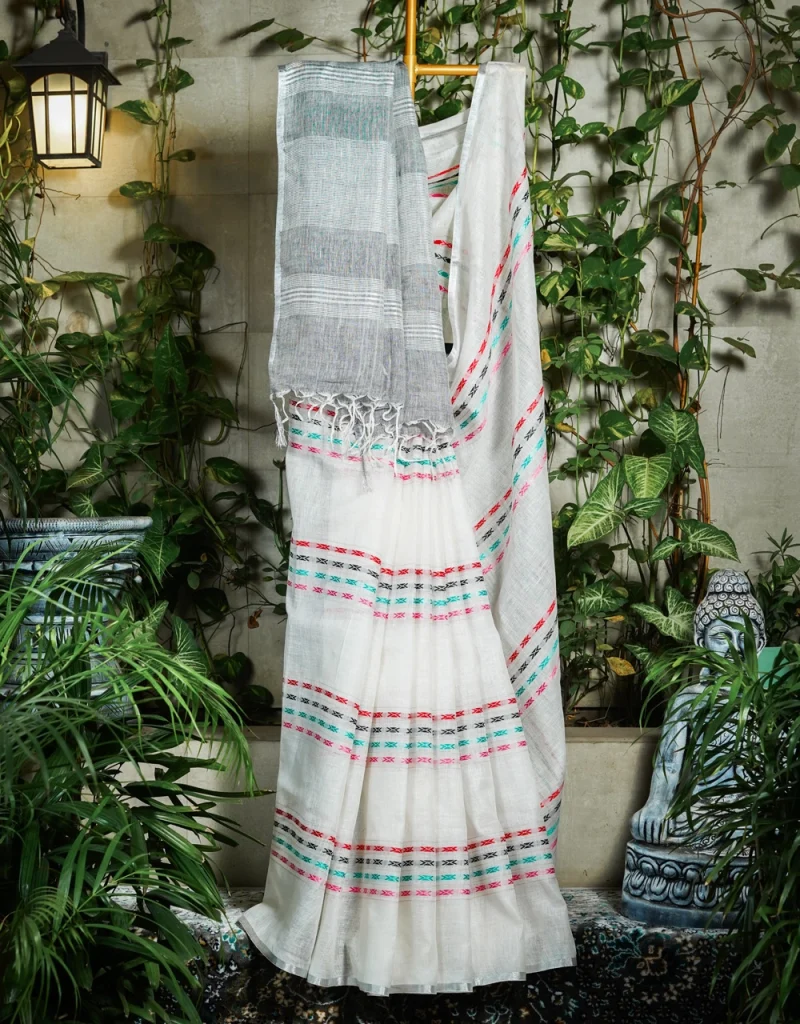
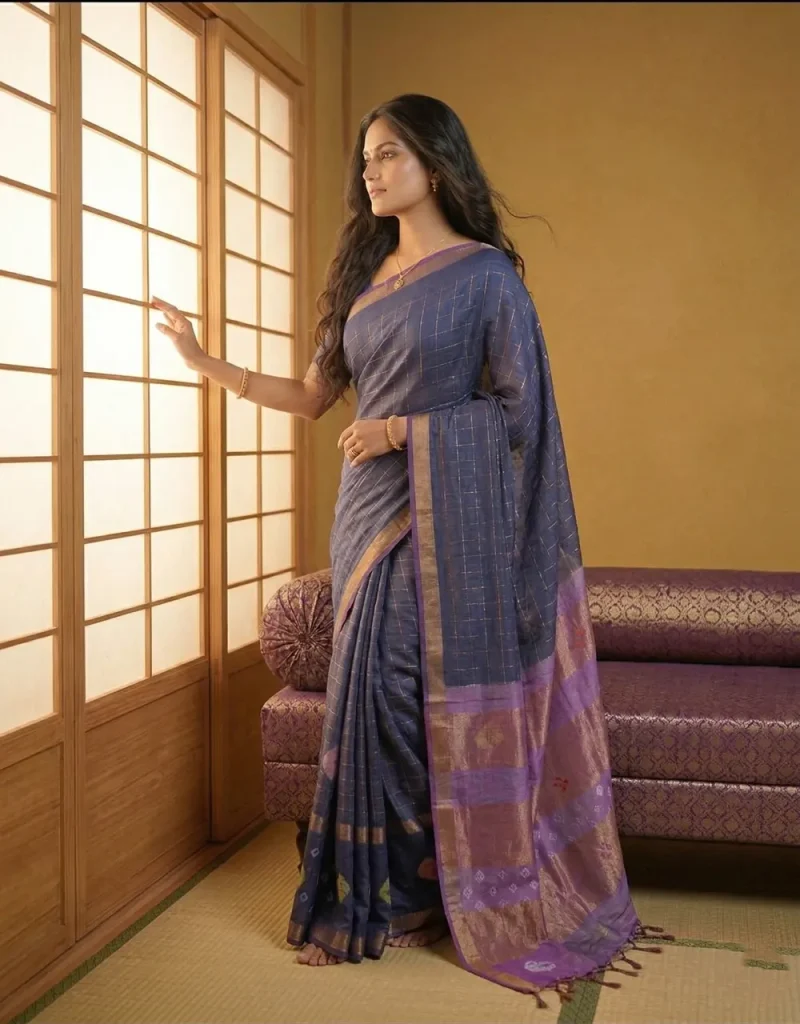
    Bandhani sarees come from Gujarat and Rajasthan and are famous for their tie-dye technique. These sarees are bright, lively, and full of personality.

    How Bandhani Represents Regional Traditions Among Different Types of Sarees

    They beautifully represent how different types of sarees reflect regional traditions. Bandhani is especially popular during festivals and celebrations.
    Styling Tip: Let the Colors Lead

    With Bandhani, your saree does all the talking. Keep your blouse simple a plain blouse in one of the colors within the tie-dye pattern works best. Opt for traditional Rajasthani or Gujarati jewelry: oxidized silver pieces, tribal-inspired earrings, or colorful lac bangles that echo the vibrancy of the saree. A middle parting with a simple braid or a low bun keeps the look authentic and grounded.

    Tant Saree – Perfect for Everyday Wear Among Different Types of Sarees

    Tant sarees from West Bengal are designed for comfort. They are lightweight, breathable, and easy to manage.

    Why Tant Is One of the Most Practical Different Types of Sarees

    If you’re looking for something practical, a cotton silk saree inspired by Tant styles works wonderfully. Among the different types of sarees, this one is ideal for daily wear and warm climates.

    Styling Tip: Keep Everyday Styling Relaxed and Real

    For everyday wear, drape your Tant or cotton saree in the Bengali style the front pleats folded neatly and the pallu draped over the left shoulder. A simple cotton blouse in white or a light contrast color keeps it clean. Minimal accessories small gold studs, a thin bangle, and a bindi complete the look without overdoing it. Iron your saree lightly beforehand as cotton tends to crease.

    Patola Saree – Detailed and Luxurious Among Different Types of Sarees

    Patola sarees are known for their complex weaving technique, where both the warp and weft threads are dyed before weaving. This makes them one of the most intricate different types of sarees.

    What Makes Patola One of the Most Prized Different Types of Sarees

    They are often seen as luxury pieces and are usually worn on special occasions.
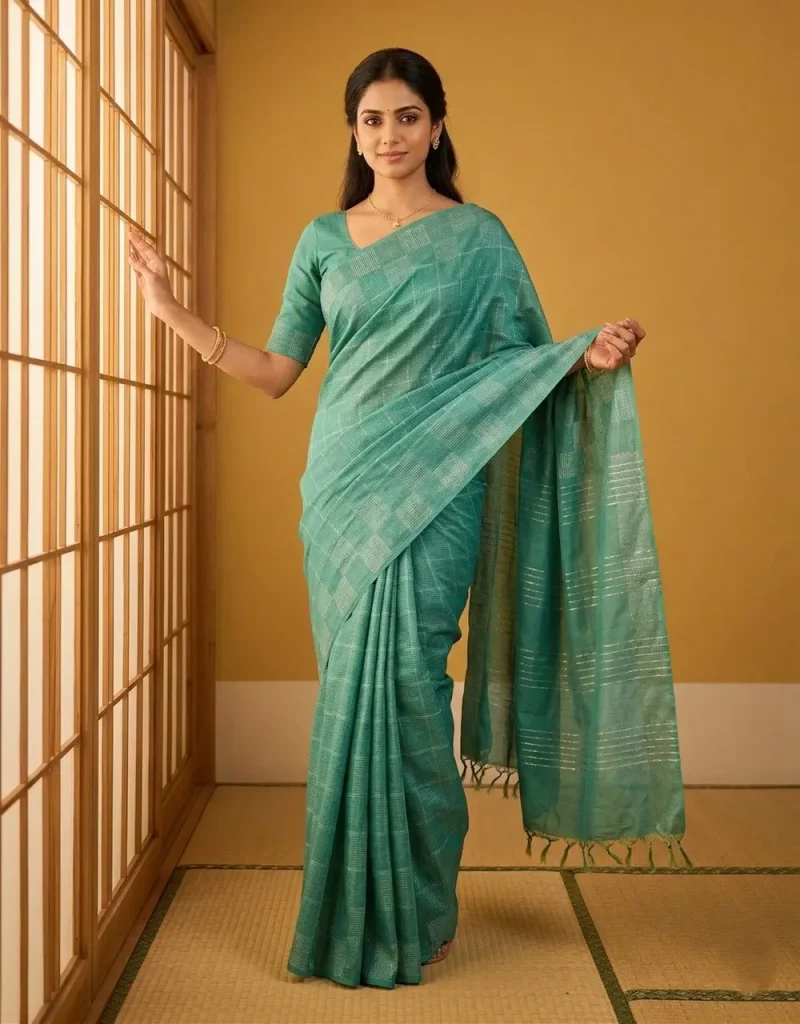
    Styling Tip: Honor the Craft with Simple Styling

    Because Patola sarees are so visually rich, keep everything else minimal. A plain blouse in one dominant color from the saree’s palette is ideal. Choose gold jewelry that is elegant but not too heavy a simple pendant necklace, stud earrings, and a thin kada. Let the weave speak for itself. Over-accessorizing a Patola is one of the most common styling mistakes.

    Brand Reference: Ekaya Banaras is a premium brand celebrated for its handwoven silk sarees including Patola-inspired and Banarasi weaves. A wonderful destination to explore different types of sarees rooted in authentic Indian craftsmanship.

    Georgette Saree – Light and Easy to Carry Among Different Types of Sarees

    Georgette sarees are a favorite for many because they are lightweight and easy to drape. They flow beautifully and require minimal effort to maintain.

    Why Georgette Is One of the Most Versatile Different Types of Sarees

    If you’re planning to buy georgette sarees, you’ll find options that blend traditional designs with modern patterns. Among the different types of sarees, georgette is one of the most versatile choices.

    Styling Tip: Play With Modern and Traditional Fusion

    Georgette sarees lend themselves beautifully to fusion styling. Try pairing a printed georgette saree with a structured blazer-style blouse for a modern office look, or go traditional with a heavily embroidered blouse for an evening function. Since the fabric flows easily, a pre-stitched or pre-draped georgette saree is a great option for beginners who are still learning different types of sarees and their draping styles.

    Linen Saree – Understated and Stylish Among Different Types of Sarees

    Linen sarees have become increasingly popular for their minimal and clean look. A linen blend saree offers a structured appearance while remaining comfortable.

    Why Linen Belongs in Every Wardrobe of Different Types of Sarees

    If you want something that works for both casual and formal settings, you can consider exploring options to buy linen saree. Among the different types of sarees, linen fits perfectly into modern wardrobes.

    Styling Tip: Style Linen for a Smart, Contemporary Look

    Linen sarees work especially well for professional or semi-formal settings. Pair yours with a well-tailored blouse in a complementary solid color ivory, olive, or slate grey work beautifully. Minimal accessories are key: a delicate chain, small earrings, and a structured clutch. Pull your hair back in a neat bun or a low ponytail. Avoid heavy embroidery or loud prints in the blouse as they undermine linen’s signature clean aesthetic.

    Khadi Saree – Simple Yet Meaningful Among Different Types of Sarees

    Khadi sarees carry a sense of history and authenticity. They are handwoven and have a raw, natural texture that makes them stand out.

    Why Khadi Is One of the Most Rooted Different Types of Sarees

    When you buy khadi saree online, you’re supporting traditional artisans and sustainable fashion. Among the different types of sarees, khadi is deeply rooted in Indian heritage.

    Styling Tip: Embrace the Natural and Earthy Aesthetic

    Khadi’s raw texture pairs well with natural, earthy tones. Style it with a handblock-printed or plain cotton blouse. Choose accessories in terracotta, wood, or oxidized metal they complement the organic feel of the fabric. Keeping your overall look natural and unfussy honors the spirit of khadi. Avoid synthetic accessories or heavily embellished blouses they clash with khadi’s honest, hand-crafted soul.

    Tissue Silk Saree – Light with a Touch of Shine Among Different Types of Sarees

    Tissue silk sarees are known for their delicate shimmer and lightweight feel. They are perfect for occasions where you want to look elegant without going overboard.

    What Makes Tissue Silk Special Among Different Types of Sarees

    If you’re planning to buy tissue silk saree, go for softer shades for a refined look. These are among the different types of sarees that balance glamour with simplicity.

    Styling Tip: Let the Shimmer Do the Work

    Because tissue silk already carries a natural glow, keep your blouse understated a plain silk or satin blouse in a matching or complementary shade. Choose jewelry that adds sparkle without overpowering: pearl drops, a simple diamond or stone pendant, and a thin gold bangle. Avoid matte or heavily embroidered blouses as they dull the shimmer that makes tissue silk so beautiful.

    Kasavu Saree – Minimal Yet Beautiful Among Different Types of Sarees

    Kasavu sarees from Kerala are known for their off-white base and golden borders. They are simple, elegant, and deeply traditional.

    Why Kasavu Is a Standout Among Different Types of Sarees

    Among the different types of sarees, Kasavu is a reminder that simplicity can be incredibly powerful.

    Styling Tip: Honor Tradition with a Clean, Classic Look

    Style a Kasavu with a plain white or cream blouse with a subtle gold border to match the saree’s zari. Keep jewelry minimal and traditional small gold studs, a thin gold chain, and a few gold bangles. Fresh jasmine flowers in your hair are the most authentic finishing touch. The beauty of Kasavu lies in its restraint, so resist the urge to add color or extra layers.

    Paithani Saree – Rich in Color and Craft Among Different Types of Sarees

    Paithani sarees from Maharashtra are known for their vibrant colors and detailed motifs, especially peacocks and floral patterns.

    Why Paithani Is Among the Most Treasured Different Types of Sarees

    They are often passed down through generations, making them one of the most treasured different types of sarees.

    Styling Tip: Style Paithani Like the Heirloom It Is

    Pair a Paithani with a plain silk blouse in one of the colors from the saree’s border. Traditional Maharashtrian jewelry works beautifully here: a thushi necklace, nath, and green glass bangles for an authentic look. Style your hair in a traditional bun adorned with a gajra. Because Paithani is often passed down as an heirloom, styling it traditionally honors both the craft and the sentiment behind it.

    Nauvari Saree – A Unique Draping Style Among Different Types of Sarees

    The Nauvari saree is quite different from the usual draping styles. It is worn like a dhoti, allowing greater movement and flexibility.

    How Nauvari Stands Out Among Different Types of Sarees

    Among the different types of sarees, Nauvari stands out for its practicality and cultural significance.

    Styling Tip: Keep the Look Bold and Traditional

    The Nauvari drape commands a confident, strong look. Style it with a fitted blouse with short sleeves or a traditional choli. Bold Maharashtrian jewelry a mohan mala, large jhumkas, and a nath complete the look powerfully. Wear your hair in a high bun or a braid adorned with flowers. Since the draping style already makes a strong statement, let your jewelry and blouse match its energy with equal boldness.

    Brand Reference: FabIndia is a trusted destination for handcrafted Indian textiles across many regions a reliable starting point when exploring different types of sarees with a focus on traditional craftsmanship and sustainable sourcing.

    How to Choose the Right Saree for Your Needs

    With so many different types of sarees, choosing the right one can feel confusing. But it becomes easier when you focus on a few key points:

    Key Factors When Choosing Among Different Types of Sarees

    • Occasion: Weddings, festivals, or daily wear
    • Fabric: Comfort is just as important as style
    • Design: Choose something that reflects your personality

    When you explore options to buy silk saree or any other variety online, these factors can help you make smarter choices.

    Styling Tip: Create a Mood Board Before You Shop for Different Types of Sarees

    Before purchasing any of the different types of sarees, put together a simple mood board a few reference images of the look you want to achieve, including the occasion, jewelry style, and blouse preference. This helps you visualize the complete look rather than just falling for a beautiful fabric in isolation. Many women end up with stunning sarees that sit unused because they never planned the full styling story around them.

    Building Your Own Collection of Different Types of Sarees

    You don’t need to own every type of saree. A small, thoughtful collection can go a long way.

    Where to Start When Collecting Different Types of Sarees

    Start with:

    • A comfortable everyday saree
    • A festive saree for celebrations
    • A classic saree for special occasions

    As you explore more different types of sarees, you can slowly add pieces that match your lifestyle and preferences.

    Styling Tip: Invest in Versatile Blouses Across Different Types of Sarees

    One of the smartest moves when building a collection of different types of sarees is investing in well-made, versatile blouses. A good contrast blouse in a rich color like emerald, burgundy, or midnight blue can be paired across multiple saree types. Similarly, a plain silk blouse in ivory or gold works as a neutral across festive sarees. This means you need fewer sarees to create more complete, polished looks.

    You can also explore options like a buy tussar silk saree to add a textured, mid-range festive piece that bridges everyday and celebratory occasions beautifully.

    Common Mistakes to Avoid When Exploring Different Types of Sarees

    Even with so many options, it’s easy to make small mistakes when choosing sarees:

    Mistakes That Undermine the Beauty of Different Types of Sarees

    • Prioritizing looks over comfort
    • Ignoring fabric quality
    • Buying without checking details online

    Understanding different types of sarees helps you avoid these mistakes and make better decisions.
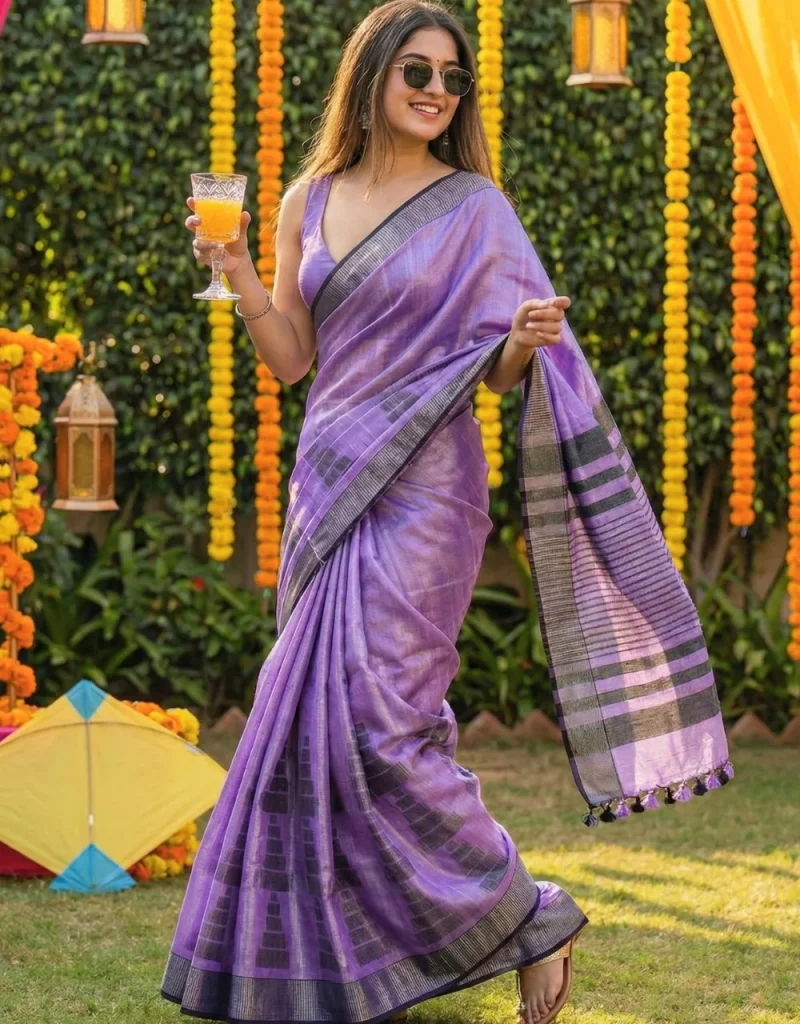
    Styling Tip: Always Do a Full Trial Before the Actual Occasion

    Never wear a new saree especially one of the more structured or heavier different types of sarees for the first time on an actual occasion. Do a full trial at home: drape it completely, wear your heels, put on your jewelry, and check the fall, the pallu, and your overall comfort while sitting, standing, and walking. Small issues like an uneven hemline or a blouse that gaps at the back are best fixed before the event, not during it.

    The Cultural Importance of Different Types of Sarees

    Sarees are more than just garments they’re a part of India’s identity. Each weave, pattern, and fabric tells a story about the region it comes from.

    Why Different Types of Sarees Matter Beyond Fashion

    When you explore different types of sarees, you’re not just exploring fashion you’re discovering history, art, and tradition.

    Styling Tip: Wear Your Saree with Regional Context in Mind

    Every saree carries cultural weight, and styling it with that context in mind makes the look feel more intentional and respectful. If you’re wearing a Kanjeevaram at a South Indian wedding, traditional temple jewelry and a classic drape are appropriate. If you’re wearing a Bandhani at a Garba night, colorful accessories and a traditional Gujarati drape fit the occasion. Understanding the origin of your saree and where it sits among the different types of sarees helps you style it with the authenticity it deserves.

    Final Thoughts on Different Types of Sarees

    The beauty of sarees lies in their diversity. No two sarees are exactly the same, and that’s what makes them so special. From rich silks to simple cottons, from bold patterns to subtle designs, there’s something for everyone.

    Exploring different types of sarees is a journey. It’s about finding what resonates with you, what feels comfortable, and what makes you feel confident.

    So take your time, experiment a little, and enjoy the process. Because once you truly start appreciating the different types of sarees, you’ll realize it’s not just about what you wear it’s about how it connects you to something much bigger.

    FAQs

    Why are there so many different types of sarees in India?

    India’s diversity in culture, climate, and traditions has led to the creation of many different types of sarees. Each region developed its own weaving styles, fabrics, and patterns based on local needs and customs. For example, lighter sarees are common in warmer areas, while richer silks are used for celebrations. This variety reflects India’s heritage, making sarees more than just clothing they represent identity, craftsmanship, and centuries-old traditions passed down through generations.
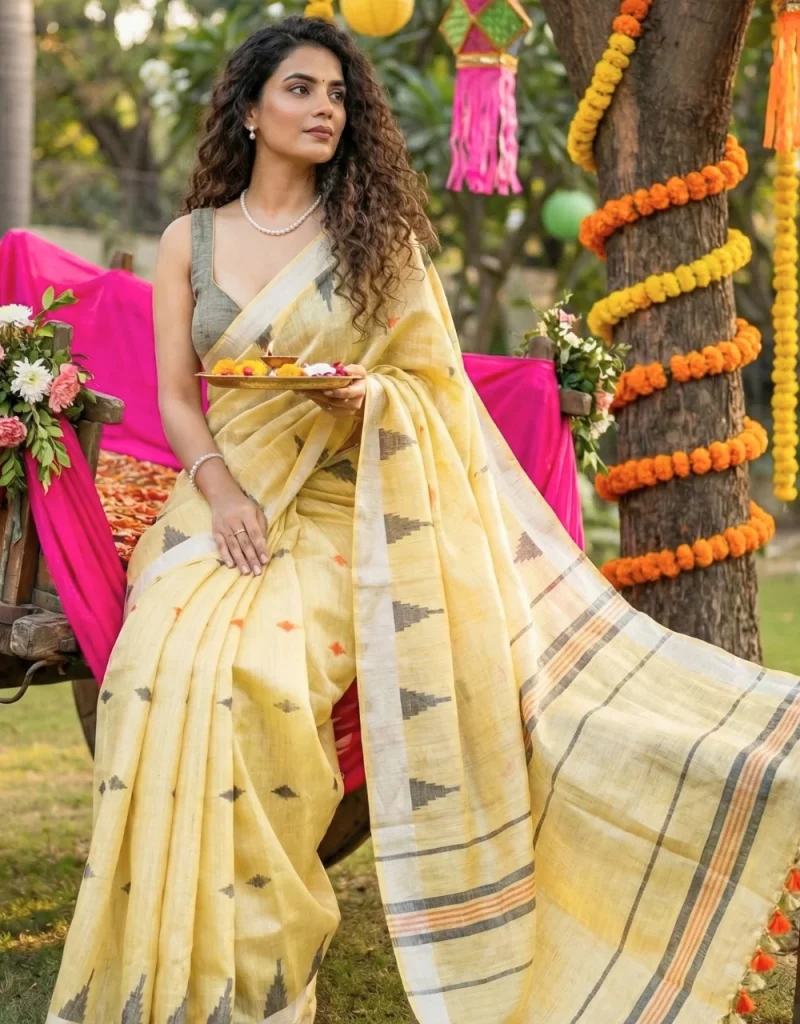
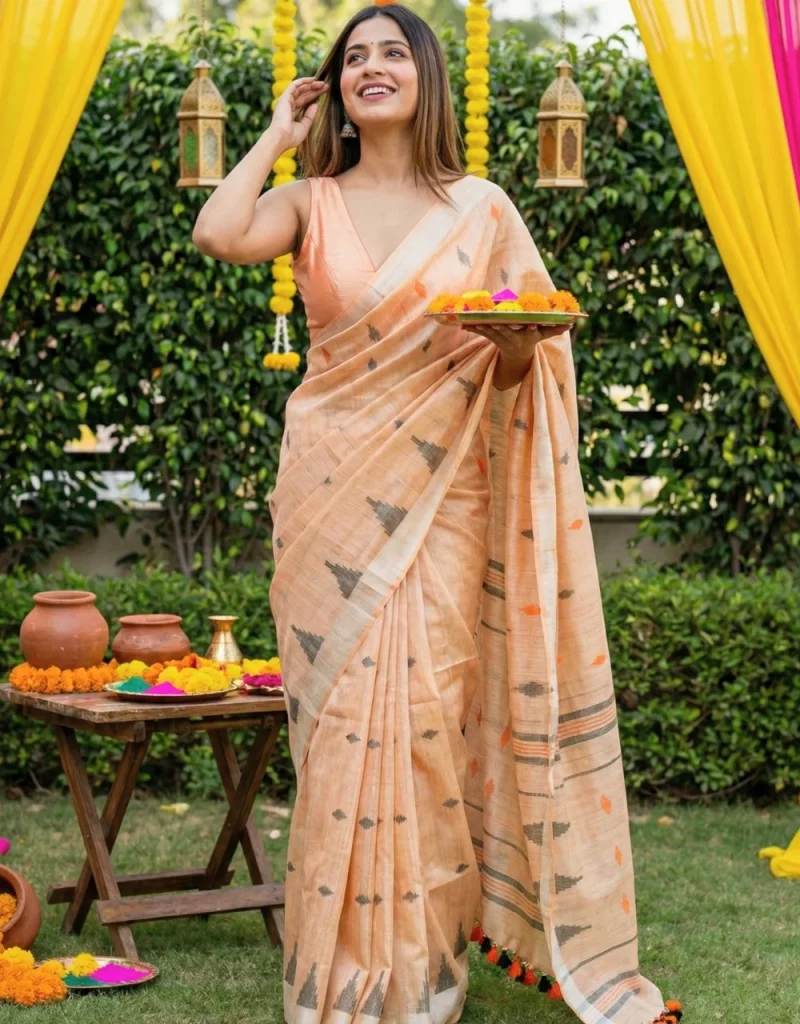
    Which different types of sarees are best for daily wear?

    For daily wear, lightweight and breathable fabrics work best. Among the different types of sarees, cotton, linen, and simple georgette sarees are ideal because they are comfortable and easy to manage. They allow free movement and don’t feel heavy during long hours. Choosing subtle designs and soft colors also helps maintain a practical yet elegant look. These sarees are perfect for work, casual outings, or everyday use without compromising on comfort or style.
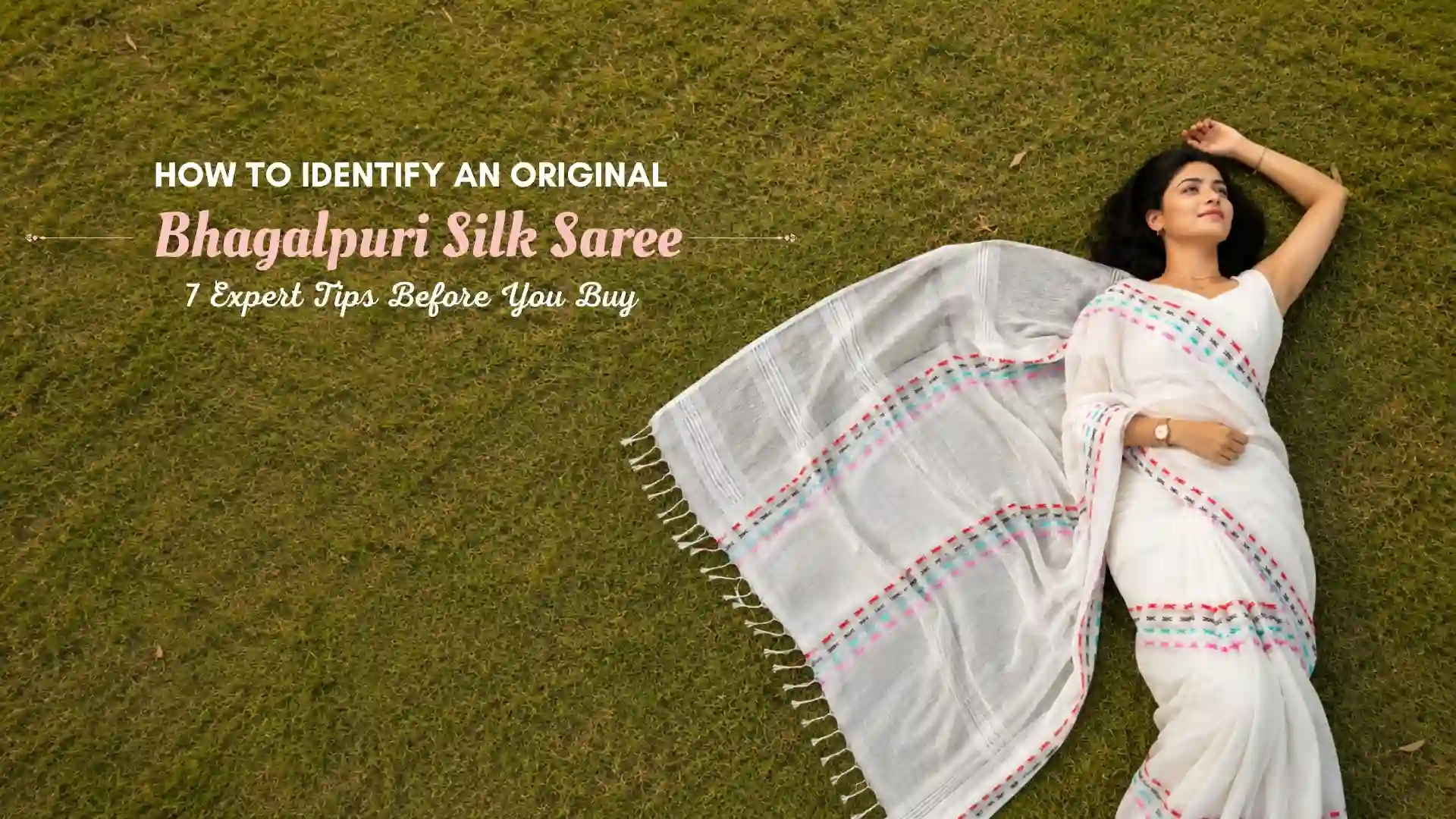
    How do I choose the right saree from different types of sarees?

    Choosing from the many different types of sarees depends on a few key factors—occasion, fabric, and personal style. For weddings, go for silk or richly designed sarees. For casual or office wear, pick lighter fabrics like cotton or linen. Always consider comfort along with appearance. It’s also helpful to understand basic fabric qualities and draping styles. When you balance practicality with aesthetics, selecting the right saree becomes much easier and more enjoyable.

    Are traditional sarees still relevant among modern different types of sarees?

    Yes, traditional styles remain highly relevant among modern different types of sarees. In fact, many contemporary designs are inspired by classic weaves like Banarasi, Kanjeevaram, and Bandhani. Designers often blend traditional techniques with modern patterns to create versatile options. This keeps sarees fresh while preserving their cultural essence. Whether for festivals, weddings, or even office wear, traditional sarees continue to hold their place, proving that timeless fashion never truly goes out of style.

  • How to Achieve a Perfect Traditional Saree Look for Any Occasion?

    How to Achieve a Perfect Traditional Saree Look for Any Occasion?

    There is something undeniably graceful about a saree. It is one of those outfits that never feels outdated, no matter how trends shift. Whether it is a wedding, a festival, a religious ceremony, or even a special family dinner, the charm of a saree lies in how effortlessly it blends elegance with tradition. And when done right, a traditional saree look does not just make you look good it makes you feel connected to something deeper.

    But let us be honest. Getting that perfect traditional saree look can sometimes feel intimidating. The draping, the styling, the accessories  it can all seem like a lot, especially if you are not used to wearing sarees regularly.

    The good news is that it is much simpler than it looks. Once you understand the basics and find your comfort zone, achieving a beautiful traditional saree look becomes second nature. This guide walks through everything you need to know, step by step, in a way that feels practical and easy to follow.

    What Defines a Perfect Traditional Saree Look?

    Before diving into styling tips, it helps to understand what really makes a traditional saree look stand out. A traditional saree look is not about wearing the most expensive saree or the heaviest jewelry it is built on simplicity, cultural essence, and thoughtful styling.

    Core Elements That Make a Traditional Saree Look Authentic

    A traditional saree look typically includes classic or regional draping styles, timeless fabrics like cotton, silk, or khadi, subtle yet meaningful accessories, and a balanced overall appearance. These elements work together to create a look that feels rooted and graceful rather than overdone.

    Why Simplicity Is the Foundation of a Traditional Saree Look

    The beauty of a traditional saree look lies in its authenticity. It does not try too hard and that is exactly why it works. A restrained, well-considered approach to styling always produces a more compelling traditional saree look than one layered with excess.

    Choosing the Right Saree for a Traditional Saree Look on Every Occasion

    One of the biggest mistakes people make is wearing the same type of saree for every occasion. The key to a flawless traditional saree look is choosing something that fits the moment. Occasion-appropriate choices make the traditional saree look feel effortless rather than forced.

    Traditional Saree Look for Everyday and Religious Functions

    For simple gatherings or temple visits, lightweight fabrics work best for a traditional saree look. A cotton blend saree is a great option here breathable, comfortable, and easy to carry for long hours. It helps maintain a soft and elegant traditional saree look without feeling overdressed.

    Why Cotton Works So Well for an Everyday Traditional Saree Look

    Cotton sarees strike the perfect balance between comfort and elegance. For a traditional saree look that needs to last through a full day of activity, cotton remains one of the most reliable choices across generations and regions.

    Traditional Saree Look for Weddings and Grand Celebrations

    Weddings call for richer fabrics and deeper colors to create a traditional saree look that matches the occasion’s grandeur. Silk sarees, especially those with traditional motifs, instantly elevate your traditional saree look. If you are looking to buy tissue silk saree, choose one with a refined sheen rather than excessive shine this ensures your traditional saree look feels elegant and not overwhelming.

    How Silk Elevates the Traditional Saree Look at Celebrations

    Silk has long been associated with ceremony and celebration in Indian culture. A well-chosen silk saree creates a traditional saree look that feels rich and considered without crossing into excess. The weight and drape of silk naturally lend structure and presence to the overall appearance.

    Traditional Saree Look for Festive Occasions

    Festivals are the perfect time to experiment slightly while staying rooted in tradition. Bright colors, light embellishments, and comfortable fabrics can help create a vibrant yet balanced traditional saree look that celebrates the spirit of the occasion.

    Balancing Color and Comfort in a Festive Traditional Saree Look

    For festivals, the traditional saree look works best when color leads the styling. Bold hues like yellow, orange, and red naturally align with festive energy while keeping the overall appearance grounded in tradition. The key is to let the saree do the talking and keep accessories restrained.

    Traditional Saree Look for Casual Family Gatherings

    For smaller events, keeping things simple is the most effective approach to a traditional saree look. A linen or georgette saree can help achieve a relaxed yet polished traditional saree look that feels appropriate without being overly formal.

    Why Georgette and Linen Work for a Relaxed Traditional Saree Look

    Both georgette and linen offer a natural ease of movement that suits informal occasions. If you are looking to buy georgette sarees, opt for subtle prints or bordered designs that enhance the traditional saree look without being too loud. The result is a quietly elegant appearance that suits most casual settings.

    How Fabric Choice Shapes Your Traditional Saree Look

    Fabric plays a huge role in how a traditional saree look comes together. The same drape can look completely different depending on the material, which is why fabric selection deserves as much attention as color or styling.

    Cotton and Linen for a Grounded Traditional Saree Look

    Cotton sarees are timeless and perfect for achieving a clean, grounded traditional saree look. They are especially suitable for daytime events and warmer climates. A linen blend saree offers a structured yet comfortable feel ideal for those who prefer a modern touch while maintaining a traditional saree look.

    Choosing the Right Weave for a Cotton or Linen Traditional Saree Look

    If you are planning to buy linen saree, choosing neutral or earthy tones creates a more refined traditional saree look. These tones complement the natural texture of linen beautifully and give the overall appearance a quiet sophistication that is hard to achieve with heavier fabrics.

    Silk and Khadi for a Rich and Rooted Traditional Saree Look

    Silk sarees are synonymous with tradition and instantly add richness to a traditional saree look, making them perfect for weddings and festive occasions. Khadi sarees carry a unique charm when you buy khadi saree online, you are embracing a fabric that represents heritage and sustainability, perfect for a meaningful and authentic traditional saree look.

    Why Tussar Silk Deserves Attention for a Traditional Saree Look

    If you are planning to buy tussar silk saree, you are choosing a fabric known for its natural texture, earthy tones, and quiet elegance. Tussar silk produces a traditional saree look that feels organic and refined particularly well-suited for cultural events and daytime ceremonies where understated grace is the goal.

    The Role of a Cotton Silk Saree in a Traditional Saree Look

    A cotton silk saree offers the best of both fabrics the breathability of cotton combined with the sheen of silk. This makes it a versatile choice for creating a traditional saree look that works across multiple occasions without committing to the heaviness of pure silk.

    When to Reach for a Cotton Silk Saree for Your Traditional Saree Look

    Cotton silk sarees work particularly well for semi-formal events and religious gatherings where a traditional saree look is expected but full silk might feel excessive. The subtle lustre adds polish while the cotton base ensures comfort throughout the day.

    Color Selection for the Perfect Traditional Saree Look

    Color can completely transform your traditional saree look. It influences how the saree is perceived and how confident you feel wearing it. Choosing the right color ensures the traditional saree look feels appropriate and visually cohesive.

    Color Guidelines for Every Occasion and Traditional Saree Look

    For a balanced traditional saree look, red and maroon work beautifully for weddings and rituals, yellow and orange suit festive occasions, pastels are ideal for daytime events, and earthy tones create subtle elegance for everyday wear.

    How Color Harmony Elevates the Traditional Saree Look

    The most enduring traditional saree looks are built on color harmony where the saree, blouse, and accessories complement rather than compete with each other. Choosing a palette and sticking to it consistently is one of the simplest ways to elevate any traditional saree look.

    Draping Techniques That Define the Traditional Saree Look

    No matter how beautiful a saree is, the drape is what brings the traditional saree look together. A neat and well-structured drape is essential for a polished traditional saree look that holds up throughout the day.

    Key Draping Principles for a Polished Traditional Saree Look

    For a traditional saree look that looks intentional and graceful, keep pleats even and properly aligned, secure them with pins for a clean finish, and let the pallu fall naturally rather than forcing a specific shape.

    Regional Draping Styles That Enhance the Traditional Saree Look

    If you are comfortable experimenting, regional draping styles add a unique and culturally rich dimension to the traditional saree look. The Nivi drape from Andhra Pradesh, the Nauvari from Maharashtra, and the Bengali style each produce a distinctly different traditional saree look while remaining deeply rooted in heritage. Brands like Ekaya Banaras offer beautifully crafted sarees designed specifically to complement traditional regional draping styles.

    Blouse Styling for a Complete Traditional Saree Look

    The blouse is often underestimated, but it plays a significant role in the overall traditional saree look. A well-chosen blouse brings structure and intention to the entire appearance.

    Blouse Choices That Strengthen the Traditional Saree Look

    For a classic traditional saree look, choose well-fitted blouses, opt for traditional sleeve lengths like elbow-length, and stick to simple necklines. Avoiding overly trendy blouse designs keeps the traditional saree look timeless rather than trend-dependent.

    Matching the Blouse to the Fabric for a Cohesive Traditional Saree Look

    The blouse fabric should ideally complement or match the saree fabric. A silk saree paired with a silk blouse creates a seamless traditional saree look, while a contrast blouse in a coordinating tone adds visual interest without disrupting the overall harmony of the traditional saree look.

    Accessories That Complete the Traditional Saree Look

    Accessories should complement the saree, not compete with it. The right accessories enhance the traditional saree look by adding layers of meaning and elegance without overwhelming the overall appearance.

    Jewelry Choices for an Elegant Traditional Saree Look

    To enhance the traditional saree look, statement earrings like jhumkas work beautifully, bangles or a simple bracelet add a traditional touch, and a bindi brings the entire look together with cultural authenticity. The idea is balance every element should feel like it belongs.

    How Minimalism Strengthens the Traditional Saree Look

    In the context of a traditional saree look, less is consistently more. Choosing one or two statement pieces rather than layering multiple accessories ensures the saree remains the focal point of the traditional saree look. Designers like Sabyasachi offer traditional jewelry collections that are specifically designed to complement rather than overpower a classic saree look.

    Hair and Makeup for a Harmonious Traditional Saree Look

    Hair and makeup are the finishing touches that bring the entire traditional saree look together. These details may seem small, but they significantly enhance the overall appearance and ensure the traditional saree look feels complete.

    Hairstyles That Complement a Traditional Saree Look

    For a traditional saree look, a neat bun, braid, or soft curls all work beautifully. Adding flowers like gajra for festive occasions brings a distinctly regional and celebratory quality to the traditional saree look that no accessory can replicate.

    Makeup Principles for a Balanced Traditional Saree Look

    Makeup for a traditional saree look should enhance natural features rather than transform them. A balanced application defined eyes, a complementary lip color, and clean skin ensures the face harmonises with the saree rather than drawing attention away from it.

    Footwear That Supports the Traditional Saree Look

    Footwear often gets overlooked in the pursuit of the perfect traditional saree look, but the wrong choice can affect both comfort and visual harmony. The right footwear grounds the traditional saree look and completes the appearance from head to toe.

    Classic Footwear Options for Every Traditional Saree Look

    Classic heels or wedges work well for formal occasions, while traditional footwear like juttis or kolhapuris bring an authentically regional quality to the traditional saree look. Comfort is especially important for long events where the traditional saree look needs to hold up for several hours.

    Matching Footwear to the Occasion for the Right Traditional Saree Look

    For a wedding traditional saree look, heels with embellishment add polish. For a festival traditional saree look, embroidered juttis or flats complement the lighter, more relaxed energy of the occasion. Matching the footwear choice to the specific context ensures the traditional saree look remains coherent from start to finish.

    Building a Versatile Wardrobe Around the Traditional Saree Look

    You do not need a huge collection to achieve different traditional saree looks. A few well-chosen sarees can cover multiple occasions while consistently delivering the elegance the traditional saree look is known for.

    Starting a Saree Wardrobe for Multiple Traditional Saree Looks

    Start with a cotton or linen saree for daily wear, a silk saree for weddings, and a georgette saree for easy styling across casual and semi-formal events. This core collection provides the foundation for a traditional saree look on virtually any occasion.

    How to Buy Sarees Online for the Best Traditional Saree Look

    As you explore and buy sarees online India, look for brands that offer detailed fabric descriptions, real product images, and verified customer reviews. Siakari, our dedicated saree brand, offers a thoughtfully curated collection of traditional sarees from cotton and linen to silk and khadi designed to help every woman achieve an authentic and elegant traditional saree look for any occasion. Gradually expanding your collection through trusted sources ensures each addition genuinely strengthens the traditional saree look you are building.

    Shopping Tips for the Perfect Traditional Saree Look

    Online shopping has made it easier than ever to find the perfect saree, but choosing wisely is what ensures the traditional saree look translates from screen to reality. Being informed at the shopping stage directly affects the quality of the traditional saree look you eventually achieve.

    What to Check When Shopping for a Traditional Saree Look Online

    Read fabric descriptions carefully, check customer reviews, and look for real product images rather than heavily edited ones. Whether you are planning to buy a linen saree, a tissue silk saree, or exploring a tussar silk option, being mindful of these details helps you achieve a better traditional saree look with every purchase.

    Trusted Designers to Explore for an Elevated Traditional Saree Look

    For those seeking a more elevated traditional saree look, exploring curated collections from designers like Ritu Kumar can be a rewarding experience. Their collections blend traditional weaving techniques with contemporary presentation, making them a useful reference point for understanding what a refined traditional saree look can look like in practice.

    Common Mistakes That Undermine the Traditional Saree Look

    Even small mistakes can affect the overall traditional saree look in ways that are immediately noticeable. Being aware of these pitfalls is one of the most practical steps toward a consistently polished traditional saree look.

    Styling Mistakes That Disrupt the Traditional Saree Look

    The most common mistakes that affect the traditional saree look include over-accessorising, choosing uncomfortable fabrics, ignoring proper draping technique, and wearing mismatched blouses. Each of these errors pulls attention away from the saree itself and undermines the elegance the traditional saree look is meant to project.

    How Simplicity Protects the Traditional Saree Look

    Keeping styling choices simple is the most reliable insurance against these mistakes. When each element of the traditional saree look fabric, color, drape, blouse, and accessories is chosen with restraint and intention, the overall result is consistently more elegant than one built on excess.

    Confidence as the Final Element of the Traditional Saree Look

    At the end of the day, the most important part of any outfit is how you feel wearing it. A traditional saree look is not just about the saree it is about confidence, posture, and comfort working together.

    Why Confidence Transforms the Traditional Saree Look

    When you feel good in a traditional saree look, it shows in the way you carry yourself. Straight posture, easy movement, and genuine comfort with the drape all communicate a quiet confidence that no amount of styling can substitute. The traditional saree look is ultimately worn best by someone who feels at home in it.

    Building Confidence Through Familiarity with the Traditional Saree Look

    Confidence in a traditional saree look grows with practice. Wearing sarees on smaller occasions first, experimenting with different draping styles at home, and gradually building familiarity with the fabric all contribute to a traditional saree look that eventually feels completely natural rather than effortful.

    Final Thoughts on Achieving the Perfect Traditional Saree Look

    Achieving the perfect traditional saree look is not about following strict rules it is about understanding what works for you and embracing it with confidence. From choosing the right fabric and color to styling it thoughtfully, every step contributes to the overall traditional saree look.

    Start simple, experiment when comfortable, and enjoy the process. Over time, creating a beautiful traditional saree look becomes effortless and once it does, it is something you will keep coming back to no matter the occasion.

    FAQs

    What are the key elements of a perfect traditional saree look?

    A perfect traditional saree look comes down to a few essential elements fabric, draping, blouse, and accessories. Choosing the right fabric for the occasion sets the base, while neat draping ensures a polished appearance. A well-fitted blouse enhances the structure, and minimal yet meaningful accessories complete the look. It’s not about being overly dressed but about maintaining balance. When everything comes together naturally, your traditional saree look feels elegant, effortless, and appropriate for any occasion.

    Which fabrics are best to achieve a traditional saree look?

    Fabrics like cotton, silk, khadi, and linen are ideal for creating a graceful traditional saree look. Cotton works well for daytime and casual events, while silk adds richness for weddings and festivals. Khadi offers a rooted, cultural feel, and linen provides a subtle modern touch while staying traditional. The key is to match the fabric with the occasion and your comfort. A thoughtfully chosen fabric enhances the overall traditional saree look without making it feel heavy or difficult to carry.

    How can I style my saree for a traditional look without overdoing it?

    To achieve a balanced traditional saree look, keep your styling simple and intentional. Choose classic blouse designs, avoid heavy embellishments, and stick to elegant accessories like jhumkas or bangles. A neat hairstyle, such as a bun or braid, adds to the traditional appeal. Makeup should complement your outfit rather than overpower it. The goal is to enhance your natural look while keeping everything cohesive. This way, your traditional saree look appears refined and graceful, not excessive.

    Can a traditional saree look work for all occasions?

    Yes, a traditional saree look is incredibly versatile and can be adapted for almost any occasion. For weddings, opt for rich fabrics and bold colors, while for festivals, choose bright yet balanced designs. For smaller gatherings or daytime events, lighter fabrics and softer tones work best. The flexibility of a traditional saree look lies in how you style it. With the right adjustments in fabric, color, and accessories, you can make it suitable for both grand and simple occasions.

  • Best Formal Sarees for Women: Office & Corporate Look Guide

    Best Formal Sarees for Women: Office & Corporate Look Guide

    A saree is one of the most timeless garments in Indian fashion, and a formal saree for women remains at the heart of every significant occasion. Regardless of how trends evolve, the elegance of this six-yard wonder continues to captivate generations across the country.

    Yet, the most common challenge women face is not finding the right saree it is knowing how to drape a formal saree for women correctly. A perfectly chosen saree can lose its impact entirely if the draping technique is flawed.

    On the other hand, even a simple formal saree for women can look extraordinarily polished when draped with precision and confidence. This guide offers a comprehensive, step-by-step breakdown covering fabric selection, draping techniques, styling tips, and expert resources.

    Why Draping Technique Matters for a Formal Saree for Women

    Unlike stitched garments, a formal saree for women is an unstitched fabric that takes shape entirely based on how it is worn. The same saree can look dramatically different depending on the draping technique, pleat structure, and pallu placement.

    A neat, structured drape enhances posture, improves movement, and elevates the overall look of a formal saree for women at any event. When the draping is done correctly, confidence follows naturally.

    Key Benefits of Mastering the Drape

    For weddings and parties where first impressions matter, understanding the draping of a formal saree for women is not optional it is essential. The benefits are visible immediately:

    • Improved silhouette and body posture
    • Greater ease of movement throughout the event
    • A polished, camera-ready appearance
    • Pallu that stays in place without constant adjustment
    • A reflection of cultural sophistication and elegance

    Choosing the Right Fabric for a Formal Saree for Women

    Before mastering the draping technique, selecting the right fabric is the most critical first step for any formal saree for women. The material directly impacts how the saree drapes, how it holds pleats, and how comfortable it feels across several hours of wear.

    Silk – The Classic Choice

    Silk remains the most popular fabric for a formal saree for women, particularly at weddings. It holds structure beautifully and carries a natural sheen that no other material replicates. Women looking to buy silk saree styles will find silk varieties to be the most versatile and enduring choice across all formal occasions.

    Tissue Silk – Structured Elegance

    Tissue silk is a fine, semi-transparent fabric with a metallic shimmer that adds luminosity to a formal saree for women at high-end events. Those who wish to buy tissue silk saree styles will appreciate how firmly this fabric holds pleats while delivering an unmistakable radiance at bridal functions and traditional ceremonies.

    Tussar Silk – Earthy Richness

    Tussar silk offers a natural, raw texture with a muted sheen that makes it an excellent fabric for a formal saree for women at traditional gatherings. Women who prefer to buy tussar silk saree styles gravitate towards its organic character and the dignified simplicity with which it drapes.

    Cotton Silk – Comfort Meets Formality

    For semi-formal occasions or daytime events, a cotton silk saree strikes the perfect balance between comfort and elegance. It is lighter than pure silk, far easier to manage, and an ideal starting point for women still building their draping skills.

    Linen and Linen Blend – Minimalist and Modern

    Linen sarees are gaining considerable popularity among women who prefer understated contemporary styling in a formal saree for women. A linen blend saree drapes effortlessly and suits semi-formal gatherings, outdoor functions, and office events with equal ease. Women who wish to buy linen saree styles will find them available across a range of elegant weaves and natural tones.

    Brands like Siakari offer an extensive collection across all these fabric categories, making it easy to find the right formal saree for women for every occasion.

    Understanding the Structure of a Formal Saree for Women

    Before beginning the draping process, understanding the basic components of a formal saree for women makes the entire technique far more intuitive. Each section of the saree plays a specific role in the final silhouette.

    Key Parts Every Woman Should Know

    The Plain End: This is the starting edge of a formal saree for women, tucked into the petticoat first to anchor the entire drape securely at the waist.

    The Main Body: The primary expanse of fabric that wraps around the waist forms the base silhouette of a formal saree for women and determines how the pleats fall.

    The Pallu: The decorative end draped over the shoulder is often the most ornate section of a formal saree for women, designed to be displayed prominently.

    The Blouse Piece: The fabric used to stitch the accompanying blouse plays a critical role in the overall balance and finish of a formal saree for women.

    Step-by-Step Guide: How to Drape a Formal Saree for Women

    Step 1 – Prepare the Right Base

    The foundation of a well-draped formal saree for women begins with a well-fitted blouse and a properly tied petticoat. The petticoat should sit snugly at the natural waist, and its length should reach the ankles to support the hemline of the saree throughout the event.

    Step 2 – Begin the First Tuck

    Take the plain end of the formal saree for women and begin tucking it into the petticoat at the navel, moving from right to left. Wrap the fabric once fully around the body, ensuring the hem remains even throughout this initial wrap.

    Step 3 – Set the Correct Length

    Before securing the drape, adjust the hem of the formal saree for women so it falls approximately half an inch above the floor. This ensures ease of movement while maintaining the polished, floor-grazing appearance expected at formal events.

    Step 4 – Create the Pleats

    Gathering neat, even pleats is the most important technical step when draping a formal saree for women. Fold the front fabric into five to seven equal pleats, ensuring each fold is of consistent width and falls perfectly straight downward without fanning out.

    Step 5 – Tuck and Secure the Pleats

    Tuck the gathered pleats into the waistband slightly to the left of the navel, then pin them discreetly with a safety pin angled inward. For a formal saree for women worn at long events, this step is what keeps the front drape intact without requiring any adjustment throughout the day.

    Step 6 – Drape the Pallu

    Bring the remaining fabric across the front of the body and over the left shoulder to complete the drape of a formal saree for women. The pallu can be left free to flow, pinned at the shoulder for security, or styled in a structured manner depending on the occasion and fabric weight.

    Popular Draping Styles for a Formal Saree for Women

    The Nivi Style – Timeless and Universal

    The Nivi drape is the most widely used and universally flattering choice for a formal saree for women across all regions of India. It suits every body type and pairs beautifully with both heavy silk and lightweight fabrics.

    The Seedha Pallu Style – Royal and Traditional

    In this variation, the pallu is draped straight across the front body rather than over the shoulder, giving a formal saree for women a regal, structured appearance. It works exceptionally well with heavily embroidered or embellished pallus that deserve full display at wedding ceremonies.

    The Belted Drape – Modern and Fashion-Forward

    A statement belt at the waist adds a contemporary edge to a formal saree for women and simultaneously prevents the pleats from loosening during long events. This style is especially popular at cocktail parties, receptions, and modern fusion occasions.

    The Pre-Stitched Drape – Effortless Elegance

    Pre-stitched or pre-pleated sarees are increasingly favoured by busy professionals and beginners who still want to wear a formal saree for women with confidence. They deliver the elegance of a traditionally draped saree with significantly less preparation time.

    Common Draping Mistakes to Avoid with a Formal Saree for Women

    Even experienced saree wearers make recurring mistakes that can diminish the visual impact of a formal saree for women. Identifying and correcting these errors makes a significant difference to the final presentation.

    Uneven Pleats: Inconsistent pleat widths disrupt the symmetry of the front drape. Always fold each pleat to an equal width before tucking it into the waistband.

    Loose Waist Tucking: A loosely anchored formal saree for women will shift during movement, causing the drape to lose shape within the first hour of wear.

    Incorrect Petticoat Fit: A petticoat that is too loose or too tight undermines the structural foundation of the entire drape. It must sit firmly at the natural waist to serve as a reliable anchor.

    Ignoring Fabric Behavior: Silk holds its shape, while georgette flows freely, and each requires a different approach when draping a formal saree for women. Adapting the technique to the fabric is essential for a clean finish.

    Poor Pallu Placement: A pallu that is too short or hangs unevenly affects the overall balance and elegance of a formal saree for women. Always adjust the pallu length before completing the final drape.

    Wedding Draping Tips for a Formal Saree for Women

    Weddings demand the highest standard of draping precision, and a formal saree for women worn at such occasions must look impeccable from arrival through the final farewell. Structure, stability, and careful preparation are the three pillars of a perfect wedding drape.

    Prioritize Stability Throughout the Event

    Heavy embroidered sarees in silk or tissue silk require extra pins to maintain their structure, and securing a formal saree for women with at least three to four discreet safety pins across the pallu, waist fold, and pleat section is strongly recommended for long ceremonial events.

    Select the Most Appropriate Draping Style

    For traditional wedding ceremonies, the Nivi or Seedha Pallu draping style is most appropriate when presenting a formal saree for women with cultural authenticity. For cocktail receptions and modern functions, a belted or fusion drape delivers the right balance of tradition and contemporary style.

    Accessories That Elevate the Final Look

    The overall impact of a formal saree for women at a wedding is elevated significantly through the right accessories statement earrings, a classic necklace, embellished heels, and a structured clutch bring the entire look together without competing with the saree itself.

    Party Draping Ideas for a Formal Saree for Women

    Parties offer considerably more creative flexibility when interpreting a formal saree for women, with the focus shifting from traditional structure toward contemporary flair and personal expression. Lightweight georgette and linen styles move gracefully under event lighting and drape effortlessly without excessive pinning.

    Minimal pleating combined with a dramatic, floor-length pallu creates a chic editorial look in a formal saree for women that photographs exceptionally well. This approach works particularly well with solid colours and subtle embellishments that catch the light without appearing overdressed.

    Fusion accessories such as contemporary metallic belts, layered necklaces, and strappy heels bring a refreshing perspective to a formal saree for women at a party setting, blending Indian tradition with modern styling sensibility.

    Recommended Tools and Resources for Styling a Formal Saree for Women

    For women seeking additional guidance on draping and styling a formal saree for women, the following platforms offer reliable, detailed, and visually rich references:

    Craftsvilla – A comprehensive platform for traditional Indian ethnic wear, offering a wide selection of sarees with styling guides and regional draping references for every type of occasion.

    Utsavfashion – Provides detailed product descriptions and draping style references across silk, georgette, and embroidered categories suited to every formal saree for women occasion.

    Vogue India – Features editorial content and expert tips on presenting a formal saree for women with modern sensibility at high-profile events, weddings, and contemporary fashion occasions.

    Craftmaster India on YouTube – Offers step-by-step video tutorials on draping techniques for a formal saree for women, making it one of the most accessible visual learning resources for beginners and experienced wearers alike.

    How Siakari Elevates the Formal Saree for Women Experience

    Siakari is a dedicated saree brand that brings together traditional craftsmanship and contemporary design in a single, thoughtfully curated platform built around the formal saree for women. The brand offers an extensive range spanning silk, linen, tissue silk, tussar, and more catering to every occasion and personal aesthetic.

    Women who wish to buy sarees online India will find Siakari’s collection organised by fabric, occasion, and regional weave, making it straightforward to identify the right saree for every event. Each piece is selected with both aesthetic quality and wearability in mind.

    From handwoven silk sarees for grand wedding ceremonies to understated linen blends for semi-formal occasions, Siakari ensures that finding the perfect formal saree for women is a seamless and enjoyable experience. The brand also provides styling guidance to assist customers through the draping process with confidence.

    Caring for a Formal Saree for Women After Wearing

    Post-event care is as important as the draping itself when it comes to preserving the quality and longevity of a formal saree for women. With the right maintenance practices, a saree can be worn across multiple occasions without losing its original character.

    Dry Cleaning: Silk, tissue silk, and heavily embellished styles should always be dry cleaned after wear to protect the fabric structure and embellishment quality of a formal saree for women.

    Proper Folding and Storage: Always fold the formal saree for women along its original crease lines and wrap it in a muslin cloth before storing, which prevents dust accumulation and protects delicate fabric from friction damage.

    Airing Before Storage: Allow the formal saree for women to air out fully for several hours before folding, particularly after extended indoor wear where the fabric may have absorbed moisture or fragrance.

    Protection from Direct Sunlight: Storing a formal saree for women away from direct light prevents colour fading over time and preserves the vibrancy of embroidery, zari weaving, and printed motifs for years of continued use.

    Final Thoughts on Draping a Formal Saree for Women

    Mastering the drape is a skill that develops gradually, and every woman who commits to learning will find that a formal saree for women becomes easier and more intuitive to wear with each occasion. Every pleat, tuck, and pallu fold contributes to the final presentation in ways that make the effort entirely worthwhile.

    Whether it is a traditional silk saree for a wedding ceremony or a contemporary linen drape for an evening party, the core principles of draping a formal saree for women remain consistent: the right fabric, a firm base, even pleats, and a well-placed pallu define the beauty of every drape.

    Brands like Siakari make the entire journey easier from selecting the right fabric to finding the perfect formal saree for women for any occasion all from one trusted destination. With the right guidance and consistent practice, every woman can wear her saree with the confidence and poise it truly deserves.lity.

    FAQs

    What makes a formal saree for women suitable for office wear?

    A formal saree for women is defined by its simplicity, subtle colors, and minimal design. It avoids heavy embroidery or flashy elements and focuses on clean patterns and structured drapes. Fabrics like cotton, linen, or georgette are preferred because they are comfortable and easy to manage. The overall look should feel polished and professional, helping you maintain a confident presence in meetings, presentations, and everyday office interactions without appearing overdressed.

    Which fabrics are best for a formal saree for women in daily office use?

    For daily wear, breathable and lightweight fabrics work best. Cotton and cotton blends keep you comfortable throughout long work hours, while linen offers a crisp and sophisticated look. Georgette is great for easy draping and movement, especially on busy days. Choosing the right fabric ensures your formal saree for women not only looks elegant but also feels practical, making it easier to wear regularly without discomfort or constant adjustments.

    How can I style a formal saree for women for a corporate look?

    To style a formal saree for women, focus on neatness and minimalism. Pair it with a well-fitted blouse in classic cuts like boat neck or high neck. Keep accessories simple stud earrings, a watch, or a delicate chain work well. Make sure your saree is neatly draped with properly pinned pleats. Choose neutral footwear like closed-toe heels or flats. The goal is to create a clean, balanced look that feels professional and effortless.

    Can a formal saree for women be worn in all types of workplaces?

    Yes, a formal saree for women can fit into most workplaces when styled appropriately. In corporate offices, stick to neutral colors and structured fabrics. In creative environments, you can experiment with soft prints and lighter materials. For client-facing roles, choose sarees that reflect confidence and elegance, like khadi or silk blends. The versatility of a formal saree for women allows it to adapt to different work settings while maintaining a professional appearance.

  • How to Choose the Perfect Silk Saree for Wedding Occasions?

    How to Choose the Perfect Silk Saree for Wedding Occasions?

    Weddings in India are never just “events.” They are experiences filled with emotion, family stories, traditions passed down for generations, and moments remembered for a lifetime. And right in the middle of all that beauty, one outfit continues to hold its place without ever going out of style silk sarees for wedding occasions.

    There is something about silk that just feels right for weddings. The way it drapes, the way it shines softly under lights, and the way it instantly makes an outfit feel festive. But if shopping for silk sarees for wedding has ever felt overwhelming, that is completely understandable. There are endless varieties, price ranges, weaves, and colours and each one looks better than the other.

    So how does one actually choose the perfect silk sarees for wedding without feeling lost? This guide breaks it down in a calm, practical, and honest way like a knowledgeable friend helping you pick your outfit, not a fashion textbook.

    Why Silk Sarees for Wedding Fashion Have Never Gone Out of Style

    Silk sarees for wedding have remained a constant across decades of changing fashion trends, and that staying power is not accidental. There is a deep cultural and emotional logic behind why silk sarees for wedding continue to be the first choice for brides, families, and guests across India. Understanding that logic makes every silk sarees for wedding decision feel more grounded and intentional.

    The Emotional and Cultural Weight of Silk Sarees for Wedding Occasions

    Before anything else, it is worth understanding why silk sarees for wedding outfits have stayed so relevant for decades, even as trends keep changing around them.

    Silk is not just a fabric it carries emotion. It represents tradition, celebration, and elegance all at once. Whether worn by a bride, bridesmaid, or guest, silk sarees for wedding occasions always feel appropriate, graceful, and deeply rooted in occasion.

    Versatility That Makes Silk Sarees for Wedding Styling Timeless

    Another reason silk sarees for wedding remain dominant is their extraordinary versatility. They can be worn in a very traditional way or styled with a modern twist. Either way, silk sarees for wedding looks never feel out of place they adapt beautifully to every setting, from intimate home ceremonies to grand banquet receptions.

    Even in 2026, when fashion is leaning toward comfort and minimalism, silk sarees for wedding continue to stand strong because silk naturally balances luxury with cultural depth in a way no synthetic fabric can replicate.

    Understanding What Silk Sarees for Wedding Actually Means

    The phrase “silk sarees for wedding” sounds straightforward, but it actually covers a remarkably wide spectrum of fabrics, weaves, and occasions. Many people begin shopping without realising how much variety exists within this single category, which is where confusion and overspending often begin. Getting clear on what silk sarees for wedding actually means is the foundation of making any good purchase decision.

    Why Not All Silk Sarees for Wedding Are the Same

    Not all silk sarees for wedding are identical, and that is where most people get confused when they begin shopping. When the term “silk sarees for wedding” is used, it actually refers to a wide range of weaves, textures, and silk types each suited to different occasions and preferences.

    Some silk sarees for wedding are heavy and richly embellished, made for grand ceremonies where presence and grandeur matter. Others are lightweight and breathable, perfect for long wedding functions where comfort is just as important as appearance.

    Knowing Your Needs Before Choosing Silk Sarees for Wedding

    That is why understanding personal needs before choosing silk sarees for wedding outfits makes all the difference. Is the function a daytime outdoor ceremony or an evening indoor reception? Is a traditional look preferred or something slightly contemporary? Once these questions are answered, selecting the right silk sarees for wedding becomes significantly easier and more enjoyable.

    Step One: Matching Silk Sarees for Wedding to the Right Occasion

    Before choosing a colour, a weave, or a price point, the first question to answer is always which occasion the silk sarees for wedding is being chosen for. Indian weddings span multiple functions with very different energies, and the right silk sarees for wedding for one event may be completely wrong for another. Starting with occasion rather than aesthetics saves both time and money at every stage of the shopping process.

    A Function-by-Function Guide to Silk Sarees for Wedding Choices

    Weddings in India usually span multiple functions, and each one has a different vibe and energy. The same type of silk sarees for wedding is not appropriate for every event in the schedule.

    Silk Sarees for Wedding Pre-Events

    • Haldi or Mehendi: Lighter silk or silk blends that allow easy movement and do not risk damage from turmeric or colour
    • Sangeet: Comfortable yet festive silk sarees for wedding that allow dance and celebration without restriction

    Silk Sarees for Wedding Main Events

    • Wedding Ceremony: Rich, traditional silk sarees for wedding with full embellishment and weave detail
    • Reception: Elegant, modern silk sarees for wedding that balance sophistication with a contemporary finish

    This simple function-by-function breakdown helps avoid overbuying and ensures the right silk sarees for wedding outfit is chosen for each specific moment.

    Exploring Silk Varieties Before Selecting Silk Sarees for Wedding

    Walking into the silk sarees for wedding market without knowing the basic varieties is one of the most common reasons people end up feeling overwhelmed or making choices they later regret. Each silk type has its own weight, texture, drape, and occasion-fit, and what works beautifully for a main ceremony can feel completely out of place at a morning function. Spending a little time understanding the key silk varieties makes the entire silk sarees for wedding selection process far more confident and focused.

    The Different Types of Silk Used in Silk Sarees for Wedding Collections

    One of the most important steps in selecting silk sarees for wedding is understanding the different silk types available. Each has its own character, weight, and occasion-fit.

    Pure Silk Sarees for Wedding Ceremonies

    Pure handwoven silk is the most luxurious and traditional choice for silk sarees for wedding occasions. Varieties such as Kanjivaram, Banarasi, and Mysore silk are the most sought-after in this category. These sarees carry rich heritage and are often passed down through generations.

    Tussar and Specialty Silks for Wedding Functions

    For those who love a more textured, earthy finish, buy tussar silk saree options offer a beautiful alternative to smooth silk. Tussar has a natural sheen and a slightly rougher texture that gives silk sarees for wedding a distinctly organic, handcrafted feel ideal for daytime ceremonies or intimate gatherings.

    Tissue Silk Sarees for Wedding Looks

    Another increasingly popular option is tissue silk. Those who wish to buy tissue silk saree styles will find that this variety is lightweight, shimmery, and perfect for reception events where a glamorous, modern silk sarees for wedding look is desired.

    Blended Silks for Comfort-Focused Wedding Dressing

    For those who need comfort over long hours, cotton silk saree blends offer the best of both worlds the look of silk sarees for wedding with the breathability of cotton. These work especially well for afternoon events or outdoor ceremonies in warmer seasons.

    Many people today also choose to buy sarees online India to compare different silk varieties side by side before making a final decision a much more convenient approach than visiting multiple stores.

    Colour Selection: The Heart of Silk Sarees for Wedding Styling

    After fabric and occasion, colour is the decision that shapes a silk sarees for wedding look more than anything else. It determines how the saree reads under different lighting conditions, how it photographs, and how the wearer feels in it throughout the day. Choosing the right colour for silk sarees for wedding is neither about following trends nor about sticking rigidly to tradition it is about finding the balance that feels personally right.

    Traditional Colours for Silk Sarees for Wedding Occasions

    Colour plays a defining role in how silk sarees for wedding look in photographs, under event lighting, and in real life. Traditional colours like red, maroon, gold, and deep green are timeless choices that instantly convey that classic bridal and festive energy.

    Modern Colour Trends in Silk Sarees for Wedding Fashion

    Modern weddings in 2026 are also embracing softer, more personal colour stories. Pastels like blush pink, mint green, lavender, and ivory are becoming popular choices for silk sarees for wedding styling particularly at receptions and evening events.

    How to Choose the Right Colour for Silk Sarees for Wedding

    The most honest guidance is this: there is no right or wrong colour for silk sarees for wedding. The choice depends entirely on personal personality, skin tone, the time of the event, and the mood being created. Dark, saturated tones photograph dramatically. Soft pastels feel gentle and romantic. Both are equally valid silk sarees for wedding choices.

    Why Comfort Is Non-Negotiable When Choosing Silk Sarees for Wedding

    Indian weddings are long, physically demanding events that can stretch across an entire day and well into the night. A silk sarees for wedding outfit that looks stunning in the morning but becomes difficult to manage by the afternoon is a problem that affects not just comfort but confidence. Factoring wearability into every silk sarees for wedding decision is not a compromise on style it is what makes great style actually sustainable across a full celebration.

    Balancing Appearance and Wearability in Silk Sarees for Wedding Selection

    A common and costly mistake when choosing silk sarees for wedding outfits is focusing only on how the saree looks on the hanger or in a photograph. But weddings are long involving sitting, standing, moving, greeting guests, and sometimes even dancing for hours at a stretch.

    Heavy silk sarees for wedding can feel overwhelming if worn for too long, especially during outdoor or summer events. That is why many women balance their wardrobe thoughtfully across different functions.

    Smart Fabric Alternatives Alongside Silk Sarees for Wedding Outfits

    For smaller pre-wedding events where ease matters more than grandeur, a linen blend saree is an excellent choice lightweight, breathable, and still elegant. Those who prefer natural textures can also buy linen saree options for informal family gatherings or engagement ceremonies alongside their heavier silk sarees for wedding selections.

    For main ceremonies, however, silk sarees for wedding remain the undisputed top choice just ensure the weight and weave are appropriate for how long the saree will be worn.

    How to Identify Quality When You Buy Silk Saree

    The silk sarees for wedding market includes everything from genuine handwoven heritage pieces to machine-made alternatives that can look deceptively similar at first glance. Knowing how to tell the difference before making a purchase protects the investment and ensures the saree holds its beauty long after the wedding. A few simple checks at the point of purchase can make all the difference between a silk sarees for wedding piece that lasts decades and one that disappoints within a season.

    Signs of Authentic Quality in Silk Sarees for Wedding Purchases

    If the intention is for a silk sarees for wedding purchase to last for years and potentially be passed down quality must be a priority. When choosing to buy silk saree pieces for significant occasions, these are the quality indicators to look for:

    Visual and Tactile Markers of Quality Silk Sarees for Wedding

    • A natural, soft sheen (not overly synthetic or mirror-bright)
    • Smooth but slightly textured hand feel
    • Strong, durable weave that holds its structure
    • Even patterns with clean finishing and no loose threads
    • Consistent colour with no patchy or faded areas

    High-quality silk sarees for wedding pieces are often handcrafted, which adds to their uniqueness and long-term value. Investing slightly more in a saree that can be reused for future celebrations or even preserved as a keepsake is almost always worth it.

    A Real Case Study: How One Family Planned Their Silk Sarees for Wedding Wardrobe

    Case Study – The Mehta Family, Jaipur Wedding (2025)

    To illustrate just how much thoughtful planning transforms the silk sarees for wedding experience, here is a real-world approach followed by a Jaipur-based family preparing for a multi-day wedding celebration.

    The Challenge

    The Mehta family had three women attending all five wedding functions the bride’s mother, the maternal aunt, and the elder sister. All three wanted to wear silk sarees for wedding for every function, but the combined budget was limited and comfort across long days was a priority.

    The Planning Approach for Silk Sarees for Wedding Occasions

    Rather than buying five silk sarees for wedding per person, they mapped each function to a fabric category first:

    • Haldi: All three wore cotton silk saree blends – comfortable, affordable, and occasion-appropriate
    • Mehendi: Linen blend sarees in festive colours – breathable and easy to move in
    • Sangeet: Mid-weight silk sarees for wedding in rich jewel tones – festive enough for dancing
    • Wedding Ceremony: Full Kanjivaram silk sarees for wedding – the most significant investment of the wardrobe
    • Reception: Tissue silk for a lighter, more glamorous silk sarees for wedding finish

    The Results

    By mixing silk types intelligently across functions rather than wearing the same grade of silk sarees for wedding for every event, the family:

    • Reduced the overall saree budget by approximately 35 percent
    • Felt comfortable across all five long events
    • Still maintained the visual richness expected at a traditional Indian wedding
    • Received the most compliments on the ceremony Kanjivarams and reception tissue silks

    The Key Lesson

    The case study proves that choosing silk sarees for wedding is not about wearing the heaviest or most expensive option at every function. It is about matching the right silk type to the right occasion a strategy that delivers both comfort and elegance throughout the celebration.

    Draping Styles That Transform Silk Sarees for Wedding Looks

    Classic and Modern Draping Options for Silk Sarees for Wedding Fashion

    Even the most beautiful silk sarees for wedding can look average if not draped thoughtfully. Classic draping is always a safe option it keeps everything elegant, balanced, and traditionally correct. But for those who want something more contemporary, several modern draping styles are reshaping silk sarees for wedding fashion in 2026.

    Popular Modern Draping Styles for Silk Sarees for Wedding

    • Belted drape: Cinches the waist and creates a structured silhouette
    • Seedha pallu style: Clean and easy to maintain throughout long functions
    • Pleated modern drape: Contemporary and sharp, ideal for reception silk sarees for wedding looks
    • Fusion jacket styling: Layering a structured jacket over silk sarees for wedding for a cross-cultural finish

    These small styling changes can completely refresh a silk sarees for wedding outfit without changing the saree itself.

    Blouse Design: The Silent Game-Changer in Silk Sarees for Wedding Styling

    How Blouse Design Elevates Silk Sarees for Wedding Looks

    The blouse is consistently underestimated, but it has the power to completely transform a silk sarees for wedding look from ordinary to extraordinary.

    A heavily embroidered blouse works beautifully with traditional silk sarees for wedding at the main ceremony, while a simple satin or silk blouse adds a modern, pared-back touch that suits reception dressing.

    Blouse Styles That Work Best with Silk Sarees for Wedding

    • High-neck blouses: Elegant and classic for traditional silk sarees for wedding
    • Backless designs: Bold and modern for reception silk sarees for wedding outfits
    • Elbow-length sleeves: Graceful and versatile across all silk sarees for wedding functions
    • Mirror work or embroidery: Adds festive detail to plainer silk sarees for wedding choices

    Accessorising Silk Sarees for Wedding the Right Way

    The Balance Rule for Silk Sarees for Wedding Accessories

    With silk sarees for wedding, balance is the golden rule. Since silk already carries inherent richness and visual weight, accessories should enhance never overpower the look.

    Traditional gold jewellery is always a safe and culturally resonant choice with silk sarees for wedding outfits. Modern brides and wedding guests are also experimenting with pearls, polki sets, and minimal statement pieces that complement rather than compete with the saree.

    A Simple Accessory Guide for Silk Sarees for Wedding

    • Heavy, embellished silk sarees for wedding → keep jewellery simple and clean
    • Lighter, simpler silk sarees for wedding → bold jewellery is the statement piece
    • Reception tissue silk → contemporary, architectural jewellery works beautifully

    Hair and Makeup for Silk Sarees for Wedding Occasions

    Styling the Complete Look Around Silk Sarees for Wedding Outfits

    Hairstyle and makeup should complement silk sarees for wedding outfits not compete with them. The goal is always harmony across every element of the look.

    Hairstyle Recommendations for Silk Sarees for Wedding

    Classic bun hairstyles with fresh flowers never go out of style with silk sarees for wedding. They instantly add elegance and keep the visual focus on the saree and jewellery. Side-swept braids and low chignons also work beautifully.

    Makeup Guidelines for Silk Sarees for Wedding Looks

    • Soft base with a natural, healthy glow
    • Defined eyes that add depth without heaviness
    • Balanced lips bold lip colour works best when the silk sarees for wedding choice is relatively simple; a natural lip suits heavier, more embellished sarees

    Where to Shop for the Perfect Silk Sarees for Wedding

    Online Shopping Options for Silk Sarees for Wedding Collections

    Today, shopping for silk sarees for wedding is more accessible than ever. Digital platforms allow exploration of extensive collections without visiting multiple stores, and detailed product descriptions make it easier to assess quality, weave, and occasion-fit before purchasing.

    Platforms like Taneira by Tata, FabIndia, and The Loom offer curated silk sarees for wedding collections with region-specific weaves, authentic handloom certifications, and detailed sizing guidance.

    For those who want variety across fabric types not just silk sarees for wedding but also lighter alternatives for other functions these platforms provide the flexibility to plan a complete wedding wardrobe in one place.

    Budget Planning for Silk Sarees for Wedding Wardrobes

    Planning Spend Across Different Silk Sarees for Wedding Tiers

    Weddings can be expensive, and silk sarees for wedding outfits are often a significant part of the overall clothing budget. The good news is that silk sarees for wedding come in a wide range of price points from affordable silk blends to premium handwoven pieces.

    A Practical Approach to Budgeting Silk Sarees for Wedding

    • Main ceremony: Invest the most here a quality Kanjivaram or Banarasi silk sarees for wedding piece will last decades
    • Reception: Mid-range tissue or lightweight silk sarees for wedding options deliver visual impact at a lower price point
    • Pre-wedding functions: Budget-friendly cotton silk and linen blends that still look polished

    Planning the silk sarees for wedding budget by function rather than spending uniformly across all events allows for smarter allocation and better overall outcomes.

    Mixing Tradition with Modern Fashion in Silk Sarees for Wedding Styling

    Fusion Trends Reshaping Silk Sarees for Wedding Fashion in 2026

    One of the most interesting developments in silk sarees for wedding fashion in 2026 is the rise of deliberate fusion styling. Brides and wedding guests are no longer adhering strictly to traditional looks instead, they are mixing modern elements with silk sarees for wedding outfits to create something that feels personally theirs.

    Belts, structured jackets, contemporary blouses, and even coordinated sneakers are appearing alongside silk sarees for wedding in ways that feel surprisingly elegant rather than jarring. The key is intentionality every element should feel chosen, not accidental.

    The Smart Fabric Mix Across Wedding Functions

    A practical and increasingly popular approach is to mix fabrics strategically across the wedding schedule wearing lighter, more comfortable sarees for pre-wedding functions and reserving the grandest silk sarees for wedding pieces for the ceremony and reception. This strategy, as illustrated in the Mehta family case study above, delivers both comfort and visual impact throughout the entire celebration.

    Common Mistakes to Avoid When Choosing Silk Sarees for Wedding

    The Most Frequent Errors in Silk Sarees for Wedding Selection

    Even experienced shoppers make small mistakes when choosing silk sarees for wedding outfits that affect the final look or wearability. Knowing what to avoid is just as valuable as knowing what to choose.

    Key Mistakes to Avoid with Silk Sarees for Wedding

    • Choosing only heavy designs: Heavy silk sarees for wedding are stunning but can be exhausting across long functions balance is essential
    • Over-accessorising: Silk carries its own richness; too many accessories compete with the silk sarees for wedding itself
    • Ignoring blouse design: The blouse has an enormous impact on how silk sarees for wedding look overall it deserves as much attention as the saree
    • Not thinking about draping style: Even the most beautiful silk sarees for wedding can look flat without the right drape technique.
    • Buying without considering occasion: Different functions call for different grades of silk sarees for wedding one style does not fit all

    Caring for Silk Sarees for Wedding After the Celebration

    Preserving the Quality of Silk Sarees for Wedding Long-Term

    Silk is a delicate, natural fibre that deserves proper care especially when the saree is a significant silk sarees for wedding investment intended to last for years or be passed down as a family heirloom.

    Essential Care Tips for Silk Sarees for Wedding

    • Always dry clean silk sarees for wedding after wearing never machine wash
    • Store in soft, breathable cotton bags to protect the weave and sheen
    • Avoid hanging silk sarees for wedding for extended periods folding with care prevents stress on the fabric
    • Keep away from direct sunlight and moisture during storage
    • Re-fold along different lines every few months to prevent permanent crease marks

    With proper care, silk sarees for wedding pieces purchased today can remain wearable and beautiful for decades and eventually become treasured family heirlooms in their own right.

    Final Thoughts: Choosing Silk Sarees for Wedding With Confidence

    At the end of the day, silk sarees for wedding are not just about fashion they are about emotion, tradition, and identity. The perfect silk sarees for wedding choice is not necessarily the most expensive or the most heavily embellished option. It is the one that makes the wearer feel confident, comfortable, and genuinely connected to the celebration around them.

    Take time with the decision. Explore the silk varieties available. Match choices to specific functions. Invest thoughtfully in pieces that will last. Because the right silk sarees for wedding outfit does not just make someone look beautiful it makes them feel unforgettable.

    FAQs

    How to select silk sarees for a wedding?

    To select silk sarees for a wedding, start with the occasion and your comfort level. Choose heavier silk for main ceremonies and lighter silk for long events. Focus on quality weave, color harmony, and draping ease. Always check blouse pairing options and jewellery compatibility. Traditional designs work best for weddings, but modern minimal silk is also trending. Most importantly, ensure the saree feels comfortable to wear for hours while still giving a rich, festive appearance overall.

    Which silk is best for a wedding?

    The best silk for a wedding depends on tradition and comfort. Pure silk like Banarasi, Kanjivaram, and Mysore silk are top choices for their rich texture and heritage appeal. They give a royal and festive look ideal for ceremonies. For lighter functions, silk blends or soft silk are more practical. These are easier to carry for long hours. Overall, Kanjivaram silk is often considered the most preferred for weddings due to its elegance, durability, and traditional significance.

    What is the trending color in saree 2026?

    In 2026, saree color trends are a mix of tradition and modern softness. Classic shades like maroon, red, emerald green, and gold remain evergreen for weddings. At the same time, pastel tones like blush pink, lavender, mint green, and ivory are becoming highly popular. Dual-tone sarees and soft ombré effects are also trending. The focus is on elegant, less-heavy visuals with refined color palettes that photograph well and suit both day and evening wedding celebrations beautifully.

    How to make a simple saree look grand for a wedding?

    To make a simple saree look grand for a wedding, focus on styling. Choose a well-fitted embellished blouse and pair it with statement jewellery like jhumkas or a bold necklace. Proper draping with neat pleats instantly upgrades the look. Add a belt or structured pallu for a modern touch. Elegant makeup and a polished hairstyle like a bun with flowers also help. Even a plain silk saree can look luxurious when styled thoughtfully with confidence and balanced accessories.

  • How to Drape a Saree Perfectly for Weddings & Parties?

    How to Drape a Saree Perfectly for Weddings & Parties?

    A saree is one of the most timeless garments in Indian fashion, and knowing how to drape a saree remains at the heart of presenting this six-yard wonder with the elegance it deserves. Regardless of how trends evolve, the grace of a well-draped saree continues to captivate generations across the country.

    Yet, the most common challenge women face is not finding the right saree it is understanding how to drape a saree correctly so that a perfectly chosen fabric does not lose its impact through poor technique. Even the finest weave can appear undone when the draping is careless or rushed.

    On the other hand, even a simple saree can look extraordinarily polished once a woman truly masters how to drape a saree with precision and confidence. This guide offers a comprehensive, step-by-step breakdown covering fabric selection, draping techniques, styling tips, and expert resources for every occasion.

    Why Draping Technique Matters When Learning How to Drape a Saree

    Unlike stitched garments that hold their shape independently, understanding how to drape a saree is essential because this unstitched fabric takes shape entirely based on how it is worn. The same saree can look dramatically different depending on pleat structure, waist tucking, and pallu placement.

    A neat, structured drape enhances posture, improves movement, and elevates the overall appearance at any event and this is precisely why how to drape a saree correctly has such a direct impact on confidence and presentation. When the draping is executed well, everything else falls into place naturally.

    Key Benefits of Mastering How to Drape a Saree

    For weddings and parties where first impressions matter, understanding how to drape a saree is not optional it is essential. The benefits of a well-executed drape are immediately visible:

    • Improved silhouette and body posture throughout the event
    • Greater ease of movement during long ceremonies and celebrations
    • A polished, camera-ready appearance from every angle
    • A pallu that stays in place without constant readjustment
    • A reflection of cultural sophistication and personal elegance

    Choosing the Right Fabric Before Learning How to Drape a Saree

    Before mastering how to drape a saree, selecting the right fabric is the most critical preparatory step. The material directly impacts how the saree holds pleats, how it drapes around the body, and how comfortable it remains across several continuous hours of wear.

    Silk – The Classic Fabric for How to Drape a Saree at Weddings

    Silk remains the most popular choice for formal occasions, and understanding how to drape a saree in silk is a skill every serious saree wearer should develop. It holds structure beautifully, carries a natural sheen, and creates a royal silhouette that no other fabric replicates. Women looking to buy silk saree styles will find silk varieties to be the most versatile and enduring choice across all formal and ceremonial occasions.

    Tissue Silk – Luminous Structure for How to Drape a Saree at Events

    Tissue silk is a fine, semi-transparent fabric with a metallic shimmer, and learning how to drape a saree in this material delivers a luminous result at high-end events and bridal functions. Those who wish to buy tissue silk saree styles will appreciate how firmly this fabric holds pleats while delivering an unmistakable radiance throughout the occasion.

    Tussar Silk – Earthy Elegance in How to Drape a Saree

    Tussar silk offers a natural, raw texture with a muted sheen, making it an excellent fabric for those learning how to drape a saree for traditional gatherings and festive occasions. Women who prefer to buy tussar silk saree styles gravitate towards its organic character and the dignified simplicity with which it forms a clean, graceful drape.

    Cotton Silk – Comfort-First Approach to How to Drape a Saree

    For semi-formal occasions and daytime events, a cotton silk saree strikes the perfect balance between comfort and elegance, making it an ideal fabric for beginners still building their confidence in how to drape a saree. It is lighter than pure silk, far easier to manage, and forgiving enough to allow for practice and adjustment.

    Linen and Linen Blend – Minimalist Approach to How to Drape a Saree

    Linen sarees are gaining considerable popularity among women who prefer understated contemporary styling, and a linen blend saree drapes effortlessly while suiting semi-formal gatherings, office events, and outdoor functions with equal ease. Women who wish to buy linen saree styles will find a growing range of elegantly woven options that simplify how to drape a saree for modern occasions.

    Siakari offers an extensive collection across all these fabric categories, making it easy to find the right saree for every occasion before mastering how to drape a saree to its full potential.

    Understanding Saree Structure Before Practising How to Drape a Saree

    Before beginning the draping process, understanding the basic components of a saree makes how to drape a saree far more intuitive and logical. Each section of the fabric plays a specific role in shaping the final silhouette and overall presentation.

    Key Parts Every Woman Should Know Before Learning How to Drape a Saree

    The Plain End

    The plain end is the starting edge of the saree, and in how to drape a saree, this section is tucked into the petticoat first to anchor the entire drape securely at the waist before any wrapping begins.

    The Main Body

    The main body is the primary expanse of fabric that wraps around the waist, and in how to drape a saree, this section determines how the pleats fall and how the overall silhouette is shaped from the front.

    The Pallu

    The pallu is the decorative end draped over the shoulder and is often the most visually prominent section of the saree making its correct placement a central concern in how to drape a saree for formal occasions.

    The Blouse Piece

    The blouse piece provides the structural upper foundation, and its fit plays a critical role in the overall balance and finish that defines how to drape a saree with a polished, professional result.

    Step-by-Step Guide: How to Drape a Saree for Weddings and Parties

    Step 1 – Prepare the Right Base for How to Drape a Saree

    The first step in how to drape a saree correctly is building a firm foundation a well-fitted blouse and a properly tied petticoat that sits snugly at the natural waist. The petticoat length should reach the ankles to provide full support for the saree’s hemline throughout long ceremonial events.

    Step 2 – Begin the First Tuck When Learning How to Drape a Saree

    The next step in how to drape a saree is taking the plain end of the fabric and tucking it firmly into the petticoat at the navel, moving from right to left. The fabric should then be wrapped once fully around the body while maintaining an even hem throughout this initial wrap.

    Step 3 – Set the Correct Length in How to Drape a Saree

    Before proceeding to the pleats, adjusting the hem so it falls approximately half an inch above the floor is an often-overlooked but essential step in how to drape a saree elegantly. This allows comfortable movement without the risk of stepping on the fabric during long processions or ceremonies.

    Step 4 – Create the Pleats: The Most Technical Part of How to Drape a Saree

    Gathering five to seven neat, equal pleats from the front fabric is widely considered the most technically demanding step in how to drape a saree. Each fold must be of consistent width and fall perfectly straight downward without fanning out, as uneven pleats are immediately noticeable in the final result.

    Step 5 – Secure the Pleats Firmly When Practising How to Drape a Saree

    Tucking the gathered pleats slightly to the left of the navel and pinning them discreetly with an inward-angled safety pin is what keeps how to drape a saree looking intact across several hours of continuous wear. This step separates a drape that holds its shape from one that requires constant attention throughout the event.

    Step 6 – Drape and Position the Pallu to Complete How to Drape a Saree

    Bringing the remaining fabric across the front of the body and over the left shoulder completes how to drape a saree in the classic style. The pallu can be left free to flow, pinned at the shoulder for security, or styled in a structured manner depending on the occasion and fabric weight.

    Popular Draping Styles for Mastering How to Drape a Saree

    The Nivi Style – The Most Universal Approach to How to Drape a Saree

    The Nivi drape is the most widely used and universally flattering answer to how to drape a saree across all regions of India. It suits every body type and pairs beautifully with both heavy silk and lightweight fabrics, making it the recommended starting point for any beginner.

    The Seedha Pallu Style – A Royal Interpretation of How to Drape a Saree

    In this variation, the pallu is draped straight across the front body rather than over the shoulder offering a regal, structured presentation for those learning how to drape a saree for traditional wedding ceremonies. It works exceptionally well with heavily embroidered or embellished pallus that deserve full, unobstructed display.

    The Belted Drape – A Contemporary Take on How to Drape a Saree

    A statement belt at the waist adds a fashion-forward dimension to how to drape a saree for modern occasions, simultaneously defining the silhouette and preventing pleats from loosening during long events. This style is especially popular at cocktail parties, receptions, and contemporary fusion celebrations.

    The Pre-Stitched Drape – The Effortless Route to How to Drape a Saree

    Pre-stitched or pre-pleated sarees are increasingly favoured by busy professionals and beginners who wish to master how to drape a saree without the technical complexity of traditional hand-pleating. They deliver the elegance of a classically draped saree with significantly less preparation time and effort.

    Common Mistakes to Avoid When Learning How to Drape a Saree

    Even experienced saree wearers make recurring errors that diminish the visual impact of their drape, and understanding these mistakes is an important part of mastering how to drape a saree correctly. Identifying and correcting them early makes a significant difference to the final presentation.

    Uneven Pleats

    Inconsistent pleat widths disrupt the symmetry of the front drape and are one of the most visible errors in how to drape a saree always fold each pleat to an equal width before tucking into the waistband.

    Loose Waist Tucking

    A loosely anchored saree will shift during movement and lose its shape within the first hour of wear, which is why a firm waist tuck is a non-negotiable foundation in how to drape a saree for any formal occasion.

    Incorrect Petticoat Fit

    A petticoat that is too loose or too tight undermines the structural foundation of the entire drape, and selecting the right petticoat fit is a preparatory step that significantly impacts how to drape a saree cleanly and securely.

    Ignoring Fabric Behaviour

    Silk holds its shape while georgette flows freely, and adapting the technique to the specific fabric being worn is an essential element of understanding how to drape a saree across different material types and occasions.

    Poor Pallu Placement

    A pallu that is too short or hangs unevenly affects the overall balance and elegance of the final result, making correct pallu adjustment one of the last but most important steps in how to drape a saree for any event.

    Wedding Draping Tips for How to Drape a Saree Flawlessly

    Weddings demand the highest standard of draping precision, and knowing how to drape a saree for such occasions means prioritising structure, stability, and careful preparation above all else. The saree must look impeccable from arrival through the final farewell across many hours of continuous wear.

    Prioritise Stability When Applying How to Drape a Saree at Ceremonies

    Heavy embroidered sarees in silk or tissue silk require extra pinning to maintain their structure, and applying how to drape a saree at a wedding means securing at least three to four discreet safety pins across the pallu, waist fold, and pleat section for long ceremonial events.

    Select the Right Draping Style When Deciding How to Drape a Saree at Weddings

    For traditional wedding ceremonies, the Nivi or Seedha Pallu style is most appropriate, while cocktail receptions and modern functions call for a belted or fusion approach to how to drape a saree that balances tradition with contemporary flair.

    Accessories That Complement How to Drape a Saree at Formal Events

    The overall impact of a well-executed drape is elevated significantly through the right accessories statement earrings, a classic necklace, embellished heels, and a structured clutch complete the look without competing with the saree itself when how to drape a saree has been done correctly.

    Party Draping Ideas for How to Drape a Saree with Modern Flair

    Parties offer considerably more creative flexibility, and how to drape a saree for a party setting shifts the focus from traditional structure toward contemporary expression and personal style. Lightweight georgette and linen styles move gracefully under event lighting and drape effortlessly without excessive pinning or preparation.

    Minimal pleating combined with a dramatic, floor-length pallu creates a chic editorial look that illustrates how to drape a saree for a fashion-forward party aesthetic. This approach works particularly well with solid colours and subtle embellishments that catch the light without appearing overdressed or overly formal.

    Fusion accessories such as contemporary metallic belts, layered necklaces, and strappy heels add a refreshing modern dimension to how to drape a saree at a party setting, blending Indian tradition with current styling sensibility in a way that feels effortless and intentional.

    Recommended Tools and Resources for Learning How to Drape a Saree

    For women seeking additional guidance and visual references on how to drape a saree for different occasions and fabric types, the following platforms offer reliable, detailed, and professionally curated content:

    Taneira by Tata – A premium Indian saree platform backed by the Tata Group, offering authenticated silk weaves, regional handloom varieties, and styling references that complement learning how to drape a saree across different traditional styles.

    Sundari Silks – One of Chennai’s most established saree retailers with decades of expertise in traditional South Indian silk weaves, serving as a reliable reference for fabric authenticity and draping guidance when researching how to drape a saree in classic styles.

    Vogue India – Features editorial content and expert styling advice from leading Indian fashion professionals, including contemporary interpretations of how to drape a saree for high-profile weddings, parties, and modern formal occasions.

    Craftmaster India on YouTube – Provides step-by-step video tutorials specifically on how to drape a saree across multiple styles and fabric types, making it one of the most accessible visual learning resources for beginners and experienced wearers alike.

    How Siakari Supports Every Woman Learning How to Drape a Saree

    Siakari is a dedicated saree brand that brings together traditional craftsmanship and contemporary design in one thoughtfully curated platform, supporting women at every stage of learning how to drape a saree with the right fabric, the right style, and the right guidance.

    Women who wish to buy sarees online India will find Siakari’s collection organised by fabric type, occasion, and regional weave making it straightforward to identify the right saree for every event before applying the correct draping technique. Each piece is selected with both aesthetic quality and practical wearability in mind.

    From handwoven silk sarees for grand wedding ceremonies to understated linen blends for semi-formal occasions, Siakari ensures that finding the perfect saree is a seamless experience that directly supports the process of learning how to drape a saree with confidence. The brand also provides styling guidance to assist customers through every step of the draping and accessorising process.

    Caring for a Saree After Mastering How to Drape a Saree

    Post-event care is as important as the draping itself, and understanding how to drape a saree should always include knowledge of how to preserve the fabric for future occasions. With the right maintenance practices, a saree can be worn across multiple events without losing its original character or structural quality.

    Care Practices That Protect Your Saree After How to Drape a Saree

    Dry Cleaning for Delicate Fabrics

    Silk, tissue silk, and heavily embellished sarees should always be dry cleaned after wear preserving the fabric structure and embellishment quality is as important as knowing how to drape a saree in the first place.

    Proper Folding and Storage

    Always fold the saree along its original crease lines and wrap it in a muslin cloth before storing, which prevents dust accumulation and protects the fabric from friction damage between occasions when how to drape a saree will be applied again.

    Airing Before Storage

    Allowing the saree to air out fully for several hours before folding particularly after extended indoor wear prevents moisture and fragrance from being sealed into the fabric, maintaining its freshness for the next time how to drape a saree is practised.

    Protection from Direct Sunlight

    Storing the saree away from direct light prevents colour fading over time and preserves the vibrancy of embroidery, zari weaving, and printed motifs that make the draping result so visually impactful when how to drape a saree is executed correctly.

    Final Thoughts on How to Drape a Saree for Every Occasion

    Mastering how to drape a saree is a skill that develops gradually through practice, attention to detail, and a genuine understanding of fabric behaviour. Every pleat, tuck, and pallu fold contributes to the final presentation in ways that make the effort entirely worthwhile across every occasion.

    Whether it is a traditional silk saree for a wedding ceremony or a contemporary linen drape for an evening party, the core principles of how to drape a saree remain consistent the right fabric, a firm base, even pleats, and a well-placed pallu define the beauty of every drape regardless of the style chosen.

    Brands like Siakari make the entire journey easier from selecting the right fabric to finding the perfect saree for any occasion providing the foundation that makes learning how to drape a saree a seamless and enjoyable experience. With the right guidance and consistent practice, every woman can wear her saree with the confidence and poise it truly deserves.

    FAQs

    How do beginners learn how to drape a saree easily?

    Beginners can learn how to drape a saree by starting with simple fabrics like cotton or georgette that are easy to handle. Practice basic pleating in front of a mirror before wearing the saree fully. Start with a secure petticoat and well-fitted blouse for stability. Focus on neat pleats and even wrapping around the waist. Watching step-by-step tutorials and practicing regularly helps improve confidence. Over time, how to drape a saree becomes more natural and effortless with repetition.

    Which saree fabric is best for learning how to drape a saree?

    For learning how to drape a saree, cotton blends and lightweight georgette are the best options. These fabrics are easy to manage and do not slip much during practice. A cotton blend saree helps beginners understand pleating and tucking without stress. Georgette is flowy and forgiving, making it ideal for parties. Silk can be slightly difficult for beginners but great for weddings once basic skills improve. Choosing the right fabric makes how to drape a saree much simpler.

    How can I make my saree look perfect for weddings after draping?

    To make your saree look perfect for weddings after learning how to drape a saree, focus on neat pleats, proper pallu placement, and a well-fitted blouse. Add statement jewellery like earrings or necklaces to enhance elegance. Use pins discreetly to secure the drape. A polished hairstyle such as a bun or curls completes the look. Confidence also plays a big role. When everything is balanced, how to drape a saree beautifully transforms your overall wedding appearance instantly.

    What are common mistakes while learning how to drape a saree? 

    Common mistakes while learning how to drape a saree include uneven pleats, loose tucking at the waist, and incorrect petticoat fit. Many beginners also ignore fabric behavior, which affects the final look. Another mistake is over-tightening the saree, making movement uncomfortable. Poor pallu placement can also spoil the appearance. Avoid rushing the process and practice slowly. With attention to detail and patience, these mistakes reduce over time, and how to drape a saree becomes easier and more elegant.

  • How to Create a Perfect Independence Day Saree Look in 2026?

    How to Create a Perfect Independence Day Saree Look in 2026?

    Every year as August draws closer, the air fills with a different kind of excitement. Homes get decorated, schools prepare cultural programs, and wardrobes quietly shift toward something more meaningful. Among all festive outfit choices, the charm of an Independence Day saree stands out beautifully it is not just about dressing up, it is about wearing a feeling of pride, culture, and unity.

    For women across India, choosing the right Independence Day saree has become a quiet tradition of its own. It is that one outfit where emotion meets elegance. In 2026, this tradition feels more vibrant than ever as fashion becomes more expressive, comfortable, and personal. A thoughtfully chosen Independence Day saree can make even a simple celebration feel truly special.

    This guide is here to help you create a look that feels authentic, graceful, and effortless without overcomplicating anything.

    The Meaning Behind an Independence Day Saree Look

    Before diving into styling, fabrics, or trends, it helps to understand why the Independence Day saree carries such emotional weight. It represents far more than festive dressing it reflects respect for the country’s history and pride in its incredible diversity.

    A well-chosen Independence Day saree becomes a visual expression of patriotism. Whether through tricolor accents or subtle traditional weaves, every detail adds meaning. Many women say that wearing an Independence Day saree makes them feel more connected to the celebrations unfolding around them.

    That is exactly what makes this outfit timeless. Even as fashion evolves, the Independence Day saree stays relevant year after year.

    Choosing the Right Fabric for Your Independence Day Saree

    When selecting an Independence Day saree, fabric is where your journey should begin. Since celebrations often involve outdoor events, school gatherings, or cultural programs, comfort matters just as much as appearance. A soft, breathable fabric can completely transform your experience of wearing an Independence Day saree throughout the day.

    Cotton and Everyday Comfort

    If you prefer something simple and airy, a cotton-based Independence Day saree is always a safe and stylish choice. It keeps you comfortable even during long hours in warm weather. A crisp cotton silk saree offers the best of both worlds the breathability of cotton and the subtle sheen of silk making it perfect for daytime festivities.

    Linen for Effortless Grace

    A linen blend saree is a beautiful option when you want something minimal yet classy. Linen naturally drapes well and gives a slightly textured finish that looks elegant in daylight. You can buy linen saree styles curated for festive mornings at Siakari, where the collection blends tradition with a modern sensibility.

    A linen-based Independence Day saree is perfect for those who love understated fashion with a contemporary twist.

    Khadi for a Traditional Independence Day Saree Look

    If you value heritage textiles, a khadi Independence Day saree is deeply symbolic. Khadi brings a raw, authentic charm that aligns perfectly with the spirit of Independence Day. Wearing it feels like a quiet tribute to India’s freedom movement both symbolic and stylish at the same time.

    Georgette and Silk for Festive Elegance

    For a slightly dressy look, lightweight georgette or silk works beautifully as an Independence Day saree fabric. Silk drapes with grace and adds a timeless richness to your appearance. You can buy silk saree options from Siakari’s festive collection that balance tradition with wearability.

    Tussar Silk – A Natural, Earthy Choice

    If you love texture and natural fibers, you should buy tussar silk saree for your Independence Day look. Tussar silk has a beautiful raw texture and warm golden tone that pairs well with tricolor-inspired draping and accessories.

    Tissue Silk for a Subtle Shimmer

    For evening cultural programs or stage performances, consider a tissue silk option. You can buy tissue silk saree from Siakari to add a soft shimmer to your Independence Day saree look without being overpowering.

    Color Choices That Reflect the Spirit of Independence

    Color plays a defining role in your Independence Day saree look. Traditionally, tricolor-inspired combinations are the most popular choice, but modern styling allows for more personal flexibility.

    Classic Tricolor Combinations

    The three colors of the Indian flag carry deep meaning:

    • Saffron / Orange – energy, courage, and positivity
    • White – peace, simplicity, and purity
    • Green – growth, harmony, and prosperity

    Many women prefer subtle combinations rather than loud prints. A soft white Independence Day saree with minimal tricolor borders often looks more elegant than heavily patterned designs.

    Modern Color Interpretations

    In 2026, minimalism is a defining trend. Soft ivory, muted sage, and earthy saffron tones are popular for an Independence Day saree that feels both festive and refined. The idea is to let your outfit speak softly yet meaningfully.

    Styling Your Independence Day Saree with Confidence

    Styling is where your personality shines through. A beautifully draped Independence Day saree can instantly elevate your entire presence without requiring heavy accessories or dramatic styling.

    Draping Styles That Make a Difference

    Draping is often underestimated, but it completely changes how your Independence Day saree looks and feels on your body. Some styles worth exploring:

    • Classic Nivi Drape – always safe, always elegant
    • Seedha Pallu – neat, modern, and effortless
    • Pre-Stitched Drape – perfect for busy mornings

    The goal is to ensure your Independence Day saree feels comfortable enough for movement while still looking polished. Good draping enhances confidence, and confidence enhances everything.

    Contemporary Styling Experiments

    You can also experiment with:

    • Belted saree drapes for a structured silhouette
    • Pleated pallu styles for added elegance
    • Cape or jacket layering for a festive-modern fusion

    Each approach transforms your Independence Day saree into something versatile and contemporary while still respecting tradition. For more styling inspiration, brands like Sabyasachi, Raw Mango, and Fabindia regularly feature creative festive draping ideas worth exploring.

    Accessories to Complete Your Independence Day Saree Look

    Accessories should support your outfit, not overpower it. When styling an Independence Day saree, balance is everything.

    Jewelry That Complements, Not Competes

    Go for:

    • Small stud earrings in gold or silver
    • Lightweight bangles in a complementary color
    • A minimal necklace or none at all

    Over-accessorizing works against the charm of an Independence Day saree. The beauty of this look lies in its simplicity, and a clean, elegant approach always feels more appropriate for the occasion.

    Handbag and Footwear Choices

    A simple potli bag or a woven clutch pairs well with an Independence Day saree. For footwear, traditional juttis, block heels, or flat sandals in neutral tones all work beautifully.

    Hair and Makeup for a Natural Independence Day Saree Finish

    Your hairstyle and makeup should complement your Independence Day saree, not compete with it.

    Hairstyle Ideas

    • A neat bun adorned with fresh jasmine or marigold flowers
    • Soft waves left open for a relaxed, effortless look
    • A simple braid for a traditional, graceful finish

    Makeup That Enhances

    Makeup for an Independence Day saree should be fresh and breathable. Think a light base, soft kohl eyeliner, and nude or peach lips. The idea is to enhance your look without making it feel heavy or artificial. A bindi adds a lovely final touch that ties the entire Independence Day saree look together.

    Where to Shop the Perfect Independence Day Saree Online

    Finding the right saree is now easier than ever. You can buy sarees online India and explore a wide range of styles, fabrics, and designs from the comfort of your home comparing options thoughtfully before making a choice.

    Siakari is a curated saree destination that blends traditional craftsmanship with modern aesthetics. Their festive collections make it simple to find elegant, high-quality pieces for every occasion, including a beautifully crafted Independence Day saree that reflects both heritage and personal style. Explore the full collection at Siakari.

    Smart Shopping Tips for Independence Day Saree 2026

    Start Early

    Planning ahead is always wise. Starting your search at least two to three weeks before August 15th ensures you don’t end up rushing while choosing your Independence Day saree. Early shoppers also get access to better selections and more time for alterations if needed.

    Know Your Fabric Priorities

    Before browsing, decide whether you want comfort-first (cotton, linen) or occasion-dressing (silk, georgette). That single decision narrows down your Independence Day saree options considerably and makes shopping much smoother.

    Read Reviews and Check Return Policies

    When shopping online, always read customer reviews for fabric quality and color accuracy. A reliable platform will offer easy returns so you can shop for your Independence Day saree without worry.

    How Digital Trends Are Shaping Independence Day Saree Fashion

    Fashion in 2026 is deeply influenced by digital storytelling. Brands and designers are now working with creative agencies to showcase festive saree collections in more engaging and accessible ways. These campaigns highlight how an Independence Day saree can be styled multiple ways, making it easier for shoppers to visualize the final look before purchasing.

    Platforms like Instagram and Pinterest have made the Independence Day saree more aspirational and accessible at the same time, with influencers and designers sharing creative draping tutorials, color pairing ideas, and styling tips ahead of every August.

    Key Trends Defining the Independence Day Saree in 2026

    Minimalism Takes Centre Stage

    This year, clean lines and restrained styling are dominant. Lightweight fabrics, soft colors, and neat drapes are defining what the modern Independence Day saree looks like. Heavy embroidery and over-embellishment have given way to comfort-driven elegance.

    Heritage Weaves Reimagined

    Traditional styles like khadi, tussar, and handloom cotton are being reimagined in contemporary silhouettes. An Independence Day saree rooted in heritage textiles feels deeply authentic while still looking fresh and relevant.

    Fusion Styling

    People are experimenting with fusion elements pairing their Independence Day saree with structured blazers, embroidered kurtis as blouses, or even turtlenecks for a layered look. This versatility makes the saree reusable beyond just the one day.

    Photography Tips for Your Independence Day Saree Look

    Since celebrations are often photographed and shared, your Independence Day saree should look just as beautiful on camera.

    • Opt for natural outdoor lighting in the morning or late afternoon
    • Use architectural or garden backgrounds for a timeless feel
    • Keep your posture relaxed and your expression natural
    • A confident smile enhances the beauty of your Independence Day saree more than any filter ever could

    Care and Maintenance After Independence Day

    After the celebration, proper care ensures your Independence Day saree remains in excellent condition for future use.

    Washing and Storage

    • Handwash delicate fabrics like silk and georgette gently, or opt for dry cleaning
    • Cotton and linen Independence Day saree styles can usually be machine-washed on a gentle cycle
    • Store in a cool, dry place, ideally wrapped in muslin cloth
    • Avoid harsh folds that can crease fine fabrics permanently

    Common Mistakes to Avoid with an Independence Day Saree Look

    Even the most beautiful Independence Day saree can lose its impact with a few styling missteps. Here is what to avoid:

    • Over-accessorizing – less is more; let the saree be the focus
    • Choosing uncomfortable fabric – if you are not at ease, it will show
    • Impractical draping styles – avoid anything that restricts movement during a long day
    • Heavy, cakey makeup – keep it fresh and breathable
    • Last-minute shopping – always plan ahead for the best selection

    Final Thoughts on Your Independence Day Saree in 2026

    At its heart, the Independence Day saree is not just an outfit it is a reflection of pride, tradition, and personal identity. Whether you choose cotton, khadi, tussar, linen, or silk, what truly matters is how you feel wearing it.

    In 2026, fashion is all about individuality. Let your Independence Day saree tell your story in the simplest, most elegant way possible. When worn with confidence and comfort, it becomes more than clothing it becomes a memory woven into the fabric of celebration.

    So this year, do not just wear an outfit. Choose an Independence Day saree that makes you feel connected, graceful, and truly yourself. Explore beautifully crafted options at Siakari and find the one that speaks to you.

    FAQs

    Which saree is in trend now in 2026?

    In 2026, saree trends are leaning toward comfort with elegance. Lightweight fabrics like linen, organza, and soft georgette are very popular. Minimalist designs with solid colors, subtle borders, and handloom textures are in demand. Pre-draped and belt-style sarees are also trending for convenience. Eco-friendly fabrics like khadi and organic cotton are gaining attention too. Overall, the focus is on effortless draping, breathable materials, and versatile styles that can be worn for both festive and casual occasions.

    Which color saree is best for independence day? 

    For Independence Day, the best saree colors are inspired by the national flag. White symbolizes peace and unity, saffron represents courage and energy, and green reflects growth and harmony. Many people combine these shades subtly in borders or prints. A white saree with orange and green accents is the most popular choice. Soft pastel versions of these colors also work well for a modern touch. The goal is to look patriotic while keeping the outfit elegant and balanced.

    Which saree color looks royal?

    Royal-looking saree colors are usually deep, rich shades that create a luxurious feel. Maroon, wine, emerald green, navy blue, and royal purple are timeless choices. These colors pair beautifully with gold or silver embroidery, enhancing the regal effect. Fabrics like silk, tissue silk, and heavy georgette further elevate the look. Even a simple design in a rich color can appear grand. The key is balance minimal design with deep tones often creates the most elegant royal appearance.

    How to style for independence day? 

    For Independence Day styling, keep the look simple yet meaningful. Choose breathable fabrics and drape your saree neatly for comfort throughout the day. Add light accessories like small earrings or bangles instead of heavy jewelry. Soft makeup with a fresh base and subtle tricolor-inspired accents works well. Hairstyles like a bun, braid, or loose waves complete the look. The idea is to stay elegant, comfortable, and patriotic while letting your outfit reflect the spirit of the celebration naturally.