
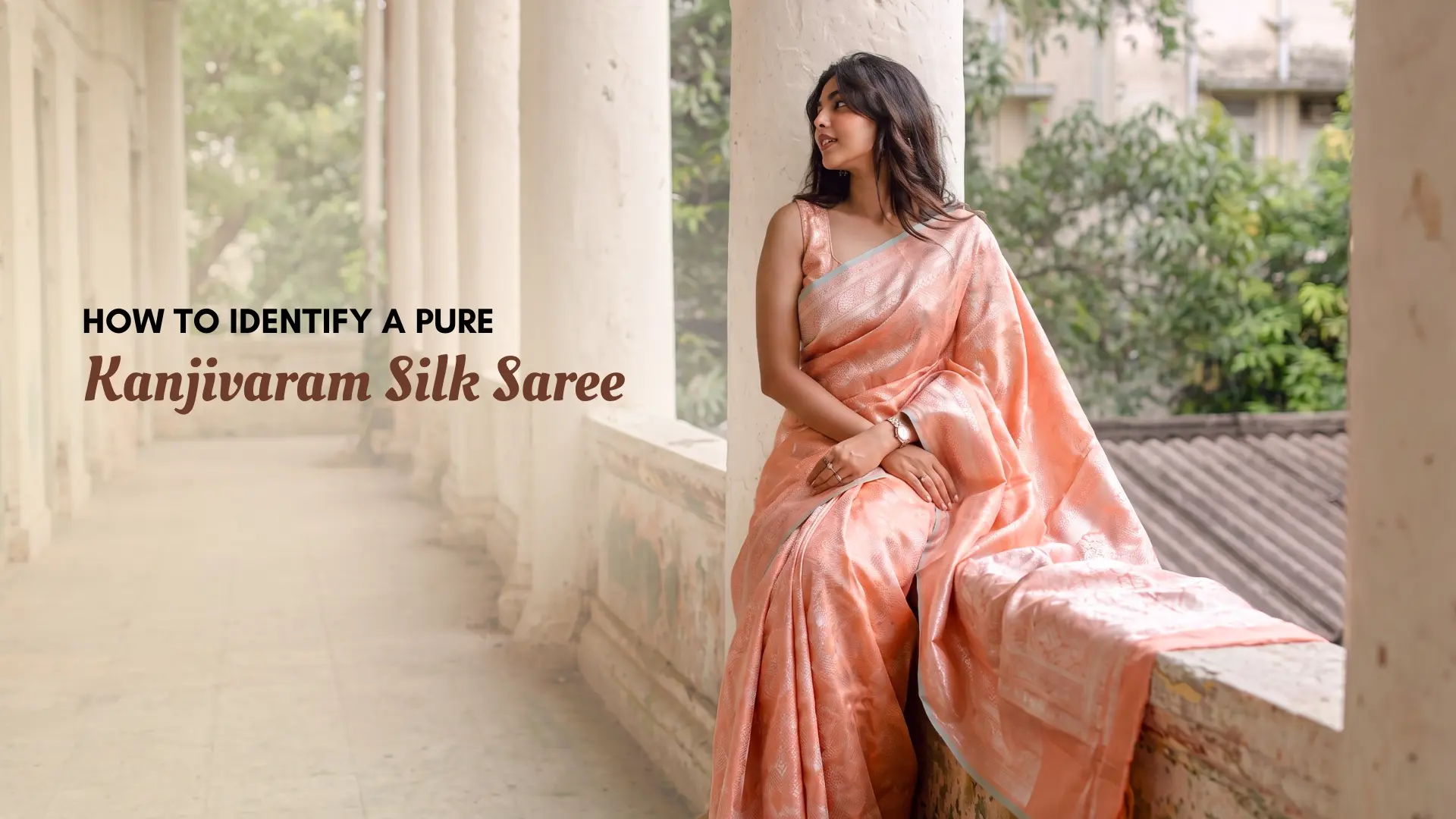
Learning how to identify a pure Kanjivaram silk saree before you spend your money is one of the most important things a saree buyer can do. The market is flooded with powerloom copies and art silk blends that mimic the look of the real thing but fall apart in quality, longevity, and soul. This guide walks you through every reliable test and visual check so you can buy with complete confidence.
What Makes Knowing How to Identify a Pure Kanjivaram Silk Saree So Important
Understanding how to identify a pure Kanjivaram silk saree starts with knowing exactly what separates a genuine piece from an imitation and why the difference matters so much.
The Heritage Behind How to Identify a Pure Kanjivaram Silk Saree
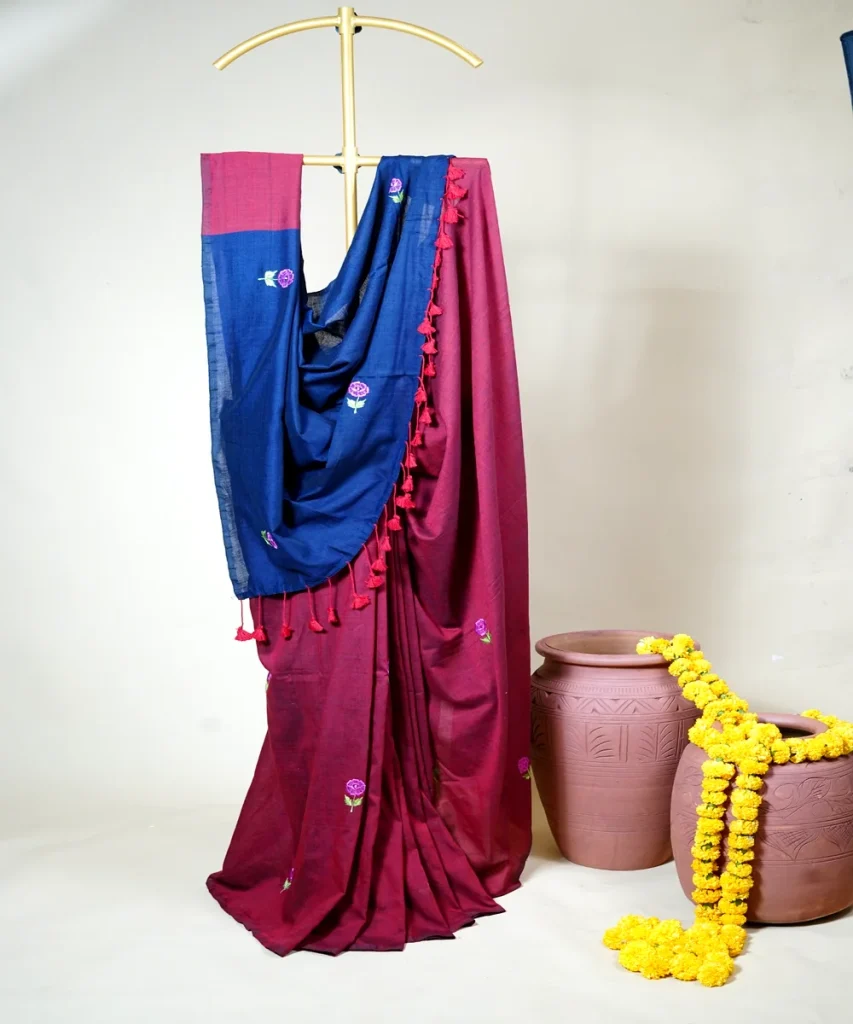
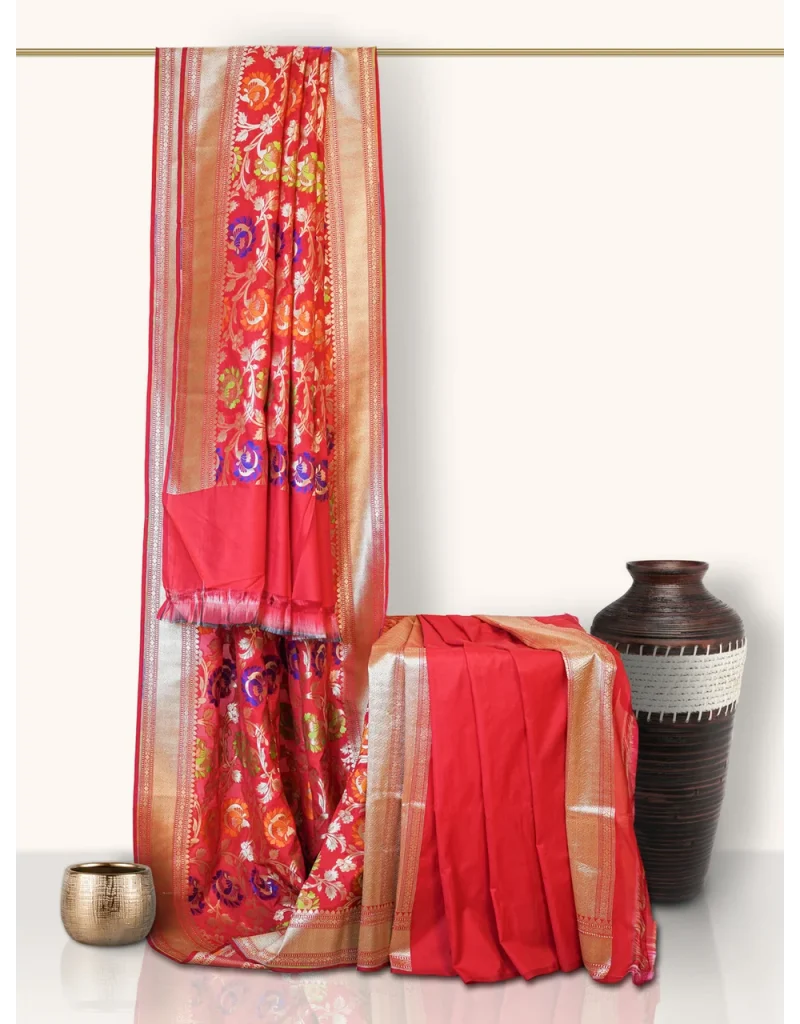
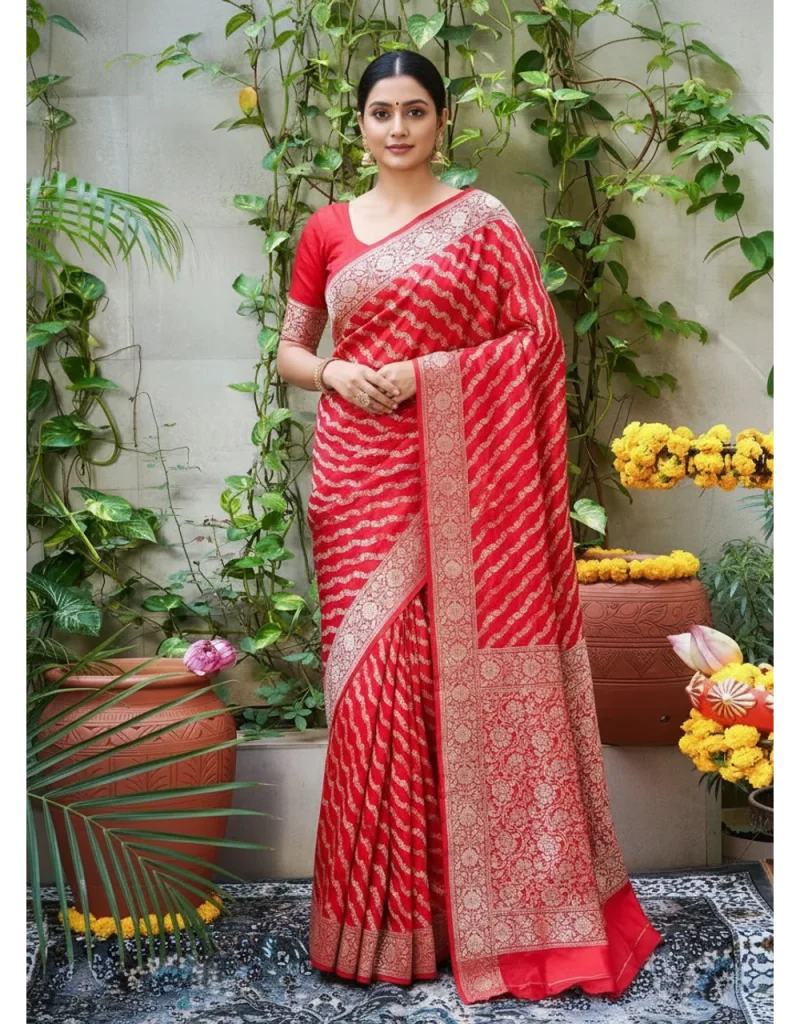
Every buyer who learns how to identify a pure Kanjivaram silk saree quickly discovers that this saree has one of the richest textile histories in India. Woven in the temple town of Kanchipuram, Tamil Nadu, it uses pure mulberry silk from Karnataka and gold zari from Surat, crafted by weaving families who have passed this skill down for generations. According to the Government of Tamil Nadu’s official GI tag documentation, there are approximately 60,000 silk looms operating in and around Kanchipuram, all rooted in this ancient handloom tradition.
The saree received its Geographical Indication (GI) tag in 2005 a legal protection that means only sarees woven in Kanchipuram using the traditional technique can carry the Kanjivaram name. Knowing how to identify a pure Kanjivaram silk saree means understanding that this tag is not just a label; it is a government-backed guarantee of craft and origin.
Why Fakes Are Hard to Spot When You Learn How to Identify a Pure Kanjivaram Silk Saree
Anyone who wants to know how to identify a pure Kanjivaram silk saree must first accept that today’s imitations are sophisticated. Mass-produced blends and powerloom copies use similar colour palettes, similar motif prints, and suspiciously similar price points. Without knowing the specific physical markers of an authentic weave, even experienced saree buyers get misled.
The Touch Test: How to Identify a Pure Kanjivaram Silk Saree by Feel
The most immediate way to begin learning how to identify a pure Kanjivaram silk saree is to simply pick it up the weight and warmth of genuine silk are difficult to fake.
Weight Is the First Signal When You How to Identify a Pure Kanjivaram Silk Saree
If you know how to identify a pure Kanjivaram silk saree, the first thing you notice is that the real one is heavy. A genuine piece weighs 600 grams or more because of its thick three-ply mulberry silk threads and dense handloom weave. A saree that feels flimsy or lightweight in your hands is almost certainly a blend or synthetic copy.
When you want to buy silk saree online, always look for weight listed in the product details. Any honest seller of authentic handloom silk includes this specification its absence is itself a warning sign.
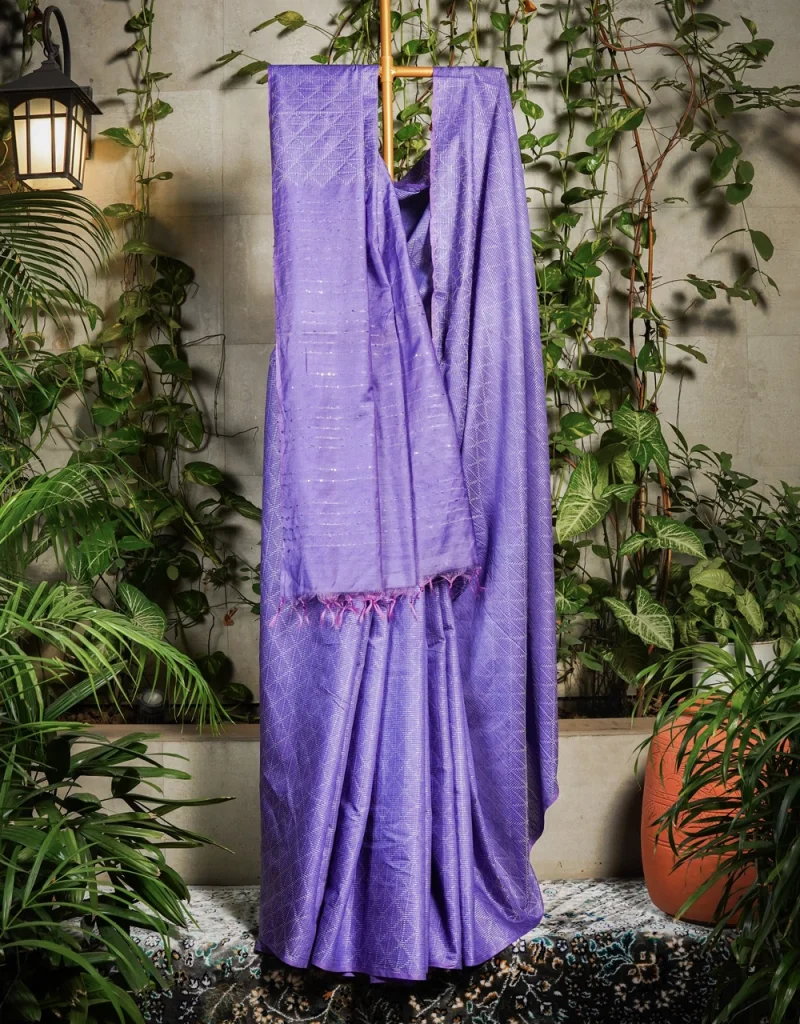
The Warmth Test: A Simple Way to How to Identify a Pure Kanjivaram Silk Saree
The warmth test is perhaps the easiest physical check in the process of how to identify a pure Kanjivaram silk saree. Rub the fabric quickly between your palms for a few seconds. Pure silk warms up almost immediately because of its natural protein structure, sericin. Synthetic fabrics polyester, art silk, viscose remain cool or feel slightly oily and slippery.
The Scroop Sound: An Often-Missed Way to How to Identify a Pure Kanjivaram Silk Saree
Bunch the saree gently in your hand and release. When you know how to identify a pure Kanjivaram silk saree, you listen for what experts call “scroop” a soft, papery rustling sound that pure silk makes as the fibres move against each other. Fake silk is either silent or produces a harsh, plasticky crinkle. This sound test alone can quickly rule out obvious imitations at the shop.
The Zari Test: How to Identify a Pure Kanjivaram Silk Saree by Its Gold Borders
The zari is where the real value of any Kanjivaram lives, and learning how to identify a pure Kanjivaram silk saree through its zari work is non-negotiable for any serious buyer.
Scratch the Core Thread to How to Identify a Pure Kanjivaram Silk Saree’s Zari
The single most reliable zari check in how to identify a pure Kanjivaram silk saree is to find a loose thread end at the pallu or inner hem and gently scratch or unravel a tiny portion. Authentic Kanjivaram zari is made by wrapping fine silver wire dipped in 22-karat gold around a core of red silk thread. If the inner thread is red, the zari is real.
If the thread inside is white or looks synthetic, it is “tested” or fake zari a cheap substitute with no precious metal content. This single test is worth remembering every time you want to how to identify a pure Kanjivaram silk saree before paying for it.
The Glow Quality That Helps You How to Identify a Pure Kanjivaram Silk Saree
Anyone learning how to identify a pure Kanjivaram silk saree should study the quality of zari shine. Real zari has a warm, restrained glow it catches light beautifully but never looks garish or plastic-bright. According to the Silk Mark Organisation of India, authentic Kanjivaram zari must meet regulated silver and gold content standards a benchmark that cheap imitations simply cannot reach.
The Reverse-Side Zari Check to How to Identify a Pure Kanjivaram Silk Saree
Flip the saree over and look at the back of the zari borders this is a step most buyers skip, but it is one of the most reliable ways to how to identify a pure Kanjivaram silk saree. In a handwoven piece, you will see long, loose floating zari threads on the reverse because the weaver carried the shuttle manually across the full loom width. A powerloom saree shows short, tight, uniform floats that look almost identical on both sides which is physically impossible in true handloom weaving.
This same reverse-check principle applies if you want to buy tussar silk saree or any other authentic handloom variety.
Find the Perfect Kanjivaram Saree
The Korvai Join: The Most Definitive Way to How to Identify a Pure Kanjivaram Silk Saree
No single check is more conclusive than the korvai test when you learn how to identify a pure Kanjivaram silk saree. This is the one the weavers themselves point to first.
What Korvai Is and Why It Matters When You How to Identify a Pure Kanjivaram Silk Saree
In traditional Kanjivaram weaving, the body and border of the saree are woven separately using the ancient three-shuttle technique two weavers working side by side, one on the body and one on the border. Understanding korvai is central to knowing how to identify a pure Kanjivaram silk saree because this structural join is something no powerloom can replicate convincingly.
According to Wikipedia’s documentation on the Kanchipuram silk sari, this interlocked join is so strong that even if the saree tears, the border will not detach from the body a remarkable feat of weaving engineering.
How to Spot the Korvai Ridge When You How to Identify a Pure Kanjivaram Silk Saree
Turn the saree over and look at the line where the border meets the body. The korvai ridge is the single most reliable physical marker in how to identify a pure Kanjivaram silk saree a slightly jagged, zig-zag or interlocking line where the two separately woven pieces have been locked together. It is visible, firm, and unmistakable once you know what to look for.
In a machine-made imitation, the border-to-body transition is perfectly straight sometimes printed, sometimes just a colour block because the entire saree was woven as one piece on a powerloom. If you do not see the korvai ridge, you cannot how to identify a pure Kanjivaram silk saree in that piece, because you are not looking at one.
The Pallu Join as a Secondary Korvai Check to How to Identify a Pure Kanjivaram Silk Saree
If the pallu is a contrasting colour from the body as is traditional checking its join point is another strong way to how to identify a pure Kanjivaram silk saree. In a genuine handloom piece, the pallu is woven separately and then attached, leaving a visible but neat line of interlocking thread. In fakes, the transition is seamless because the pallu was simply printed onto the same factory-made cloth.
When you want to buy sarees online in India, always ask the seller for a close-up photo of the reverse korvai join and the pallu attachment point before placing your order.
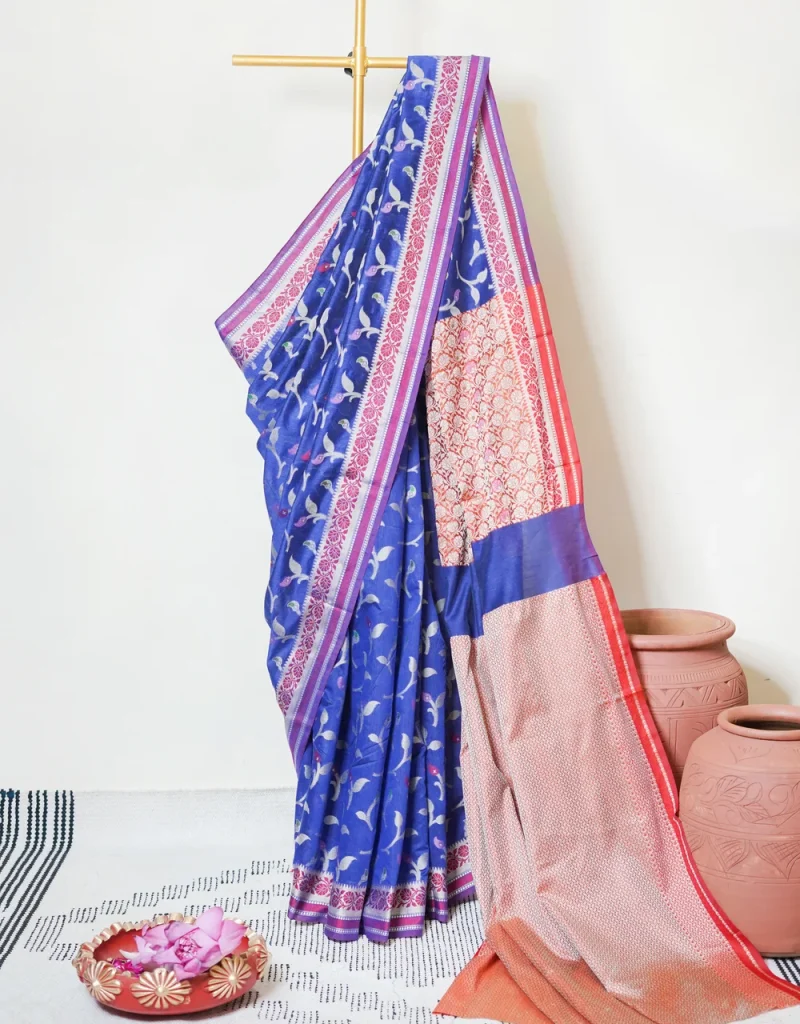
Certification Checks: The Official Way to How to Identify a Pure Kanjivaram Silk Saree
When physical tests are difficult especially for online shopping certification labels give you a legal, third-party guarantee. Understanding these labels is part of knowing how to identify a pure Kanjivaram silk saree.
The Silk Mark Tag: Your Fastest Shortcut to How to Identify a Pure Kanjivaram Silk Saree
The Silk Mark label, issued by the Silk Mark Organisation of India under the Central Silk Board and Ministry of Textiles, is the most immediate official tool in how to identify a pure Kanjivaram silk saree. This holographic hangtag or sewn-in label certifies 100% natural silk content each tag carries a unique traceable number and a hologram that confirms authenticity.
Its presence on a saree is a strong green flag. Its absence from a saree being sold as “pure Kanjivaram” should immediately make you question how to identify a pure Kanjivaram silk saree in that piece because you cannot.
The GI Tag: Another Official Marker When You How to Identify a Pure Kanjivaram Silk Saree
The GI registration adds another layer of legal protection to the process of how to identify a pure Kanjivaram silk saree. Awarded in 2005-06, this tag confirms the saree was woven in Kanchipuram using traditional methods. Some trusted sellers display both the Silk Mark and the GI tag together two official labels offer the highest level of verifiable authenticity a buyer can find.
Price as a Clue When You How to Identify a Pure Kanjivaram Silk Saree
An unusually low price is itself a signal to re-examine how to identify a pure Kanjivaram silk saree in the piece being offered. A genuine Kanjivaram takes 15–20 days for two skilled weavers to complete, using real mulberry silk and silver-gold zari. Authentic sarees start from approximately Rs. 8,000 and can reach Rs. 2,00,000 for heirloom bridal pieces and that pricing reflects real raw material and labour costs that cannot be bypassed.
Siakari offers handloom silk sarees with transparent descriptions including buy tissue silk saree and cotton silk saree options where fabric content and weave origin are clearly stated.
Motifs and Colour: More Signs When You How to Identify a Pure Kanjivaram Silk Saree
Traditional design signatures are another layer of the answer to how to identify a pure Kanjivaram silk saree, especially when combined with the physical and certification tests above.
Classic Motifs That Signal How to Identify a Pure Kanjivaram Silk Saree
Anyone learning how to identify a pure Kanjivaram silk saree should recognise the traditional motifs: peacock patterns (mayil chakram), rudraksha borders, elephant and horse designs from Pallava temple carvings, checks, stripes, and floral buttas. These are woven directly into the fabric they have visible texture and depth you can feel with your fingertip, and they look slightly different on the reverse because of the thread structure.
In a machine-made copy, motifs are often printed flat and look identical on both front and back. That flatness is itself a sign of how to identify a pure Kanjivaram silk saree or rather, how to identify that you are not looking at one.
Colour Richness as Part of How to Identify a Pure Kanjivaram Silk Saree
Deep, luminous colour that holds its intensity even in low light is a consistent marker in how to identify a pure Kanjivaram silk saree. Pure mulberry silk absorbs natural dye beautifully, producing colours that look rich and true. Synthetic fabrics often look slightly washed out or too uniformly flat in tone.
The body, border, and pallu in a genuine piece are traditionally in bold contrast jewel-red against peacock-green, royal blue against mustard gold. That intentional, striking contrast is part of what you learn to recognise when you know how to identify a pure Kanjivaram silk saree. If you want to explore other premium handloom varieties, you can buy linen saree or a mul cotton saree from Siakari, where the same transparency about fabric quality applies.
Caring for Your Saree Once You Know How to Identify a Pure Kanjivaram Silk Saree
The care a Kanjivaram needs is part of what you commit to once you know how to identify a pure Kanjivaram silk saree and invest in the real thing.
Storage and Maintenance After You How to Identify a Pure Kanjivaram Silk Saree
Always dry clean a genuine Kanjivaram knowing how to identify a pure Kanjivaram silk saree also means knowing that water washing will damage the zari and weaken the silk structure. Store it folded in soft muslin cloth, never in plastic. Air it out every three to four months, refold along different lines each time to prevent permanent crease marks, and keep it away from direct sunlight. Cared for properly, a genuine Kanjivaram lasts 20 to 30 years and passes down through generations as a family heirloom.
Conclusion: How to Identify a Pure Kanjivaram Silk Saree Every Time You Shop
Knowing how to identify a pure Kanjivaram silk saree means the weavers of Kanchipuram get the recognition they deserve and you never spend good money on an imitation again. The korvai ridge, the red silk core in the zari, the warmth test, the Silk Mark tag, the weight together, these tell the full story of authenticity.
Shop handloom consciously. Siakari believes every woman deserves to know exactly what she is wearing. Explore our curated buy silk saree collection each piece is described with full transparency on fabric, weave, and origin.
shop Sarees at siakari
FAQs
How to Tell if Silk Is 100% Silk?
To identify 100% silk, check its texture, shine, and label. Pure silk feels smooth, soft, and warm rather than slippery like synthetic fabrics. It has a natural, elegant sheen that changes under different lighting instead of a glossy, plastic-like shine. Genuine silk is lightweight yet strong and drapes beautifully. You can also look for certifications such as the Silk Mark label, which verifies authenticity. Buying from trusted brands or reputed sellers further ensures you receive genuine silk.
How to Find Original Kanchipuram Silk Sarees?
Original Kanchipuram silk sarees are woven from pure mulberry silk with genuine zari and are known for their durability and rich craftsmanship. Look for the Silk Mark certification, which guarantees authenticity. Check the weave carefully the body, border, and pallu are traditionally woven separately and joined skillfully. Authentic Kanchipuram sarees also have vibrant colors, intricate motifs, and a luxurious feel. Purchasing from trusted silk retailers or reputed handloom stores is the safest way to ensure authenticity.
What Is the Difference Between Kanjivaram and Pure Silk Sarees?
Kanjivaram sarees are a specific type of pure silk saree made in Kanchipuram, Tamil Nadu, using premium mulberry silk and traditional weaving techniques. Pure silk sarees, however, are a broader category that includes silk sarees from various regions such as Banarasi, Mysore, Tussar, and Patola. While every authentic Kanjivaram saree is a pure silk saree, not every pure silk saree is a Kanjivaram. The weaving style, motifs, and craftsmanship make Kanjivaram unique.
How to Check Pure Silk at Home?
You can identify pure silk at home using a few simple methods. Feel the fabric it should be soft, smooth, and warm to the touch. Rub the silk gently between your fingers; genuine silk creates slight warmth due to friction. Observe its shine, which changes with the angle of light instead of looking overly glossy. If you have permission to test a loose thread, the burn test is effective: pure silk smells like burnt hair and leaves fine ash, unlike synthetic fibers.
Leave a Reply