Category: Uncategorized

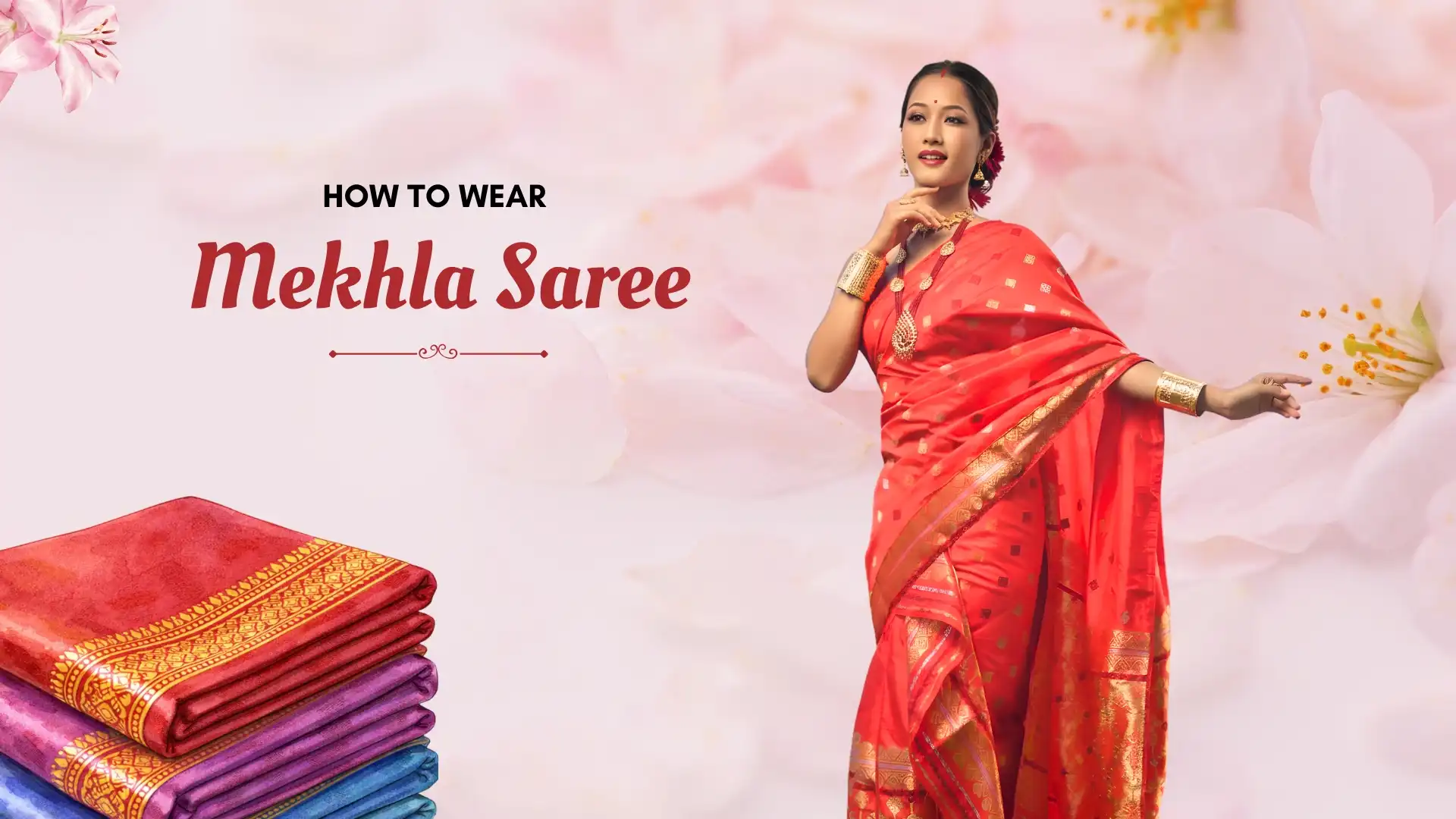
  • How to Wear Mekhla Saree?

    How to Wear Mekhla Saree?

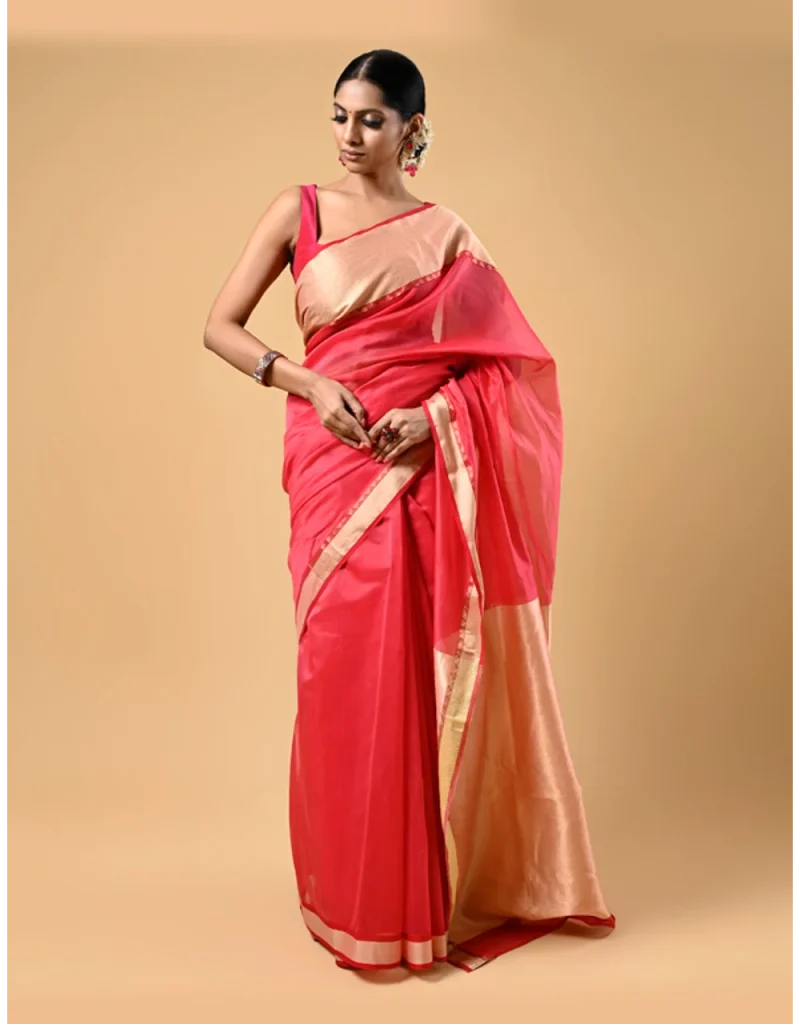
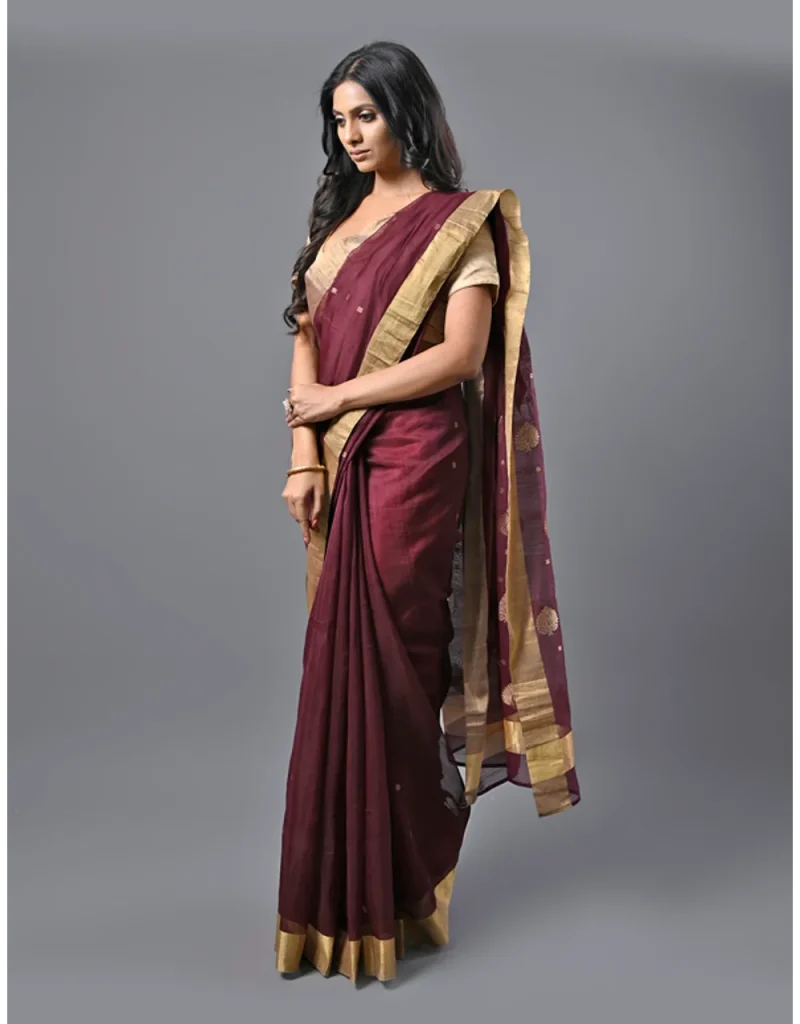
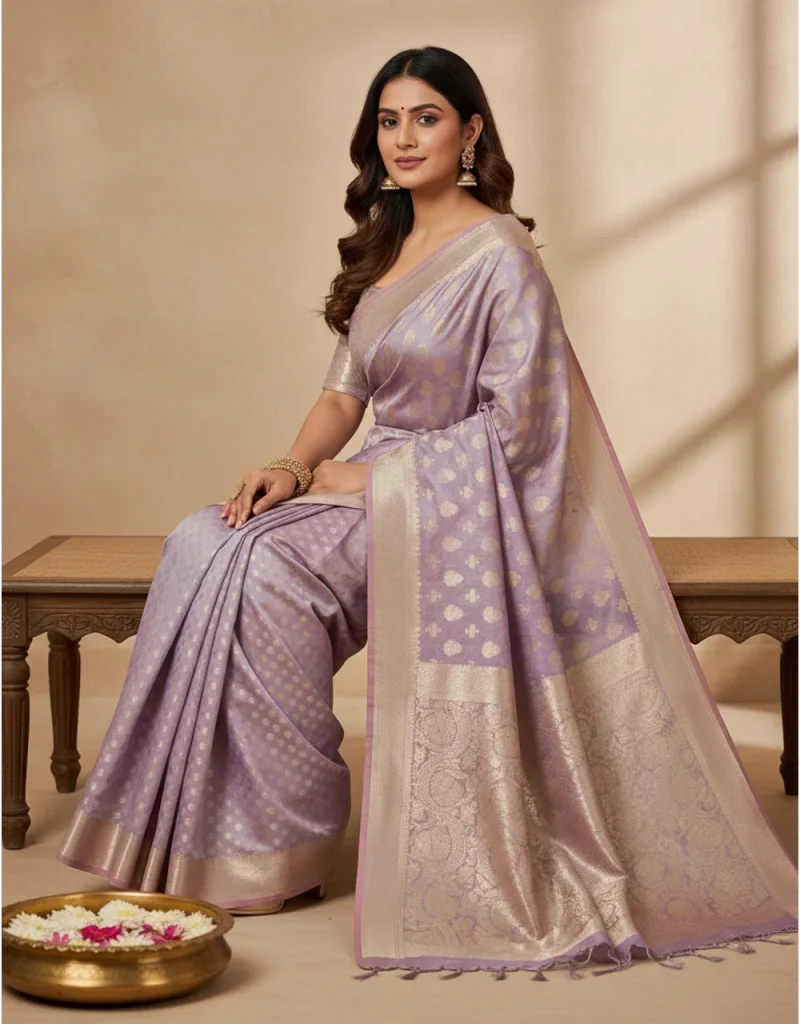
    If you’ve recently discovered Assamese traditional wear and are curious about how to wear mekhla saree, you’re stepping into a world of quiet elegance and deep cultural meaning. The mekhla saree, commonly known as the mekhla chador, is not just an outfit it’s a reflection of Assam’s heritage, craftsmanship, and graceful way of dressing.

    At first glance, many women feel unsure about how to wear mekhla saree because it doesn’t follow the usual saree draping style. There’s no long pallu flowing behind you and no multiple pleats falling from the waist. Instead, it comes as two beautifully coordinated pieces that wrap around the body in a structured yet fluid way.

    This detailed guide will help you truly understand how to wear mekhla saree, whether you’re wearing it for the first time or looking to style it more confidently. Everything here is explained in a natural, practical, and realistic manner just like advice you’d get from someone who has worn it many times.

    Understanding the Mekhla Saree Before Wearing It

    Before learning how to wear mekhla saree, it’s important to know what makes it different from a regular saree.

    A mekhla saree has two separate parts:

    • Mekhla – the lower garment that wraps around the waist, similar to a skirt
    • Chador – the upper drape worn over the blouse and shoulder

    This two-piece structure is what gives the mekhla saree its clean lines and secure fit. Once you understand this construction, how to wear mekhla saree becomes far less intimidating.

    Cultural Significance of the Mekhla Saree

    Learning how to wear mekhla saree also means understanding its cultural roots. Traditionally worn by Assamese women, the mekhla chador is associated with festivals like Bihu, weddings, cultural ceremonies, and important life events.

    The motifs woven into the fabric often represent nature, prosperity, and regional artistry. Wearing a mekhla saree is not about fast fashion it’s about honoring craftsmanship and tradition. This cultural depth is why many women feel a special connection once they learn how to wear mekhla saree properly.

    Choosing the Right Fabric for Mekhla Saree

    Fabric plays a huge role in how comfortable and confident you feel while learning how to wear mekhla saree.

    Traditional Silk Mekhla Sarees

    Silk is the most common fabric for mekhla sarees. It holds structure beautifully and creates a regal appearance. Silk mekhla sarees are ideal for weddings, festivals, and formal gatherings.

    Cotton and Cotton Blends

    For everyday wear or warm weather, cotton and blended fabrics work well. If you are someone who enjoys wearing a cotton blend saree, you’ll appreciate how breathable and easy cotton mekhla sarees feel.

    Linen-Inspired and Blended Textures

    Modern mekhla sarees often come in linen-inspired weaves. Women who like crisp drapes and usually buy linen saree styles often enjoy this variation. A linen blend saree texture in mekhla form looks elegant, minimal, and contemporary.

    Choosing the right fabric makes learning how to wear mekhla saree much easier, especially for beginners.

    Blouse Selection: The Foundation of the Look

    The blouse is central to how to wear mekhla saree gracefully.

    • A fitted blouse enhances the structure
    • Traditional short sleeves or elbow-length sleeves work best
    • Boat necks, round necks, and high necks look elegant

    Avoid loose or oversized blouses, as they disturb the clean lines that make the mekhla saree so distinctive.

    Step-by-Step Guide: How to Wear Mekhla Saree Correctly

    Now let’s walk through how to wear mekhla saree step by step, slowly and clearly.

    Step 1: Wearing the Mekhla (Lower Part)

    Wrap the mekhla around your waist like a skirt. Some mekhla sarees come with stitched pleats, while others require manual adjustment. Ensure the fabric sits evenly around your waist. Secure it using a knot, drawstring, or safety pin.

    This step is crucial in how to wear mekhla saree, as it determines comfort and balance.

    Step 2: Adjusting the Length

    The mekhla should ideally fall just above the ankle. Too long, and it drags; too short, and it loses its elegance. Adjust and secure before moving on.

    Step 3: Draping the Chador

    Wrap the chador around your upper body, covering the blouse. Bring one end over your shoulder. Unlike a saree pallu, the chador is spread wide and smooth, not pleated.

    This is where how to wear mekhla saree begins to feel natural rather than technical.

    Step 4: Securing the Draping

    Use minimal pins to keep the chador in place. The goal is stability, not stiffness.

    How Mekhla Saree Feels Once Worn Properly

    One of the biggest surprises women experience after learning how to wear mekhla saree is how secure it feels. Unlike a regular saree, there’s no constant adjusting. You can walk, sit, and move freely, which is why many women prefer it for long events.

    Common Mistakes Beginners Make

    When learning how to wear mekhla saree, beginners often make these mistakes:

    • Treating the chador like a saree pallu
    • Over-tightening the mekhla at the waist
    • Wearing an ill-fitted blouse
    • Over-accessorizing

    Avoiding these mistakes helps you truly understand how to wear mekhla saree gracefully.

    Traditional vs Modern Ways to Wear Mekhla Saree

    Traditional Styling

    Traditional styling focuses on classic silk fabrics, minimal jewelry, and authentic draping. This approach respects the roots of how to wear mekhla saree.

    Modern Styling

    Modern interpretations include crop blouses, subtle belts, and contemporary colors. Even women who regularly buy sarees online india for modern designs enjoy experimenting with updated mekhla styles.

    Both approaches are valid the key is comfort and confidence while following how to wear mekhla saree.

    Mekhla Saree for Different Occasions

    Weddings

    Silk mekhla sarees with rich motifs are ideal. Gold jewelry completes the look.

    Festivals and Cultural Events

    Stick to traditional draping. Knowing how to wear mekhla saree authentically adds cultural respect.

    Casual or Semi-Formal Wear

    Light fabrics and minimal accessories work well. Some women who usually buy georgette sarees enjoy softer, flowing mekhla versions for semi-formal events.

    Accessories That Enhance Mekhla Saree

    Accessories should complement, not overpower.

    • Traditional earrings
    • Simple bangles
    • Minimal necklaces

    Balanced styling is essential in how to wear mekhla saree.

    Footwear Choices

    Comfortable footwear is important.

    • Flats or juttis for traditional looks
    • Block heels or wedges for modern styling

    Good footwear supports posture and confidence while wearing the mekhla saree.

    Hair and Makeup Tips

    Hair and makeup should enhance the elegance of the outfit.

    • Low bun or braided bun for traditional styling
    • Soft waves for modern looks

    Makeup should be balanced either bold eyes or bold lips, not both.

    Mekhla Saree Compared to Regular Saree

    After learning how to wear mekhla saree, many women find it easier than wearing a regular saree. It stays in place, feels secure, and allows free movement. That’s why women who value comfort often choose mekhla sarees for long events.

    Buying the Right Mekhla Saree

    Women who enjoy exploring handloom fashion often transition from sarees they already love. Those who buy khadi saree online, or prefer soft silks and blends, usually look for similar comfort and texture in mekhla sarees. Even those who buy tissue silk saree designs appreciate the subtle shine of silk mekhla sarees.

    Why Learning How to Wear Mekhla Saree Is Special

    Learning how to wear mekhla saree is not just about fashion it’s about cultural appreciation. Each fold and wrap reflects generations of tradition. Once you wear it confidently, it feels empowering rather than complicated.

    Final Thoughts

    The mekhla saree is a beautiful blend of structure, comfort, and cultural richness. While it may feel unfamiliar at first, understanding how to wear mekhla saree is a rewarding journey.

    Take your time. Choose the right fabric. Focus on comfort and balance. Whether styled traditionally or with a modern twist, the mekhla saree carries a quiet elegance that never goes unnoticed.

    Once you truly learn how to wear mekhla saree, it stops being an outfit you try and becomes an outfit you belong in.

    FAQs

    How to wear mekhla saree for the first time without feeling confused?

    If you’re wearing it for the first time, understanding how to wear mekhla saree starts with knowing it has two parts the mekhla (bottom) and the chador (upper drape). Wrap the mekhla around your waist like a skirt and secure it comfortably. Then drape the chador smoothly around your upper body and over one shoulder. Keep the drape simple, use minimal pins, and avoid pleating the chador like a saree pallu. Take it slow comfort comes first.

    What type of blouse works best with a mekhla saree?

    The blouse plays a big role in how to wear mekhla saree gracefully. A well-fitted blouse is always the best choice because it supports the structured look of the outfit. Traditional round necks, boat necks, or high neck blouses pair beautifully with mekhla sarees. Short sleeves or elbow-length sleeves look elegant and balanced. Avoid loose or oversized blouses, as they can disturb the clean lines that make the mekhla saree look refined and polished.

    Can mekhla saree be styled in a modern way?

    Yes, absolutely. While tradition is central to how to wear mekhla saree, modern styling is very much possible. You can pair it with a contemporary blouse, add a slim waist belt, or choose subtle colors instead of heavy traditional motifs. Footwear like block heels and minimal jewelry also add a modern touch. The key is to keep the drape traditional while experimenting gently with accessories and blouse designs to suit today’s style preferences.

    Is mekhla saree more comfortable than a regular saree?

    Many women find that once they learn how to wear mekhla saree, it feels more comfortable than a regular saree. Since the mekhla is worn like a skirt and the chador is wrapped securely, there’s less need for constant adjustment. It allows easy movement, makes sitting and walking comfortable, and stays in place for long hours. This is why mekhla sarees are often preferred for weddings, festivals, and cultural events that last all day.
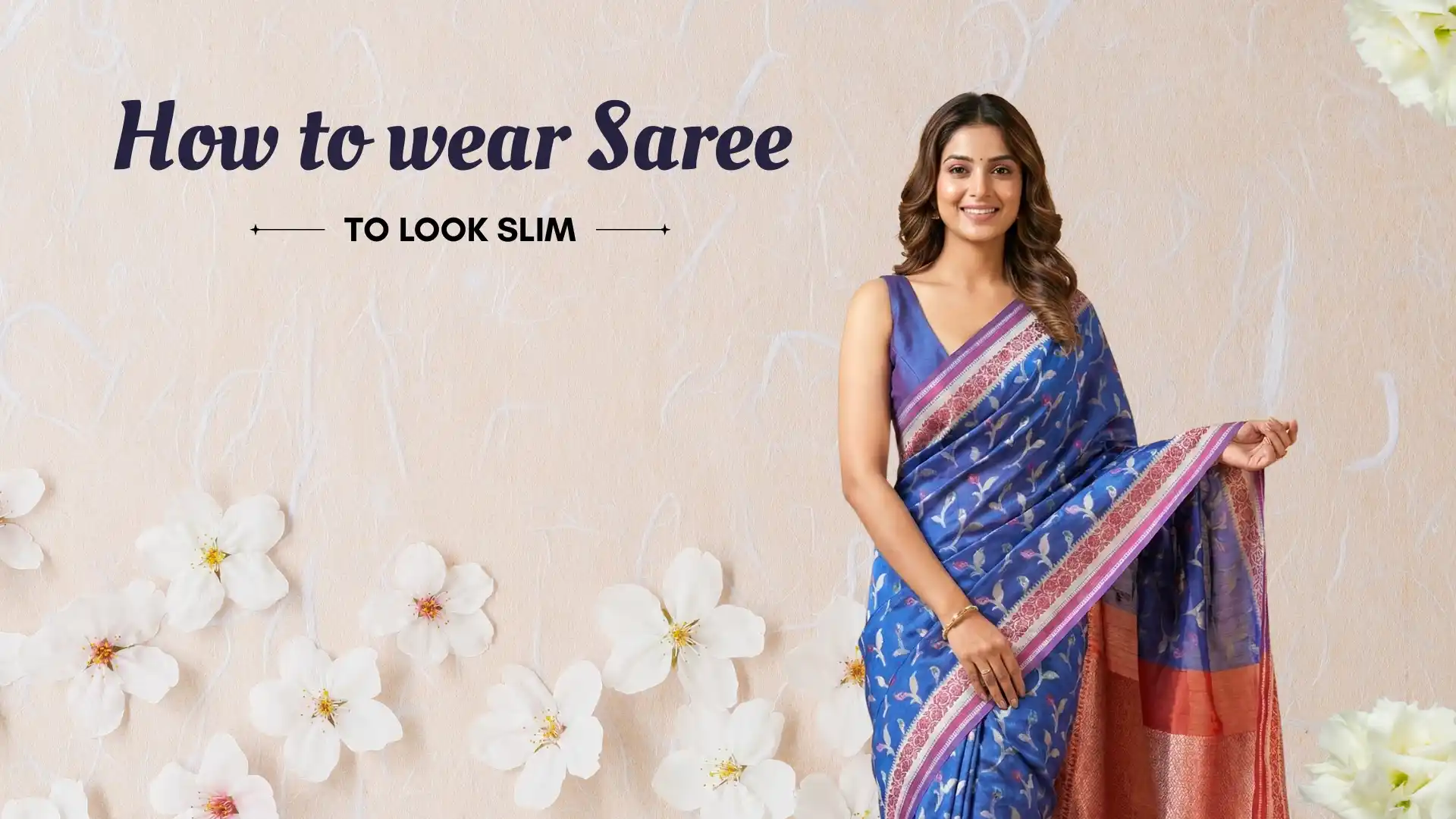
  • How to Wear Saree to Look Slim?

    How to Wear Saree to Look Slim?

    Let’s be honest almost every woman who loves sarees has, at some point, stood in front of the mirror and wondered how to wear saree to look slim. Not because we need to change our bodies, but because we all want to look our best, feel confident, and enjoy the beauty of a saree without constantly adjusting pleats or feeling conscious.

    The saree is one of the most graceful outfits ever created. When styled thoughtfully, it doesn’t hide your body it enhances it. The secret lies not in extreme fashion rules, but in small, smart choices. Fabric, drape, blouse fit, colors, and even posture come together to shape how your saree looks on you.

    This blog is a slow, practical, and human take on how to wear saree to look slim. No rigid rules, no unrealistic expectations just styling advice that works in everyday life, for real women and real bodies.

    First, Let’s Clear This Up: Slim Is a Styling Illusion

    Before we go any further, let’s set the tone right. Looking slim in a saree is not about losing weight overnight or squeezing yourself into uncomfortable clothes. It’s about proportions, balance, and visual flow.

    Once you understand how to wear saree to look slim, you’ll realize that even small adjustments like pleat width or blouse neckline can completely change how your outfit looks. The saree is forgiving by nature, and that’s its biggest strength.

    Fabric Choice: Where Slimming Starts

    The fabric of your saree can either flatter your body or add unnecessary bulk. This is the foundation of learning how to wear saree to look slim.

    Choose Fabrics That Flow, Not Fight

    Lightweight, fluid fabrics create a smooth vertical line from shoulder to toe. This naturally elongates the body.

    • Georgette
    • Chiffon
    • Crepe
    • Soft silk blends

    These fabrics fall close to the body without clinging. That’s why many women prefer to buy georgette sarees when their goal is a slimming look.

    Linen and Cotton – But the Right Kind

    Stiff cotton can add volume, but softer options work beautifully. A linen blend saree offers structure without bulk and looks especially elegant for office or daytime wear. If you plan to buy linen saree designs, choose ones with a softer weave and minimal stiffness.

    Khadi and Cotton Blends

    Khadi sarees today are much lighter and more refined than people assume. A neatly draped khadi saree can look very slimming. For daily wear, many women choose to buy khadi saree online for comfort that doesn’t compromise on style. A good cotton blend saree also works well if pleated and pinned properly.

    Be Mindful with Heavy Fabrics

    Heavy silks and thick cottons are beautiful but can add visual weight if not styled carefully. If you love silk, lighter versions like tissue silk are a better option. Many women buy tissue silk saree styles for occasions because they give a festive feel without looking bulky.

    Fabric alone won’t do everything but it sets the stage for how to wear saree to look slim.

    Draping Style: The Biggest Game-Changer

    You could wear the most expensive saree, but if it’s draped poorly, it won’t flatter you. Draping is where the magic really happens.

    Narrow, Structured Pleats Make All the Difference

    Bulky pleats around the waist instantly add volume. Instead:

    • Keep pleats narrow
    • Press them properly
    • Place them slightly towards the side, not right in the center

    This simple change creates a leaner midsection and is one of the most effective tricks in how to wear saree to look slim.

    High-Waist Draping for Instant Length

    Draping your saree a little higher than your natural waist makes your legs look longer and your torso slimmer. This works especially well for petite women and is a styling secret used by professionals.

    Let the Pallu Flow

    A tightly bunched or overly layered pallu can make the upper body look heavy. Instead, let it fall smoothly. A clean, flowing pallu creates vertical lines that visually slim you down.

    Blouse Fit: The Silent Hero of a Slim Look

    Your blouse can either support your saree look or completely ruin it.

    Fit Is Non-Negotiable

    A blouse that’s too tight creates bulges. One that’s too loose adds bulk. A perfectly fitted blouse defines your shape without squeezing it. This is essential when mastering how to wear saree to look slim.

    Necklines That Elongate

    Certain necklines naturally draw the eye up and down:

    • V-neck
    • Deep U-neck
    • Wrap or overlap styles

    These designs lengthen the neck and torso, creating a slimmer appearance.

    Sleeve Length Matters

    Contrary to popular belief, elbow-length or three-quarter sleeves can look more slimming than sleeveless styles. They balance the arms and create a smoother line.

    Color Choices That Visually Slim You Down

    Color plays a powerful psychological role in styling.

    Monochrome Is Your Best Friend

    Wearing the same or similar color for both saree and blouse creates a long, uninterrupted visual line. This instantly makes you look taller and leaner.

    Dark, Rich Tones Work Well

    Shades like navy, wine, charcoal, forest green, and deep maroon naturally recede visually. They’re excellent choices when thinking about how to wear saree to look slim.

    Be Careful with Borders and Prints

    • Thin borders are more flattering than wide ones
    • Vertical prints elongate
    • Heavy horizontal patterns around the waist draw attention

    Balance is key.

    Pleat Placement and Saree Length

    Small technical details often get ignored but they matter.

    • A saree that’s too long bunches up and adds volume
    • One that’s too short breaks proportions
    • Loose pleats that open while walking add width

    Pin your pleats neatly and ensure the length just grazes the floor when wearing heels. These subtle steps support the overall goal of how to wear saree to look slim.

    Footwear: Height Changes Everything

    Even a small heel can dramatically improve how a saree looks.

    • Block heels offer comfort and posture
    • Platforms give height without strain
    • Avoid extremely flat footwear if you want elongation

    Better posture automatically improves how slim your saree looks.

    Accessories: Keep It Clean and Intentional

    When the aim is how to wear saree to look slim, accessories should enhance not overpower.

    • Choose long earrings over chunky chokers
    • Avoid stacking too many bangles
    • A sleek waist belt can help define shape

    Minimal, thoughtful accessories keep the focus on your silhouette.

    Hair and Makeup: The Supporting Cast

    Your overall look is incomplete without the right hair and makeup.

    Hairstyles That Elongate

    • Low buns
    • Sleek ponytails
    • Soft waves

    Avoid very high or bulky hairstyles that add width.

    Makeup That Adds Definition

    Well-defined brows, subtle contouring, and a bold lip can sharpen facial features and balance the look.

    Styling by Body Type (Without Labels)

    Everybody is different, and that’s okay.

    • If your lower body is heavier, keep the upper half detailed
    • If your midsection is fuller, go for high-waist draping and soft fabrics
    • If you’re petite, avoid heavy borders and bulky pleats

    Understanding how to wear saree to look slim is about adapting tips not forcing rules.

    Everyday Sarees vs Occasion Sarees

    Daily Wear

    Neatly draped cotton blends and khadi sarees work beautifully. Many women prefer to buy sarees online India for comfortable daily styles that still look polished.

    Office Wear

    Linen and soft cotton blends in neutral colors look structured and professional without adding bulk.

    Festive and Wedding Wear

    Flowy silks, georgettes, and tissue silks with fitted blouses and clean drapes help you look elegant and slim, even in heavy outfits.

    Common Mistakes That Ruin a Slimming Effect

    • Ignoring blouse fit
    • Choosing very stiff fabrics
    • Over-layering the pallu
    • Poor pleat management

    Avoiding these mistakes is just as important as following styling tips when learning how to wear saree to look slim.

    Confidence: The Final and Most Important Element

    No styling trick works without confidence. When you’re comfortable in your saree when you’re not constantly adjusting pleats or worrying about how you look it shows.

    Confidence changes posture, movement, and presence. And nothing makes a saree look better than a woman who feels good wearing it.

    That’s why how to wear saree to look slim is not about changing yourself. It’s about understanding your saree and wearing it with intention.

    Final Thoughts

    The saree is not just a garment it’s a canvas. With the right fabric, thoughtful draping, a well-fitted blouse, balanced colors, and minimal accessories, it can highlight your natural shape beautifully.

    If you’ve been searching for how to wear saree to look slim, remember this: focus on flow, fit, and proportion. When these elements come together, the saree doesn’t just make you look slim it makes you look confident, graceful, and effortlessly elegant.

    FAQs

    How to wear saree to look slim if you have a heavy waist?

    To understand how to wear saree to look slim with a heavy waist, focus on fabric and draping. Choose lightweight, flowy fabrics like georgette, crepe, or soft silk blends that don’t add bulk. Drape the saree slightly above the natural waist to create a longer leg line. Keep pleats narrow and well-pressed, placed a little to the side instead of the center. Pair it with a well-fitted blouse and let the pallu fall cleanly for a balanced look.

    Which saree fabric is best if you want to look slim?

    If your goal is how to wear saree to look slim, fabric choice matters a lot. Lightweight fabrics such as georgette, chiffon, crepe, linen blends, and soft cotton blends are the most flattering. These fabrics fall smoothly along the body and create vertical lines that visually elongate your frame. Avoid very stiff cottons or overly heavy silks unless they are draped carefully. The right fabric makes the saree look effortless rather than bulky.

    Can blouse design really make you look slimmer in a saree?

    Yes, blouse design plays a huge role in how to wear saree to look slim. A well-fitted blouse instantly sharpens your silhouette. Necklines like V-neck, deep U-neck, or wrap-style blouses draw the eye vertically, making the upper body look longer. Elbow-length or three-quarter sleeves often look more balanced than very short sleeves. Avoid loose or overly tight blouses, as both can add unwanted volume and distract from the saree’s flow.

    Does saree draping style affect how slim you look?

    Absolutely. Draping is one of the most important factors in how to wear saree to look slim. High-waist draping helps lengthen the body, while narrow, neatly pinned pleats reduce bulk around the waist. A clean, flowing pallu creates a straight vertical line that makes the body appear taller and leaner. Avoid heavy bunching of fabric at the front or shoulder. Even a simple saree can look very slimming when draped thoughtfully.

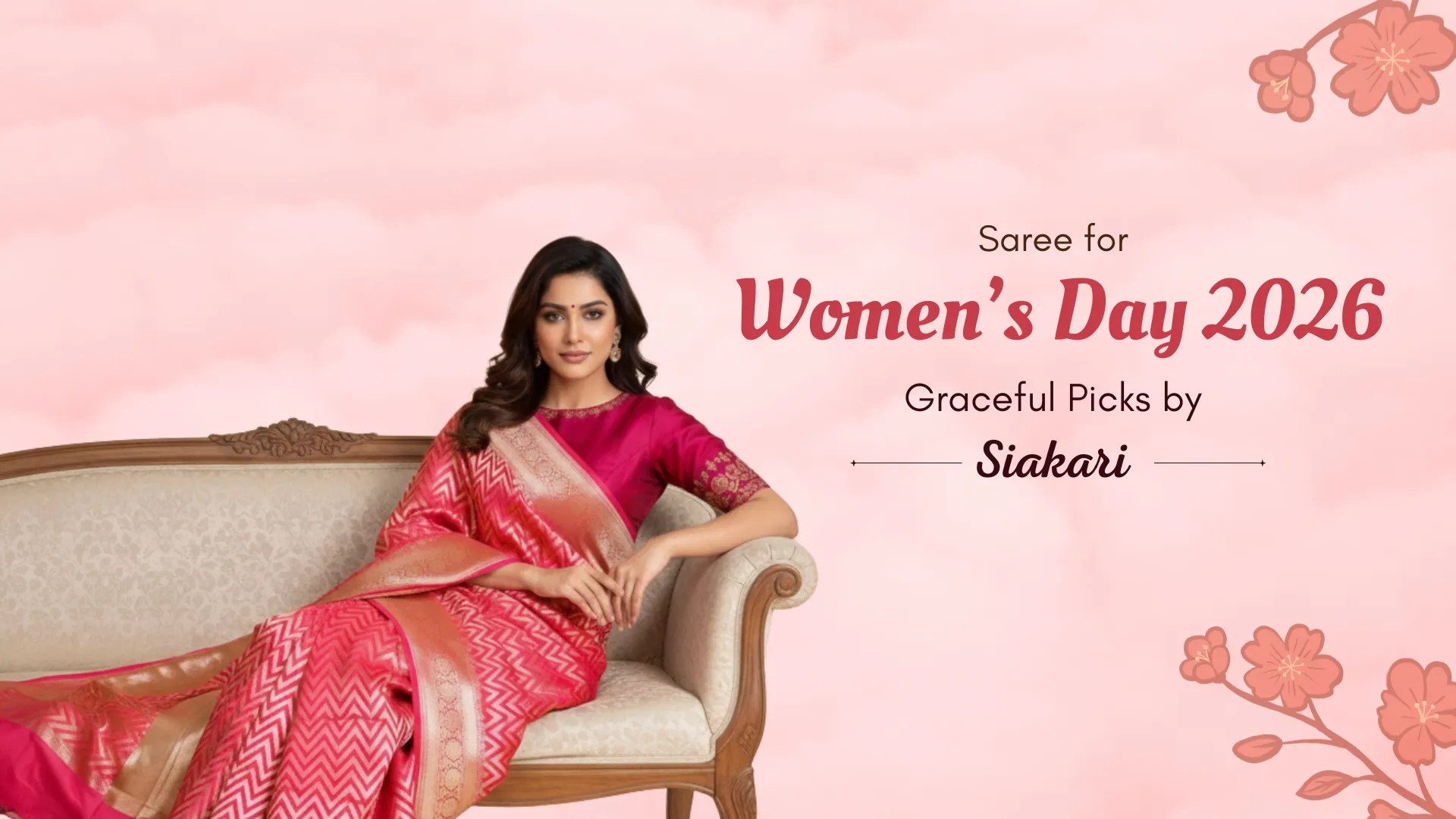
  • Saree for Women’s Day 2026: Graceful Picks by Siakari

    Saree for Women’s Day 2026: Graceful Picks by Siakari

    Women’s Day is more than a celebration it’s a reflection. A reflection of strength, compassion, resilience, ambition, and quiet determination. It’s a day that honors women not just for what they achieve, but for who they are every single day. As Women’s Day 2026 approaches, many women are choosing to express this pride through thoughtful dressing, and nothing captures that sentiment better than a beautifully chosen saree for Womens Day.

    A saree carries stories. It adapts, evolves, and yet remains timeless much like women themselves. Whether you are celebrating at your workplace, attending a formal event, participating in a cultural program, or simply marking the day with loved ones, a saree for Womens Day allows you to show up with grace and confidence. With Siakari’s elegant and thoughtfully curated collection, Women’s Day dressing becomes effortless, meaningful, and deeply personal.

    In this detailed guide, we explore why a saree remains a powerful choice for Women’s Day, how to select the right saree for Womens Day, which fabrics work best, and how Siakari blends comfort, elegance, and authenticity while aligning with Google EEAT principles of experience, expertise, authority, and trust.

    Why a Saree for Women’s Day Holds Special Meaning

    Women’s Day outfits are not about trends or statements that fade quickly. They are about authenticity. Choosing a saree for Womens Day is a way of embracing heritage while expressing individuality. The saree does not demand attention it earns it through elegance.

    A saree represents:

    • Strength wrapped in softness
    • Tradition carried with confidence
    • Grace without limitation

    Wearing a saree for Womens Day is a reminder that empowerment doesn’t always need bold gestures. Sometimes, it’s expressed quietly, through comfort, dignity, and self-assurance.

    Explore Our Women’s day Saree Collection

    The Saree as a Symbol of Empowerment

    For centuries, women have worn sarees while leading households, building careers, nurturing families, and shaping communities. The saree has evolved with women, adapting to changing roles and lifestyles. That’s why a saree for Womens Day feels so relevant even today.

    It allows women to:

    • Be professional and expressive at the same time
    • Honor tradition while embracing modern life
    • Dress for themselves, not for expectations

    Siakari’s designs celebrate this balance, making every saree for Womens Day feel empowering rather than restrictive.

    Comfort Is the Foundation of Confidence

    Confidence begins when you feel comfortable in your own skin and in your clothes. When selecting a saree for Womens Day, comfort should never be compromised for appearance.

    Women’s Day celebrations often span long hours. From meetings and discussions to events and gatherings, your saree should support your day, not slow you down. A well-crafted saree for Womens Day allows ease of movement, breathable wear, and all-day comfort.

    This is where thoughtful fabric choice becomes essential.

    Choosing the Right Fabric for a Saree for Women’s Day

    Fabric defines how a saree feels, moves, and lasts throughout the day. Siakari focuses on fabrics that combine elegance with practicality, making them ideal for a saree for Womens Day.

    A cotton blend saree is a favorite for daytime and office celebrations. It offers breathability, structure, and a polished look without feeling heavy or stiff.

    If you enjoy fluid drapes and soft silhouettes, you may prefer to buy georgette sarees. These are lightweight, graceful, and perfect for women who want a refined yet relaxed saree for Womens Day look.

    For those drawn to tradition and sustainability, you can buy khadi saree online. Khadi represents resilience, simplicity, and self-reliance values deeply aligned with Women’s Day.

    If understated elegance is your style, you may choose to buy linen saree designs or opt for a linen blend saree. Linen offers structure while remaining breathable, making it ideal for formal or semi-formal Women’s Day events.

    Siakari’s Thoughtful Approach to Women’s Day Sarees

    Siakari doesn’t design sarees just for occasions they design them for women’s lives. Every saree for Womens Day in their collection reflects real needs, real comfort, and real elegance.

    What sets Siakari apart:

    • Focus on wearable, breathable fabrics
    • Designs that feel timeless rather than trendy
    • Sarees that transition easily between occasions
    • Attention to detail without excess

    A saree for Womens Day from Siakari feels like an extension of your personality not a costume for the day.

    Styling a Saree for Women’s Day: Keep It Effortless

    Women’s Day styling is most powerful when it’s simple. The goal is not to impress but to express. A saree for Womens Day styled with ease reflects confidence and clarity.

    Styling ideas that work beautifully:

    • A clean, well-fitted blouse
    • Minimal jewelry like studs or slim bangles
    • Natural makeup with a fresh base
    • Hair styled in a bun, braid, or soft waves

    This approach allows your saree for Womens Day to shine without distraction.

    Office-Appropriate Saree for Women’s Day Celebrations

    Many Women’s Day celebrations happen at work. In such spaces, your saree for Womens Day should strike a balance between elegance and professionalism.

    Neutral tones, soft textures, and breathable fabrics work best. Avoid heavy embellishments and focus on neat drapes that are easy to manage. Siakari’s sarees are designed to feel polished while remaining comfortable perfect for long workdays.

    From Day Meetings to Evening Celebrations

    One of the biggest strengths of a saree is its versatility. A saree for Womens Day can easily transition from a professional daytime look to an elegant evening outfit.

    Simple changes can elevate your look:

    • Swap subtle jewelry for statement earrings
    • Add a bold lip color
    • Change your hairstyle

    Siakari’s sarees are designed with this flexibility in mind, making each saree for Womens Day a practical yet stylish choice.

    Buying a Saree for Women’s Day Online

    With busy schedules, many women prefer the convenience of online shopping. Today, it’s easy to buy sarees online India and explore a wide variety of styles without leaving home.

    Siakari’s online collection offers clear visuals, detailed descriptions, and styling guidance, making it easy to choose the right saree for Womens Day. Whether your preference is minimal, professional, or subtly festive, there’s something that fits your vision.

    For more formal celebrations, you may also explore buy tissue silk saree options that offer gentle sheen and elegance without feeling heavy.

    Sustainable Choices for Women’s Day Fashion

    Women’s Day is also a moment to reflect on conscious choices. Opting for timeless, reusable sarees adds depth to your saree for Womens Day.

    Siakari emphasizes designs that can be worn beyond one occasion. This encourages thoughtful consumption and celebrates fashion that lasts both in style and meaning.

    Honoring Tradition While Embracing Modern Life

    A saree for Womens Day beautifully bridges the past and present. It honors cultural roots while fitting seamlessly into modern lifestyles. Women today lead meetings, manage homes, pursue passions, and still celebrate tradition on their own terms.

    The saree adapts just like women do.

    Why a Saree Continues to Empower Women

    Empowerment looks different for every woman. For some, it’s leadership. For others, it’s balance, creativity, or resilience. A saree for Womens Day represents choice the choice to honor oneself, one’s journey, and one’s identity.

    Wearing a saree is not about obligation. It’s about confidence. And confidence is the truest form of empowerment.

    Creating Lasting Memories in a Saree

    What we wear often becomes part of our memories. A saree for Womens Day may remind you of a milestone at work, a heartfelt celebration, or a moment of self-recognition.

    These memories give clothing emotional value and that’s what makes a saree truly special.

    Why Siakari Is a Trusted Choice for Women’s Day Sarees

    Siakari’s designs are rooted in understanding women not trends. The brand focuses on comfort, durability, and timeless beauty, making each saree for Womens Day a meaningful investment.

    When you choose Siakari, you choose:

    • Authentic craftsmanship
    • Thoughtful design
    • Sarees that grow with your wardrobe

    Final Thoughts: Celebrate Yourself with Grace in 2026

    Women’s Day 2026 is a celebration of strength, growth, and individuality. Choosing the right saree for Womens Day is a quiet yet powerful way to honor that journey.

    With Siakari’s graceful collection, you don’t just wear a saree you wear confidence, comfort, and self-respect. Whether you’re celebrating at work, at home, or in your own way, let your saree for Womens Day reflect who you truly are.

    This Women’s Day, celebrate yourself authentically, gracefully, and unapologetically. 🌸

    Discover Something You’ll Love

    Explore our latest collection and find the perfect pick for your style

    FAQs

    Why is a saree a meaningful outfit choice for Women’s Day?

    A saree for Womens Day is meaningful because it represents strength, grace, and individuality. It allows women to celebrate their identity while staying connected to tradition. A saree adapts to every role a woman plays professional, personal, or social making it a powerful symbol of confidence and self-expression. Wearing a saree on Women’s Day is a quiet yet strong way to honor resilience and personal journeys.

    Which fabrics are best for a saree for Women’s Day celebrations?

    The best fabrics for a saree for Womens Day are lightweight, breathable, and easy to manage. Cotton blends are ideal for long office hours, while linen offers a structured yet comfortable look. Georgette works well for a soft, elegant drape, and khadi reflects simplicity and sustainability. Choosing the right fabric ensures all-day comfort and confidence during Women’s Day celebrations.

    How can I style a saree for Women’s Day at work?

    To style a saree for Womens Day at work, keep the look clean and minimal. Choose subtle colors, a well-fitted blouse, and light jewelry such as studs or slim bangles. Keep makeup natural and hair neatly styled. A comfortable drape ensures ease of movement throughout the day, helping you look professional while still celebrating Women’s Day gracefully.

    Can a saree worn for Women’s Day be reused for other occasions?

    Yes, a saree for Womens Day can be easily reused for other occasions. With different styling, it can work for office wear, family gatherings, cultural events, or casual outings. Timeless designs and breathable fabrics make these sarees versatile additions to your wardrobe. Restyling with new accessories or blouses gives the saree a fresh look beyond Women’s Day.

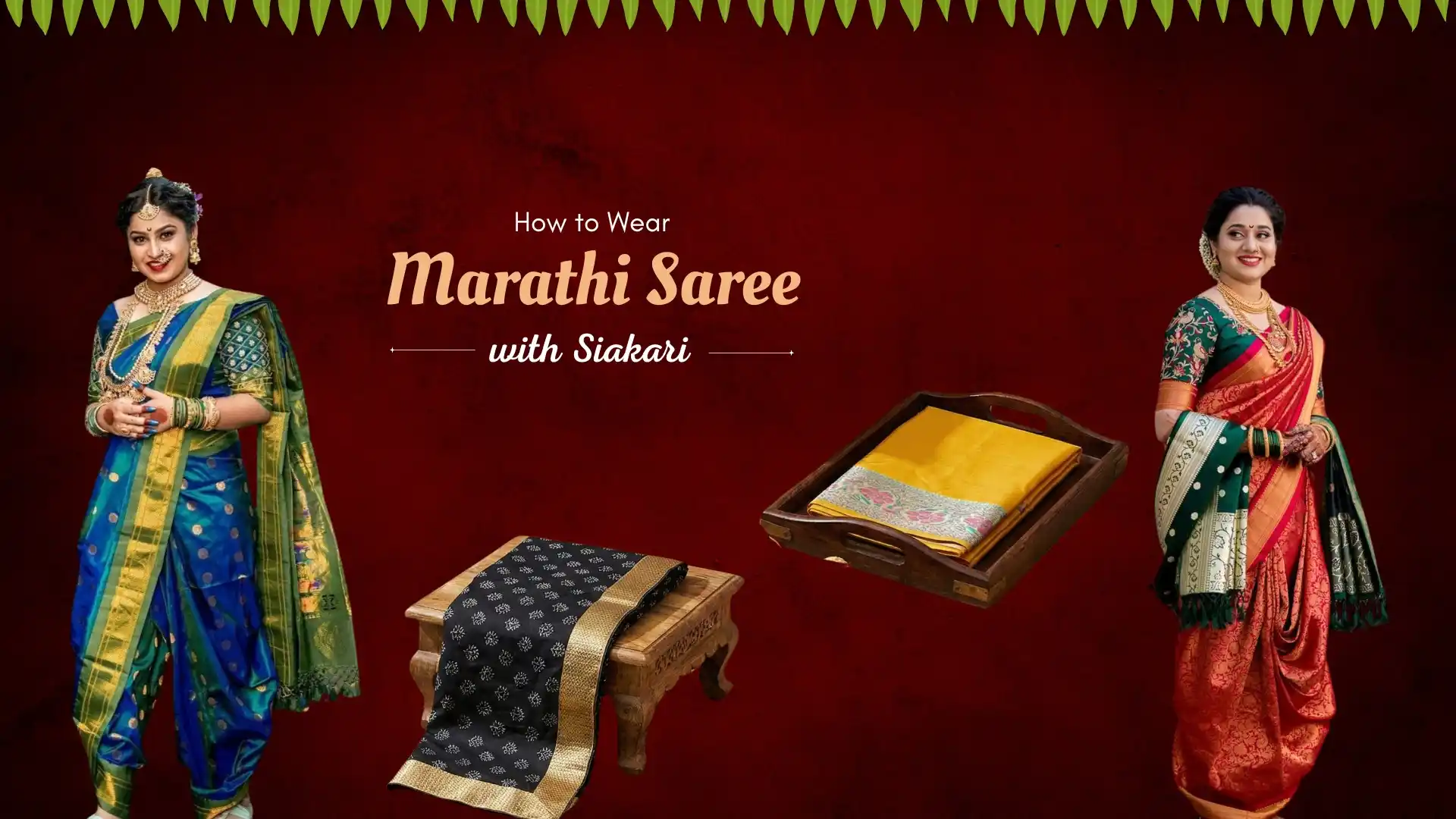
  • How to Wear Marathi Saree?

    How to Wear Marathi Saree?

    The Marathi saree is not just an outfit it’s a living symbol of strength, grace, and cultural pride. If you’ve been searching for how to wear Marathi saree, you’re likely drawn to its powerful drape, rich history, and timeless elegance. From grand weddings to festive mornings and cultural performances, this iconic style holds a special place in Indian tradition.

    In this detailed guide, we’ll explore how to wear Marathi saree step by step, while keeping things simple, practical, and human. No confusing fashion jargon just real advice you can actually follow. Whether you’re a first-timer or someone wanting to perfect the drape, this blog will walk you through everything you need to know.

    Understanding the Essence of the Marathi Saree

    Before learning how to wear Marathi saree, it’s important to understand what makes it unique. Traditionally known as the Nauvari or Kashta saree, this drape uses a nine-yard saree instead of the usual six yards. What truly sets it apart is that it’s worn without a petticoat and styled in a dhoti-like manner.

    Historically, this drape allowed women freedom of movement perfect for daily work, riding horses, or participating in social life. That sense of independence and strength is still reflected today when you learn how to wear Marathi saree the traditional way.

    Why Learning How to Wear Marathi Saree Still Matters Today

    In today’s fast-fashion world, learning how to wear Marathi saree is a beautiful way to reconnect with heritage. It’s not about trends it’s about identity. Wearing this saree isn’t just dressing up; it’s carrying forward a cultural legacy that has stood strong for centuries.

    Whether worn during Ganesh Chaturthi, Gudi Padwa, weddings, or cultural programs, knowing how to wear Marathi saree gives you confidence, authenticity, and a deep sense of pride.

    Choosing the Right Saree Before You Start Draping

    One of the most overlooked steps in learning how to wear Marathi saree is choosing the right fabric. Since this drape involves multiple tucks and pleats, the fabric should neither be too slippery nor too stiff.

    Traditionally, cotton was the preferred choice. Even today, a cotton blend saree is ideal for beginners because it holds shape well and stays comfortable for long hours. Many people now prefer to buy sarees online India, which makes it easier to compare fabric types and lengths before purchasing.

    For weddings or special occasions, silk and tissue fabrics are popular, while softer options like georgette work for stage performances or lighter celebrations.

    How to Wear Marathi Saree: Step-by-Step for Beginners

    Let’s break down how to wear Marathi saree in a clear, manageable way. Take your time with each step this drape is all about balance and confidence.

    1. Start by wearing fitted shorts or leggings, since there’s no petticoat involved.
    2. Take the center of the saree and tuck it at the back of your waist, keeping the length equal on both sides.
    3. Bring the saree between your legs from back to front this forms the iconic dhoti-style base.
    4. Adjust the fabric so both sides are even and tuck it securely at the waist.
    5. Create neat pleats at the front and tuck them in firmly.
    6. Take the remaining fabric and drape it over your shoulder like a pallu.

    Once you’ve tried it a couple of times, how to wear Marathi saree starts feeling much more intuitive than it looks.

    Traditional Nauvari Style vs Modern Marathi Draping

    When people search for how to wear Marathi saree, they’re often referring to the traditional Nauvari drape. This classic style is ideal for weddings, festivals, and formal cultural occasions.

    However, modern adaptations have emerged for comfort and convenience. Pre-stitched Nauvari sarees or versions worn with leggings instead of free draping are now popular, especially among younger wearers.

    Both styles respect the essence of how to wear Marathi saree, with the difference lying mainly in ease and practicality.

    Best Fabrics for Comfort and Elegance

    Fabric choice can make or break your experience of how to wear Marathi saree. Cotton and khadi remain favourites for traditional events because they’re breathable and stable. Many women prefer to buy khadi saree online specifically for cultural and religious occasions.

    If you prefer a lighter feel, you may choose to buy georgette sarees, especially for dance performances or long ceremonies. Linen is another excellent option structured yet breathable. If you’re new to this fabric, a linen blend saree offers a good balance between stiffness and softness. Some women also opt to buy linen saree styles for elegant daytime events.

    For weddings or formal celebrations, those who buy tissue silk saree designs enjoy the rich texture and ceremonial feel.

    How to Wear Marathi Saree for Weddings

    Wedding draping requires extra attention to detail. When learning how to wear Marathi saree for weddings, focus on clean pleats and secure tucks to ensure the saree stays in place throughout rituals.

    Traditional colours like green, yellow, and deep reds are popular. Pairing the saree with a well-fitted blouse, traditional jewellery, and neatly tied hair elevates the entire look. A wedding-appropriate drape shows why mastering how to wear Marathi saree is such a valuable skill.

    Jewellery and Accessories That Complete the Look

    Understanding how to wear Marathi saree isn’t complete without knowing how to style it. Jewellery plays a major role in defining the overall appearance.

    Classic Maharashtrian accessories include:

    • Nath (nose ring)
    • Green glass bangles
    • Kolhapuri saaj or temple jewellery
    • Waist belt (kamarbandh)

    These elements enhance the traditional charm and help your how to wear Marathi saree look feel authentic rather than costume-like.

    Hairstyles That Suit the Marathi Saree Draping

    Hair styling adds the finishing touch when you master how to wear Marathi saree. Traditionally, hair is tied into a neat bun or braid, often adorned with fresh flowers (gajra).

    For modern occasions, a low bun or soft braid works well. The key is to keep the hairstyle neat and balanced, so it complements the strong drape of the saree.

    How to Wear Marathi Saree for Festivals

    Festivals like Ganesh Chaturthi and Gudi Padwa are perfect opportunities to practice how to wear Marathi saree. These occasions usually involve long hours of rituals, sitting, and movement, so comfort is crucial.

    Light cotton or blended fabrics work best here. Once you’re comfortable with how to wear Marathi saree, festival dressing feels effortless and joyful rather than stressful.

    Wearing Marathi Saree for Cultural Performances

    Dance performances and stage events require a secure and well-balanced drape. When learning how to wear Marathi saree for such occasions, safety pins and firm knots become your best friends.

    Georgette and lightweight silks are commonly used because they allow easy movement while still maintaining the traditional look.

    Common Mistakes to Avoid While Draping

    If you’re new to how to wear Marathi saree, it’s normal to make mistakes. Here are a few common ones to avoid:

    • Unequal fabric length on both sides
    • Loose tucks that may slip while walking
    • Choosing very slippery fabric for the first attempt

    Avoiding these mistakes makes your how to wear Marathi saree experience far more comfortable and confident.

    Practicing at Home: The Key to Confidence

    No one masters how to wear Marathi saree in a single attempt. Practice at home without pressure. Walk around, sit down, and adjust the pleats until they feel secure.

    With repetition, your hands begin to remember the movements, and how to wear Marathi saree becomes second nature.

    Why the Marathi Saree Is Still Relevant Today

    In a modern wardrobe full of quick fashion, learning how to wear Marathi saree is an act of cultural preservation. It celebrates strength, functionality, and elegance all at once.

    The drape reflects a time when clothing was designed to support women’s lives not restrict them. That philosophy is exactly why how to wear Marathi saree continues to matter today.

    Passing the Tradition Forward

    One of the most beautiful aspects of learning how to wear Marathi saree is sharing it. Mothers teach daughters, grandmothers guide grandchildren, and traditions quietly pass from one generation to the next.

    By learning and practicing how to wear Marathi saree, you become part of that living story.

    Final Thoughts

    Learning how to wear Marathi saree is about more than fashion it’s about confidence, culture, and continuity. With the right fabric, patient practice, and thoughtful styling, this iconic drape becomes empowering rather than intimidating.

    Take your time. Enjoy the process. And let how to wear Marathi saree become not just a skill you learn, but a tradition you proudly carry forward.

    FAQs

    What is special about the Marathi saree draping style?

    The Marathi saree, also known as the Nauvari or Kashta saree, is special because it uses a nine-yard saree and is worn without a petticoat. The drape resembles a dhoti, allowing ease of movement and comfort. This style reflects strength, practicality, and cultural pride. Learning how to wear Marathi saree connects you to a tradition that was designed to support women’s active lifestyles while still looking elegant.

    Is it difficult for beginners to learn how to wear Marathi saree?

    At first, learning how to wear Marathi saree may seem challenging because it looks different from regular saree draping. However, with the right fabric and a little practice, it becomes much easier. Starting with cotton or cotton-blend sarees helps because they hold pleats well. Practicing at home without rushing builds confidence, and soon the draping steps start to feel natural and manageable.

    Which fabric is best for wearing a Marathi saree comfortably?

    Cotton is considered the best fabric for beginners learning how to wear Marathi saree because it is breathable, stable, and easy to tuck. Cotton blends and khadi also work well for long hours, especially during festivals and ceremonies. For special occasions, silk or tissue fabrics add richness, while lighter fabrics like georgette are preferred for performances or events that require more movement and flexibility.

    On which occasions can you wear a Marathi saree?

    A Marathi saree can be worn on many occasions, including festivals like Ganesh Chaturthi and Gudi Padwa, traditional weddings, cultural programs, and religious ceremonies. Once you know how to wear Marathi saree properly, it becomes a versatile outfit suitable for both formal and celebratory events. With the right fabric and accessories, the same drape can be styled for simple gatherings or grand functions.