
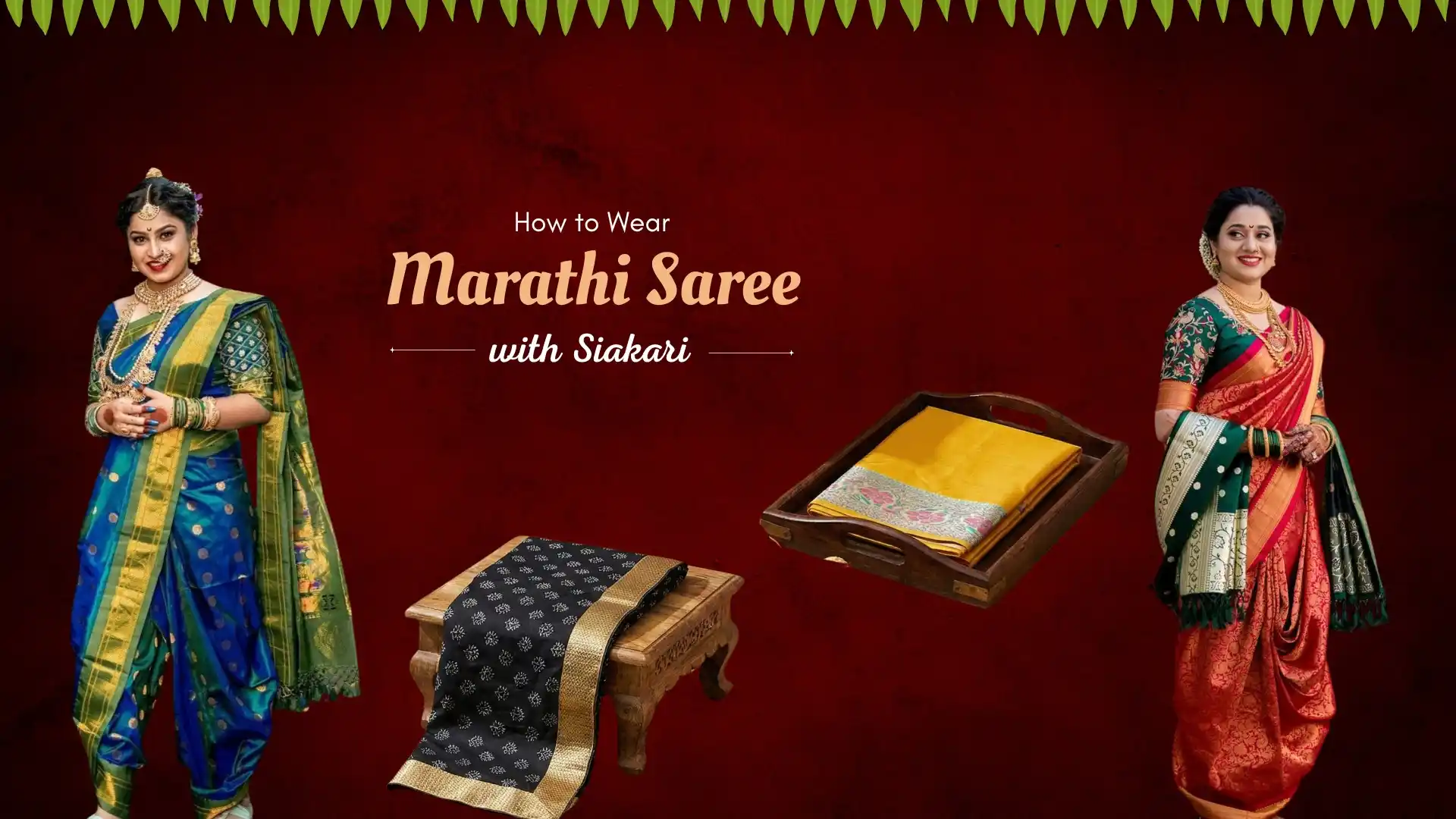
The Marathi saree is not just an outfit it’s a living symbol of strength, grace, and cultural pride. If you’ve been searching for how to wear Marathi saree, you’re likely drawn to its powerful drape, rich history, and timeless elegance. From grand weddings to festive mornings and cultural performances, this iconic style holds a special place in Indian tradition.
In this detailed guide, we’ll explore how to wear Marathi saree step by step, while keeping things simple, practical, and human. No confusing fashion jargon just real advice you can actually follow. Whether you’re a first-timer or someone wanting to perfect the drape, this blog will walk you through everything you need to know.
Understanding the Essence of the Marathi Saree
Before learning how to wear Marathi saree, it’s important to understand what makes it unique. Traditionally known as the Nauvari or Kashta saree, this drape uses a nine-yard saree instead of the usual six yards. What truly sets it apart is that it’s worn without a petticoat and styled in a dhoti-like manner.
Historically, this drape allowed women freedom of movement perfect for daily work, riding horses, or participating in social life. That sense of independence and strength is still reflected today when you learn how to wear Marathi saree the traditional way.
Why Learning How to Wear Marathi Saree Still Matters Today
In today’s fast-fashion world, learning how to wear Marathi saree is a beautiful way to reconnect with heritage. It’s not about trends it’s about identity. Wearing this saree isn’t just dressing up; it’s carrying forward a cultural legacy that has stood strong for centuries.
Whether worn during Ganesh Chaturthi, Gudi Padwa, weddings, or cultural programs, knowing how to wear Marathi saree gives you confidence, authenticity, and a deep sense of pride.
Choosing the Right Saree Before You Start Draping
One of the most overlooked steps in learning how to wear Marathi saree is choosing the right fabric. Since this drape involves multiple tucks and pleats, the fabric should neither be too slippery nor too stiff.
Traditionally, cotton was the preferred choice. Even today, a cotton blend saree is ideal for beginners because it holds shape well and stays comfortable for long hours. Many people now prefer to buy sarees online India, which makes it easier to compare fabric types and lengths before purchasing.
For weddings or special occasions, silk and tissue fabrics are popular, while softer options like georgette work for stage performances or lighter celebrations.
How to Wear Marathi Saree: Step-by-Step for Beginners
Let’s break down how to wear Marathi saree in a clear, manageable way. Take your time with each step this drape is all about balance and confidence.
- Start by wearing fitted shorts or leggings, since there’s no petticoat involved.
- Take the center of the saree and tuck it at the back of your waist, keeping the length equal on both sides.
- Bring the saree between your legs from back to front this forms the iconic dhoti-style base.
- Adjust the fabric so both sides are even and tuck it securely at the waist.
- Create neat pleats at the front and tuck them in firmly.
- Take the remaining fabric and drape it over your shoulder like a pallu.
Once you’ve tried it a couple of times, how to wear Marathi saree starts feeling much more intuitive than it looks.
Traditional Nauvari Style vs Modern Marathi Draping
When people search for how to wear Marathi saree, they’re often referring to the traditional Nauvari drape. This classic style is ideal for weddings, festivals, and formal cultural occasions.
However, modern adaptations have emerged for comfort and convenience. Pre-stitched Nauvari sarees or versions worn with leggings instead of free draping are now popular, especially among younger wearers.
Both styles respect the essence of how to wear Marathi saree, with the difference lying mainly in ease and practicality.
Best Fabrics for Comfort and Elegance
Fabric choice can make or break your experience of how to wear Marathi saree. Cotton and khadi remain favourites for traditional events because they’re breathable and stable. Many women prefer to buy khadi saree online specifically for cultural and religious occasions.
If you prefer a lighter feel, you may choose to buy georgette sarees, especially for dance performances or long ceremonies. Linen is another excellent option structured yet breathable. If you’re new to this fabric, a linen blend saree offers a good balance between stiffness and softness. Some women also opt to buy linen saree styles for elegant daytime events.
For weddings or formal celebrations, those who buy tissue silk saree designs enjoy the rich texture and ceremonial feel.
How to Wear Marathi Saree for Weddings
Wedding draping requires extra attention to detail. When learning how to wear Marathi saree for weddings, focus on clean pleats and secure tucks to ensure the saree stays in place throughout rituals.
Traditional colours like green, yellow, and deep reds are popular. Pairing the saree with a well-fitted blouse, traditional jewellery, and neatly tied hair elevates the entire look. A wedding-appropriate drape shows why mastering how to wear Marathi saree is such a valuable skill.
Jewellery and Accessories That Complete the Look
Understanding how to wear Marathi saree isn’t complete without knowing how to style it. Jewellery plays a major role in defining the overall appearance.
Classic Maharashtrian accessories include:
- Nath (nose ring)
- Green glass bangles
- Kolhapuri saaj or temple jewellery
- Waist belt (kamarbandh)
These elements enhance the traditional charm and help your how to wear Marathi saree look feel authentic rather than costume-like.
Hairstyles That Suit the Marathi Saree Draping
Hair styling adds the finishing touch when you master how to wear Marathi saree. Traditionally, hair is tied into a neat bun or braid, often adorned with fresh flowers (gajra).
For modern occasions, a low bun or soft braid works well. The key is to keep the hairstyle neat and balanced, so it complements the strong drape of the saree.
How to Wear Marathi Saree for Festivals
Festivals like Ganesh Chaturthi and Gudi Padwa are perfect opportunities to practice how to wear Marathi saree. These occasions usually involve long hours of rituals, sitting, and movement, so comfort is crucial.
Light cotton or blended fabrics work best here. Once you’re comfortable with how to wear Marathi saree, festival dressing feels effortless and joyful rather than stressful.
Wearing Marathi Saree for Cultural Performances
Dance performances and stage events require a secure and well-balanced drape. When learning how to wear Marathi saree for such occasions, safety pins and firm knots become your best friends.
Georgette and lightweight silks are commonly used because they allow easy movement while still maintaining the traditional look.
Common Mistakes to Avoid While Draping
If you’re new to how to wear Marathi saree, it’s normal to make mistakes. Here are a few common ones to avoid:
- Unequal fabric length on both sides
- Loose tucks that may slip while walking
- Choosing very slippery fabric for the first attempt
Avoiding these mistakes makes your how to wear Marathi saree experience far more comfortable and confident.
Practicing at Home: The Key to Confidence
No one masters how to wear Marathi saree in a single attempt. Practice at home without pressure. Walk around, sit down, and adjust the pleats until they feel secure.
With repetition, your hands begin to remember the movements, and how to wear Marathi saree becomes second nature.
Why the Marathi Saree Is Still Relevant Today
In a modern wardrobe full of quick fashion, learning how to wear Marathi saree is an act of cultural preservation. It celebrates strength, functionality, and elegance all at once.
The drape reflects a time when clothing was designed to support women’s lives not restrict them. That philosophy is exactly why how to wear Marathi saree continues to matter today.
Passing the Tradition Forward
One of the most beautiful aspects of learning how to wear Marathi saree is sharing it. Mothers teach daughters, grandmothers guide grandchildren, and traditions quietly pass from one generation to the next.
By learning and practicing how to wear Marathi saree, you become part of that living story.
Final Thoughts
Learning how to wear Marathi saree is about more than fashion it’s about confidence, culture, and continuity. With the right fabric, patient practice, and thoughtful styling, this iconic drape becomes empowering rather than intimidating.
Take your time. Enjoy the process. And let how to wear Marathi saree become not just a skill you learn, but a tradition you proudly carry forward.
FAQs
What is special about the Marathi saree draping style?
The Marathi saree, also known as the Nauvari or Kashta saree, is special because it uses a nine-yard saree and is worn without a petticoat. The drape resembles a dhoti, allowing ease of movement and comfort. This style reflects strength, practicality, and cultural pride. Learning how to wear Marathi saree connects you to a tradition that was designed to support women’s active lifestyles while still looking elegant.
Is it difficult for beginners to learn how to wear Marathi saree?
At first, learning how to wear Marathi saree may seem challenging because it looks different from regular saree draping. However, with the right fabric and a little practice, it becomes much easier. Starting with cotton or cotton-blend sarees helps because they hold pleats well. Practicing at home without rushing builds confidence, and soon the draping steps start to feel natural and manageable.
Which fabric is best for wearing a Marathi saree comfortably?
Cotton is considered the best fabric for beginners learning how to wear Marathi saree because it is breathable, stable, and easy to tuck. Cotton blends and khadi also work well for long hours, especially during festivals and ceremonies. For special occasions, silk or tissue fabrics add richness, while lighter fabrics like georgette are preferred for performances or events that require more movement and flexibility.
On which occasions can you wear a Marathi saree?
A Marathi saree can be worn on many occasions, including festivals like Ganesh Chaturthi and Gudi Padwa, traditional weddings, cultural programs, and religious ceremonies. Once you know how to wear Marathi saree properly, it becomes a versatile outfit suitable for both formal and celebratory events. With the right fabric and accessories, the same drape can be styled for simple gatherings or grand functions.
Leave a Reply