Author: Team Siakari

  • How to Choose the Perfect Silk Saree for Wedding Occasions?

    How to Choose the Perfect Silk Saree for Wedding Occasions?

    Weddings in India are never just “events.” They are experiences filled with emotion, family stories, traditions passed down for generations, and moments remembered for a lifetime. And right in the middle of all that beauty, one outfit continues to hold its place without ever going out of style silk sarees for wedding occasions.

    There is something about silk that just feels right for weddings. The way it drapes, the way it shines softly under lights, and the way it instantly makes an outfit feel festive. But if shopping for silk sarees for wedding has ever felt overwhelming, that is completely understandable. There are endless varieties, price ranges, weaves, and colours and each one looks better than the other.

    So how does one actually choose the perfect silk sarees for wedding without feeling lost? This guide breaks it down in a calm, practical, and honest way like a knowledgeable friend helping you pick your outfit, not a fashion textbook.

    Why Silk Sarees for Wedding Fashion Have Never Gone Out of Style

    Silk sarees for wedding have remained a constant across decades of changing fashion trends, and that staying power is not accidental. There is a deep cultural and emotional logic behind why silk sarees for wedding continue to be the first choice for brides, families, and guests across India. Understanding that logic makes every silk sarees for wedding decision feel more grounded and intentional.

    The Emotional and Cultural Weight of Silk Sarees for Wedding Occasions

    Before anything else, it is worth understanding why silk sarees for wedding outfits have stayed so relevant for decades, even as trends keep changing around them.

    Silk is not just a fabric it carries emotion. It represents tradition, celebration, and elegance all at once. Whether worn by a bride, bridesmaid, or guest, silk sarees for wedding occasions always feel appropriate, graceful, and deeply rooted in occasion.

    Versatility That Makes Silk Sarees for Wedding Styling Timeless

    Another reason silk sarees for wedding remain dominant is their extraordinary versatility. They can be worn in a very traditional way or styled with a modern twist. Either way, silk sarees for wedding looks never feel out of place they adapt beautifully to every setting, from intimate home ceremonies to grand banquet receptions.

    Even in 2026, when fashion is leaning toward comfort and minimalism, silk sarees for wedding continue to stand strong because silk naturally balances luxury with cultural depth in a way no synthetic fabric can replicate.

    Understanding What Silk Sarees for Wedding Actually Means

    The phrase “silk sarees for wedding” sounds straightforward, but it actually covers a remarkably wide spectrum of fabrics, weaves, and occasions. Many people begin shopping without realising how much variety exists within this single category, which is where confusion and overspending often begin. Getting clear on what silk sarees for wedding actually means is the foundation of making any good purchase decision.

    Why Not All Silk Sarees for Wedding Are the Same

    Not all silk sarees for wedding are identical, and that is where most people get confused when they begin shopping. When the term “silk sarees for wedding” is used, it actually refers to a wide range of weaves, textures, and silk types each suited to different occasions and preferences.

    Some silk sarees for wedding are heavy and richly embellished, made for grand ceremonies where presence and grandeur matter. Others are lightweight and breathable, perfect for long wedding functions where comfort is just as important as appearance.

    Knowing Your Needs Before Choosing Silk Sarees for Wedding

    That is why understanding personal needs before choosing silk sarees for wedding outfits makes all the difference. Is the function a daytime outdoor ceremony or an evening indoor reception? Is a traditional look preferred or something slightly contemporary? Once these questions are answered, selecting the right silk sarees for wedding becomes significantly easier and more enjoyable.

    Step One: Matching Silk Sarees for Wedding to the Right Occasion

    Before choosing a colour, a weave, or a price point, the first question to answer is always which occasion the silk sarees for wedding is being chosen for. Indian weddings span multiple functions with very different energies, and the right silk sarees for wedding for one event may be completely wrong for another. Starting with occasion rather than aesthetics saves both time and money at every stage of the shopping process.

    A Function-by-Function Guide to Silk Sarees for Wedding Choices

    Weddings in India usually span multiple functions, and each one has a different vibe and energy. The same type of silk sarees for wedding is not appropriate for every event in the schedule.

    Silk Sarees for Wedding Pre-Events

    • Haldi or Mehendi: Lighter silk or silk blends that allow easy movement and do not risk damage from turmeric or colour
    • Sangeet: Comfortable yet festive silk sarees for wedding that allow dance and celebration without restriction

    Silk Sarees for Wedding Main Events

    • Wedding Ceremony: Rich, traditional silk sarees for wedding with full embellishment and weave detail
    • Reception: Elegant, modern silk sarees for wedding that balance sophistication with a contemporary finish

    This simple function-by-function breakdown helps avoid overbuying and ensures the right silk sarees for wedding outfit is chosen for each specific moment.

    Exploring Silk Varieties Before Selecting Silk Sarees for Wedding

    Walking into the silk sarees for wedding market without knowing the basic varieties is one of the most common reasons people end up feeling overwhelmed or making choices they later regret. Each silk type has its own weight, texture, drape, and occasion-fit, and what works beautifully for a main ceremony can feel completely out of place at a morning function. Spending a little time understanding the key silk varieties makes the entire silk sarees for wedding selection process far more confident and focused.

    The Different Types of Silk Used in Silk Sarees for Wedding Collections

    One of the most important steps in selecting silk sarees for wedding is understanding the different silk types available. Each has its own character, weight, and occasion-fit.

    Pure Silk Sarees for Wedding Ceremonies

    Pure handwoven silk is the most luxurious and traditional choice for silk sarees for wedding occasions. Varieties such as Kanjivaram, Banarasi, and Mysore silk are the most sought-after in this category. These sarees carry rich heritage and are often passed down through generations.
    Tussar and Specialty Silks for Wedding Functions

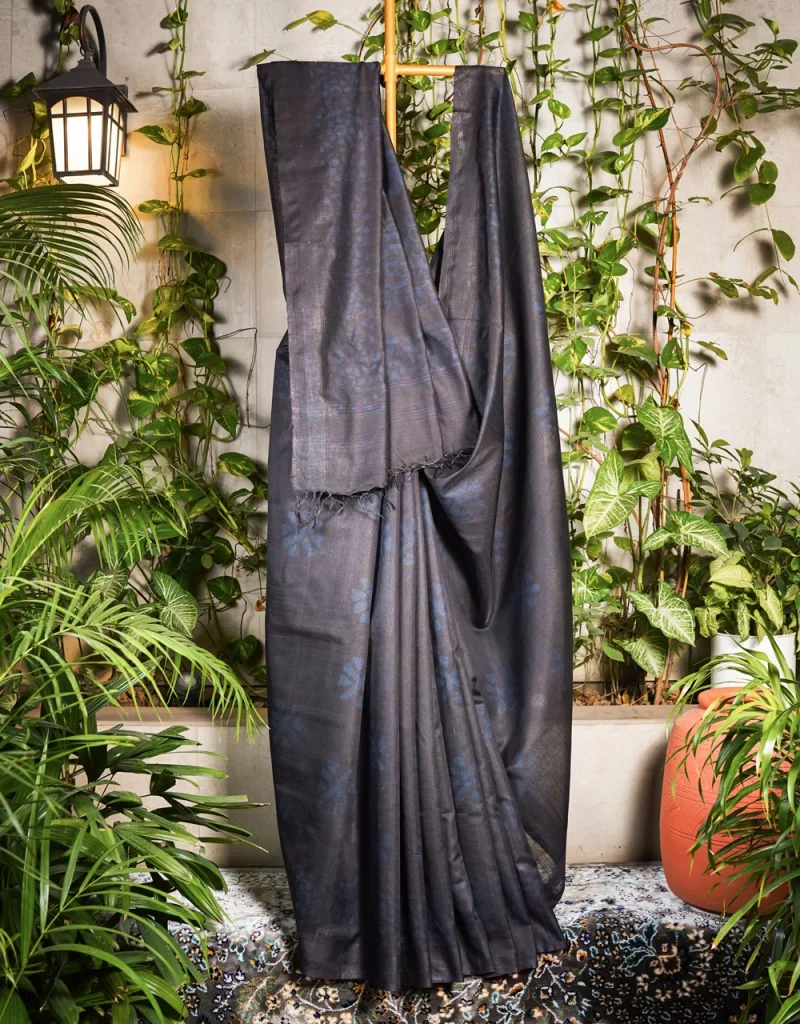
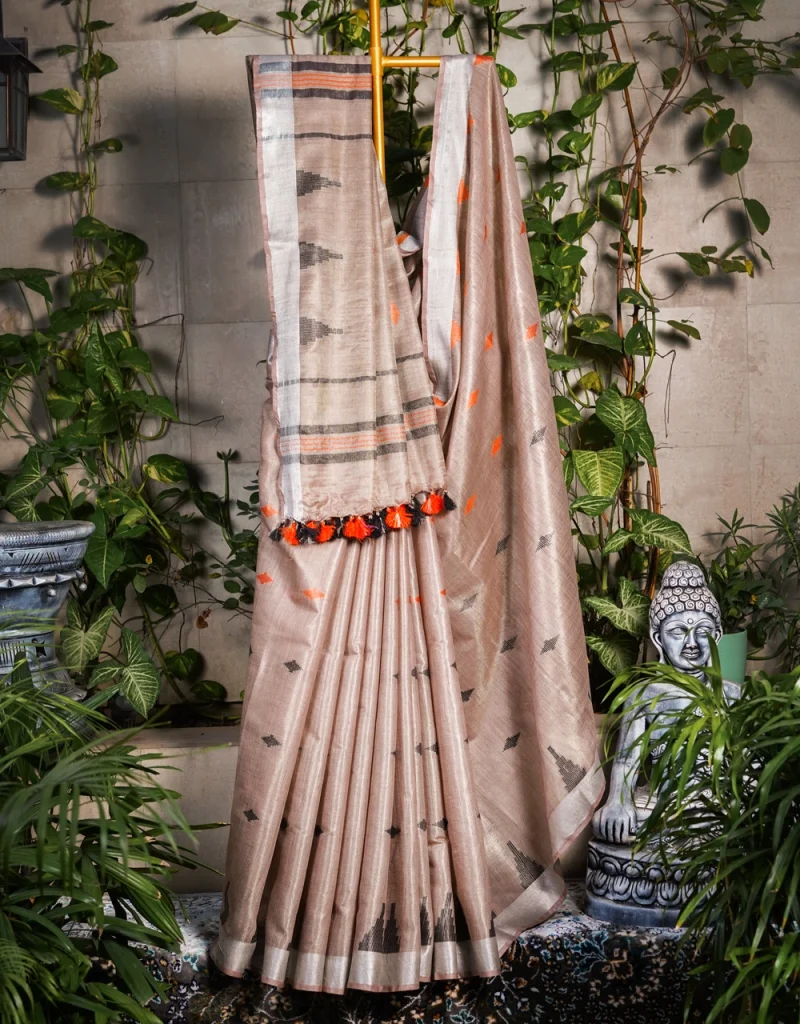
    For those who love a more textured, earthy finish, buy tussar silk saree options offer a beautiful alternative to smooth silk. Tussar has a natural sheen and a slightly rougher texture that gives silk sarees for wedding a distinctly organic, handcrafted feel ideal for daytime ceremonies or intimate gatherings.
    Tissue Silk Sarees for Wedding Looks

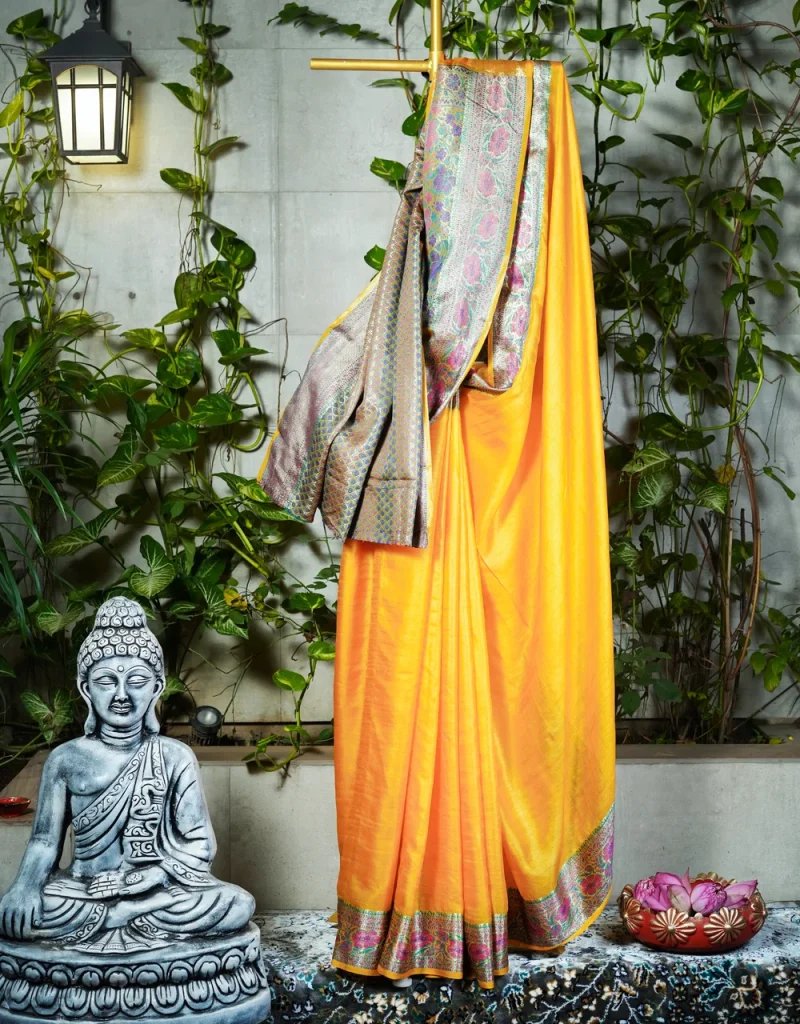
    Another increasingly popular option is tissue silk. Those who wish to buy tissue silk saree styles will find that this variety is lightweight, shimmery, and perfect for reception events where a glamorous, modern silk sarees for wedding look is desired.
    Blended Silks for Comfort-Focused Wedding Dressing

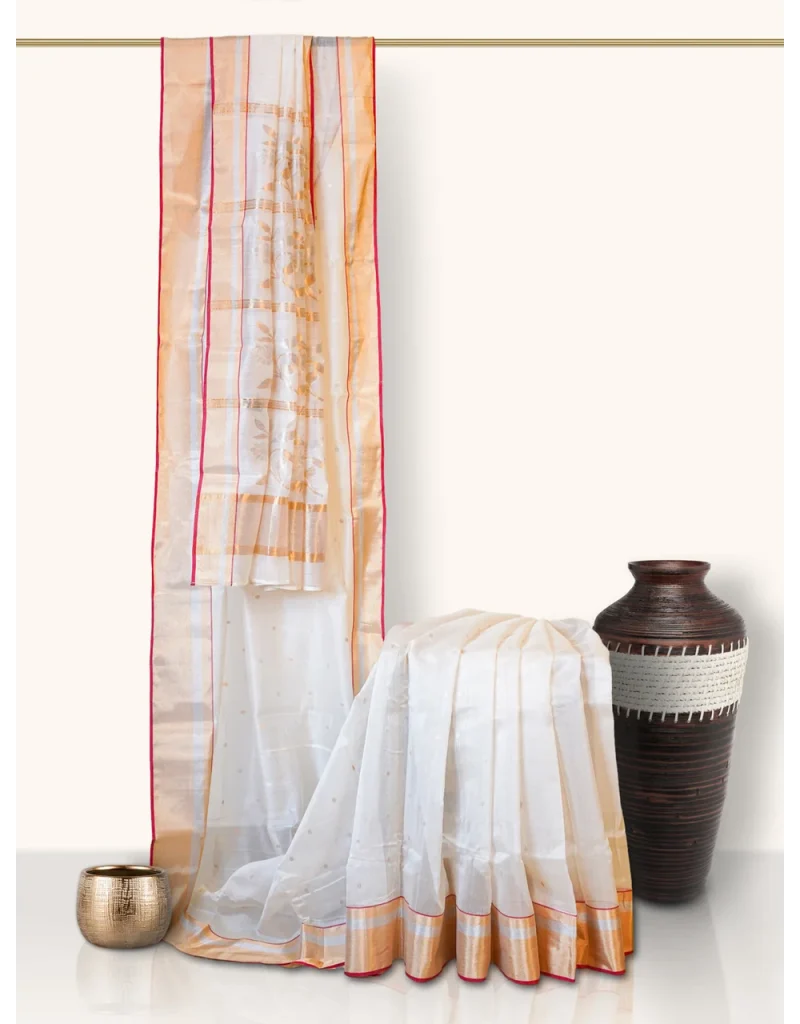
    For those who need comfort over long hours, cotton silk saree blends offer the best of both worlds the look of silk sarees for wedding with the breathability of cotton. These work especially well for afternoon events or outdoor ceremonies in warmer seasons.

    Many people today also choose to buy sarees online India to compare different silk varieties side by side before making a final decision a much more convenient approach than visiting multiple stores.
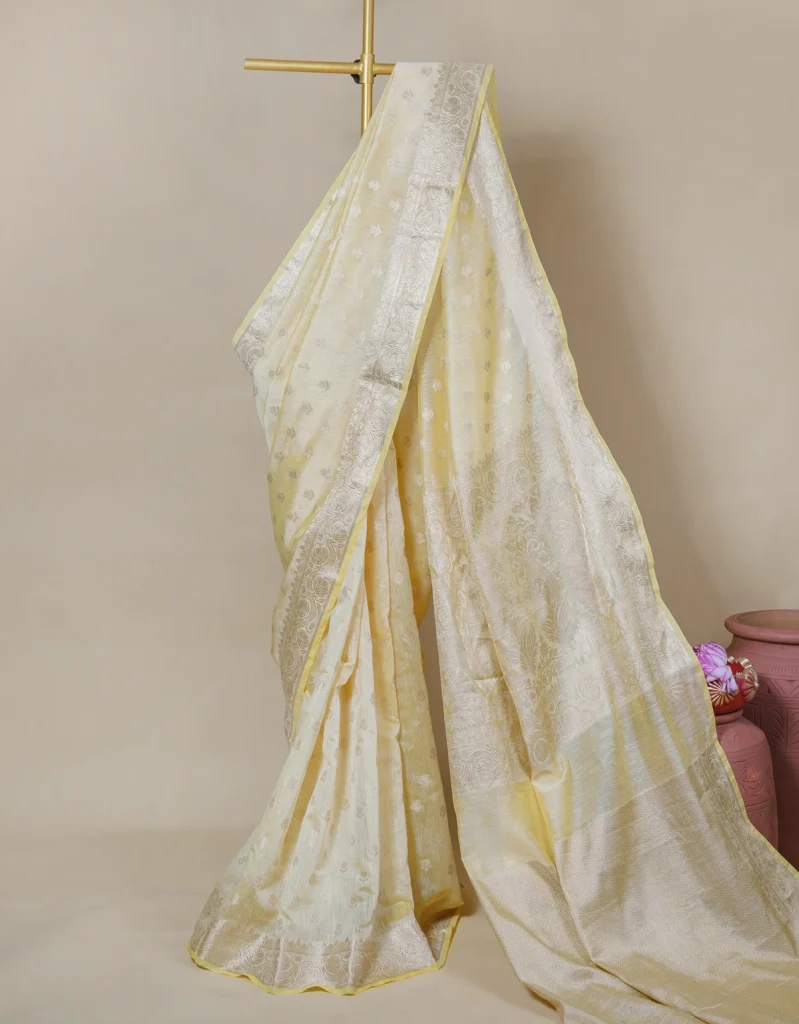
    Colour Selection: The Heart of Silk Sarees for Wedding Styling

    After fabric and occasion, colour is the decision that shapes a silk sarees for wedding look more than anything else. It determines how the saree reads under different lighting conditions, how it photographs, and how the wearer feels in it throughout the day. Choosing the right colour for silk sarees for wedding is neither about following trends nor about sticking rigidly to tradition it is about finding the balance that feels personally right.

    Traditional Colours for Silk Sarees for Wedding Occasions

    Colour plays a defining role in how silk sarees for wedding look in photographs, under event lighting, and in real life. Traditional colours like red, maroon, gold, and deep green are timeless choices that instantly convey that classic bridal and festive energy.

    Modern Colour Trends in Silk Sarees for Wedding Fashion

    Modern weddings in 2026 are also embracing softer, more personal colour stories. Pastels like blush pink, mint green, lavender, and ivory are becoming popular choices for silk sarees for wedding styling particularly at receptions and evening events.

    How to Choose the Right Colour for Silk Sarees for Wedding

    The most honest guidance is this: there is no right or wrong colour for silk sarees for wedding. The choice depends entirely on personal personality, skin tone, the time of the event, and the mood being created. Dark, saturated tones photograph dramatically. Soft pastels feel gentle and romantic. Both are equally valid silk sarees for wedding choices.

    Why Comfort Is Non-Negotiable When Choosing Silk Sarees for Wedding

    Indian weddings are long, physically demanding events that can stretch across an entire day and well into the night. A silk sarees for wedding outfit that looks stunning in the morning but becomes difficult to manage by the afternoon is a problem that affects not just comfort but confidence. Factoring wearability into every silk sarees for wedding decision is not a compromise on style it is what makes great style actually sustainable across a full celebration.

    Balancing Appearance and Wearability in Silk Sarees for Wedding Selection

    A common and costly mistake when choosing silk sarees for wedding outfits is focusing only on how the saree looks on the hanger or in a photograph. But weddings are long involving sitting, standing, moving, greeting guests, and sometimes even dancing for hours at a stretch.

    Heavy silk sarees for wedding can feel overwhelming if worn for too long, especially during outdoor or summer events. That is why many women balance their wardrobe thoughtfully across different functions.

    Smart Fabric Alternatives Alongside Silk Sarees for Wedding Outfits

    For smaller pre-wedding events where ease matters more than grandeur, a linen blend saree is an excellent choice lightweight, breathable, and still elegant. Those who prefer natural textures can also buy linen saree options for informal family gatherings or engagement ceremonies alongside their heavier silk sarees for wedding selections.

    For main ceremonies, however, silk sarees for wedding remain the undisputed top choice just ensure the weight and weave are appropriate for how long the saree will be worn.

    How to Identify Quality When You Buy Silk Saree

    The silk sarees for wedding market includes everything from genuine handwoven heritage pieces to machine-made alternatives that can look deceptively similar at first glance. Knowing how to tell the difference before making a purchase protects the investment and ensures the saree holds its beauty long after the wedding. A few simple checks at the point of purchase can make all the difference between a silk sarees for wedding piece that lasts decades and one that disappoints within a season.

    Signs of Authentic Quality in Silk Sarees for Wedding Purchases

    If the intention is for a silk sarees for wedding purchase to last for years and potentially be passed down quality must be a priority. When choosing to buy silk saree pieces for significant occasions, these are the quality indicators to look for:

    Visual and Tactile Markers of Quality Silk Sarees for Wedding

    • A natural, soft sheen (not overly synthetic or mirror-bright)
    • Smooth but slightly textured hand feel
    • Strong, durable weave that holds its structure
    • Even patterns with clean finishing and no loose threads
    • Consistent colour with no patchy or faded areas

    High-quality silk sarees for wedding pieces are often handcrafted, which adds to their uniqueness and long-term value. Investing slightly more in a saree that can be reused for future celebrations or even preserved as a keepsake is almost always worth it.

    A Real Case Study: How One Family Planned Their Silk Sarees for Wedding Wardrobe

    Case Study – The Mehta Family, Jaipur Wedding (2025)

    To illustrate just how much thoughtful planning transforms the silk sarees for wedding experience, here is a real-world approach followed by a Jaipur-based family preparing for a multi-day wedding celebration.

    The Challenge

    The Mehta family had three women attending all five wedding functions the bride’s mother, the maternal aunt, and the elder sister. All three wanted to wear silk sarees for wedding for every function, but the combined budget was limited and comfort across long days was a priority.

    The Planning Approach for Silk Sarees for Wedding Occasions

    Rather than buying five silk sarees for wedding per person, they mapped each function to a fabric category first:

    • Haldi: All three wore cotton silk saree blends – comfortable, affordable, and occasion-appropriate
    • Mehendi: Linen blend sarees in festive colours – breathable and easy to move in
    • Sangeet: Mid-weight silk sarees for wedding in rich jewel tones – festive enough for dancing
    • Wedding Ceremony: Full Kanjivaram silk sarees for wedding – the most significant investment of the wardrobe
    • Reception: Tissue silk for a lighter, more glamorous silk sarees for wedding finish

    The Results

    By mixing silk types intelligently across functions rather than wearing the same grade of silk sarees for wedding for every event, the family:

    • Reduced the overall saree budget by approximately 35 percent
    • Felt comfortable across all five long events
    • Still maintained the visual richness expected at a traditional Indian wedding
    • Received the most compliments on the ceremony Kanjivarams and reception tissue silks

    The Key Lesson

    The case study proves that choosing silk sarees for wedding is not about wearing the heaviest or most expensive option at every function. It is about matching the right silk type to the right occasion a strategy that delivers both comfort and elegance throughout the celebration.

    Draping Styles That Transform Silk Sarees for Wedding Looks

    Classic and Modern Draping Options for Silk Sarees for Wedding Fashion

    Even the most beautiful silk sarees for wedding can look average if not draped thoughtfully. Classic draping is always a safe option it keeps everything elegant, balanced, and traditionally correct. But for those who want something more contemporary, several modern draping styles are reshaping silk sarees for wedding fashion in 2026.

    Popular Modern Draping Styles for Silk Sarees for Wedding

    • Belted drape: Cinches the waist and creates a structured silhouette
    • Seedha pallu style: Clean and easy to maintain throughout long functions
    • Pleated modern drape: Contemporary and sharp, ideal for reception silk sarees for wedding looks
    • Fusion jacket styling: Layering a structured jacket over silk sarees for wedding for a cross-cultural finish

    These small styling changes can completely refresh a silk sarees for wedding outfit without changing the saree itself.
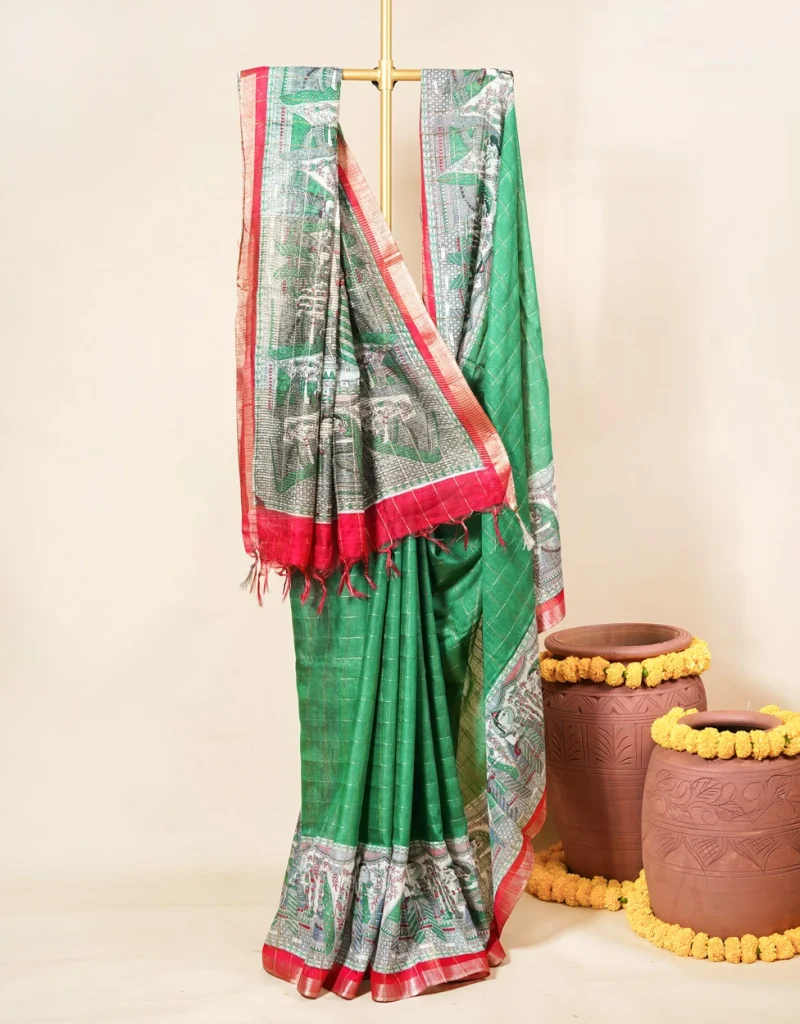
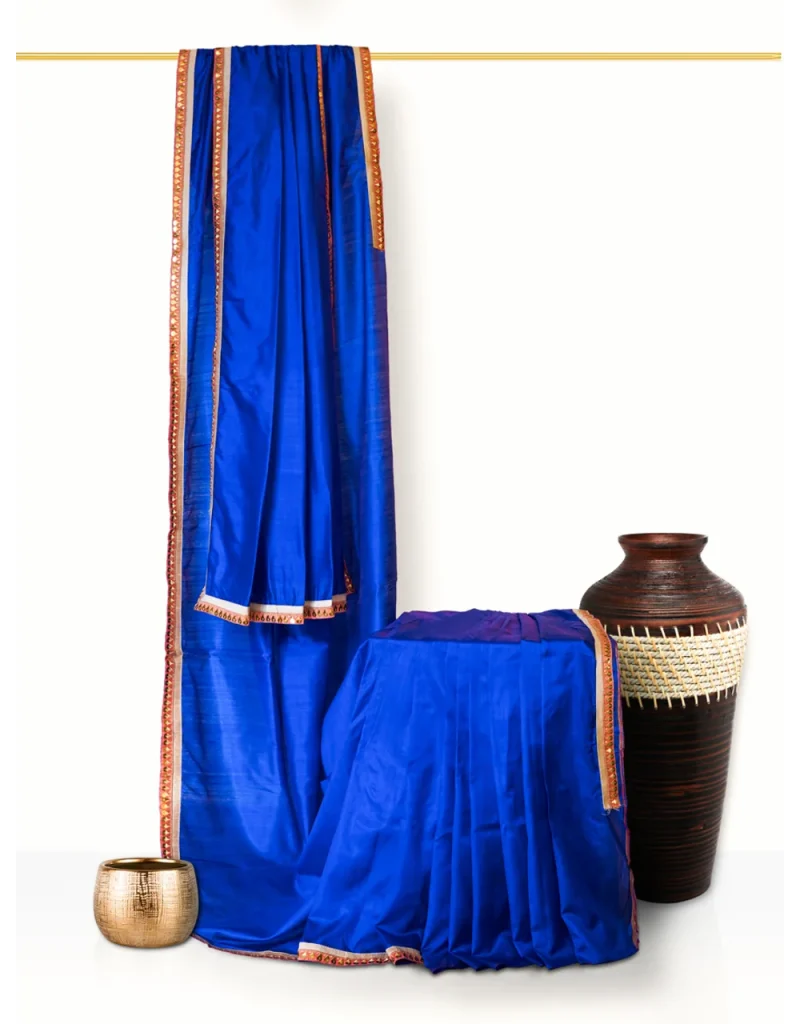
    Blouse Design: The Silent Game-Changer in Silk Sarees for Wedding Styling

    How Blouse Design Elevates Silk Sarees for Wedding Looks

    The blouse is consistently underestimated, but it has the power to completely transform a silk sarees for wedding look from ordinary to extraordinary.

    A heavily embroidered blouse works beautifully with traditional silk sarees for wedding at the main ceremony, while a simple satin or silk blouse adds a modern, pared-back touch that suits reception dressing.

    Blouse Styles That Work Best with Silk Sarees for Wedding

    • High-neck blouses: Elegant and classic for traditional silk sarees for wedding
    • Backless designs: Bold and modern for reception silk sarees for wedding outfits
    • Elbow-length sleeves: Graceful and versatile across all silk sarees for wedding functions
    • Mirror work or embroidery: Adds festive detail to plainer silk sarees for wedding choices

    Accessorising Silk Sarees for Wedding the Right Way

    The Balance Rule for Silk Sarees for Wedding Accessories

    With silk sarees for wedding, balance is the golden rule. Since silk already carries inherent richness and visual weight, accessories should enhance never overpower the look.

    Traditional gold jewellery is always a safe and culturally resonant choice with silk sarees for wedding outfits. Modern brides and wedding guests are also experimenting with pearls, polki sets, and minimal statement pieces that complement rather than compete with the saree.

    A Simple Accessory Guide for Silk Sarees for Wedding

    • Heavy, embellished silk sarees for wedding → keep jewellery simple and clean
    • Lighter, simpler silk sarees for wedding → bold jewellery is the statement piece
    • Reception tissue silk → contemporary, architectural jewellery works beautifully

    Hair and Makeup for Silk Sarees for Wedding Occasions

    Styling the Complete Look Around Silk Sarees for Wedding Outfits

    Hairstyle and makeup should complement silk sarees for wedding outfits not compete with them. The goal is always harmony across every element of the look.

    Hairstyle Recommendations for Silk Sarees for Wedding

    Classic bun hairstyles with fresh flowers never go out of style with silk sarees for wedding. They instantly add elegance and keep the visual focus on the saree and jewellery. Side-swept braids and low chignons also work beautifully.

    Makeup Guidelines for Silk Sarees for Wedding Looks

    • Soft base with a natural, healthy glow
    • Defined eyes that add depth without heaviness
    • Balanced lips bold lip colour works best when the silk sarees for wedding choice is relatively simple; a natural lip suits heavier, more embellished sarees

    Where to Shop for the Perfect Silk Sarees for Wedding

    Online Shopping Options for Silk Sarees for Wedding Collections

    Today, shopping for silk sarees for wedding is more accessible than ever. Digital platforms allow exploration of extensive collections without visiting multiple stores, and detailed product descriptions make it easier to assess quality, weave, and occasion-fit before purchasing.

    Platforms like Taneira by Tata, FabIndia, and The Loom offer curated silk sarees for wedding collections with region-specific weaves, authentic handloom certifications, and detailed sizing guidance.

    For those who want variety across fabric types not just silk sarees for wedding but also lighter alternatives for other functions these platforms provide the flexibility to plan a complete wedding wardrobe in one place.

    Budget Planning for Silk Sarees for Wedding Wardrobes

    Planning Spend Across Different Silk Sarees for Wedding Tiers

    Weddings can be expensive, and silk sarees for wedding outfits are often a significant part of the overall clothing budget. The good news is that silk sarees for wedding come in a wide range of price points from affordable silk blends to premium handwoven pieces.

    A Practical Approach to Budgeting Silk Sarees for Wedding

    • Main ceremony: Invest the most here a quality Kanjivaram or Banarasi silk sarees for wedding piece will last decades
    • Reception: Mid-range tissue or lightweight silk sarees for wedding options deliver visual impact at a lower price point
    • Pre-wedding functions: Budget-friendly cotton silk and linen blends that still look polished

    Planning the silk sarees for wedding budget by function rather than spending uniformly across all events allows for smarter allocation and better overall outcomes.

    Mixing Tradition with Modern Fashion in Silk Sarees for Wedding Styling

    Fusion Trends Reshaping Silk Sarees for Wedding Fashion in 2026

    One of the most interesting developments in silk sarees for wedding fashion in 2026 is the rise of deliberate fusion styling. Brides and wedding guests are no longer adhering strictly to traditional looks instead, they are mixing modern elements with silk sarees for wedding outfits to create something that feels personally theirs.

    Belts, structured jackets, contemporary blouses, and even coordinated sneakers are appearing alongside silk sarees for wedding in ways that feel surprisingly elegant rather than jarring. The key is intentionality every element should feel chosen, not accidental.

    The Smart Fabric Mix Across Wedding Functions

    A practical and increasingly popular approach is to mix fabrics strategically across the wedding schedule wearing lighter, more comfortable sarees for pre-wedding functions and reserving the grandest silk sarees for wedding pieces for the ceremony and reception. This strategy, as illustrated in the Mehta family case study above, delivers both comfort and visual impact throughout the entire celebration.

    Common Mistakes to Avoid When Choosing Silk Sarees for Wedding

    The Most Frequent Errors in Silk Sarees for Wedding Selection

    Even experienced shoppers make small mistakes when choosing silk sarees for wedding outfits that affect the final look or wearability. Knowing what to avoid is just as valuable as knowing what to choose.

    Key Mistakes to Avoid with Silk Sarees for Wedding

    • Choosing only heavy designs: Heavy silk sarees for wedding are stunning but can be exhausting across long functions balance is essential
    • Over-accessorising: Silk carries its own richness; too many accessories compete with the silk sarees for wedding itself
    • Ignoring blouse design: The blouse has an enormous impact on how silk sarees for wedding look overall it deserves as much attention as the saree
    • Not thinking about draping style: Even the most beautiful silk sarees for wedding can look flat without the right drape technique.
    • Buying without considering occasion: Different functions call for different grades of silk sarees for wedding one style does not fit all

    Caring for Silk Sarees for Wedding After the Celebration

    Preserving the Quality of Silk Sarees for Wedding Long-Term

    Silk is a delicate, natural fibre that deserves proper care especially when the saree is a significant silk sarees for wedding investment intended to last for years or be passed down as a family heirloom.

    Essential Care Tips for Silk Sarees for Wedding

    • Always dry clean silk sarees for wedding after wearing never machine wash
    • Store in soft, breathable cotton bags to protect the weave and sheen
    • Avoid hanging silk sarees for wedding for extended periods folding with care prevents stress on the fabric
    • Keep away from direct sunlight and moisture during storage
    • Re-fold along different lines every few months to prevent permanent crease marks

    With proper care, silk sarees for wedding pieces purchased today can remain wearable and beautiful for decades and eventually become treasured family heirlooms in their own right.

    Final Thoughts: Choosing Silk Sarees for Wedding With Confidence

    At the end of the day, silk sarees for wedding are not just about fashion they are about emotion, tradition, and identity. The perfect silk sarees for wedding choice is not necessarily the most expensive or the most heavily embellished option. It is the one that makes the wearer feel confident, comfortable, and genuinely connected to the celebration around them.

    Take time with the decision. Explore the silk varieties available. Match choices to specific functions. Invest thoughtfully in pieces that will last. Because the right silk sarees for wedding outfit does not just make someone look beautiful it makes them feel unforgettable.

    FAQs

    How to select silk sarees for a wedding?

    To select silk sarees for a wedding, start with the occasion and your comfort level. Choose heavier silk for main ceremonies and lighter silk for long events. Focus on quality weave, color harmony, and draping ease. Always check blouse pairing options and jewellery compatibility. Traditional designs work best for weddings, but modern minimal silk is also trending. Most importantly, ensure the saree feels comfortable to wear for hours while still giving a rich, festive appearance overall.

    Which silk is best for a wedding?

    The best silk for a wedding depends on tradition and comfort. Pure silk like Banarasi, Kanjivaram, and Mysore silk are top choices for their rich texture and heritage appeal. They give a royal and festive look ideal for ceremonies. For lighter functions, silk blends or soft silk are more practical. These are easier to carry for long hours. Overall, Kanjivaram silk is often considered the most preferred for weddings due to its elegance, durability, and traditional significance.

    What is the trending color in saree 2026?

    In 2026, saree color trends are a mix of tradition and modern softness. Classic shades like maroon, red, emerald green, and gold remain evergreen for weddings. At the same time, pastel tones like blush pink, lavender, mint green, and ivory are becoming highly popular. Dual-tone sarees and soft ombré effects are also trending. The focus is on elegant, less-heavy visuals with refined color palettes that photograph well and suit both day and evening wedding celebrations beautifully.

    How to make a simple saree look grand for a wedding?

    To make a simple saree look grand for a wedding, focus on styling. Choose a well-fitted embellished blouse and pair it with statement jewellery like jhumkas or a bold necklace. Proper draping with neat pleats instantly upgrades the look. Add a belt or structured pallu for a modern touch. Elegant makeup and a polished hairstyle like a bun with flowers also help. Even a plain silk saree can look luxurious when styled thoughtfully with confidence and balanced accessories.
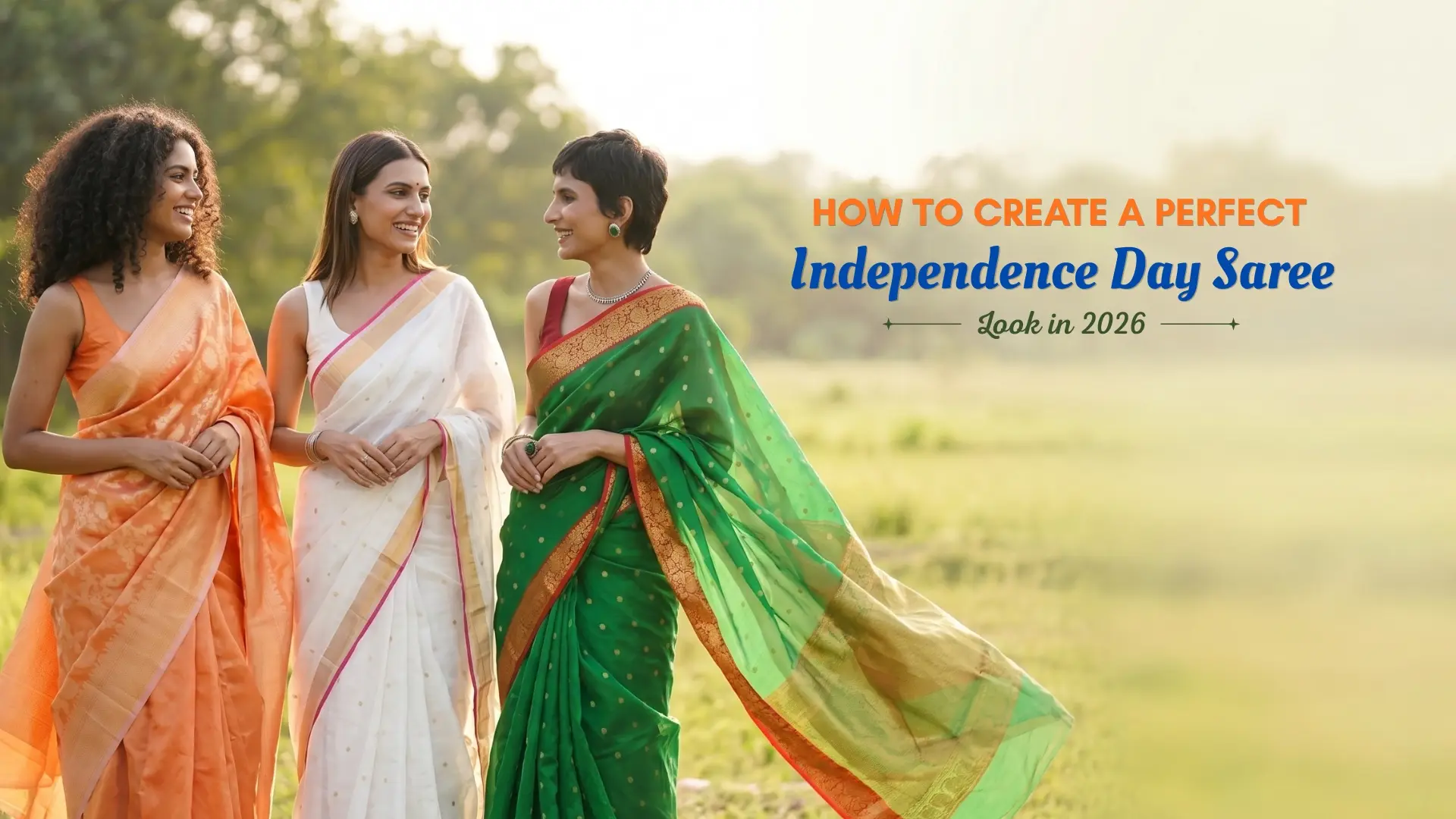
  • How to Create a Perfect Independence Day Saree Look in 2026?

    How to Create a Perfect Independence Day Saree Look in 2026?

    Every year as August draws closer, the air fills with a different kind of excitement. Homes get decorated, schools prepare cultural programs, and wardrobes quietly shift toward something more meaningful. Among all festive outfit choices, the charm of an Independence Day saree stands out beautifully it is not just about dressing up, it is about wearing a feeling of pride, culture, and unity.

    For women across India, choosing the right Independence Day saree has become a quiet tradition of its own. It is that one outfit where emotion meets elegance. In 2026, this tradition feels more vibrant than ever as fashion becomes more expressive, comfortable, and personal. A thoughtfully chosen Independence Day saree can make even a simple celebration feel truly special.

    This guide is here to help you create a look that feels authentic, graceful, and effortless without overcomplicating anything.

    The Meaning Behind an Independence Day Saree Look

    Before diving into styling, fabrics, or trends, it helps to understand why the Independence Day saree carries such emotional weight. It represents far more than festive dressing it reflects respect for the country’s history and pride in its incredible diversity.

    A well-chosen Independence Day saree becomes a visual expression of patriotism. Whether through tricolor accents or subtle traditional weaves, every detail adds meaning. Many women say that wearing an Independence Day saree makes them feel more connected to the celebrations unfolding around them.

    That is exactly what makes this outfit timeless. Even as fashion evolves, the Independence Day saree stays relevant year after year.

    Choosing the Right Fabric for Your Independence Day Saree

    When selecting an Independence Day saree, fabric is where your journey should begin. Since celebrations often involve outdoor events, school gatherings, or cultural programs, comfort matters just as much as appearance. A soft, breathable fabric can completely transform your experience of wearing an Independence Day saree throughout the day.

    Cotton and Everyday Comfort

    If you prefer something simple and airy, a cotton-based Independence Day saree is always a safe and stylish choice. It keeps you comfortable even during long hours in warm weather. A crisp cotton silk saree offers the best of both worlds the breathability of cotton and the subtle sheen of silk making it perfect for daytime festivities.

    Linen for Effortless Grace

    A linen blend saree is a beautiful option when you want something minimal yet classy. Linen naturally drapes well and gives a slightly textured finish that looks elegant in daylight. You can buy linen saree styles curated for festive mornings at Siakari, where the collection blends tradition with a modern sensibility.

    A linen-based Independence Day saree is perfect for those who love understated fashion with a contemporary twist.

    Khadi for a Traditional Independence Day Saree Look

    If you value heritage textiles, a khadi Independence Day saree is deeply symbolic. Khadi brings a raw, authentic charm that aligns perfectly with the spirit of Independence Day. Wearing it feels like a quiet tribute to India’s freedom movement both symbolic and stylish at the same time.

    Georgette and Silk for Festive Elegance

    For a slightly dressy look, lightweight georgette or silk works beautifully as an Independence Day saree fabric. Silk drapes with grace and adds a timeless richness to your appearance. You can buy silk saree options from Siakari’s festive collection that balance tradition with wearability.

    Tussar Silk – A Natural, Earthy Choice

    If you love texture and natural fibers, you should buy tussar silk saree for your Independence Day look. Tussar silk has a beautiful raw texture and warm golden tone that pairs well with tricolor-inspired draping and accessories.

    Tissue Silk for a Subtle Shimmer

    For evening cultural programs or stage performances, consider a tissue silk option. You can buy tissue silk saree from Siakari to add a soft shimmer to your Independence Day saree look without being overpowering.

    Color Choices That Reflect the Spirit of Independence

    Color plays a defining role in your Independence Day saree look. Traditionally, tricolor-inspired combinations are the most popular choice, but modern styling allows for more personal flexibility.

    Classic Tricolor Combinations

    The three colors of the Indian flag carry deep meaning:

    • Saffron / Orange – energy, courage, and positivity
    • White – peace, simplicity, and purity
    • Green – growth, harmony, and prosperity

    Many women prefer subtle combinations rather than loud prints. A soft white Independence Day saree with minimal tricolor borders often looks more elegant than heavily patterned designs.

    Modern Color Interpretations

    In 2026, minimalism is a defining trend. Soft ivory, muted sage, and earthy saffron tones are popular for an Independence Day saree that feels both festive and refined. The idea is to let your outfit speak softly yet meaningfully.

    Styling Your Independence Day Saree with Confidence

    Styling is where your personality shines through. A beautifully draped Independence Day saree can instantly elevate your entire presence without requiring heavy accessories or dramatic styling.

    Draping Styles That Make a Difference

    Draping is often underestimated, but it completely changes how your Independence Day saree looks and feels on your body. Some styles worth exploring:

    • Classic Nivi Drape – always safe, always elegant
    • Seedha Pallu – neat, modern, and effortless
    • Pre-Stitched Drape – perfect for busy mornings

    The goal is to ensure your Independence Day saree feels comfortable enough for movement while still looking polished. Good draping enhances confidence, and confidence enhances everything.

    Contemporary Styling Experiments

    You can also experiment with:

    • Belted saree drapes for a structured silhouette
    • Pleated pallu styles for added elegance
    • Cape or jacket layering for a festive-modern fusion

    Each approach transforms your Independence Day saree into something versatile and contemporary while still respecting tradition. For more styling inspiration, brands like Sabyasachi, Raw Mango, and Fabindia regularly feature creative festive draping ideas worth exploring.

    Accessories to Complete Your Independence Day Saree Look

    Accessories should support your outfit, not overpower it. When styling an Independence Day saree, balance is everything.

    Jewelry That Complements, Not Competes

    Go for:

    • Small stud earrings in gold or silver
    • Lightweight bangles in a complementary color
    • A minimal necklace or none at all

    Over-accessorizing works against the charm of an Independence Day saree. The beauty of this look lies in its simplicity, and a clean, elegant approach always feels more appropriate for the occasion.

    Handbag and Footwear Choices

    A simple potli bag or a woven clutch pairs well with an Independence Day saree. For footwear, traditional juttis, block heels, or flat sandals in neutral tones all work beautifully.

    Hair and Makeup for a Natural Independence Day Saree Finish

    Your hairstyle and makeup should complement your Independence Day saree, not compete with it.

    Hairstyle Ideas

    • A neat bun adorned with fresh jasmine or marigold flowers
    • Soft waves left open for a relaxed, effortless look
    • A simple braid for a traditional, graceful finish

    Makeup That Enhances

    Makeup for an Independence Day saree should be fresh and breathable. Think a light base, soft kohl eyeliner, and nude or peach lips. The idea is to enhance your look without making it feel heavy or artificial. A bindi adds a lovely final touch that ties the entire Independence Day saree look together.

    Where to Shop the Perfect Independence Day Saree Online

    Finding the right saree is now easier than ever. You can buy sarees online India and explore a wide range of styles, fabrics, and designs from the comfort of your home comparing options thoughtfully before making a choice.

    Siakari is a curated saree destination that blends traditional craftsmanship with modern aesthetics. Their festive collections make it simple to find elegant, high-quality pieces for every occasion, including a beautifully crafted Independence Day saree that reflects both heritage and personal style. Explore the full collection at Siakari.

    Smart Shopping Tips for Independence Day Saree 2026

    Start Early

    Planning ahead is always wise. Starting your search at least two to three weeks before August 15th ensures you don’t end up rushing while choosing your Independence Day saree. Early shoppers also get access to better selections and more time for alterations if needed.

    Know Your Fabric Priorities

    Before browsing, decide whether you want comfort-first (cotton, linen) or occasion-dressing (silk, georgette). That single decision narrows down your Independence Day saree options considerably and makes shopping much smoother.

    Read Reviews and Check Return Policies

    When shopping online, always read customer reviews for fabric quality and color accuracy. A reliable platform will offer easy returns so you can shop for your Independence Day saree without worry.

    How Digital Trends Are Shaping Independence Day Saree Fashion

    Fashion in 2026 is deeply influenced by digital storytelling. Brands and designers are now working with creative agencies to showcase festive saree collections in more engaging and accessible ways. These campaigns highlight how an Independence Day saree can be styled multiple ways, making it easier for shoppers to visualize the final look before purchasing.

    Platforms like Instagram and Pinterest have made the Independence Day saree more aspirational and accessible at the same time, with influencers and designers sharing creative draping tutorials, color pairing ideas, and styling tips ahead of every August.

    Key Trends Defining the Independence Day Saree in 2026

    Minimalism Takes Centre Stage

    This year, clean lines and restrained styling are dominant. Lightweight fabrics, soft colors, and neat drapes are defining what the modern Independence Day saree looks like. Heavy embroidery and over-embellishment have given way to comfort-driven elegance.

    Heritage Weaves Reimagined

    Traditional styles like khadi, tussar, and handloom cotton are being reimagined in contemporary silhouettes. An Independence Day saree rooted in heritage textiles feels deeply authentic while still looking fresh and relevant.

    Fusion Styling

    People are experimenting with fusion elements pairing their Independence Day saree with structured blazers, embroidered kurtis as blouses, or even turtlenecks for a layered look. This versatility makes the saree reusable beyond just the one day.

    Photography Tips for Your Independence Day Saree Look

    Since celebrations are often photographed and shared, your Independence Day saree should look just as beautiful on camera.

    • Opt for natural outdoor lighting in the morning or late afternoon
    • Use architectural or garden backgrounds for a timeless feel
    • Keep your posture relaxed and your expression natural
    • A confident smile enhances the beauty of your Independence Day saree more than any filter ever could

    Care and Maintenance After Independence Day

    After the celebration, proper care ensures your Independence Day saree remains in excellent condition for future use.

    Washing and Storage

    • Handwash delicate fabrics like silk and georgette gently, or opt for dry cleaning
    • Cotton and linen Independence Day saree styles can usually be machine-washed on a gentle cycle
    • Store in a cool, dry place, ideally wrapped in muslin cloth
    • Avoid harsh folds that can crease fine fabrics permanently

    Common Mistakes to Avoid with an Independence Day Saree Look

    Even the most beautiful Independence Day saree can lose its impact with a few styling missteps. Here is what to avoid:

    • Over-accessorizing – less is more; let the saree be the focus
    • Choosing uncomfortable fabric – if you are not at ease, it will show
    • Impractical draping styles – avoid anything that restricts movement during a long day
    • Heavy, cakey makeup – keep it fresh and breathable
    • Last-minute shopping – always plan ahead for the best selection

    Final Thoughts on Your Independence Day Saree in 2026

    At its heart, the Independence Day saree is not just an outfit it is a reflection of pride, tradition, and personal identity. Whether you choose cotton, khadi, tussar, linen, or silk, what truly matters is how you feel wearing it.

    In 2026, fashion is all about individuality. Let your Independence Day saree tell your story in the simplest, most elegant way possible. When worn with confidence and comfort, it becomes more than clothing it becomes a memory woven into the fabric of celebration.

    So this year, do not just wear an outfit. Choose an Independence Day saree that makes you feel connected, graceful, and truly yourself. Explore beautifully crafted options at Siakari and find the one that speaks to you.

    FAQs

    Which saree is in trend now in 2026?

    In 2026, saree trends are leaning toward comfort with elegance. Lightweight fabrics like linen, organza, and soft georgette are very popular. Minimalist designs with solid colors, subtle borders, and handloom textures are in demand. Pre-draped and belt-style sarees are also trending for convenience. Eco-friendly fabrics like khadi and organic cotton are gaining attention too. Overall, the focus is on effortless draping, breathable materials, and versatile styles that can be worn for both festive and casual occasions.

    Which color saree is best for independence day? 

    For Independence Day, the best saree colors are inspired by the national flag. White symbolizes peace and unity, saffron represents courage and energy, and green reflects growth and harmony. Many people combine these shades subtly in borders or prints. A white saree with orange and green accents is the most popular choice. Soft pastel versions of these colors also work well for a modern touch. The goal is to look patriotic while keeping the outfit elegant and balanced.

    Which saree color looks royal?

    Royal-looking saree colors are usually deep, rich shades that create a luxurious feel. Maroon, wine, emerald green, navy blue, and royal purple are timeless choices. These colors pair beautifully with gold or silver embroidery, enhancing the regal effect. Fabrics like silk, tissue silk, and heavy georgette further elevate the look. Even a simple design in a rich color can appear grand. The key is balance minimal design with deep tones often creates the most elegant royal appearance.

    How to style for independence day? 

    For Independence Day styling, keep the look simple yet meaningful. Choose breathable fabrics and drape your saree neatly for comfort throughout the day. Add light accessories like small earrings or bangles instead of heavy jewelry. Soft makeup with a fresh base and subtle tricolor-inspired accents works well. Hairstyles like a bun, braid, or loose waves complete the look. The idea is to stay elegant, comfortable, and patriotic while letting your outfit reflect the spirit of the celebration naturally.

  • Difference Between Banarasi and Kanjivaram Saree

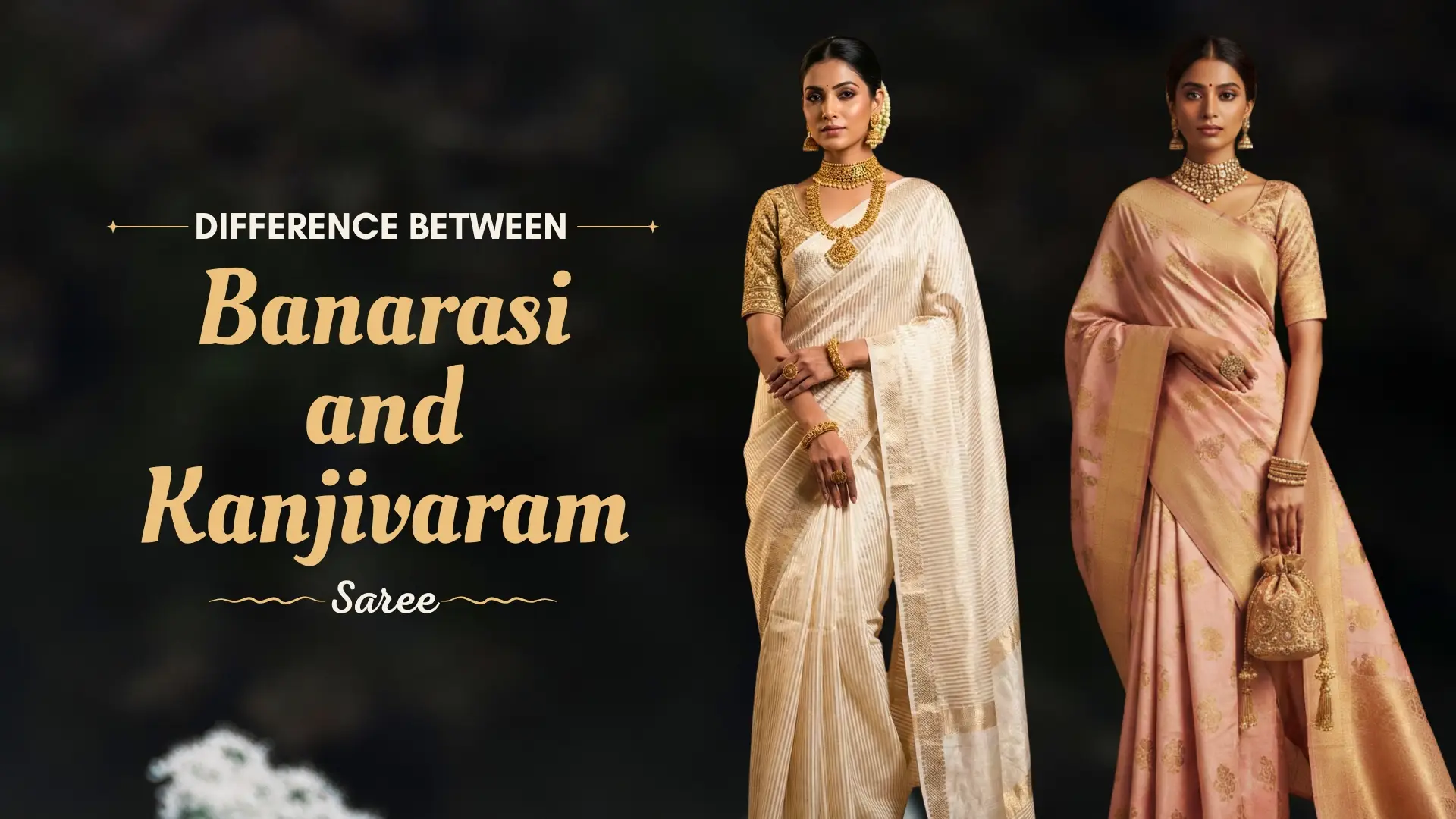
    Difference Between Banarasi and Kanjivaram Saree

    India has a long and beautiful relationship with sarees. Each region has its own weaving style, history, and signature look. Among the most admired silk sarees in the country are Banarasi and Kanjivaram sarees. Both are luxurious, traditional, and deeply connected to Indian culture. Yet, they are quite different in terms of weaving style, design, texture, and origin.

    Many shoppers often wonder about the difference between banarasi and kanjivaram saree when choosing a saree for weddings, festivals, or special occasions. Understanding these differences not only helps you make a better purchase decision but also deepens your appreciation for the incredible craftsmanship behind these textiles.

    In this detailed guide, we will explore the difference between banarasi and kanjivaram saree by looking at their history, fabric, weaving techniques, motifs, cultural significance, and styling possibilities.

    The Rich History Behind Banarasi Sarees

    Banarasi sarees originate from Varanasi, one of the oldest living cities in the world. The weaving tradition dates back several centuries and flourished during the Mughal era. Mughal influence brought intricate floral patterns, paisleys, and detailed brocade work into the designs.

    Artisans in Varanasi developed advanced weaving techniques using silk threads combined with gold and silver zari. Over time, Banarasi sarees became a symbol of royalty and luxury. They were traditionally worn by brides and aristocratic families.

    When discussing the difference between banarasi and kanjivaram saree, the historical influence of Persian and Mughal art is one of the defining elements of Banarasi designs.

    Today, Banarasi sarees remain a staple for weddings and celebrations. Many women also explore modern variations when they buy sarees online India, where traditional patterns are blended with contemporary colors.

    The Heritage of Kanjivaram Sarees

    Kanjivaram sarees come from Kanchipuram in Tamil Nadu and are widely regarded as one of the finest silk sarees in India. The weaving tradition is believed to be more than 400 years old.

    These sarees are made from pure mulberry silk and woven using a distinctive technique that creates strong, durable fabric. The borders and pallu are usually woven separately and then joined to the body of the saree with an interlocking method that makes them extremely sturdy.

    When comparing the difference between banarasi and kanjivaram saree, the structural strength of Kanjivaram silk is often highlighted. The fabric feels heavier and more textured than Banarasi silk.

    Kanjivaram sarees are deeply connected to South Indian culture and are an essential part of traditional bridal attire in Tamil Nadu.

    Difference Between Banarasi and Kanjivaram Saree in Fabric

    One of the most noticeable aspects of the difference between banarasi and kanjivaram saree is the fabric itself.

    Banarasi sarees are usually made with fine silk and sometimes blended fabrics. The silk feels smooth and slightly lightweight compared to Kanjivaram silk.

    Kanjivaram sarees, on the other hand, are woven from thicker mulberry silk threads. The fabric is denser, heavier, and has a rich texture that gives the saree a regal appearance.

    While Banarasi sarees often feel delicate and flowing, Kanjivaram sarees have a structured drape that stands out beautifully during traditional ceremonies.

    If you are looking for breathable everyday fabrics, options like a cotton blend saree or linen blend saree may feel more comfortable for daily wear.

    Weaving Techniques: Craftsmanship at Its Finest

    Another important aspect of the difference between banarasi and kanjivaram saree lies in their weaving techniques.

    Banarasi sarees are famous for brocade weaving. Artisans use extra weft threads to create intricate designs on the fabric surface. This technique allows for detailed motifs like florals, vines, and paisleys.

    Kanjivaram sarees follow a completely different weaving style. The body, border, and pallu are woven separately and then joined using a traditional interlocking method called “korvai.” This technique makes the saree incredibly strong and long-lasting.

    Because of this craftsmanship, Kanjivaram sarees often last for generations when properly cared for.

    Motifs and Design Differences

    Motifs are another key factor in understanding the difference between banarasi and kanjivaram saree.

    Banarasi sarees often feature:

    • Floral vines
    • Paisley patterns
    • Mughal-inspired motifs
    • Delicate brocade work

    Kanjivaram sarees typically showcase:

    • Temple borders
    • Peacock designs
    • Mythological symbols
    • Geometric patterns

    These design differences reflect the cultural influences of North and South India.

    For women who prefer simpler prints for everyday use, styles like Bengal cotton sarees online or casual wear sarees provide elegant yet practical alternatives.

    Zari Work: A Signature Feature

    Zari work plays a major role in both saree types, but it contributes differently to the difference between banarasi and kanjivaram saree.

    Banarasi sarees often feature intricate zari patterns woven throughout the fabric. The shimmering metallic threads create detailed brocade designs that give the saree a luxurious look.

    Kanjivaram sarees use zari primarily in the borders and pallu. The contrast between the body and border colors is often dramatic and striking.

    Both styles use real or tested zari depending on the price range and quality.

    Weight and Texture Comparison

    If you hold both sarees side by side, the difference between banarasi and kanjivaram saree becomes very clear in terms of weight.

    Banarasi sarees are generally lighter and softer, making them easier to drape for long hours.

    Kanjivaram sarees are heavier due to thicker silk threads and dense weaving. This gives them a grand appearance but also makes them slightly heavier to carry.

    For everyday styling, many women prefer lighter fabrics like viscose silk saree or tussar silk saree online, which combine elegance with comfort.

    Cultural Significance

    The difference between banarasi and kanjivaram saree is also rooted in regional traditions.

    Banarasi sarees are strongly associated with North Indian weddings. Brides often receive them as part of their bridal trousseau.

    Kanjivaram sarees hold deep cultural significance in South India. They are worn during temple ceremonies, weddings, and important religious events.

    Many families pass down Kanjivaram sarees through generations as heirlooms.

    For spiritual occasions, women also explore options like pooja sarees online that maintain traditional aesthetics while offering lighter fabrics.

    Occasions to Wear Banarasi vs Kanjivaram

    Understanding the difference between banarasi and kanjivaram saree also helps in choosing the right saree for different occasions.

    Banarasi sarees are perfect for:

    • Weddings
    • Receptions
    • Festivals
    • Evening events

    Kanjivaram sarees are ideal for:

    • Traditional ceremonies
    • Temple visits
    • South Indian weddings
    • Cultural celebrations

    For lighter celebrations, many women prefer festive wear sarees that combine traditional charm with easier draping.

    Styling Banarasi Sarees

    When styling a Banarasi saree, minimal accessories often work best because the saree itself is rich and detailed.

    Popular styling ideas include:

    • Pairing with a statement blouse
    • Wearing traditional gold jewelry
    • Keeping makeup classic and elegant

    Modern shoppers who buy georgette sarees sometimes choose Banarasi-style patterns for a lighter contemporary look.

    Styling Kanjivaram Sarees

    Kanjivaram sarees are usually styled with traditional South Indian jewelry such as temple necklaces and gold bangles.

    Hair accessories like jasmine flowers also complement the saree beautifully.

    Blouses with elbow-length sleeves and contrast colors are common styling choices.

    Many saree lovers explore other heritage fabrics as well, including when they buy khadi saree online or buy linen saree for a more minimal and breathable aesthetic.

    Price Differences

    Price is another factor when discussing the difference between banarasi and kanjivaram saree.

    Banarasi sarees can range from affordable handloom blends to extremely expensive handcrafted pieces.

    Kanjivaram sarees are often priced higher due to the use of pure silk and heavy weaving techniques.

    However, both saree styles are available in various price ranges depending on silk quality, zari work, and craftsmanship.

    Luxury variations such as Banaras tissue sarees online or buy tissue silk saree offer shimmering textures that elevate the traditional look.

    Durability and Longevity

    When cared for properly, both sarees can last decades.

    However, the difference between banarasi and kanjivaram saree in durability comes from weaving strength.

    Kanjivaram sarees are known for their exceptional durability because of thicker silk threads and strong weaving methods.

    Banarasi sarees are slightly more delicate but still long-lasting when stored carefully.

    Modern Adaptations

    Today, designers are blending traditional weaving with modern fashion.

    Banarasi motifs are being used on lightweight fabrics, while Kanjivaram patterns are appearing in contemporary color combinations.

    These innovations allow younger generations to embrace traditional sarees in modern ways.

    Even shoppers searching for daily wear sarees can now find designs inspired by these heritage textiles.

    Why Both Sarees Remain Timeless

    Despite changing fashion trends, the difference between banarasi and kanjivaram saree has never reduced their popularity.

    Both sarees represent centuries of Indian craftsmanship, artistry, and cultural pride.

    Banarasi sarees offer delicate elegance with intricate detailing.

    Kanjivaram sarees deliver bold richness and unmatched durability.

    Owning either one means owning a piece of Indian textile history.

    Final Thoughts

    Understanding the difference between banarasi and kanjivaram saree helps you appreciate the beauty and craftsmanship of these iconic Indian textiles.

    Banarasi sarees bring Mughal-inspired elegance and intricate brocade weaving, while Kanjivaram sarees showcase strong silk structure and vibrant South Indian designs.

    Both sarees are timeless investments that continue to hold cultural and emotional value across generations.

    Whether you prefer the delicate charm of Banarasi silk or the regal grandeur of Kanjivaram silk, each saree tells a story of heritage, tradition, and artistry.

    In the end, the difference between banarasi and kanjivaram saree is not about which one is better it is about celebrating two magnificent weaving traditions that make Indian fashion truly unique.

    FAQs

    How to identify Kanjivaram sarees?

    You can identify an authentic Kanjivaram saree by its rich silk texture, heavy weight, and contrasting border and pallu. Traditional Kanjivaram sarees are woven using pure mulberry silk and real zari threads. One key sign is the interlocking technique used to join the border and body, which makes the saree very durable. The motifs often include temples, peacocks, and traditional patterns. Real Kanjivaram sarees also have a silk mark certification that confirms the authenticity of the fabric.

    How to identify a real Banarasi saree?

    A real Banarasi saree can be recognized by its intricate brocade work and detailed zari patterns. Authentic Banarasi sarees are usually handwoven and often feature Mughal-inspired motifs like florals, paisleys, and vines. You may notice slight irregularities in the weave, which indicate handloom craftsmanship. The backside of the saree typically shows loose threads from the weaving process. Genuine Banarasi sarees also carry a GI (Geographical Indication) tag that confirms they were made in Varanasi.

    Which is costly, Banarasi and Kanjivaram?

    Both Banarasi and Kanjivaram sarees can be expensive, but Kanjivaram sarees are generally costlier due to their thicker silk and heavy weaving technique. They are made using pure mulberry silk and often contain high-quality zari, which increases the price. Banarasi sarees also come in luxurious varieties with detailed brocade work, making them expensive as well. However, the final cost of both sarees depends on factors such as silk quality, zari content, weaving complexity, and the reputation of the artisan.

    What are the 4 types of silk?

    There are several types of silk used in textiles, but four commonly known varieties are mulberry silk, tussar silk, eri silk, and muga silk. Mulberry silk is the most widely used and is known for its smooth texture and durability. Tussar silk has a slightly rough texture and natural golden sheen. Eri silk is soft, warm, and eco-friendly. Muga silk, produced mainly in Assam, is famous for its natural golden color and exceptional strength.

  • Light Blue and Dark Blue Combination Sarees: Perfect Color Pairings for Every Occasion

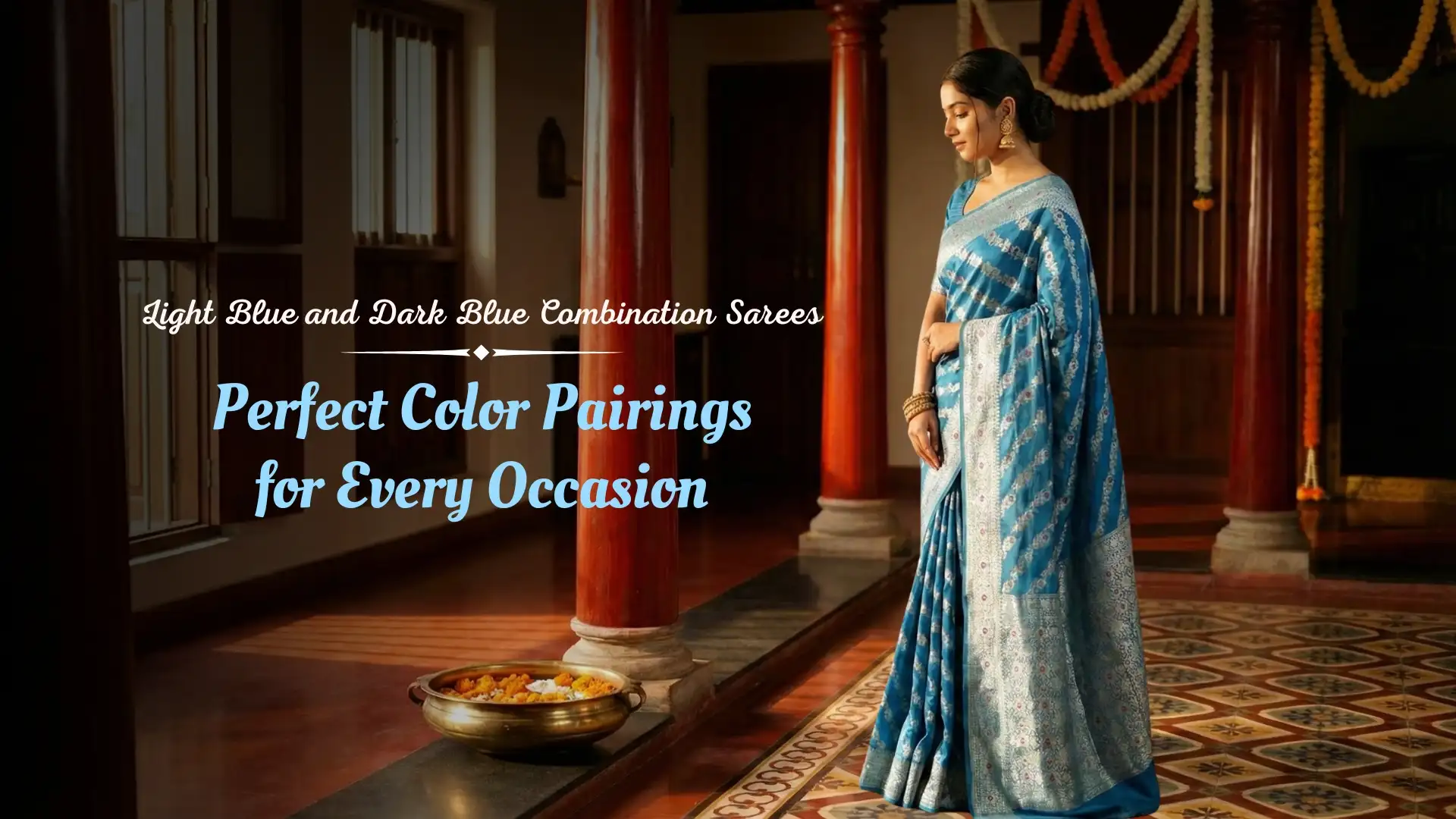
    Light Blue and Dark Blue Combination Sarees: Perfect Color Pairings for Every Occasion

    Sarees have always been more than just clothing in India they are a reflection of culture, tradition, and personal style. Every color in a saree tells a story, and the way different shades come together can completely change the look of the outfit. Among the many color combinations available today, the light blue and dark blue combination saree stands out as one of the most graceful and versatile options.

    Blue is a color that naturally brings a sense of calm and elegance. Light blue feels fresh and soft, while dark blue carries depth and sophistication. When these two shades come together in a light blue and dark blue combination saree, they create a balanced and visually pleasing outfit that works beautifully for both everyday wear and special occasions.

    In recent years, this color pairing has become increasingly popular among women who want something stylish yet timeless. Whether you are dressing for a casual outing, a festive celebration, or a family gathering, the light blue and dark blue combination saree can easily fit the moment while making you look effortlessly elegant.

    In this guide, we will explore why this combination is so loved, how to style it for different events, the best fabrics to choose, and how to select the perfect saree that suits your personality.

    Why Blue-on-Blue Sarees Are So Popular

    Color combinations play a huge role in defining the overall look of a saree. Some combinations are bold and dramatic, while others feel subtle and refined. The light blue and dark blue combination saree belongs to the second category it creates a soft yet rich appearance that feels elegant without being overpowering.

    One of the biggest reasons this pairing is so popular is versatility. Blue shades complement almost every skin tone and can be styled for different occasions. A light blue and dark blue combination saree can look professional for office wear, graceful for religious ceremonies, or glamorous for celebrations, depending on the fabric and design.

    Another reason is the natural harmony between these shades. Light blue represents freshness and simplicity, while dark blue symbolizes strength and depth. Together, they form a combination that looks balanced and aesthetically pleasing.

    Women who prefer subtle sophistication often choose a light blue and dark blue combination saree because it provides elegance without relying on overly bright colors.

    The Symbolism of Blue in Traditional Fashion

    Blue has deep cultural and emotional associations in fashion. It is often connected with peace, stability, and trust. In traditional clothing, blue shades are considered graceful and refined.

    A light blue and dark blue combination saree carries these qualities beautifully. The lighter shade brings softness and charm, while the darker shade adds structure and richness to the design.

    In many traditional outfits, designers use darker borders or pallus to create contrast. This is why a light blue and dark blue combination saree often features a navy border, deep blue pallu, or intricate dark blue motifs across a lighter base.

    This thoughtful use of color contrast is what makes the saree visually appealing and timeless.

    Fabrics That Enhance the Blue Combination

    The fabric of a saree plays a major role in how the colors appear. Different materials reflect light differently, which changes how the shades look when worn. A light blue and dark blue combination saree can look simple and breezy in cotton or luxurious and regal in silk.

    Let’s explore some popular fabrics where this color pairing works beautifully.

    Cotton Sarees for Everyday Comfort

    Cotton sarees are known for their comfort and breathability. They are perfect for warm weather and daily wear. A cotton blend saree  in blue tones offers both comfort and style.

    Many women prefer a light blue and dark blue combination saree in cotton for office wear or casual outings. The fabric allows easy draping and keeps you comfortable throughout the day.

    These sarees also fall into the category of daily wear sarees, as they provide a simple yet polished appearance without requiring heavy accessories.

    Georgette Sarees for Elegant Movement

    Georgette is a lightweight fabric known for its graceful flow. When you wear a light blue and dark blue combination saree made from georgette, the drape feels soft and fluid.

    Many women choose to buy georgette sarees because they flatter different body types and look stylish for social events. The slight transparency of the fabric also enhances the layered effect of blue shades.

    A georgette light blue and dark blue combination saree is especially popular for parties, evening gatherings, and semi-formal celebrations.

    Linen Sarees for Modern Sophistication

    Linen sarees have gained popularity in recent years because of their elegant texture and minimal aesthetic. If you decide to buy linen saree designs in blue tones, you will notice how beautifully the fabric highlights the depth of color.

    A linen blend saree featuring a light blue and dark blue combination saree style often looks sophisticated and contemporary. It is an excellent choice for professional settings, meetings, or daytime events where you want to look polished without appearing overly dressed.

    Silk Sarees for Festive Elegance

    Silk sarees have always been associated with luxury and tradition. When crafted in silk, a light blue and dark blue combination saree can look incredibly rich and festive.

    Variations like viscose silk saree and tussar silk saree online collections offer beautiful textures that enhance the richness of blue shades.

    Silk versions of the light blue and dark blue combination saree are often worn during weddings, festivals, and family celebrations because they create a graceful and regal appearance.

    Occasions Where Blue Sarees Shine

    One of the biggest advantages of the light blue and dark blue combination saree is its versatility. It can be styled differently depending on the occasion.

    Casual Outings

    For relaxed outings, lightweight fabrics like cotton or linen are ideal. Many women include such sarees in their wardrobe of casual wear sarees because they look stylish without being too formal.

    A simple light blue and dark blue combination saree with minimal prints can create an effortlessly chic look.

    Office and Professional Settings

    In professional environments, subtle colors are often preferred. A light blue and dark blue combination saree made from cotton or linen can look both elegant and confident.

    The combination reflects calmness and professionalism, making it a popular choice for working women.

    Festivals and Celebrations

    Festivals call for brighter fabrics and more detailed designs. During these occasions, silk sarees and embellished styles become popular choices.

    Many festive wear sarees feature rich borders, embroidery, or zari work that enhances the beauty of the light blue and dark blue combination saree.

    Religious and Cultural Events

    For traditional ceremonies or temple visits, softer colors are often chosen. A light blue and dark blue combination saree in cotton or silk blends can create a graceful and respectful look.

    Some women prefer traditional weaves such as Bengal cotton sarees online for such occasions because of their comfort and heritage value.

    Similarly, elegant styles like Banaras tissue sarees online sometimes feature beautiful blue tones that enhance festive and ceremonial outfits.

    Styling Tips for Blue Combination Sarees

    The right styling can transform the look of any saree. Here are some ways to enhance the beauty of a light blue and dark blue combination saree.

    Choose the Right Blouse

    The blouse plays a crucial role in completing the look.

    A navy blue blouse can highlight the darker shade in the saree, while a silver blouse adds a modern touch. Embroidered blouses also pair beautifully with a light blue and dark blue combination saree during festive events.

    Jewelry Choices

    Blue sarees work well with a variety of jewelry styles.

    Silver jewelry enhances the cool tones of blue, while pearl accessories create a soft and elegant appearance. Temple jewelry can also give a traditional touch to the light blue and dark blue combination saree.

    Hairstyles and Makeup

    A neat bun or soft curls complement the graceful drape of a saree. For makeup, neutral tones with a hint of blue eyeliner can create a coordinated look.

    Even simple styling choices can make a light blue and dark blue combination saree look polished and sophisticated.

    Buying Sarees Online: More Choices Than Ever

    Today, many women prefer to buy sarees online India because online stores provide access to a wide range of fabrics, colors, and designs.

    When browsing online collections, you can easily compare styles, check fabric details, and choose the perfect light blue and dark blue combination saree that suits your preferences.

    Online shopping also allows you to explore traditional fabrics like buy khadi saree online collections, which offer handcrafted beauty and natural textures.

    Expanding Your Saree Wardrobe

    While the light blue and dark blue combination saree is a timeless choice, many women like to build a diverse saree collection.

    You might also consider fabrics like buy tissue silk saree designs for festive occasions or tussar silk saree online options for a more rustic yet elegant appearance.

    Different fabrics and styles allow you to create outfits suitable for multiple events from everyday wear to grand celebrations.

    Why This Color Combination Never Goes Out of Style

    Fashion trends may change every season, but certain color combinations remain timeless. The light blue and dark blue combination saree is one of those classics that continues to remain popular year after year.

    Its beauty lies in its simplicity. The soft contrast between the two shades creates a balanced look that feels graceful and sophisticated.

    Whether worn in cotton for everyday comfort or silk for special occasions, the light blue and dark blue combination saree always manages to look elegant and stylish.

    Final Thoughts

    Sarees represent tradition, elegance, and individuality. Among the countless color combinations available today, the light blue and dark blue combination saree remains one of the most versatile and graceful choices.

    It suits a wide range of fabrics, occasions, and personal styles. From relaxed daytime looks to festive celebrations, this combination offers endless possibilities for styling.

    A light blue and dark blue combination saree is not just a fashion choice it’s a timeless piece that blends modern elegance with traditional charm.

    If you are looking for a saree that feels fresh, balanced, and sophisticated, this beautiful blue pairing is always a wonderful addition to your wardrobe.

    FAQs

    What color goes with a light blue saree?

    Several colors pair beautifully with a light blue saree, creating both elegant and modern looks. Dark blue is one of the most popular choices, especially in a light blue and dark blue combination saree, as it adds depth and contrast. Silver, white, navy, grey, and soft pink also complement light blue nicely. For festive styling, gold accessories or a golden blouse can elevate the outfit. These color combinations maintain the soft charm of light blue while adding richness and balance to the overall appearance.

    Is light blue and dark blue a good combination?

    Yes, light blue and dark blue make a very elegant and balanced color combination. A light blue and dark blue combination saree blends softness with depth, creating a refined and timeless look. The lighter shade adds freshness, while the darker tone brings richness and structure. This pairing works well for many occasions, from office wear to festive events. It is also flattering on most skin tones, which is why designers often use this color combination in traditional and contemporary saree designs.

    What colors go well with light blue?

    Light blue is a versatile color that pairs well with many shades. Dark blue is a classic option often seen in a light blue and dark blue combination saree because it creates a graceful contrast. Other colors that work well include white, silver, navy blue, grey, peach, and soft pink. Gold accents can add a festive touch, while pastel shades create a delicate and elegant look. These combinations help maintain the calm and fresh feel that light blue naturally offers.

    What colors don’t match with light blue?

    Some colors can feel too harsh or overpowering when paired with light blue. Very bright neon shades, overly strong reds, or dark brown tones may clash with the softness of light blue. These colors can disrupt the calm and balanced appearance that a light blue and dark blue combination saree usually creates. Instead of extremely bold contrasts, it’s better to choose softer or complementary shades that highlight the elegance of light blue and maintain a harmonious overall look.

  • Best Sarees for Classical Dance Practice: Comfort, Fabric & Styling Guide

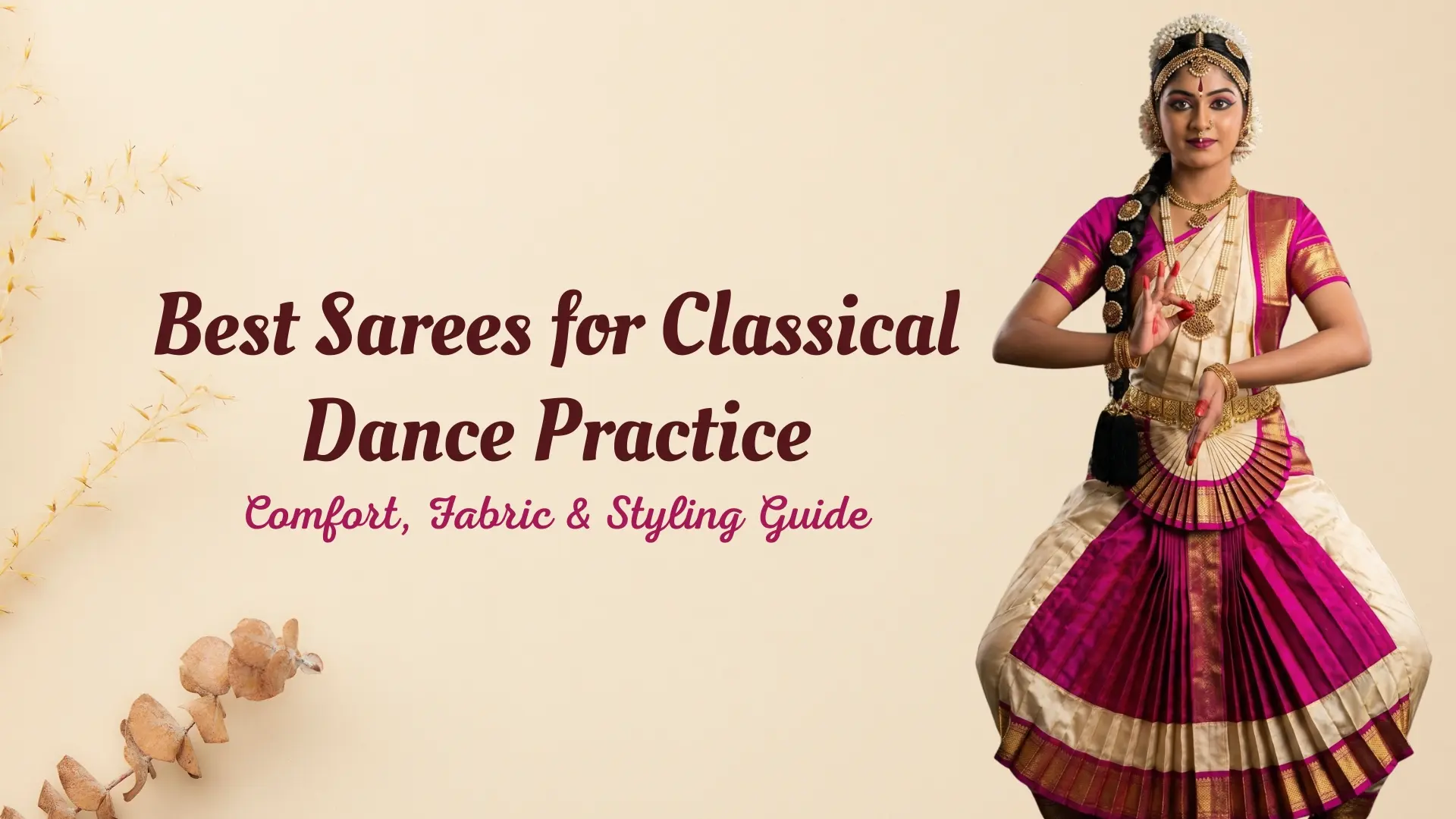
    Best Sarees for Classical Dance Practice: Comfort, Fabric & Styling Guide

    Classical dance is one of the most graceful expressions of Indian culture. Whether it is Bharatanatyam, Kathak, Odissi, or Kuchipudi, every dance form carries deep tradition, discipline, and artistry. Behind every beautiful stage performance are hours of dedicated rehearsal and practice. During these practice sessions, comfort and flexibility become extremely important for dancers. This is where choosing the right classical dance practice saree plays a vital role.

    Unlike heavy stage costumes filled with embroidery and embellishments, a classical dance practice saree focuses mainly on comfort, movement, and practicality. Dancers need clothing that allows them to bend, spin, stretch, and perform complex footwork without restriction. At the same time, practicing in a saree helps dancers maintain the traditional feel and posture required for classical dance performances.

    A thoughtfully selected classical dance practice saree allows dancers to focus completely on their technique and expressions instead of worrying about their clothing. In this guide, we’ll explore everything you need to know about choosing the best sarees for classical dance practice from fabrics and styling tips to comfort factors and practical considerations.

    Why the Right Saree Matters During Dance Practice

    Classical dance practice can be physically demanding. Dancers often spend hours repeating steps, learning hand gestures, improving balance, and refining expressions. Wearing the wrong clothing can make these practice sessions uncomfortable and distracting.

    A well-chosen classical dance practice saree ensures that dancers can move freely without feeling restricted. The saree should stay secure during spins, jumps, and quick foot movements. When the saree fits properly and feels comfortable, dancers can concentrate fully on their practice.

    Another important reason to practice in a classical dance practice saree is familiarity. Since traditional costumes are worn during performances, practicing in a saree helps dancers get used to managing pleats, draping, and movement while wearing traditional attire.

    Over time, practicing in a classical dance practice saree builds confidence and prepares dancers for stage performances.

    Key Qualities of a Good Classical Dance Practice Saree

    Not every saree is suitable for dance practice. A good classical dance practice saree should offer the right balance between tradition and functionality.

    Lightweight Fabric

    Heavy fabrics can make it difficult to move comfortably. A lightweight classical dance practice saree allows dancers to move quickly and naturally during rehearsals.

    Breathable Material

    Dance practice can be intense, especially during long training sessions. Breathable fabrics help regulate body temperature and keep dancers comfortable.

    Easy Draping

    A classical dance practice saree should be easy to drape and secure. The pleats should stay in place so dancers don’t have to keep adjusting the saree during practice.

    Durability

    Since practice sarees are worn frequently, they should be durable enough to withstand regular washing and repeated use.

    Flexibility

    Flexibility is important because classical dance involves complex movements, including bends, stretches, and spins. A good classical dance practice saree should support these movements without restricting them.

    Best Fabrics for Classical Dance Practice Sarees

    Choosing the right fabric can make a huge difference in comfort and performance during dance practice. Some fabrics naturally support movement better than others.

    Cotton Sarees: The Most Popular Choice

    Cotton is one of the most preferred fabrics for dancers. A cotton blend saree is breathable, lightweight, and comfortable for long hours of practice.

    Many dancers rely on a classical dance practice saree made from cotton because it absorbs sweat and keeps the body cool. Cotton fabrics also hold pleats well, making them ideal for traditional draping styles used in classical dance.

    Because of their practicality, cotton sarees are often categorized among daily wear sarees, making them perfect for regular practice sessions.

    Linen Sarees: Structure and Comfort

    Linen is another excellent fabric option for dance practice. When you buy linen saree styles designed with simplicity in mind, you’ll notice how comfortable they feel.

    A linen blend saree offers a crisp structure that helps maintain neat pleats. This is particularly helpful for dancers who want their classical dance practice saree to stay well arranged throughout the rehearsal.

    Linen sarees are also breathable and lightweight, making them suitable for long practice sessions.

    Khadi Sarees: Natural and Traditional

    Khadi fabrics are known for their handcrafted texture and breathable nature. Many dancers prefer to buy khadi saree online because khadi offers natural comfort and durability.

    A khadi classical dance practice saree feels airy and soft, which makes it suitable for both beginners and experienced dancers. The traditional look of khadi also connects dancers to the cultural roots of Indian textiles.

    Georgette Sarees: Light and Graceful

    Although cotton and linen are more common, some dancers enjoy practicing in georgette sarees because of their flowing drape. When you buy georgette sarees in simple designs, they can work well as a classical dance practice saree.

    Georgette allows graceful movement and creates beautiful lines during spins. However, it may require careful draping to ensure the pleats stay secure.

    Sarees Used for Stage Performances

    Practice sarees are usually simple, but performance costumes are often much more elaborate. During stage performances, dancers frequently wear silk-based sarees that enhance the visual impact of the performance.

    Fabrics such as viscose silk saree designs or traditional tussar silk saree online collections are commonly used for stage costumes. These sarees add richness and shine under stage lighting.

    However, these heavier fabrics are not always ideal for everyday practice, which is why dancers rely on a comfortable classical dance practice saree for regular rehearsals.

    Ideal Length and Draping Style

    The way a saree is draped plays an important role during dance practice. A properly draped classical dance practice saree allows full freedom of movement while maintaining traditional aesthetics.

    Some dancers prefer a slightly shorter drape to allow easier leg movement. The pleats should be arranged neatly so that they do not restrict steps or footwork.

    Practicing with a well-draped classical dance practice saree also prepares dancers for wearing full stage costumes during performances.

    Choosing the Right Colors for Practice

    Practice sarees are usually simple and understated. Bright colors and heavy designs are not necessary for rehearsal sessions.

    Common color choices for a classical dance practice saree include:

    • Maroon
    • Dark green
    • Mustard yellow
    • Navy blue
    • Off-white

    These colors look traditional while remaining practical for regular use.

    Many dancers also choose simple casual wear sarees for practice because they combine comfort with traditional elegance.

    Styling Tips for Classical Dance Practice Sarees

    Even though practice sarees are simple, thoughtful styling can make them more comfortable and functional.

    Comfortable Blouse

    A well-fitted blouse is essential for any classical dance practice saree. The blouse should allow free movement of the arms and shoulders.

    Proper Underskirt

    A strong underskirt helps keep the saree secure. It provides structure and ensures that the classical dance practice saree stays in place during fast movements.

    Secure Pleats

    Using safety pins to secure pleats can prevent the saree from shifting during practice.

    Minimal Accessories

    Practice sessions usually do not require jewelry or heavy accessories. Keeping the styling simple ensures that the classical dance practice saree remains comfortable and practical.

    How Practicing in a Saree Improves Dance Performance

    Many dance teachers encourage students to practice in sarees because it improves stage readiness.

    A classical dance practice saree helps dancers get used to managing traditional attire while performing. They learn how to handle pleats, move gracefully, and maintain posture while wearing a saree.

    This familiarity reduces nervousness during performances and ensures that dancers feel confident on stage.

    Buying Sarees Online for Dance Practice

    Today, many dancers prefer to buy sarees online india because it offers convenience and a wide variety of choices.

    Online platforms allow you to compare fabrics, colors, and prices before selecting the perfect classical dance practice saree. You can easily find simple cotton sarees, linen styles, or handcrafted options like Bengal cotton sarees online.

    For special occasions or cultural events, dancers may also explore elegant options like Banaras tissue sarees online or traditional pooja sarees online collections.

    Building a Practical Saree Collection for Practice

    If you practice classical dance regularly, it’s a good idea to have several sarees dedicated to rehearsal sessions.

    Your collection might include:

    • Cotton sarees for everyday practice
    • Linen sarees for structured draping
    • Khadi sarees for comfort

    Having multiple classical dance practice saree options allows you to rotate them during the week, keeping your practice wardrobe fresh and comfortable.

    Maintaining Your Practice Sarees

    Since practice sarees are used frequently, proper care is essential.

    Wash cotton and linen sarees gently to maintain their softness. Dry them properly and store them neatly to avoid wrinkles. Taking care of your classical dance practice saree ensures that it remains comfortable and durable for long-term use.

    The Cultural Connection of Practicing in Sarees

    Classical dance is deeply rooted in Indian tradition, and the saree is an important symbol of that heritage. Practicing in a classical dance practice saree helps dancers stay connected to the cultural spirit of their art.

    The saree also enhances body posture, which is important in classical dance forms where every movement and stance carries meaning.

    By regularly wearing a classical dance practice saree, dancers maintain a strong connection between tradition and technique.

    Final Thoughts

    Choosing the right practice attire is an important part of every dancer’s journey. A comfortable and well-chosen classical dance practice saree allows dancers to focus on their movements, expressions, and rhythm without distraction.

    From breathable cotton fabrics to structured linen options, there are many choices that support both comfort and tradition. The right classical dance practice saree not only improves practice sessions but also prepares dancers for confident stage performances.

    Whether you are a beginner learning your first steps or an experienced performer refining your technique, the right classical dance practice saree can make every rehearsal more comfortable, productive, and enjoyable.

    FAQs

    Which saree is best for Bharatanatyam?

    For Bharatanatyam, silk sarees are traditionally considered the best choice, especially Kanchipuram-style silk because of their rich texture and vibrant colors. These sarees highlight the pleats and movements beautifully during performances. However, during rehearsals, dancers usually prefer a classical dance practice saree made from cotton or cotton blends. These lighter fabrics allow easier movement and comfort during long practice sessions while still helping dancers get used to the traditional drape required for Bharatanatyam performances.

    What fabrics are best for a Bharatanatyam dress?

    The most common fabric for Bharatanatyam costumes is silk, particularly Kanchipuram silk, because it looks rich and holds pleats well on stage. Silk fabrics enhance the visual appeal of movements under stage lighting. For practice, dancers often choose a classical dance practice saree made from breathable fabrics like cotton, cotton blends, or linen. These fabrics are lightweight, comfortable, and durable, allowing dancers to rehearse for long hours without feeling restricted or overheated.

    Which saree is most comfortable?

    Cotton sarees are generally considered the most comfortable option because they are lightweight, breathable, and easy to wear for long hours. A cotton blend saree is also a popular choice since it combines softness with durability. Many dancers use a classical dance practice saree made from cotton because it absorbs sweat and allows free movement. Linen and khadi sarees are also comfortable options, especially in warm climates where breathable fabrics make a big difference.

    Which is the most beautiful style of Bharatanatyam?

    Beauty in Bharatanatyam lies in its combination of precise movements, expressive storytelling, and traditional costumes. The Pandanallur and Kalakshetra styles are often admired for their graceful lines and disciplined technique. These styles emphasize strong posture, elegant hand gestures, and rhythmic footwork. While performances are done in elaborate costumes, dancers usually practice in a classical dance practice saree, which helps them perfect their posture and movements while maintaining the traditional look during rehearsals.

  • Why Mango Yellow Silk Sarees with Green Borders Are a Timeless Traditional Choice?

    Why Mango Yellow Silk Sarees with Green Borders Are a Timeless Traditional Choice?

    Sarees are more than just clothing in India they are symbols of culture, heritage, and personal expression. Among the countless saree designs and color combinations, one ensemble has stood the test of time: the traditional mango yellow with green border silk saree. Its bright, cheerful color and harmonious design have captured the hearts of women across generations, making it a wardrobe essential for festivals, weddings, temple visits, and family celebrations.

    In this blog, we’ll dive deep into why the traditional mango yellow with green border silk saree continues to be a timeless favorite. From cultural significance and styling ideas to fabric types and online buying options, this guide will cover everything you need to know.

    The Cultural Significance of Mango Yellow

    Colors carry immense cultural weight in India, and mango yellow is especially significant. This shade resembles the vibrant color of ripe mangoes, which are symbols of abundance, prosperity, and joy. Wearing yellow is considered auspicious in many Indian traditions, often associated with festivals, temple rituals, and wedding ceremonies.

    A traditional mango yellow with green border silk saree embodies positivity and celebration. It is commonly worn during the haldi ceremony in weddings, poojas, and harvest festivals, reflecting joy, prosperity, and warmth. Many women prefer this color combination for pooja sarees online because it perfectly balances cultural symbolism with aesthetic beauty.

    The Green Border: A Symbol of Harmony and Growth

    While mango yellow represents brightness and vitality, the green border adds balance and elegance. Green is traditionally linked to growth, harmony, and renewal. It complements the yellow body, creating a pleasing contrast that is both vibrant and soothing to the eyes.

    The borders of these sarees are often enhanced with intricate zari work, temple motifs, or traditional weaving patterns. This subtle detailing elevates the saree, making it suitable for festive wear sarees and wedding celebrations alike. The combination of yellow and green is timeless, appealing to women of all ages and cultural backgrounds.

    Why This Saree Remains a Favorite for Festivals

    Festivals are a time to celebrate tradition, family, and spirituality, and clothing plays a crucial role in setting the mood. The traditional mango yellow with green border silk saree has been a go-to choice for decades because it combines auspiciousness with style.

    Women often wear this saree for Diwali, Navratri, Makar Sankranti, and temple ceremonies. Its vibrant yellow radiates happiness, while the green border adds richness and depth. Unlike fleeting fashion trends, this saree maintains its relevance, making it a reliable choice for festive occasions.

    A Timeless Choice Across Generations

    One of the reasons the traditional mango yellow with green border silk saree has endured is its cross-generational appeal. Grandmothers, mothers, and daughters alike appreciate its charm. Older women love its authenticity and cultural value, while younger women enjoy its vibrancy and elegance.

    This saree is versatile enough to be styled in traditional ways for family gatherings or with modern blouses for social events. Its ability to resonate with different age groups ensures that it remains a staple in Indian wardrobes, unlike many modern experimental fashion pieces.

    Styling the Mango Yellow Saree with Green Borders

    The traditional mango yellow with green border silk saree offers countless styling possibilities. Here are some ideas to make your look stand out:

    1. Jewelry Pairing: Gold jewelry, temple necklaces, jhumkas, and bangles complement this saree beautifully.
    2. Blouse Options: Match the green border for a classic look, or opt for maroon or deep red to create contrast.
    3. Hair Accessories: Adorn your hair with jasmine flowers or traditional hairpins for a festive feel.
    4. Occasion Dressing: Perfect for pooja sarees online, wedding ceremonies, or casual family gatherings.

    Its versatility is unmatched, allowing women to dress it up or down depending on the event.

    A Saree for Both Grand and Simple Occasions

    Although silk sarees are often associated with grandeur, the traditional mango yellow with green border silk saree works equally well for smaller, intimate gatherings. Its elegant color combination ensures that you look festive without being over-the-top.

    Many women prefer pairing this saree with minimal jewelry for casual temple visits or daytime family functions. On more formal occasions, heavier gold ornaments or intricate hair accessories elevate the look for weddings or celebrations.

    The Role of Silk in Indian Tradition

    Silk has long been associated with luxury, elegance, and cultural heritage in India. Wearing silk conveys sophistication and reverence, especially during festivals and weddings.

    The traditional mango yellow with green border silk saree is often made from premium silk, which gives it a smooth texture and a natural sheen. The brightness of mango yellow is enhanced by the lustrous fabric, while the green border gains depth and richness.

    Other silk varieties, like tussar silk saree online or viscose silk saree, also offer luxury, but the mango yellow and green combination holds a special place in traditional wardrobes.

    Comparing with Other Fabrics

    Not all occasions require heavy silk sarees. Women often choose fabric based on comfort, season, and style preference:

    While these fabrics are practical and stylish, the traditional mango yellow with green border silk saree remains unmatched for its ceremonial and heritage appeal.

    Perfect for Online Shopping

    With digital platforms making shopping easier, women increasingly prefer to buy sarees online India. You can explore a wide range of colors, fabrics, and designs from home.

    The traditional mango yellow with green border silk saree is among the most searched sarees online because of its cultural value and aesthetic appeal. Reputed online stores often pair it with similar options such as casual wear sarees, bengal cotton sarees online, or banaras tissue sarees online, allowing buyers to select based on fabric preference and occasion.

    How to Choose the Right Blouse

    The blouse can make or break the saree look. The green border in the traditional mango yellow with green border silk saree allows for creative blouse choices:

    • Matching green for a coordinated, classic appearance.
    • Deep maroon or rust for striking contrast.
    • Silk or embroidered blouses for weddings and festive events.
    • Simple cotton blend or linen blouses for casual or daytime wear.

    Experimenting with blouse textures and designs can give a traditional saree a contemporary twist.

    Accessorizing Your Saree

    Accessories elevate the beauty of a saree. For the traditional mango yellow with green border silk saree, consider:

    • Gold jewelry or antique temple pieces for festive looks.
    • Bangles in green, yellow, or contrasting shades.
    • Hair decorations like flowers or decorative pins.
    • Clutches or small handbags in complementary tones.

    With the right accessories, this saree can transition seamlessly from daytime celebrations to evening ceremonies.

    Occasions Where This Saree Shines

    The traditional mango yellow with green border silk saree is ideal for:

    • Weddings and pre-wedding rituals like Haldi ceremonies.
    • Religious ceremonies and temple visits.
    • Festivals like Diwali, Pongal, or Ugadi.
    • Family gatherings and milestone celebrations.

    Its color and fabric make it festive yet versatile, suitable for both grand and intimate events.

    Pairing with Footwear

    Footwear can subtly influence the overall look of your saree. Consider:

    • Traditional kolhapuri chappals or gold sandals for festive events.
    • Comfortable flats or wedges for temple visits.
    • Heels or embellished footwear for wedding functions.

    Footwear choice enhances comfort and complements the elegance of the traditional mango yellow with green border silk saree.

    A Wardrobe Staple Across Seasons

    The mango yellow shade is bright enough to look cheerful in summer and rich enough for autumn or winter events. Paired with a green border, it is seasonally versatile and adaptable for year-round wear.

    Many women invest in one traditional mango yellow with green border silk saree as a core wardrobe staple that can be styled differently for multiple occasions, ensuring maximum utility and timeless appeal.

    Maintaining the Saree

    Silk requires careful maintenance to preserve its sheen and vibrancy. Tips include:

    • Dry clean only, especially for sarees with zari borders.
    • Store in a cool, dry place and fold carefully to avoid creases.
    • Avoid direct exposure to sunlight for long periods.
    • Occasionally air the saree to prevent moisture damage.

    Proper care ensures that your traditional mango yellow with green border silk saree remains vibrant for decades, even as it is passed down generations.

    Buying Tips Online

    If you plan to buy sarees online India, here are some practical tips:

    • Check fabric details to ensure you’re getting authentic silk.
    • Read reviews of sellers and fabric quality.
    • Compare color and border patterns online versus images in person.
    • Look for verified return and exchange policies.

    Many online stores provide similar options, from daily wear sarees to festive wear sarees, letting you find the perfect saree for your occasion.

    Why Women Still Choose This Saree

    The traditional mango yellow with green border silk saree continues to be a top choice because it balances heritage, elegance, and cultural meaning. Its appeal lies not just in the colors or fabric but in the memories, festivals, and rituals it represents.

    Women feel confident, graceful, and connected to tradition when wearing it. Unlike fleeting fashion trends, this saree remains timeless, cross-generational, and appropriate for any traditional occasion.

    Final Thoughts

    The traditional mango yellow with green border silk saree is more than just attire it is an embodiment of culture, elegance, and tradition. From festivals and weddings to poojas and family celebrations, it has proven its timeless relevance.

    Whether you are exploring buy tissue silk saree collections, looking for tussar silk saree online, or browsing banaras tissue sarees online, the mango yellow and green combination continues to stand out for its aesthetic brilliance and cultural significance. Investing in this saree is not just about fashion it’s about owning a piece of timeless Indian heritage.

    No matter how trends evolve, the traditional mango yellow with green border silk saree will always remain a beloved, elegant, and culturally rich choice for women of all generations.

    FAQs

    Why is the mango yellow with green border silk saree so popular?

    The traditional mango yellow with green border silk saree is popular because it combines vibrant color with cultural symbolism. Mango yellow represents prosperity, happiness, and auspiciousness, while the green border adds balance and elegance. Its timeless appeal makes it suitable for festivals, weddings, and religious ceremonies. Women of all generations appreciate its versatility, and the luxurious silk fabric adds sophistication. This saree bridges tradition and style, making it a favorite choice for festive wear and pooja occasions alike.

    Can I wear this saree for casual occasions?

    Yes! While the traditional mango yellow with green border silk saree is often associated with festivals and weddings, it can also be styled for casual occasions. Pair it with minimal jewelry and a lightweight blouse for temple visits, family gatherings, or daytime celebrations. The green border adds subtle elegance, allowing it to look festive without being extravagant. Many women also prefer lightweight silk blends or linen blend saree options for comfortable casual styling while retaining a traditional look.

    How should I accessorize this saree?

    Accessorizing a traditional mango yellow with green border silk saree depends on the occasion. For festive or wedding events, pair it with gold or temple jewelry, matching bangles, and a clutch in complementary tones. Adding jasmine flowers or traditional hairpins enhances elegance. For casual or pooja events, minimal jewelry and simple sandals are ideal. Accessories should highlight the saree’s vibrant mango yellow body and green border while maintaining a balance between elegance and simplicity.

    Where can I buy this saree online?

    You can buy sarees online India from reputable e-commerce platforms and designer stores offering traditional collections. Many stores provide options like tussar silk saree online, viscose silk saree, or banaras tissue sarees online. While browsing, check fabric quality, border detailing, and seller reviews. Whether you are looking for pooja sarees online or festive wear sarees, shopping online gives access to a wide variety of authentic, high-quality silk sarees, including the classic mango yellow with green border silk saree, delivered directly to your home.

  • Kotki Print Sarees Explained: Origin, Designs & How to Style Them Elegantly

    Kotki Print Sarees Explained: Origin, Designs & How to Style Them Elegantly

    Sarees are the heart of Indian fashion, blending heritage, artistry, and personal style. Among the vast array of saree types, the kotki print saree has carved a niche for itself. Known for its delicate patterns and charming motifs, this saree style represents a beautiful combination of tradition and versatility.

    Whether you’re looking for everyday elegance or festive vibrancy, understanding the history, design elements, and styling options of a kotki print saree can help you appreciate its timeless appeal and make the perfect choice when updating your wardrobe.

    What is a Kotki Print Saree?

    The kotki print saree is characterized by its small, repetitive motifs, usually printed on lightweight fabrics like cotton, silk, or blends. The patterns are often floral, geometric, or inspired by nature, offering a subtle yet visually appealing design.

    Unlike heavy embroidery or intricate weaving, kotki prints rely on simplicity and understated elegance. This makes the kotki print saree suitable for both casual wear and semi-formal occasions. Women appreciate it for its light, breathable texture and ease of draping, making it ideal for daily wear or festive gatherings.

    The subtlety of kotki prints means they can be paired with a wide variety of blouses, accessories, and footwear. Whether you choose to wear it with traditional gold jewelry or modern minimalistic pieces, a kotki print saree complements almost every style preference.

    The Origin of Kotki Prints

    Kotki printing has roots in traditional Indian textile crafts, particularly in regions known for block printing. Artisans used hand-carved wooden blocks to stamp motifs on fabrics for centuries, creating intricate, repetitive designs with incredible attention to detail.

    Historically, these sarees were popular in North and West India, where breathable fabrics were essential for the hot climate. The wooden block printing technique ensured that each kotki print saree was unique, with slight variations in the print adding to its charm.

    Over time, machine printing has made kotki prints more widely available, while modern designers continue to preserve the traditional hand-block style in premium collections. This dual availability allows women to enjoy both artisanal heritage and contemporary convenience.

    Popular Fabrics for Kotki Print Sarees

    One of the reasons the kotki print saree remains popular is the variety of fabrics it can be made from. Each fabric brings its own texture, drape, and feel:

    • Cotton and Cotton Blend Saree: Ideal for daily wear, casual outings, or office wear. Light and breathable, cotton makes the saree comfortable for hot weather. Perfect for those looking for casual wear sarees or daily wear sarees.
    • Linen Blend Saree / Buy Linen Saree: Offers an elegant drape with a crisp texture. Ideal for semi-formal gatherings or professional settings, this fabric ensures comfort without compromising on style.
    • Viscose Silk Saree: Adds a luxurious feel for festive or ceremonial occasions. These fabrics enhance the print while maintaining comfort and elegance.
    • Georgette Sarees: Flowing and lightweight, georgette kotki prints are ideal for evening parties or casual events. Their softness and fluidity make draping effortless.

    Each fabric choice affects the overall look of the saree, allowing women to adapt it for casual, office, or festive settings.

    Designs and Motifs

    The charm of a kotki print saree lies in its patterns. Common motifs include:

    • Floral Prints: Delicate flowers arranged in uniform patterns, giving a timeless feminine appeal.
    • Geometric Shapes: Simple squares, dots, or lines that create a modern yet traditional look.
    • Nature-Inspired Motifs: Leaves, vines, birds, or abstract patterns inspired by local flora and fauna.

    Borders and pallu designs often feature complementary prints or subtle contrasts. While the saree body carries repetitive motifs, the pallu may be slightly bolder, making the saree suitable for festive wear sarees and casual occasions alike.

    Some designers also experiment with color-blocked borders, metallic thread detailing, or hybrid prints that blend traditional kotki patterns with contemporary aesthetics.

    Styling a Kotki Print Saree Elegantly

    A kotki print saree offers endless styling possibilities:

    • Casual Day Look: Pair a cotton kotki print saree with minimal jewelry and comfortable sandals for a relaxed daytime outfit.
    • Office or Semi-Formal: Linen or cotton blend fabrics styled with a contrasting blouse and subtle accessories make the saree professional yet elegant.
    • Festive Look: Choose silk variants like buy tissue silk saree or viscose silk saree, add gold jewelry, and drape the saree traditionally for festivals or pooja ceremonies.
    • Modern Twist: Layering with a belt, pairing with statement footwear, or draping differently can modernize the look without compromising tradition.

    The beauty of a kotki print saree is its adaptability you can dress it up or down depending on your occasion.

    Pairing with Blouses

    Blouses play a key role in defining the look of a kotki print saree. Here are some options:

    • Contrasting Blouse: Adds a modern twist and makes the prints pop.
    • Matching Blouse: Keeps the look cohesive and traditional.
    • Silk or Georgette Blouse: Ideal for festive events when paired with silk variants or banaras tissue sarees online.
    • Cotton or Linen Blouse: Perfect for casual outings or office wear.

    Experimenting with blouse textures, sleeve designs, and necklines can transform a simple kotki print saree into a statement outfit.

    Occasions to Wear a Kotki Print Saree

    The kotki print saree is extremely versatile:

    • Daily Wear: Lightweight cotton variants make it ideal for everyday elegance.
    • Festivals: Silk or tussar prints elevate the saree for celebrations.
    • Pooja or Religious Ceremonies: Traditional motifs make it perfect for pooja sarees online.
    • Work or Meetings: Linen blends or cotton blends offer professional sophistication without compromising style.

    Its subtle patterns ensure it can be worn for both casual and ceremonial occasions.

    Accessories and Footwear

    Accessories can enhance a kotki print saree without overpowering it:

    • Minimalist jewelry for casual or office wear.
    • Traditional gold or temple jewelry for festive occasions.
    • Clutches or handbags in complementary tones.
    • Footwear like kolhapuri sandals, heels, or flats depending on the event.

    The understated elegance of a kotki print saree allows for versatile accessorizing, making it suitable for multiple occasions.

    Modern Twists on Kotki Prints

    Contemporary designers have started experimenting with kotki print sarees, blending traditional motifs with modern fabrics and cuts. Silk-cotton blends, linen variations, and georgette adaptations make these sarees lighter, more drapable, and easier to style.

    Some modern interpretations combine kotki prints with subtle embellishments, metallic threads, or designer borders, making them appealing to both traditionalists and fashion-forward buyers. This evolution ensures the kotki print saree continues to resonate with younger audiences without losing its traditional essence.

    Buying Kotki Print Sarees Online

    With e-commerce, shopping for the perfect kotki print saree has never been easier. Many women now prefer to buy sarees online India because it offers convenience, variety, and easy delivery.

    Online stores provide curated collections, including cotton blend saree, bengal cotton sarees online, buy khadi saree online, and tussar silk saree online. You can compare fabrics, colors, prints, and pricing, and choose a saree that suits both your style and occasion whether for daily wear sarees, casual wear sarees, or festive wear sarees.

    Caring for Your Kotki Print Saree

    Proper care ensures the saree lasts for years:

    • Cotton and Linen: Wash gently with mild detergent; air dry in shade.
    • Silk Variants: Prefer dry cleaning to maintain sheen and color vibrancy.
    • Storage: Fold carefully to avoid creases; store in cotton bags or saree covers.
    • Ironing: Use low heat for silk; medium heat for cotton and linen blends.

    Following these tips ensures your kotki print saree remains vibrant and elegant over time.

    Why Kotki Prints Are Timeless

    The kotki print saree has maintained its charm for generations because of its simplicity, versatility, and connection to Indian tradition. Unlike heavy embroidery or heavily adorned sarees, kotki prints are subtle, breathable, and easy to drape.

    Their adaptability allows women to wear them in urban settings, offices, or rural festivals, making them a practical yet stylish wardrobe choice. The kotki print saree is a perfect example of how traditional Indian craftsmanship can remain relevant in modern fashion.

    Final Thoughts

    The kotki print saree is a perfect blend of tradition, elegance, and versatility. Its delicate prints, range of fabrics, and adaptability make it suitable for every occasion from casual daily wear to festive ceremonies.

    Whether you prefer cotton blend saree for comfort, tussar silk saree online for festive occasions, or viscose silk saree for elegance, the kotki print offers a timeless appeal. When you buy sarees online India, exploring kotki prints ensures you have a versatile wardrobe staple that honors heritage while keeping style contemporary.

    In a world of fast fashion, the kotki print saree reminds us that simplicity, artistry, and tradition never go out of style.

    FAQs

    What is the history of Kotki saree?

    The kotki print saree has its roots in traditional Indian block printing, especially from regions known for hand-stamped textiles. Artisans carved wooden blocks to create delicate, repetitive motifs on lightweight fabrics like cotton and silk. Initially popular in North and West India, these sarees were valued for their breathability, comfort, and understated elegance. Over time, kotki prints evolved into machine-printed versions, making them widely available while retaining the charm of handcrafted patterns and cultural heritage.

    How to look elegant and classy in a saree?

    Looking elegant in a saree involves choosing the right fabric, color, and draping style. Fabrics like silk, georgette, or cotton blends enhance grace, while well-coordinated blouses and accessories elevate the look. Minimal, tasteful jewelry, neat hairstyles, and subtle makeup create a polished appearance. Attention to posture, confident draping, and matching footwear also add sophistication. A kotki print saree or any traditional saree can look both classy and modern when styled thoughtfully with complementary accessories and colors.

    What is the difference between Katki and Sambalpuri?

    A kotki print saree (sometimes spelled Katki) is known for small, repetitive printed motifs on fabrics like cotton or silk, created traditionally via block printing. In contrast, Sambalpuri sarees originate from Odisha and are handwoven with ikat technique, featuring intricate geometric or floral patterns directly dyed into threads before weaving. While kotki prints are light and subtle, Sambalpuri sarees are more textured, with vivid, handwoven designs. Both carry traditional heritage but differ in weaving method, fabric texture, and pattern complexity.

    What are the 4 types of silk?

    The four commonly recognized types of silk used in Indian sarees are:

    • Mulberry Silk: Smooth, lustrous, and the most widely used in sarees like Kanjeevaram.
    • Tussar Silk: Coarser texture, natural gold sheen, often used in tussar silk saree online.
    • Muga Silk: Exclusive to Assam, golden-colored, highly durable, often used in traditional wear.
    • Eri Silk: Soft and warm, usually handwoven, ideal for cotton-silk blends. Each type varies in texture, sheen, and weaving suitability.
  • How to Wear Saree Step by Step?

    How to Wear Saree Step by Step?

    Learning how to wear saree step by step is almost like learning a life skill. At first, it feels overwhelming six yards of fabric, pleats that won’t sit straight, a pallu that keeps slipping, and a mirror that doesn’t always feel encouraging. But once you understand the logic behind each step, saree draping stops feeling confusing and starts feeling natural.

    This guide is written for real people and real situations. No rushed instructions. No fashion pressure. Just a calm, clear, and practical explanation of how to wear saree step by step, exactly the way you would want someone to explain it to you at home.

    Whether you are wearing a saree for the first time, returning to sarees after years, or simply want to perfect your drape, this blog will walk with you through every single stage.

    Why Learning How to Wear Saree Step by Step Is So Important

    A saree is one of the most versatile and graceful outfits in the world. It can be worn to weddings, offices, festivals, daily routines, and formal events. But the beauty of a saree truly shows only when it’s worn correctly.

    That’s why understanding how to wear saree step by step matters. When you know the steps clearly:

    • You feel more confident
    • You move more comfortably
    • You don’t constantly adjust your pleats
    • You enjoy wearing the saree instead of worrying about it

    Once you master the basics, every saree simple or heavy becomes easier to handle.

    Before You Start Draping: Preparation Matters

    Before jumping straight into how to wear saree step by step, take a moment to prepare. Good preparation makes the entire draping process smoother.

    What You Need

    • A well-fitted blouse
    • A petticoat tied firmly at the waist
    • 3–4 safety pins
    • Comfortable footwear (wear this first)

    Wearing your footwear before draping is one of the most important yet ignored steps in how to wear saree step by step. Saree length depends on your height with footwear on, so skipping this can ruin the final look.

    Step 1: Start with the First Tuck (The Foundation)

    The very first step in how to wear saree step by step sets the base for everything else.

    Take the plain end of the saree (not the decorative pallu) and start tucking it into the petticoat from the right side of your waist. The saree should just touch the floor—not drag and not float above your feet.

    Now slowly go around your waist once, tucking the saree evenly into the petticoat. Make sure:

    • The fabric is not twisted
    • The tuck is smooth
    • The saree stays at the same height throughout

    This clean base is what keeps the saree stable all day.

    Step 2: Decide the Pallu Length Early

    Many people skip this step and regret it later.

    While learning how to wear saree step by step, always decide your pallu length before making pleats.

    • Knee-length pallu looks traditional and elegant
    • Slightly shorter pallu feels modern and manageable

    Once decided, leave that portion loose on your left side. This small pause saves a lot of fixing later.

    Step 3: Making the Pleats (The Most Feared Step)

    This is the step most beginners worry about, but once you understand it, it becomes easy.

    Take the remaining fabric and begin making pleats, each about 5–6 inches wide. Usually, 5 to 7 pleats work well for most body types.

    Important Pleat Tips

    • Keep all pleats facing the same direction
    • Hold them firmly between your fingers
    • Take your time don’t rush

    Pleat-making is the heart of how to wear saree step by step. Once done, place the pleats slightly to the left of your navel and tuck them firmly into the petticoat.

    Use a safety pin to secure them if needed.

    Step 4: Wrapping the Saree Around the Waist Again

    After tucking the pleats, wrap the remaining saree around your waist one more time.

    This step:

    • Balances the drape
    • Smoothens the silhouette
    • Adds stability

    Keep the wrap close to your body but not tight. Many people struggle with how to wear saree step by step because they pull the fabric too tightly at this stage.

    Step 5: Draping the Pallu Properly

    Now bring the pallu from the back to the front over your left shoulder.

    You have two main choices here:

    Open Pallu

    • Soft and flowy
    • Great for casual or festive looks

    Pleated Pallu

    • Neat and structured
    • Ideal for office or formal wear

    For pleated pallu, make neat pleats, pin them at the shoulder, and let them fall gracefully.

    This step completes the visual elegance in how to wear saree step by step.

    Step 6: Pin Smartly for Comfort and Safety

    Safety pins are your best friends use them wisely.

    • One pin at the waist pleats
    • One pin at the shoulder pallu

    Avoid over-pinning. The goal of how to wear saree step by step is comfort, not stiffness.

    Step 7: Final Check and Movement Test

    Stand in front of the mirror and do a quick check:

    • Walk a few steps
    • Sit down once
    • Raise your arms gently

    Make sure nothing feels tight or unstable. This final step turns learning how to wear saree step by step into confidence.

    Beginner-Friendly Saree Fabrics That Are Easy to Drape

    Not all sarees behave the same way, and this becomes very clear when you’re learning to drape one properly. Some fabrics are naturally more forgiving, especially for beginners. Lightweight and flowy sarees are much easier to manage because they fall smoothly and don’t feel bulky. Soft textures also help pleats stay in place without much effort. That’s why many first-time wearers prefer to buy georgette sarees they are light, manageable, and ideal for practice. For everyday comfort, a cotton blend saree also works well once you understand the basic draping steps.

    Structured and Festive Fabrics That Need a Little More Care

    If you prefer a crisp and polished look, structured fabrics are a great choice. A linen blend saree offers elegance and clean lines, making pleats look sharp and well-defined. Women who regularly buy linen saree styles often enjoy this neat and refined appearance. For festive occasions, those who buy tissue silk saree designs should focus on firm pleats and secure pinning, as these fabrics are slightly heavier. Traditional saree lovers who buy khadi saree online will find that slow, careful draping works best. Today, many women buy sarees online India, practice draping at home, and gradually perfect how to wear saree step by step without pressure.

    Petticoat and Blouse: The Unsung Heroes

    A well-fitted petticoat is essential. If it’s loose, the saree will slip no matter how well you follow how to wear saree step by step.

    Similarly:

    • A fitted blouse improves posture
    • The right blouse length supports pleats
    • Comfort increases confidence

    Never ignore these basics.

    Common Mistakes Beginners Should Avoid

    While learning how to wear saree step by step, watch out for these mistakes:

    • Skipping footwear before draping
    • Making very wide or uneven pleats
    • Not pinning pleats at the waist
    • Wearing a loose petticoat
    • Pulling the saree too tight

    Avoiding these makes draping much easier.

    How Long Does It Take to Learn?

    At first, how to wear saree step by step may take 25–30 minutes. After a few tries, it drops to 10 minutes. With regular practice, many women can drape a saree in under 5 minutes.

    It’s not about speed it’s about comfort and confidence.

    Styling After Draping: Small Finishing Touches

    Once you’ve mastered how to wear saree step by step, styling becomes fun.

    • Adjust pleats neatly
    • Choose comfortable footwear
    • Keep accessories balanced

    Good draping is the base styling enhances it.

    Saree Draping for Different Occasions

    Daily Wear

    Simple draping, minimal pins, breathable fabrics.

    Office Wear

    Pleated pallu, neat pleats, structured sarees.

    Festive or Wedding Wear

    Heavier sarees with secure pinning and clean pleats.

    Once you know how to wear saree step by step, adapting it to any occasion becomes easy.

    Confidence Is the Final Step (And the Most Important One)

    No guide on how to wear saree step by step is complete without this truth: perfection is not required. Confidence matters more than flawless pleats.

    Stand tall. Walk naturally. Enjoy wearing your saree.

    When you’re comfortable, the saree automatically looks beautiful.

    Final Thoughts

    Learning how to wear saree step by step is a skill that stays with you forever. Once you understand the basics, every saree becomes less intimidating and more enjoyable.

    Take your time. Practice at home. Don’t rush the process.

    Soon, wearing a saree won’t feel like a task it will feel like second nature. And with every successful drape, your confidence will grow, step by step, just like your skill.

    FAQs

    How to wear saree step by step if you are a complete beginner?

    If you are a beginner, learning how to wear saree step by step should start with preparation. Wear your blouse, petticoat, and footwear first. Tuck the saree evenly around the waist, decide the pallu length, and then make neat, narrow pleats. Secure the pleats slightly left of the navel and drape the pallu over the shoulder. Use safety pins for support and always do a final mirror and movement check.

    How much time does it take to learn how to wear saree step by step properly?

    In the beginning, how to wear saree step by step may take around 20–30 minutes as you learn each part carefully. With practice, the time reduces to 10 minutes or less. After regular practice, many people can drape a saree comfortably within 5 minutes. The key is not speed but understanding the steps clearly and feeling confident in your drape.

    Which saree fabric is easiest when learning how to wear saree step by step?

    When learning how to wear saree step by step, lightweight and flowy fabrics are the easiest to manage. Georgette, chiffon, and soft cotton blends hold pleats well and don’t feel bulky. These fabrics are forgiving if pleats are not perfect. Heavier fabrics like silk or stiff cotton require more careful pinning, so beginners should start with softer textures for a stress-free experience.

    What are the most common mistakes to avoid while learning how to wear saree step by step?

    Common mistakes while learning how to wear saree step by step include skipping footwear before draping, making very wide pleats, not securing pleats with pins, and wearing a loose petticoat. Pulling the saree too tight can also make movement uncomfortable. Avoiding these small errors helps the saree sit better, stay in place longer, and look more polished overall.

  • How to Wear Saree for Wedding Party?

    How to Wear Saree for Wedding Party?

    Weddings are more than just events they are emotions wrapped in colors, music, traditions, and memories. And when it comes to dressing up for these celebrations, the saree continues to be one of the most loved and timeless outfits. Yet, many people still ask the same question: how to wear saree for wedding party? Should it look traditional or modern? Heavy or minimal? Easy to manage or grand and dramatic?

    The answer lies in understanding your comfort, the occasion, and the small styling choices that make a big difference. This detailed guide will help you understand how to wear saree for wedding party in a way that feels natural, elegant, and completely you.

    Why Sarees Are Perfect for Wedding Celebrations

    Before diving into techniques and styling, it’s important to understand why sarees remain a favorite choice for weddings. A saree adapts to every function from haldi and mehendi to receptions and cocktail nights. It can look festive without feeling overwhelming, traditional without looking outdated.

    When people search for how to wear saree for wedding party, they often imagine complicated draping styles or heavy outfits. In reality, the beauty of a saree lies in its versatility. You can keep it minimal with soft fabrics or go grand with rich textures depending on the event.

    Understanding the Occasion Before Choosing Your Saree

    Every wedding function has its own mood. A daytime ceremony calls for comfort and breathable fabrics, while evening receptions allow more dramatic styling.

    If you’re attending a daytime event, lightweight options are easier to manage. Some people prefer a cotton blend saree because it feels airy yet elegant. For evening celebrations, flowy fabrics with subtle shine add glamour without feeling heavy.

    Before deciding how to wear saree for wedding party, think about the venue, weather, and how long you’ll be wearing the outfit. A saree should enhance your experience, not make you feel restricted.

    Selecting the Right Fabric for Wedding Sarees

    Fabric plays a huge role in how your saree falls and how confident you feel while wearing it. When learning how to wear saree for wedding party, choosing the right material is the first step toward a flawless look.

    Georgette is one of the most popular choices because it drapes beautifully and feels light. Many wedding guests prefer to buy georgette sarees for their graceful flow and beginner-friendly structure.

    If you want something earthy and timeless, khadi sarees are a unique choice. Some people like to buy khadi saree online to create a sophisticated yet understated wedding look. Linen styles also work beautifully for modern celebrations, and those who prefer subtle elegance often choose to buy linen saree designs.

    Exploring trusted platforms where you can buy sarees online india gives you more variety and helps you find styles that match your personality.

    How to Wear Saree for Wedding Party? Step-by-Step Draping Guide

    For beginners, the draping process might feel overwhelming, but once you understand the basics, it becomes simple and even enjoyable.

    1. Start with a well-fitted blouse and petticoat that matches your saree.
    2. Tuck the inner end of the saree into the petticoat at your waist.
    3. Wrap the saree around your waist once, ensuring the length touches the floor.
    4. Create neat pleats at the front and tuck them carefully.
    5. Bring the pallu over your shoulder and adjust the fall according to your style.

    When people ask how to wear saree for wedding party, they often assume it requires expert skills. But with practice and proper pinning, anyone can achieve a graceful drape.

    Traditional vs Modern Draping Styles

    One of the most exciting parts of learning how to wear saree for wedding party is experimenting with different draping styles. The traditional Nivi style remains classic, but modern variations add a fresh twist.

    You can try a belted saree for a structured look or an open pallu drape for receptions. A linen blend saree works particularly well for contemporary styles because it holds its shape while still looking soft and elegant.

    The goal is to choose a drape that reflects your personality rather than blindly following trends.

    Choosing the Perfect Color Palette

    Color selection plays a powerful role in creating a memorable wedding look. Bright shades like red, magenta, or royal blue feel festive and bold, while pastels create a soft, dreamy vibe.

    If you’re attending a night function and want a subtle shimmer, many stylists recommend choosing a buy tissue silk saree option because it adds glow without being overpowering.

    When thinking about how to wear saree for wedding party, remember that the right color can enhance your overall appearance and make you feel more confident.

    Styling the Blouse: The Game-Changer

    A saree’s impact often depends on the blouse design. While understanding how to wear saree for wedding party, give equal importance to blouse styling.

    Popular options include:

    • Full-sleeve embroidered blouses for a regal look
    • Sleeveless or halter designs for modern receptions
    • Velvet blouses for winter weddings

    The blouse should complement the saree without stealing all the attention. If your saree is heavily embellished, keep the blouse minimal. If your saree is simple, experiment with bold cuts or textures.

    Jewelry and Accessories That Elevate Your Look

    Accessories have the power to transform your saree from simple to stunning. When deciding how to wear saree for wedding party, think of accessories as finishing touches rather than the main attraction.

    Layered necklaces, chandbalis, waist belts, and bangles are popular choices. But balance is important. Heavy jewelry with a heavy saree can look overwhelming, while minimal jewelry with a light saree creates effortless elegance.

    Hairstyles That Complement Wedding Sarees

    Your hairstyle should work in harmony with your saree drape. A neat bun decorated with flowers adds a traditional touch, while soft curls create a romantic vibe.

    Many people overlook how hairstyle impacts their overall look when learning how to wear saree for wedding party. A structured hairstyle helps keep the pallu in place and enhances the overall silhouette.

    Makeup Tips for a Wedding Saree Look

    Makeup should enhance your natural features without overshadowing your outfit. For daytime functions, soft dewy makeup works beautifully. Evening receptions allow bold eyes or deep lip shades.

    Understanding how to wear saree for wedding party also means choosing makeup that complements your saree color and fabric.

    Comfort Tips That Make a Big Difference

    Comfort is often ignored in the rush to look glamorous. But a well-worn saree should allow you to walk, sit, and dance with ease.

    Use lightweight pins instead of heavy clips, avoid extremely tight pleats, and choose breathable fabrics if you’ll be wearing the saree for long hours. This practical approach makes mastering how to wear saree for wedding party much easier.

    Common Mistakes to Avoid

    Even experienced saree lovers make small styling errors. Here are a few things to watch out for:

    • Incorrect pallu length
    • Uneven pleats
    • Over-accessorizing
    • Ignoring footwear before draping

    Practicing your drape a day before the event can save you from last-minute stress.

    Footwear That Works Best With Sarees

    Footwear affects both comfort and posture. Heels add height and elegance, but block heels or embroidered flats can also look beautiful.

    Always wear your footwear before adjusting the saree length a small yet essential detail when learning how to wear saree for wedding party?

    How to Create a Unique Wedding Saree Look

    Looking unique doesn’t always mean wearing something dramatic. Sometimes, small styling choices make the biggest impact.

    Try pairing a traditional saree with a modern blouse or adding a subtle waist belt. Understanding how to wear saree for wedding party is less about copying trends and more about expressing your individuality.

    Confidence: The Real Secret Behind a Perfect Saree Look

    No matter how beautifully you drape your saree, confidence is what truly completes the look. Walk comfortably, keep your shoulders relaxed, and let the pallu flow naturally.

    Many people focus too much on perfection while learning how to wear saree for wedding party, but the most graceful looks come from feeling relaxed and happy in what you wear.

    Final Thoughts

    At its heart, understanding how to wear saree for wedding party is about finding balance between tradition and modernity, elegance and comfort, simplicity and celebration. The right fabric, thoughtful styling, and a confident attitude can turn even a simple saree into a show-stopping wedding outfit.

    Whether you prefer soft pastels or bold festive colors, minimal drapes or dramatic silhouettes, remember that a saree tells a story your story. Choose styles that reflect who you are, enjoy the process of dressing up, and let your saree become a part of the memories you create at every wedding celebration.

    FAQs

    How to wear saree for a wedding party without looking overdressed?

    To strike the right balance, focus on how to wear saree in different style rather than adding too many elements at once. Choose one highlight either a rich fabric, a statement blouse, or bold jewellery. Keep the drape clean and well-structured, and avoid layering heavy accessories together. If the saree is elaborate, keep makeup and jewellery subtle. Looking elegant at a wedding party is about balance, comfort, and confidence not wearing everything at once.

    Which saree draping style is best for a wedding reception?

    For receptions, modern and flowy drapes work best. Open pallu, belted saree, or a neatly pleated pallu style are popular choices. These styles photograph beautifully and allow easy movement. Understanding how to wear saree in different style helps you adapt your drape to the event’s vibe. Receptions usually allow more experimentation, so pairing the saree with a stylish blouse or belt can instantly elevate your overall look.

    Can lightweight sarees be worn for wedding parties?

    Yes, absolutely. Lightweight sarees like georgette, soft silk blends, and tissue silk can look stunning at wedding parties when styled correctly. The key lies in how to wear saree in different style using structured draping, statement blouses, and elegant accessories. Lightweight sarees are especially comfortable for long wedding functions and dancing. With the right styling, they can look just as festive and glamorous as heavier sarees.

    How can I make a simple saree look festive for a wedding party?

    You don’t need a heavily embroidered saree to look festive. Focus on how to wear saree in different style by upgrading the blouse, adding a belt or brooch, and choosing elegant jewellery. A modern hairstyle and well-done makeup also make a big difference. Even a simple saree can look wedding-ready when draped neatly and styled thoughtfully. Small details often create the biggest impact at wedding parties.

  • How to Wear Saree in Different Style?

    How to Wear Saree in Different Style?

    A saree is not just a garment it’s a mood, a memory, and a mirror of personal style. One of the most beautiful things about it is that the same saree can look completely different every time you wear it. That’s why so many women keep searching for one timeless question: how to wear saree in different style without buying new outfits again and again.

    If you’ve ever stood in front of your wardrobe thinking, “I have sarees, but I don’t know how to style them differently,” you’re not alone. Learning how to wear saree in different style is not about complicated fashion rules. It’s about small changes draping, blouse choices, accessories, and confidence.

    This blog is written to feel like a real conversation, not a fashion lecture. It will help you understand how to wear saree in different style for daily wear, office, festivals, weddings, and even modern events while keeping comfort and grace intact.

    Why Learning Different Saree Styles Is Worth It

    Many people assume that wearing a saree means wearing it the same way every time. But once you understand how to wear saree in different style, you realize how versatile it truly is.

    One saree can be:

    • Simple and calm during the day
    • Sharp and powerful at work
    • Elegant and festive at night
    • Trendy and modern at a party

    You don’t need dozens of sarees. You just need to know how to wear saree in different style with intention.

    The Classic Nivi Style – and How to Reinvent It

    The Nivi style is the most common saree drape, but that doesn’t mean it has to look basic.

    Refreshing the Nivi Look

    • Keep pleats narrow and neatly pressed
    • Shift pleats slightly to the side instead of the center
    • Experiment with how the pallu falls open, pinned, or belted

    This alone shows how to wear saree in different style while staying within your comfort zone.

    This drape looks especially graceful with flowy fabrics. Many women who buy georgette sarees prefer the Nivi style because the fabric naturally enhances movement.

    Open Pallu Style: Soft, Feminine, and Effortless

    The open pallu style is one of the easiest answers to how to wear saree in different style.

    Why This Style Works

    • Creates vertical lines
    • Adds movement and softness
    • Looks relaxed yet elegant

    You simply drape the saree normally and let the pallu fall freely without pleating it tightly. This style works beautifully for daytime events, casual outings, and even family gatherings.

    Fabrics with natural texture work well here. A linen blend saree or soft cotton blends add understated elegance without looking heavy.

    Pleated Pallu Style: Clean and Professional

    If you want a sharp and structured look, pleating the pallu is a great choice.

    Where This Style Shines

    • Office wear
    • Formal meetings
    • Professional events

    Pleated pallu styling is a smart example of how to wear saree in different style while maintaining discipline and elegance.

    This style pairs well with subtle fabrics like a cotton blend saree, especially if you’re wearing it for long hours.

    Belted Saree Style: Modern and Confident

    Adding a belt is one of the simplest ways to transform a saree.

    Why Belts Change the Look

    • Define the waist
    • Secure the pallu
    • Instantly modernize the outfit

    Whether it’s a fabric belt or a metal one, this is a popular answer to how to wear saree in different style for parties, office events, or even weddings.

    Structured sarees look especially good with belts. Women who prefer crisp textures and usually buy linen saree designs often love this look.

    Saree with Jacket or Blazer: Fusion Done Right

    Layering is not just for western wear it works beautifully with sarees too.

    Styling Options

    • Short ethnic jackets for festive looks
    • Long jackets for dramatic styling
    • Blazers for office or formal events

    This fusion approach is a bold yet practical way of exploring how to wear saree in different style without losing elegance.

    Gujarati Style: Festive and Eye-Catching

    The Gujarati drape brings the pallu from the back to the front, spreading it across the chest.

    Why It Stands Out

    • Highlights the pallu design
    • Feels celebratory
    • Adds cultural richness

    If you love traditional textures and handloom fabrics, especially those you might buy khadi saree online, this drape beautifully showcases craftsmanship.

    Bengali Style: Graceful and Timeless

    The Bengali saree style is simple but powerful.

    Key Features

    • No waist pleats
    • Wide pallu draped around the body
    • Finished with traditional accessories

    This style shows how to wear saree in different style while staying rooted in tradition and elegance.

    Maharashtrian Style: Comfort Meets Strength

    The Maharashtrian or Nauvari saree drape uses a longer saree and is worn like a dhoti.

    Why Women Love It

    • Extremely comfortable
    • Allows free movement
    • Perfect for long ceremonies

    It’s a strong reminder that how to wear saree in different style is also about function, not just fashion.

    Pant-Style Saree Draping: Modern and Experimental

    Pant-style saree draping has become popular in recent years.

    Why It Works

    • Secure and easy to move in
    • Ideal for stage events or parties
    • Looks contemporary

    This style works best with lightweight fabrics. Women who like subtle shine and fluid drapes often try this with sarees similar to those they buy tissue silk saree designs in.

    Saree Styling Based on Occasion

    Daily Wear

    For daily use, comfort is key. Simple drapes, fewer pleats, and breathable fabrics work best. Many women explore everyday styling options when they buy sarees online India for regular wear.

    Office Wear

    Structured drapes like pleated pallu, belted sarees, or blazer styling look professional and polished.

    Festive Wear

    Gujarati, Bengali, or open pallu styles help showcase rich fabrics and traditional motifs.

    Understanding how to wear saree in different style means dressing according to the moment not forcing one look everywhere.

    Blouse Styling: The Silent Style Changer

    Sometimes, changing just the blouse is enough.

    • High-neck blouses for formal looks
    • Sleeveless blouses for modern styling
    • Full-sleeve blouses for elegance

    A single saree can look completely new with a blouse change one of the easiest tricks in how to wear saree in different style.

    Accessories That Match Different Saree Styles

    Accessories should support the drape, not overpower it.

    • Long earrings for open pallu styles
    • Belts for modern drapes
    • Minimal jewelry for office looks

    Balance is essential when learning how to wear saree in different style.

    Common Mistakes to Avoid

    • Overcomplicating the drape
    • Ignoring comfort
    • Mixing too many styles together
    • Wearing unsuitable footwear

    The best looks often come from simplicity and confidence.

    Confidence: The Most Important Style Element

    No matter how beautifully you drape your saree, confidence completes the look. When you’re comfortable, your posture improves, your movements flow naturally, and the saree looks effortless.

    That’s the real secret behind how to wear saree in different style feeling good in what you wear.

    Final Thoughts

    A saree doesn’t need to be worn the same way every time. With thoughtful draping, blouse changes, and subtle styling, one saree can tell many different stories.

    If you’re exploring how to wear saree in different style, remember this: experiment slowly, trust your comfort, and let your personality guide you. Traditional or modern, bold or minimal every style becomes beautiful when worn with ease.

    Frequently Asked Questions

    How to wear saree in different style without buying new sarees?

    Learning how to wear saree in different style doesn’t require buying new sarees. You can restyle the same saree by changing the drape, blouse, or accessories. Try open pallu, pleated pallu, belted styles, or jacket layering. Even small changes like switching footwear or hairstyle can create a fresh look. The key is to experiment slowly and focus on comfort while adapting styles to different occasions.

    Which saree draping style is best for beginners?

    For beginners exploring how to wear saree in different style, the classic Nivi drape is the easiest place to start. Once comfortable, you can try open pallu or pleated pallu variations. These styles are manageable, flattering, and don’t require advanced draping skills. Starting simple helps build confidence before experimenting with regional or fusion saree styles.

    Can sarees be styled in a modern way for parties?

    Yes, absolutely. How to wear saree in different style for parties often includes modern elements like belts, jackets, blazers, or pant-style draping. Pairing a saree with a contemporary blouse and minimal jewelry also creates a modern look. The key is to keep the drape clean while adding one or two stylish elements, rather than overdoing everything at once.

    How do I choose the right saree style for different occasions?

    Understanding how to wear saree in different style means matching the drape to the occasion. For daily wear, choose simple drapes and breathable fabrics. For office wear, go for pleated pallu or belted styles. Festive occasions allow for Gujarati, Bengali, or dramatic open pallu drapes. Always prioritize comfort and movement, as confidence plays the biggest role in how the saree looks.