
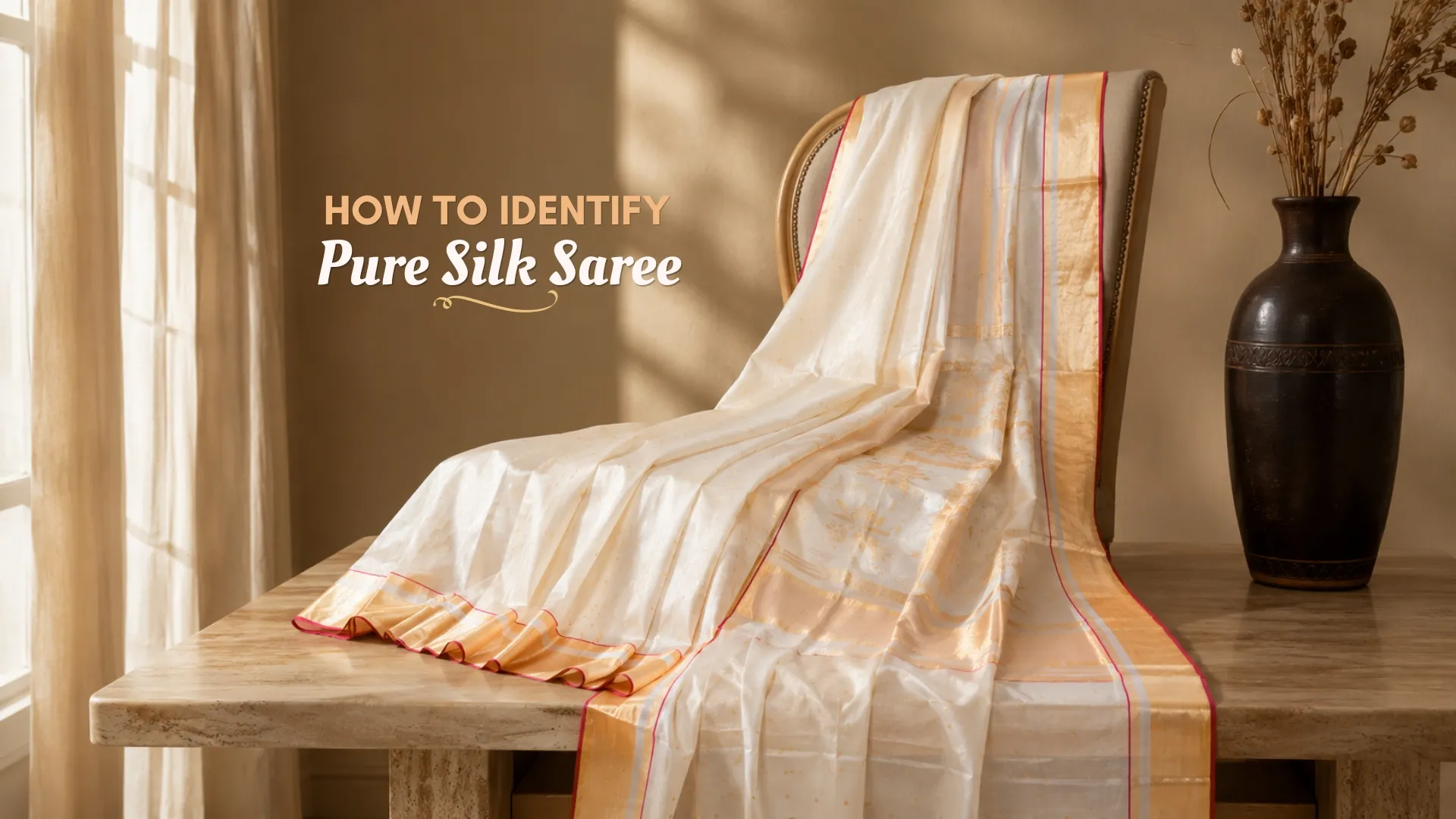
Learning how to identify pure silk saree is an essential skill for any textile enthusiast or shopper looking to invest in authentic Indian heritage. Silk sarees are more than just garments; they are investments in tradition and craftsmanship that often carry significant price tags. Unfortunately, the modern market is saturated with synthetic imitations like polyester or rayon that mimic the look of natural fibers, which is why mastering how to identify pure silk saree is your best defense against being overcharged for a fake.
Why Every Shopper Must Master How to Identify Pure Silk Saree
When you understand how to identify pure silk saree, you protect yourself from the financial loss associated with buying artificial blends at premium prices. Authentic silk is favored for its breathability, durability, and the way its natural luster improves with age, whereas fake versions often lose their shine or bleed color after just one wash. For those looking to buy sarees online in India, being equipped with the knowledge of how to identify pure silk saree ensures that your purchase remains a cherished heirloom for decades.
The Fundamental Differences: A Core Lesson in How to Identify Pure Silk Saree
To truly grasp how to identify pure silk saree, one must first understand that real silk is a natural protein fiber produced by silkworms. Whether it is Mulberry, Kanchipuram, or a stunning cotton silk saree, the quality of the base fiber determines the garment’s longevity and comfort. Artificial silks, often made from nylon or viscose, lack the strength and thermal properties of the real thing, making the process of how to identify pure silk saree a matter of both luxury and practicality.
Defining Real Silk in Your Quest of How to Identify Pure Silk Saree
Real silk varieties, such as Mulberry and Tussar, are known for their soft, warm feel and dual-tone shine that shifts under the light. If you are looking to buy tussar silk saree online, you must apply the principles of how to identify pure silk saree to ensure the fibers are naturally sourced. These natural fibers are highly breathable and possess a unique “crunching” sound when rubbed, which is a key auditory clue in how to identify pure silk saree.
Identifying Synthetic Imitations and How to Identify Pure Silk Saree
Fake silk sarees are often slippery, stiff, and reflect light in a way that looks plastic-like or overly uniform. Many shoppers who search for mul cotton sarees may accidentally encounter low-quality polyester blends if they haven’t learned how to identify pure silk saree. These synthetic fabrics do not allow the skin to breathe and deteriorate rapidly compared to the timeless nature of genuine silk, emphasizing the importance of knowing how to identify pure silk saree.
10 Practical Tests for How to Identify Pure Silk Saree
The most reliable way to gain confidence is to practice specific physical tests that reveal the fabric’s true nature as part of your routine for how to identify pure silk saree. From tactile sensations to scientific burn tests, these methods provide a comprehensive framework for how to identify pure silk saree before you commit to a purchase.
1. The Touch and Feel Test for How to Identify Pure Silk Saree
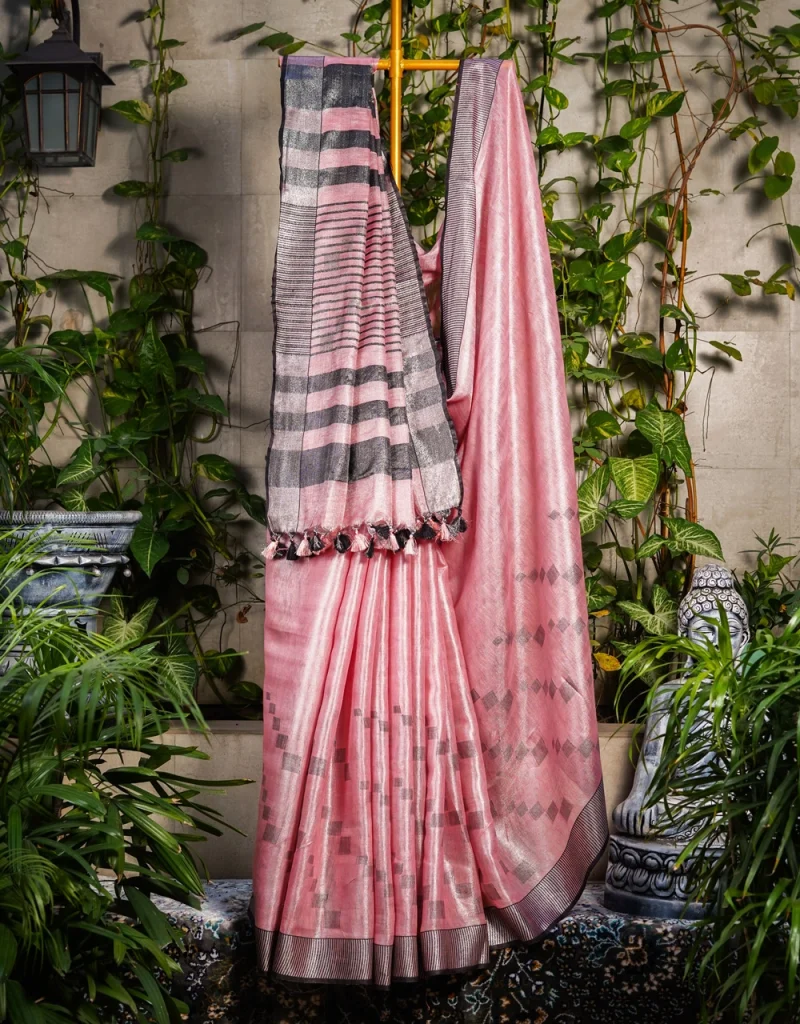
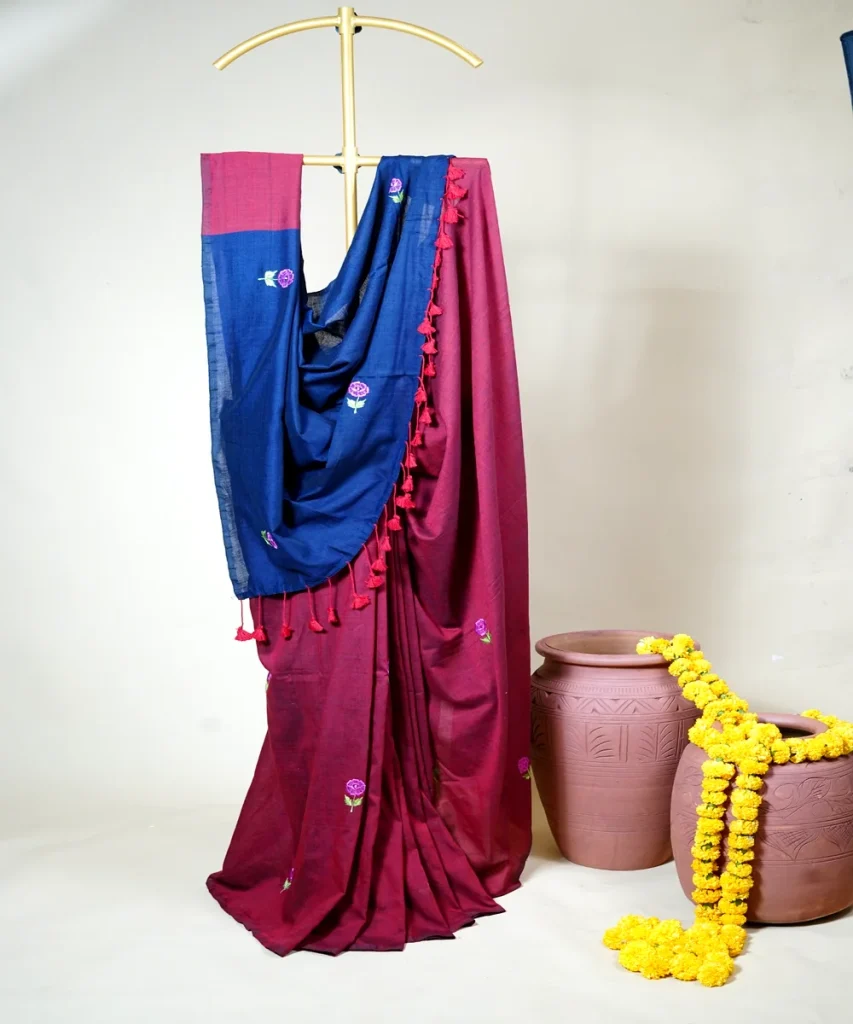
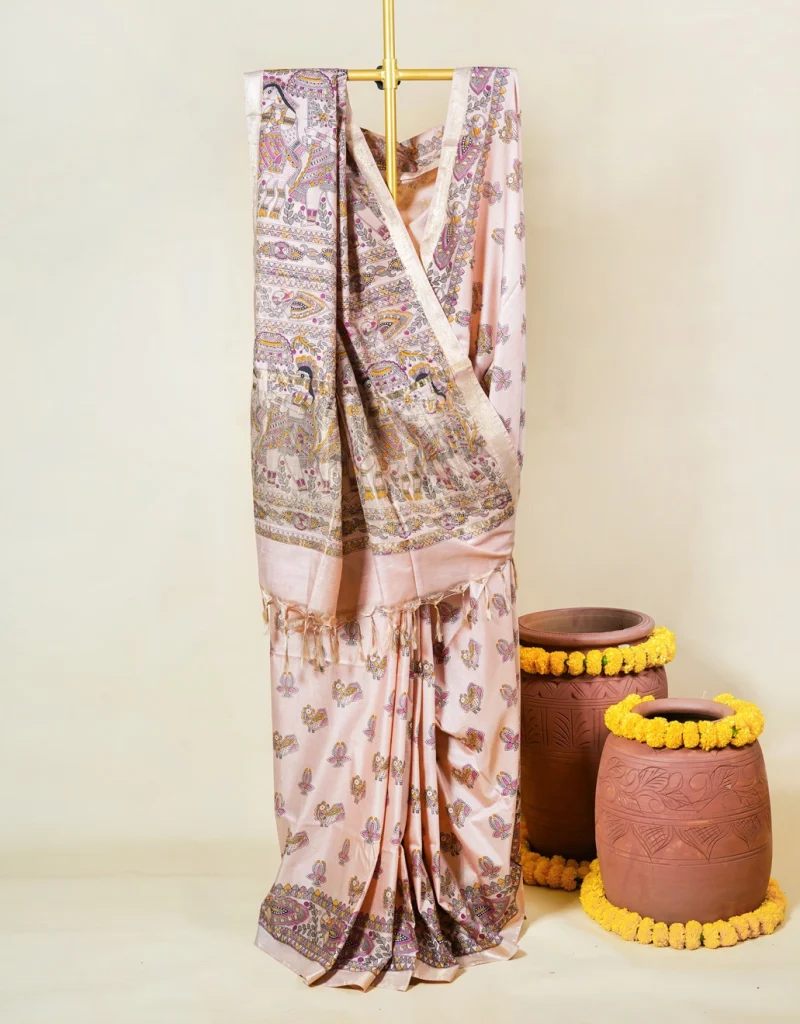
The first step in how to identify pure silk saree is simply using your hands; real silk will feel warm and smooth when rubbed between your fingers. In contrast, artificial silk feels cold and unnaturally slippery to the touch. If you are admiring a vibrant pink saree, remember that the thermal reaction of the fabric is a primary indicator in how to identify pure silk saree.
2. The Natural Shine Test in How to Identify Pure Silk Saree
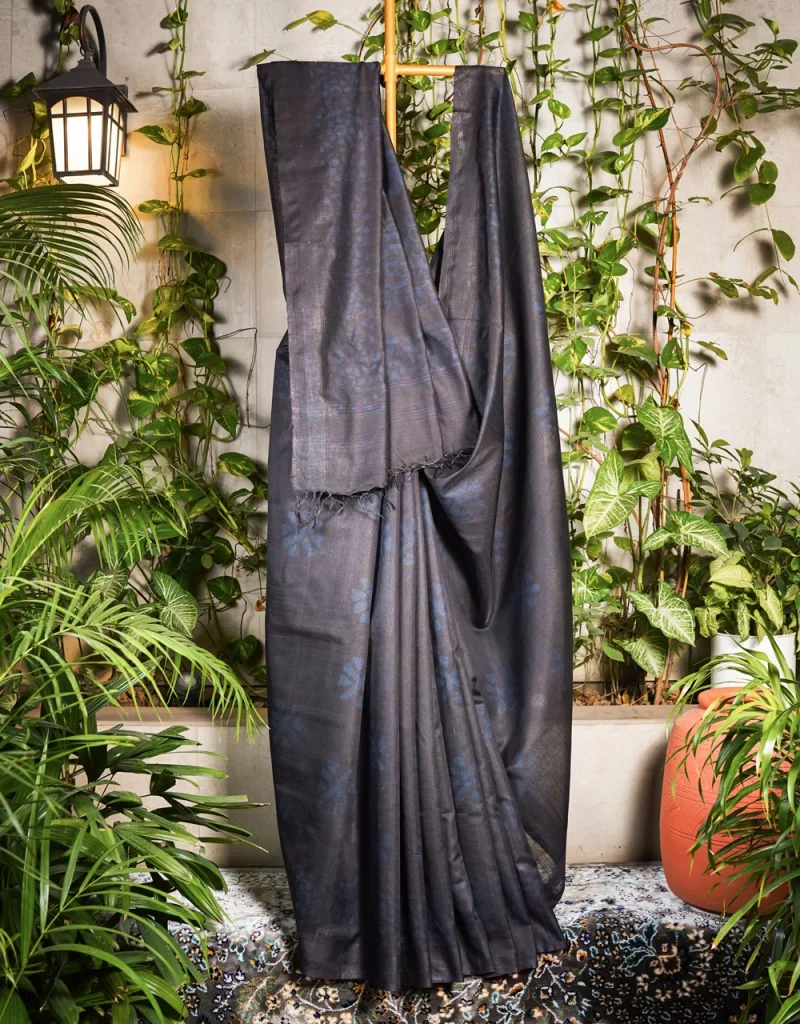
Observe the fabric’s luster closely to master how to identify pure silk saree, as real silk exhibits a subtle, multi-dimensional glow. Fake silk often has a flat, one-dimensional shine that mimics plastic, which is a red flag when learning how to identify pure silk saree. Whether it is a bright festive color or a classic black saree, the way the light dances off the threads is a vital clue in how to identify pure silk saree.
3. The Famous Ring Test and How to Identify Pure Silk Saree
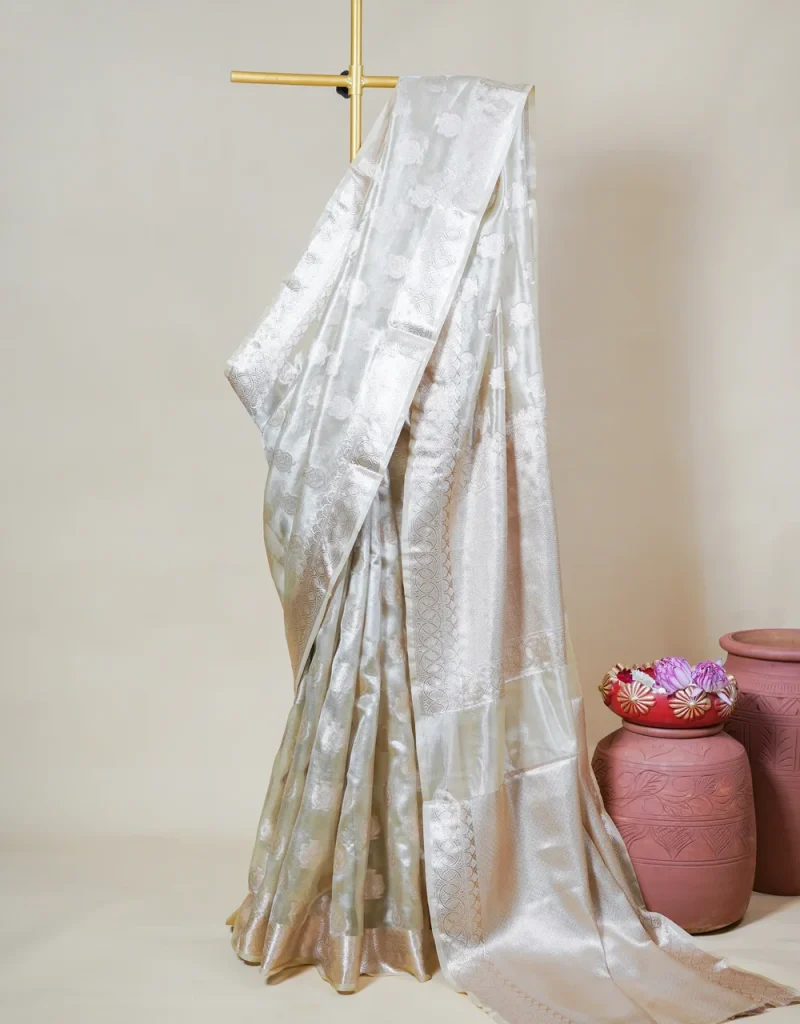
A classic method in how to identify pure silk saree involves pulling a portion of the fabric through a finger ring. Real silk is so fine and flexible that it should glide through effortlessly, whereas synthetic versions tend to bunch up or resist the movement, aiding in how to identify pure silk saree. This test is particularly useful if you intend to buy tissue silk saree models, which are known for their delicate nature.
4. The Wrinkle Resistance Test for How to Identify Pure Silk Saree
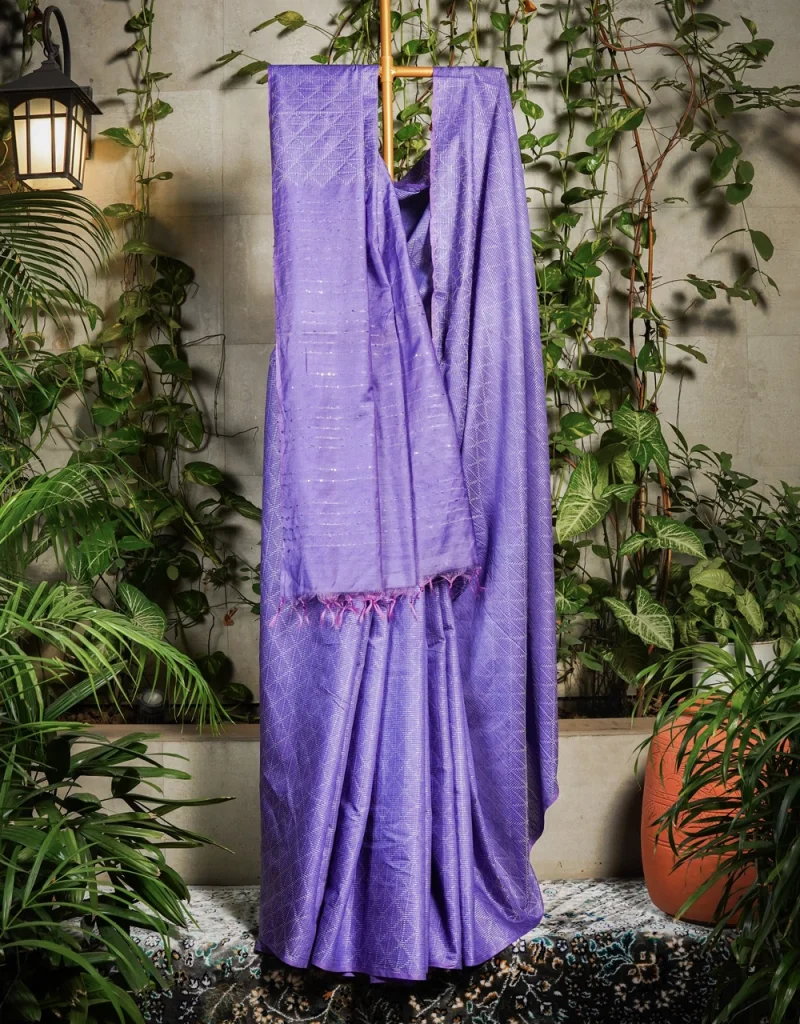
Gently crushing the fabric in your hand is another effective way to practice how to identify pure silk saree. Genuine silk will wrinkle slightly but recover its shape, while fake silk may stay stiff or appear overly smooth without any natural “give,” which helps in how to identify pure silk saree. This distinction is even noticeable in a high-quality cotton-saree blend that contains real silk fibers.
5. The Burn Test: Scientific Proof for How to Identify Pure Silk Saree
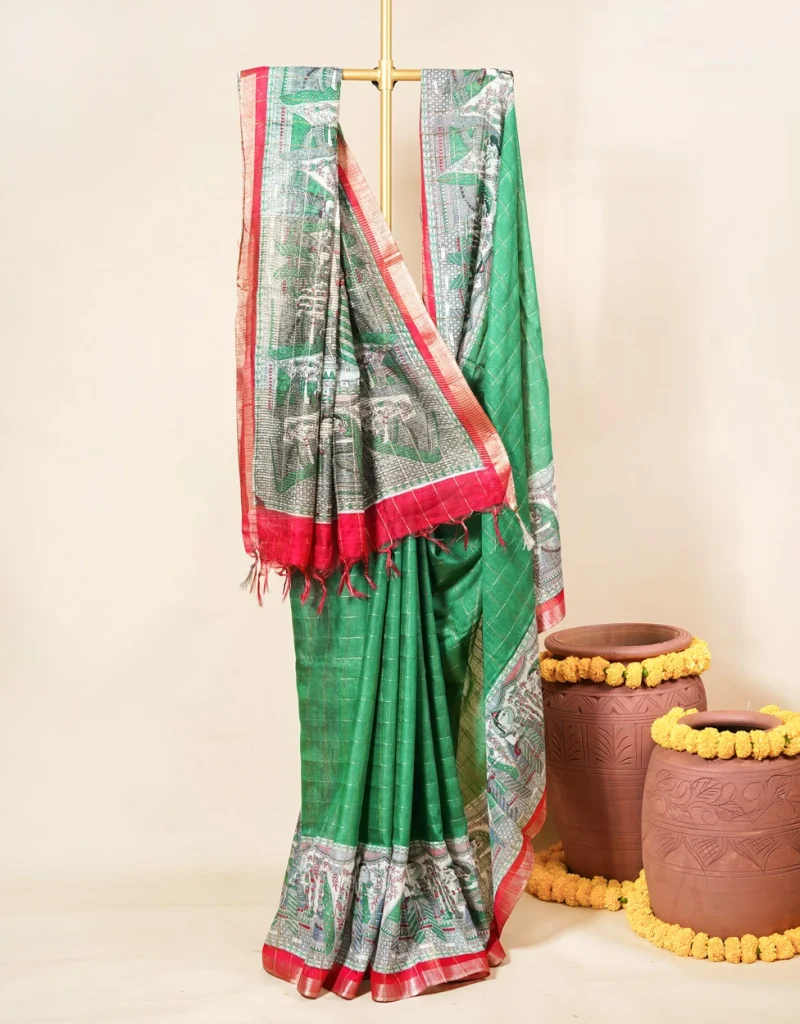
For the most definitive results in how to identify pure silk saree, a burn test on a few loose threads is recommended. Real silk will smell like burnt hair and leave a powdery ash, while fake silk smells like burning plastic and forms a hard, melted bead. You can learn more about textile standards from the Silk Mark Organization of India, which provides further certification on how to identify pure silk saree.
6. Water Absorption and How to Identify Pure Silk Saree
Understanding how the fabric interacts with moisture is a subtle technique in how to identify pure silk saree. Pure silk absorbs water slowly, while many synthetic fabrics will repel it initially, providing another data point in your quest of how to identify pure silk saree.
7. The Sound of Authenticity in How to Identify Pure Silk Saree
Did you know that sound plays a role in how to identify pure silk saree? When you rub real silk near your ear, it produces a faint, characteristic “crunching” sound often compared to walking on fresh snow, a phenomenon used in how to identify pure silk saree. Fake silk is typically silent when rubbed, making this a quick auditory check for how to identify pure silk saree.
8. Price Reality Check as a Guide for How to Identify Pure Silk Saree
A major component of how to identify pure silk saree is having realistic price expectations. If a merchant claims to be selling banarasi sarees at an impossibly low price, it is likely a synthetic imitation, as the cost of production is a key factor in how to identify pure silk saree.
9. Weight and Density in How to Identify Pure Silk Saree
Real silk sarees typically feel slightly heavier and more substantial due to the natural density of the silkworm fibers. This weightiness is a tactile hallmark to remember when studying how to identify pure silk saree.
10. Seller Transparency and How to Identify Pure Silk Saree
Finally, how to identify pure silk saree involves evaluating the seller’s honesty regarding the fabric’s origin and weaving methods. Trusted boutiques will openly discuss silk types and care instructions, which is a hallmark of transparency for those learning how to identify pure silk saree.
Zari Quality: A Hidden Indicator for How to Identify Pure Silk Saree
The quality of the metallic embroidery, or zari, is a significant secondary indicator in how to identify pure silk saree. Genuine high-end sarees often use silver or gold-coated silk threads for their zari, whereas fakes rely on plastic-based metallic yarns, making zari inspection a pro tip for how to identify pure silk saree. For a deeper dive into the chemistry of textiles, you can visit Textile Learner to see how different fibers are constructed as part of your research on how to identify pure silk saree.
Debunking Common Myths About How to Identify Pure Silk Saree
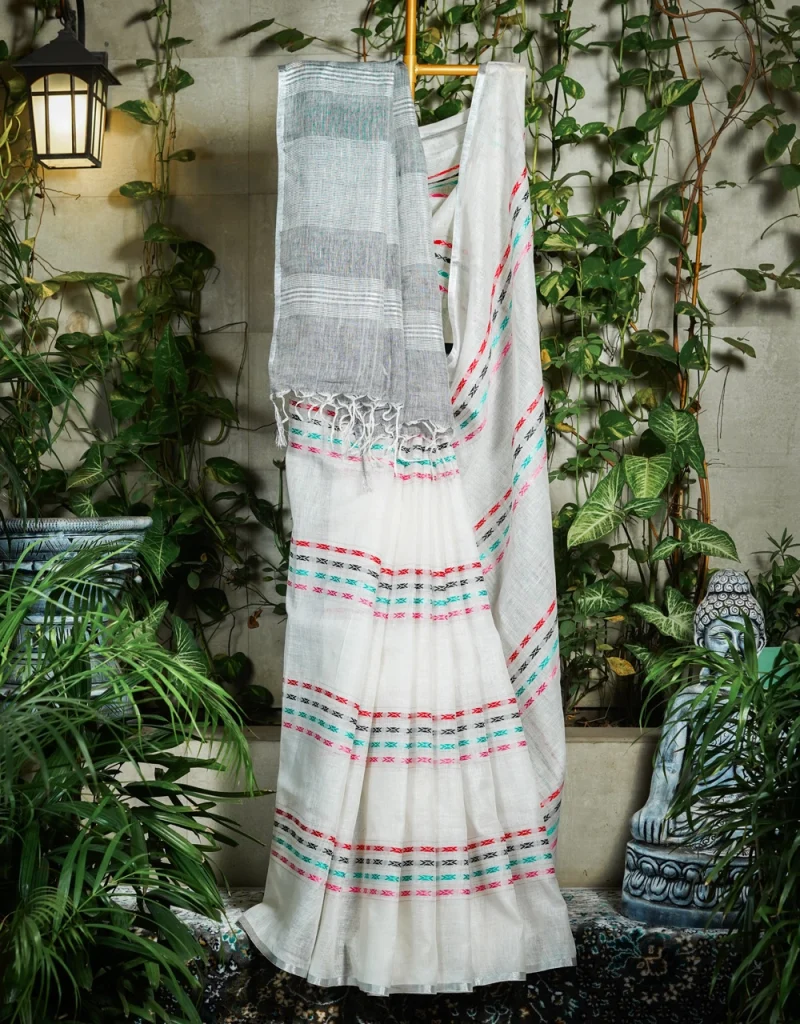
Many people wrongly believe that only expensive sarees are real, but price alone is not a foolproof way of how to identify pure silk saree. Another myth is that all shiny fabrics are silk; however, understanding how to identify pure silk saree reveals that many synthetics are actually shinier than the natural fiber. Even if you decide to buy linen saree styles for daily wear, knowing the differences in sheen is vital for how to identify pure silk saree when you switch to festive shopping.
Where to Securely Shop After Learning How to Identify Pure Silk Saree
Once you have mastered how to identify pure silk saree, you can shop with confidence at reputable stores like Rangvarsha Sarees. Whether you visit a physical store to feel the fabric or choose to buy silk saree online, applying your knowledge of how to identify pure silk saree ensures a satisfying purchase. For tips on maintaining your investment, check out The Spruce’s guide to silk care to complement your skills in how to identify pure silk saree.
Final Thoughts on How to Identify Pure Silk Saree
In conclusion, learning how to identify pure silk saree is the best way to respect the craftsmanship of weavers and protect your own investment. By using the touch, burn, and shine tests, you can navigate the market effectively and always know how to identify pure silk saree. Ultimately, how to identify pure silk saree is about choosing elegance that lasts for generations.
Shop Authentic Pure Silk Sarees
FAQs
How do I know if my silk is real?
Real silk has a soft, smooth texture with a natural sheen that changes slightly when viewed from different angles. It feels warm to the touch and drapes gracefully without appearing stiff. Unlike synthetic fabrics, genuine silk has tiny irregularities in the weave because it is made from natural fibers. You can also check the label for details like “100% pure silk” or trusted certification marks. Purchasing from reputable brands further ensures authenticity and quality.
Is pure silk saree heavy or light?
Pure silk sarees can be either heavy or light, depending on the type of silk and weaving style. Kanchipuram and Banarasi silk sarees are generally heavier because of their dense weave and rich zari work, making them ideal for weddings. Mysore, Chanderi, and Tussar silk sarees are lighter and more comfortable for long hours of wear. The weight also depends on the amount of zari, embroidery, and the overall craftsmanship used in the saree.
How to test silk at home?
You can identify silk at home by observing its texture, shine, and feel. Genuine silk is smooth, soft, and has a natural luster that changes under different lighting. When gently rubbed, real silk may produce a slight warmth due to friction. You can also examine the weave closely, as authentic silk often has minor natural variations. While some people use burn tests, these can damage the fabric, so it’s safer to rely on visual inspection or professional testing.
How do I know if my saree is pure silk?
A pure silk saree feels soft, luxurious, and drapes beautifully while displaying a rich, natural shine. Check the product label for “100% pure silk” or a recognized silk certification if available. Authentic silk usually has slight weaving irregularities, unlike perfectly uniform synthetic fabrics. High-quality silk also remains breathable and comfortable in different weather conditions. Buying from trusted sellers and examining the fabric’s texture, finish, and craftsmanship are the best ways to confirm your saree’s authenticity.
Leave a Reply