
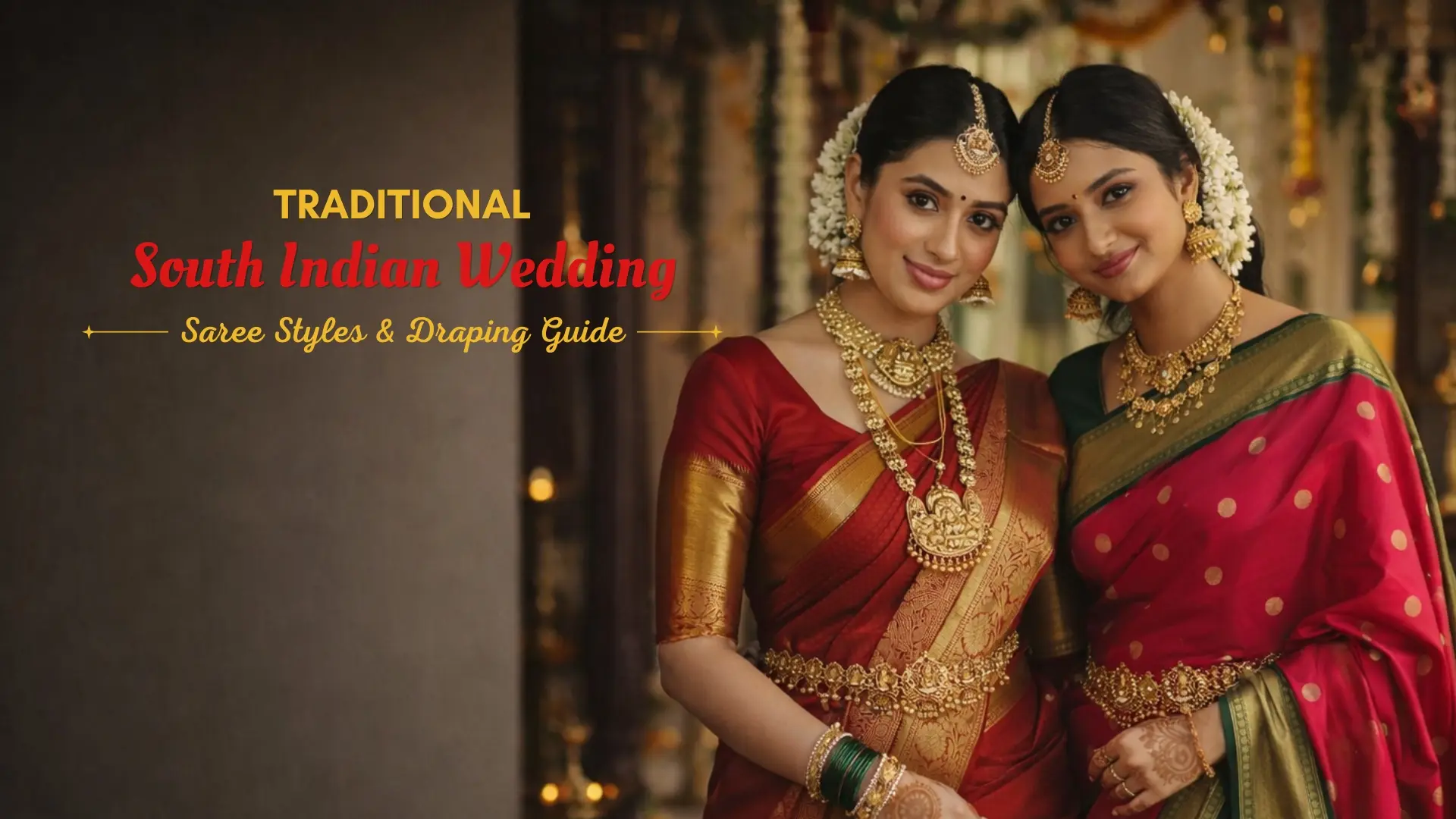
A South Indian wedding is not merely a ceremony it is a layered celebration of rituals, music, emotions, and generations of tradition. At the very heart of this celebration stands something truly iconic: the south indian wedding saree.
More than bridal wear, this timeless garment represents identity, cultural heritage, and emotional continuity that no modern trend has managed to replace. Even in 2026, when bridal fashion includes gowns, fusion silhouettes, and Indo-western experiments, the south indian wedding saree continues to hold its ground as the most meaningful choice a bride can make.
Whether planning a wedding look, attending a ceremony, or seeking to understand this enduring style, this guide covers everything from fabrics and weaving traditions to draping techniques, styling, and modern interpretations of the south indian wedding saree.
Why the South Indian Wedding Saree Is More Than Bridal Fashion
The south indian wedding saree has a cultural foundation that goes far deeper than aesthetics. In Tamil Nadu, Kerala, Karnataka, and Andhra Pradesh, brides traditionally wear sarees that reflect their regional identity, family customs, and ancestral pride.
What sets a south indian wedding saree apart is its remarkable balance between simplicity and richness. There is no need for excessive embellishment the weave, the border, and the drape itself carry all the visual impact and cultural weight.
Another defining quality of a south indian wedding saree is its emotional value. Many families treat it as a cherished heirloom, passing it from mother to daughter across generations, making it far more than an outfit for a single occasion.
Even as trends change rapidly in the bridal fashion industry, the south indian wedding saree remains a constant because it is rooted in tradition rather than in seasonal fashion cycles.
Celebrate Timeless South Indian Traditions
The Emotional Significance Behind a South Indian Wedding Saree
Every bride carries the memory of her wedding outfit throughout her life, and for South Indian brides, the south indian wedding saree becomes an inseparable part of that lifelong memory. It is often chosen through a meaningful process involving family, blessings from elders, and sometimes traditional rituals before the first wearing.
This deeply personal process of selection gives the south indian wedding saree a sacred quality that distinguishes it from any other garment. It is not chosen from a catalogue alone it is chosen with purpose, emotion, and generational wisdom.
Unlike fast fashion pieces that hold little meaning beyond the occasion, a south indian wedding saree represents prosperity, purity, and the beginning of a new chapter in a woman’s life.
Popular Fabrics Used in a South Indian Wedding Saree
Choosing the right fabric is the most foundational step in understanding the south indian wedding saree. The material determines not only how the saree looks but also how it drapes, how it photographs, and how comfortable it feels across long ceremonial hours.
Silk – The Soul of a South Indian Wedding Saree
Silk is the most iconic fabric associated with a south indian wedding saree, prized for its rich structure, natural sheen, and ability to hold pleats with precision. It creates a royal silhouette that defines the bridal look at traditional ceremonies. Women looking to buy silk saree styles for weddings will find silk to be the most enduring and prestigious choice available.
Cotton Silk – Comfort for Pre-Wedding Rituals
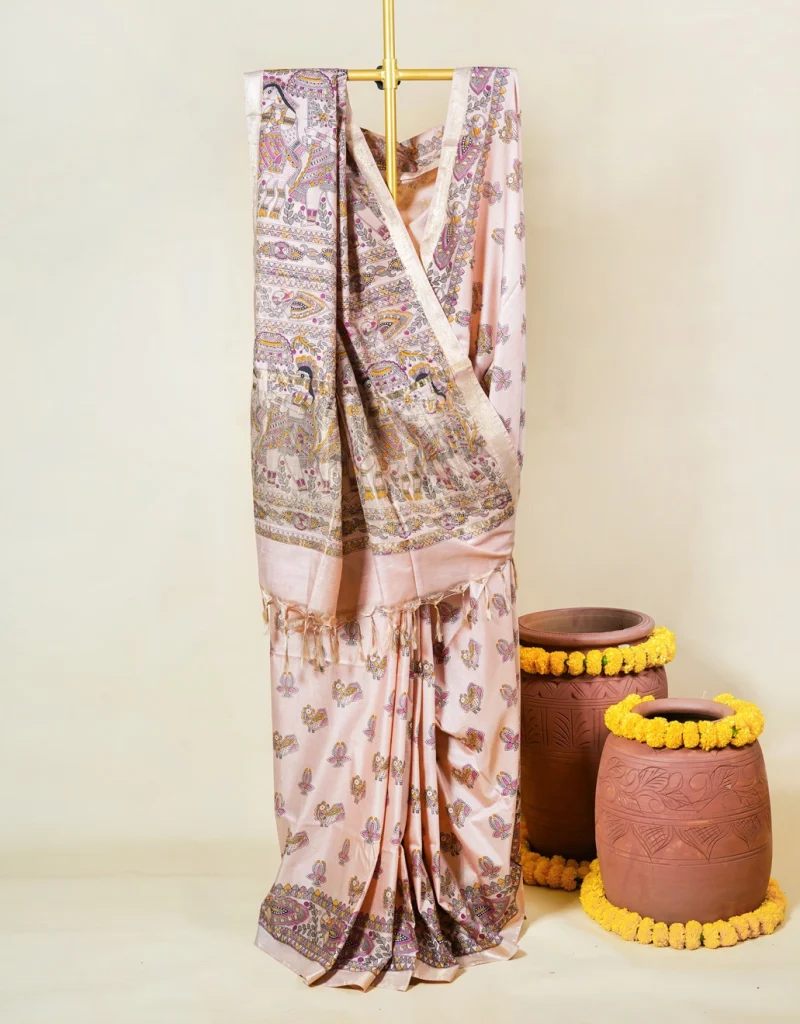
A cotton silk saree offers the perfect balance between comfort and elegance, making it a popular choice for pre-wedding rituals and daytime ceremonies where ease of movement matters. It is lighter than pure silk and considerably more manageable across several hours of wear.
Tissue Silk – Luminous Elegance for Receptions
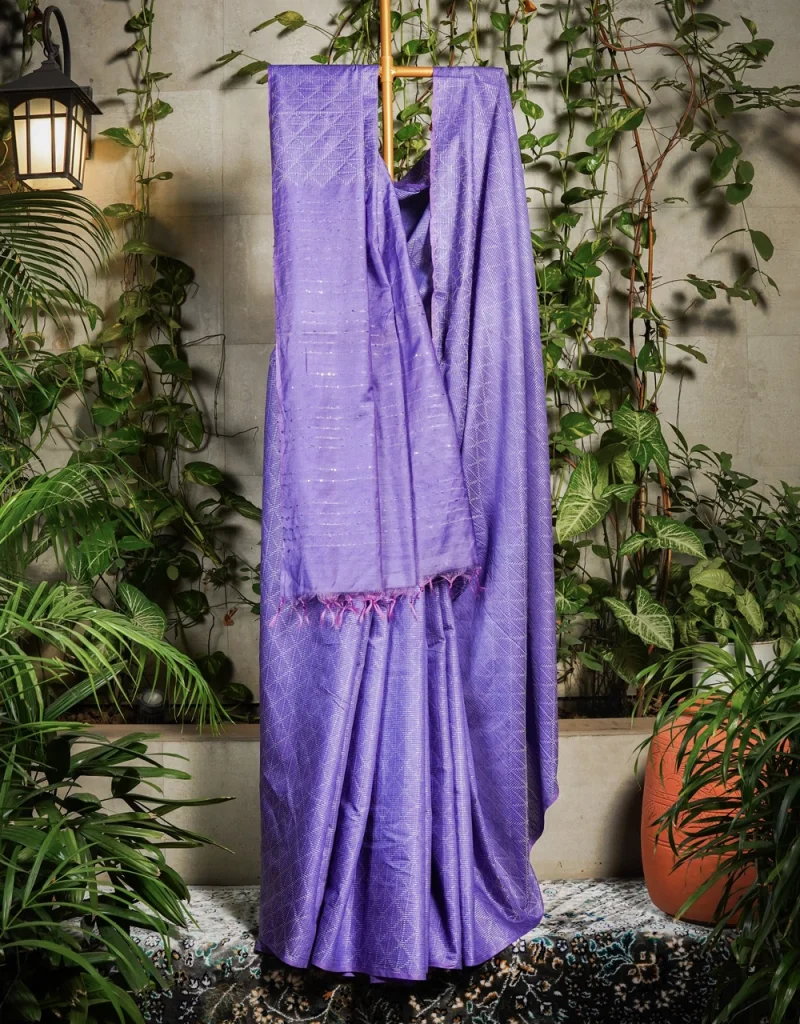
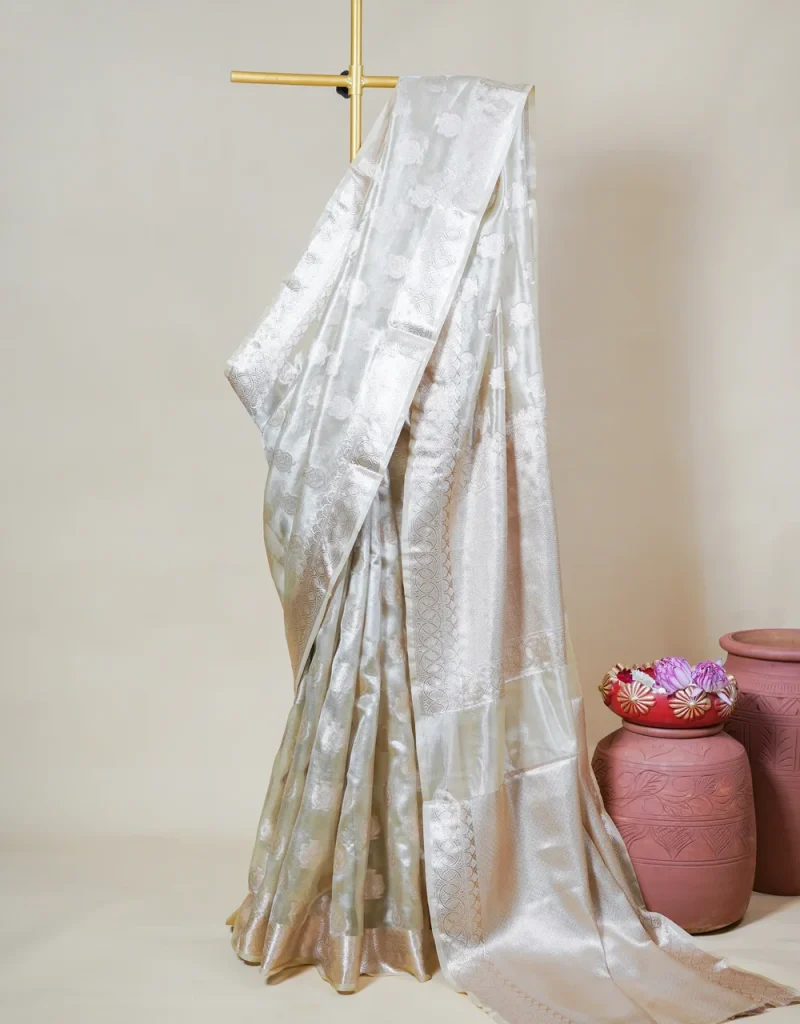
Tissue silk carries a fine, semi-transparent quality with a metallic shimmer that makes it an exceptional choice for reception evenings and formal functions. Those who wish to buy tissue silk saree styles will appreciate how this fabric holds structure while delivering an unmistakable luminosity that photographs beautifully under event lighting.
Tussar Silk – Earthy Sophistication
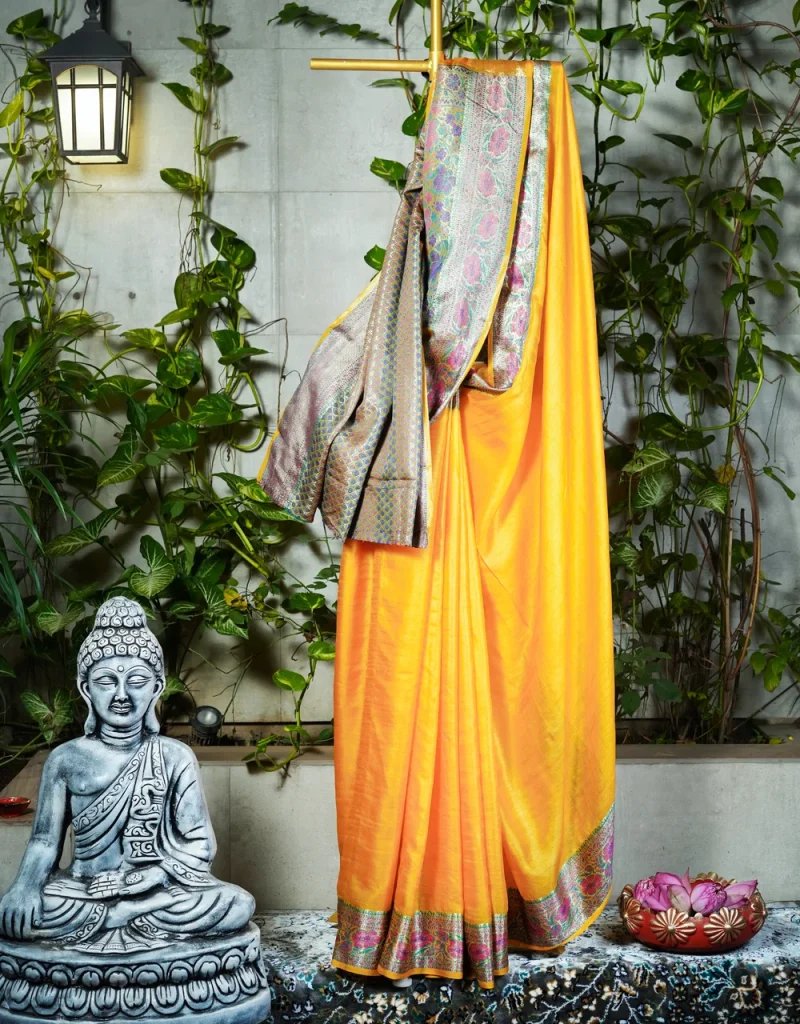
Tussar silk brings a natural, raw texture with a muted sheen that suits brides who prefer a more grounded, organic aesthetic in their south indian wedding saree. Women who choose to buy tussar silk saree styles are drawn to its quiet richness and the dignified manner in which it drapes at traditional ceremonies.
Linen and Linen Blend – Modern Minimalism
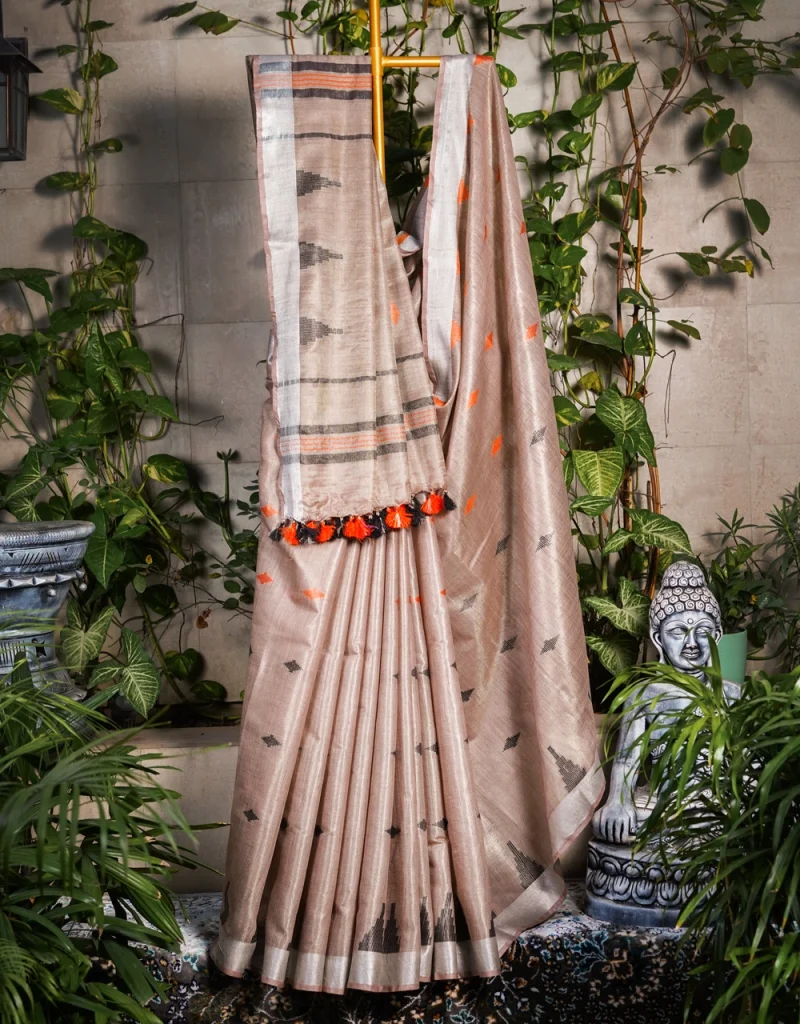
Linen and linen blend saree options are increasingly being embraced by modern brides for pre-wedding events and outdoor functions where breathability and ease of movement are priorities. Women who wish to buy linen saree styles will find a growing range of elegantly woven options that pair well with minimalist jewellery and contemporary accessories.
Georgette – Lightweight Option for Casual Functions
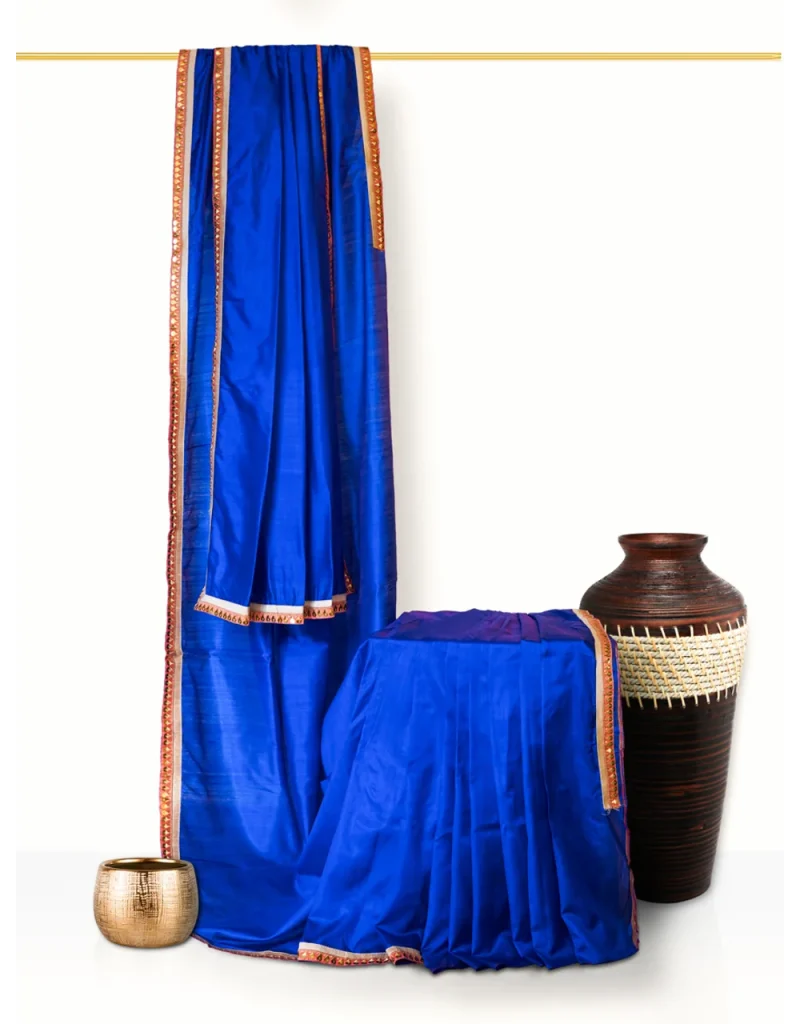
Lightweight georgette is favoured by many brides for reception nights and post-wedding celebrations where a more relaxed version of the south indian wedding saree aesthetic is preferred. It moves gracefully and drapes effortlessly without requiring the same level of preparation as heavier silks.
Brands like Siakari curate an extensive collection of bridal sarees across all these fabric categories, making it straightforward to find the perfect south indian wedding saree for every function and personal style.
Iconic Weaving Traditions of the South Indian Wedding Saree
The true beauty of a south indian wedding saree lies not only in its fabric but in the weaving traditions that give it its identity. Each regional weave carries a distinct visual language, historical legacy, and cultural story.
Kanchipuram Silk – The Crown of Bridal Weaves
What Makes Kanchipuram the Most Iconic South Indian Wedding Saree
Kanchipuram silk is widely regarded as the most prestigious south indian wedding saree available, celebrated for its temple-inspired borders, peacock motifs, and intricate gold zari work. Its durability and structural richness make it the top choice for main wedding ceremonies across South India.
Key Characteristics of Kanchipuram Weave
The Kanchipuram south indian wedding saree is distinguished by its three-shuttle weaving technique, where the body and border are woven separately before being interlocked. This method gives the saree exceptional strength, weight, and a distinct visual contrast between the body and the border.
Mysore Silk – Understated Elegance
Mysore silk offers a softer, lighter interpretation of the south indian wedding saree, making it ideal for brides who prefer refined minimalism over heavy ornamentation. Its smooth texture and subtle sheen give it a quiet elegance that works beautifully for engagement functions and intimate ceremonies.
Kerala Kasavu – Pure Tradition in White and Gold
The white-and-gold Kerala Kasavu is one of the most culturally distinctive versions of the south indian wedding saree, worn predominantly in temple weddings and traditional Kerala ceremonies. Its simplicity is its greatest strength the contrast between natural cotton and gold zari borders creates an appearance of dignified purity.
Colour Symbolism in a South Indian Wedding Saree
Colour in a south indian wedding saree is never arbitrary it carries specific cultural meanings that have been observed and respected across generations of bridal tradition. Understanding this symbolism helps brides make choices that are both aesthetically and culturally informed.
Red is the most widely chosen colour for a south indian wedding saree, symbolising fertility, auspiciousness, and prosperity. Gold represents divine blessings and is woven into virtually every traditional bridal saree through zari borders and motifs. Green is associated with harmony and the promise of new beginnings in a south indian wedding saree worn at auspicious occasions.
In contemporary weddings, pastel shades of pink, peach, and ivory are being introduced into the south indian wedding saree palette particularly for engagement ceremonies and reception evenings. However, traditional shades remain the cultural heart of the south indian wedding saree at main wedding rituals.
How to Choose the Perfect South Indian Wedding Saree
Selecting the right south indian wedding saree is a thoughtful and multi-dimensional process that goes beyond simply choosing a colour or fabric. Several practical and cultural factors must be considered before making a final decision.
Key Factors to Consider
Occasion and Function Type
Different functions within a South Indian wedding call for different interpretations of the south indian wedding saree. Heavy silk is most appropriate for the main wedding ceremony, while lighter fabrics suit pre-wedding events, receptions, and outdoor functions.
Fabric Weight and Comfort
Since weddings involve long hours of rituals, movement, photography, and socialising, the comfort of a south indian wedding saree is as important as its appearance. Heavy silks are appropriate for shorter ceremonies, while lighter fabrics serve better for all-day events.
Jewellery Compatibility
The colour, border style, and overall tone of a south indian wedding saree must complement the bridal jewellery being worn. Temple jewellery pairs most naturally with traditional Kanchipuram and Mysore silk styles.
Cultural and Family Preferences
Many South Indian families have specific regional preferences and customs around the south indian wedding saree, including expectations around colour, weave, and draping style. These preferences should be honoured alongside personal taste.
Many brides today choose to buy sarees online India through curated platforms that allow detailed comparison of multiple weave styles, colour options, and fabric weights before making a final selection.
Your Dream Saree Is Waiting
Traditional Draping Style for a South Indian Wedding Saree
Draping is what truly brings a south indian wedding saree to life. The traditional South Indian draping style is characterised by neat symmetry, structured pleating, and a controlled pallu placement that enhances the bridal silhouette without appearing excessive or informal.
The classic draping approach of a south indian wedding saree is designed to support good posture, allow graceful movement during rituals, and ensure the saree remains intact across several hours of continuous wear. Its restrained elegance is precisely why this draping tradition has endured without significant modification for centuries.
Step-by-Step Draping Guide for a South Indian Wedding Saree
Step 1 – Prepare the Foundation
The foundation of a well-draped south indian wedding saree begins with a properly fitted blouse and a firmly tied petticoat that sits at the natural waist. The petticoat length should reach the ankles to provide full support for the saree’s hemline throughout the ceremony.
Step 2 – Begin the First Tuck
Take the plain end of the south indian wedding saree and tuck it firmly into the petticoat at the navel, then wrap the fabric once fully around the body while maintaining an even hem throughout this initial wrap.
Step 3 – Set the Correct Hem Length
Before proceeding to the pleats, adjust the hem of the south indian wedding saree so it falls approximately half an inch above the floor enough to walk comfortably without the risk of stepping on the fabric during long ceremonial processions.
Step 4 – Create Even Pleats
Gather the front fabric into five to seven neat, equal pleats this is the most technically important step in draping a south indian wedding saree and the one that most directly determines the overall visual quality of the final result.
Step 5 – Secure the Pleats
Tuck the pleats firmly into the waistband slightly to the left of the navel, and pin them discreetly with a safety pin angled inward. For a south indian wedding saree worn across long ceremonies, this step is essential for maintaining pleat structure without any adjustment throughout the day.
Step 6 – Drape and Pin the Pallu
Bring the remaining fabric over the left shoulder and adjust the pallu length according to preference. For a traditional south indian wedding saree, the pallu is typically pinned at the shoulder to maintain a structured, formal appearance throughout the ceremony.
Modern Draping Variations for a South Indian Wedding Saree
While tradition remains the primary reference point, modern South Indian brides are increasingly experimenting with contemporary draping interpretations of their south indian wedding saree. These variations preserve cultural identity while incorporating personal style and current bridal fashion trends.
Popular Modern Draping Styles
Belted Draping: A structured belt at the waist adds a fashion-forward dimension to a south indian wedding saree while simultaneously keeping the pleats firmly in place throughout long events.
Layered Pleats for Volume: Additional pleating at the front creates a fuller, more dramatic silhouette for a south indian wedding saree worn at evening receptions and contemporary celebrations.
Relaxed Pallu Drape: A softly flowing pallu gives a more effortless, modern interpretation of a south indian wedding saree that suits brides who prefer a less structured aesthetic at post-wedding events.
Fusion Styling with Jackets: Pairing a traditional south indian wedding saree with an embroidered jacket or structured blazer has become a popular choice for reception evenings and cocktail functions.
Bridal Jewellery That Completes a South Indian Wedding Saree Look
No south indian wedding saree look is complete without the right jewellery, and in South Indian bridal tradition, temple jewellery is the most culturally authentic and visually harmonious choice. Gold necklaces, layered chokers, traditional bangles, maang tikkas, and waist chains collectively enhance the richness of the saree without competing with its craftsmanship.
Jewellery selection for a south indian wedding saree should be guided by the weight and colour of the saree fabric. Heavy Kanchipuram silk pairs best with elaborate multi-layered gold sets, while lighter fabrics such as Mysore silk or kasavu call for more restrained, elegant jewellery choices.
Hairstyling Traditions for a South Indian Wedding Saree
Hair is an integral component of the complete bridal presentation built around a south indian wedding saree, and no South Indian wedding look is considered truly finished without it. The most traditional and iconic choice is a neatly structured bun adorned with fresh jasmine flowers, which adds fragrance, cultural meaning, and visual contrast against the richness of the saree.
Contemporary brides wearing a south indian wedding saree are also exploring floral braids, embellished hairpins, and sleek chignons as alternatives that maintain cultural authenticity while reflecting individual personality.
Makeup Guidance for a South Indian Wedding Saree
Makeup for a south indian wedding saree should enhance natural features rather than overpower the traditional richness of the garment. Soft gold eyeshadow, precisely applied winged eyeliner, and warm-toned lipstick in shades of terracotta, rose, or deep burgundy create a polished bridal finish that complements the saree beautifully.
The overall makeup approach for a south indian wedding saree occasion should prioritise longevity and balance the saree itself carries significant visual presence, and makeup should harmonise with rather than dominate the overall bridal aesthetic.
Accessorising the South Indian Wedding Saree Look
The right accessories transform a beautifully draped south indian wedding saree into a complete, cohesive bridal statement. Each piece should be selected with the saree’s colour, weave, and overall tone in mind to ensure visual harmony across the entire look.
Essential Accessories for a South Indian Wedding Saree
Maang Tikka: Frames the forehead and adds a traditional focal point to the bridal look built around a south indian wedding saree.
Temple Necklaces: The most culturally appropriate necklace style for a traditional south indian wedding saree, available in elaborate multi-layered designs or more restrained single-strand styles.
Gold Bangles and Kadas: Wrist jewellery adds movement and sound to the bridal presentation, both of which are considered auspicious at South Indian wedding ceremonies.
Anklets and Waist Chains: These traditional accessories add cultural depth and completeness to the overall look of a south indian wedding saree without requiring excessive styling effort.
Photography Tips for a South Indian Wedding Saree
A south indian wedding saree photographs exceptionally well when the right styling, lighting, and posing choices are made by both the bride and the photographer. Natural lighting brings out the depth of silk weaves, the brilliance of gold zari borders, and the richness of traditional colours in a way that artificial light rarely replicates.
Key details such as the border pattern, jewellery placement, pallu drape, and pleat structure of a south indian wedding saree should be deliberately highlighted during close-up shots to capture the full cultural and aesthetic value of the garment. Candid expressions and traditional ritual moments often produce the most powerful images of a south indian wedding saree in wear.
Common Mistakes Brides Should Avoid with a South Indian Wedding Saree
Even the finest south indian wedding saree can lose its visual impact if styling and draping decisions are not carefully considered. Awareness of these common errors helps brides present themselves with the polished elegance their saree deserves.
Over-Accessorising: Excessive jewellery or accessories can overpower the craftsmanship of a south indian wedding saree rather than enhancing it. A curated, deliberate approach to accessorising always produces a more refined result.
Poor Blouse Fitting: A poorly fitted blouse undermines the structural balance of a south indian wedding saree and affects posture, silhouette, and overall comfort throughout the ceremony.
Uneven Pleat Structure: Inconsistent or loosely formed pleats compromise the symmetry and elegance that define a well-draped south indian wedding saree, and are among the most visually noticeable draping errors.
Ignoring Fabric Behaviour: Different fabrics drape, move, and hold structure differently, and treating every version of a south indian wedding saree with an identical draping approach often leads to a less-than-ideal result.
Prioritising Appearance Over Comfort: A beautiful south indian wedding saree that restricts movement or causes discomfort during long rituals will affect a bride’s confidence and enjoyment throughout the most important day of her life.
Recommended Tools and Resources for South Indian Wedding Saree Styling
For brides, families, and saree enthusiasts seeking deeper guidance on selecting and styling a south indian wedding saree, the following platforms offer reliable and visually rich references:
Taneira by Tata – A premium Indian saree brand backed by the Tata Group, offering authenticated silk weaves and regional handloom sarees including Kanchipuram and Mysore silk varieties ideal for a south indian wedding saree occasion.
The Loom – A curated online destination for handwoven Indian sarees, featuring detailed weave stories, regional craft documentation, and a wide selection of silk sarees suited for bridal and ceremonial wear.
Sundari Silks – One of Chennai’s most established saree retailers with decades of expertise in traditional Kanchipuram silk and South Indian bridal wear, serving as a reliable reference for weave authenticity and styling.
Bridal Asia – A leading Indian bridal lifestyle platform featuring editorial content, styling guides, and expert advice on bridal saree selection, jewellery pairing, and regional wedding fashion trends across South India.
How Siakari Supports Your South Indian Wedding Saree Journey
Siakari is a dedicated saree brand built around the values of authentic craftsmanship, regional heritage, and contemporary curation making it one of the most trusted destinations for brides seeking a south indian wedding saree that reflects both cultural integrity and personal style.
The Siakari collection spans Kanchipuram silk, Mysore silk, Kasavu weaves, tissue silk, and linen blends covering every fabric and function associated with the south indian wedding saree across different regions and family traditions. Each piece is carefully selected for quality, weave authenticity, and bridal suitability.
From grand wedding ceremonies requiring the finest Kanchipuram silk to reception evenings calling for lighter, contemporary fabrics, Siakari ensures that every bride finds her ideal south indian wedding saree from one trusted platform. The brand also provides styling guidance to support brides through the selection, draping, and accessorising process with confidence.
Why the South Indian Wedding Saree Remains Timeless
Fashion trends evolve continuously, but the cultural significance of a south indian wedding saree remains entirely unaffected by changing tastes or seasonal aesthetics. Its enduring relevance comes not from trend cycles but from the generational meaning woven into every thread.
Brides continue to choose a south indian wedding saree decade after decade because it connects them to their family lineage, regional identity, and ancestral traditions in a way that no contemporary garment can replicate. The saree is not just worn it is carried forward.
Even among younger generations who are exposed to global bridal fashion and international styling influences, the south indian wedding saree retains a special status because it represents something fashion alone cannot manufacture: belonging, continuity, and cultural pride.
Final Thoughts on the South Indian Wedding Saree
A south indian wedding saree is not simply clothing it is heritage woven into fabric, tradition expressed through colour, and identity preserved in every border and motif. Every pleat, border, weave, and drape carries meaning that extends far beyond the wedding day itself.
Whether a bride chooses a traditional Kanchipuram silk or a contemporary lighter interpretation, the essence of a south indian wedding saree remains consistent grace, cultural dignity, and the quiet confidence that comes from wearing something deeply meaningful. Brands like Siakari are committed to making that experience accessible, authentic, and memorable for every bride.
When a south indian wedding saree is worn with the right preparation, the right drape, and the right intention, it does not merely complete a bridal look it continues a tradition that has lived for generations and deserves to live for many more.
Crafted for the Modern South Indian Bride
FAQs
Why is the South Indian wedding saree so important in weddings?
The South Indian wedding saree is important because it represents tradition, culture, and family heritage. It is deeply rooted in rituals and symbolizes purity, prosperity, and new beginnings. Brides wear it as part of long-standing customs, often choosing it with family blessings. Its rich silk fabric and gold borders add a regal touch to the ceremony. Beyond fashion, the South Indian wedding saree carries emotional value, making it a timeless and meaningful choice for bridal celebrations.
Which fabric is best for a South Indian wedding saree?
Silk is the best fabric for a South Indian wedding saree because it offers structure, richness, and traditional elegance. Kanchipuram silk is especially popular for its durability and gold zari work. It drapes beautifully and enhances bridal appearance during ceremonies. Mysore silk is another lightweight yet elegant option. For pre-wedding functions, some brides choose lighter fabrics, but for the main wedding, silk remains the most preferred choice for a perfect South Indian wedding saree look.
How is a South Indian wedding saree traditionally draped?
A South Indian wedding saree is traditionally draped in a structured style with neatly arranged front pleats and a well-positioned pallu over the shoulder. The saree is first tucked at the waist, then pleats are made evenly and secured. The pallu is adjusted to fall gracefully, giving a balanced and elegant appearance. This classic draping style enhances posture and comfort, making the South Indian wedding saree look graceful, cultural, and perfect for long wedding rituals and ceremonies.
How can a South Indian wedding saree look more modern?
A South Indian wedding saree can look modern by experimenting with styling while keeping its traditional base. Brides can use belt draping, stylish blouses, or minimal jewellery for a contemporary touch. Soft makeup and different pallu placements also enhance the look. Lighter silk or fusion fabrics add freshness while maintaining tradition. Even though the South Indian wedding saree is traditional, modern styling helps brides personalize their look while still respecting cultural elegance and wedding customs beautifully.
Leave a Reply