
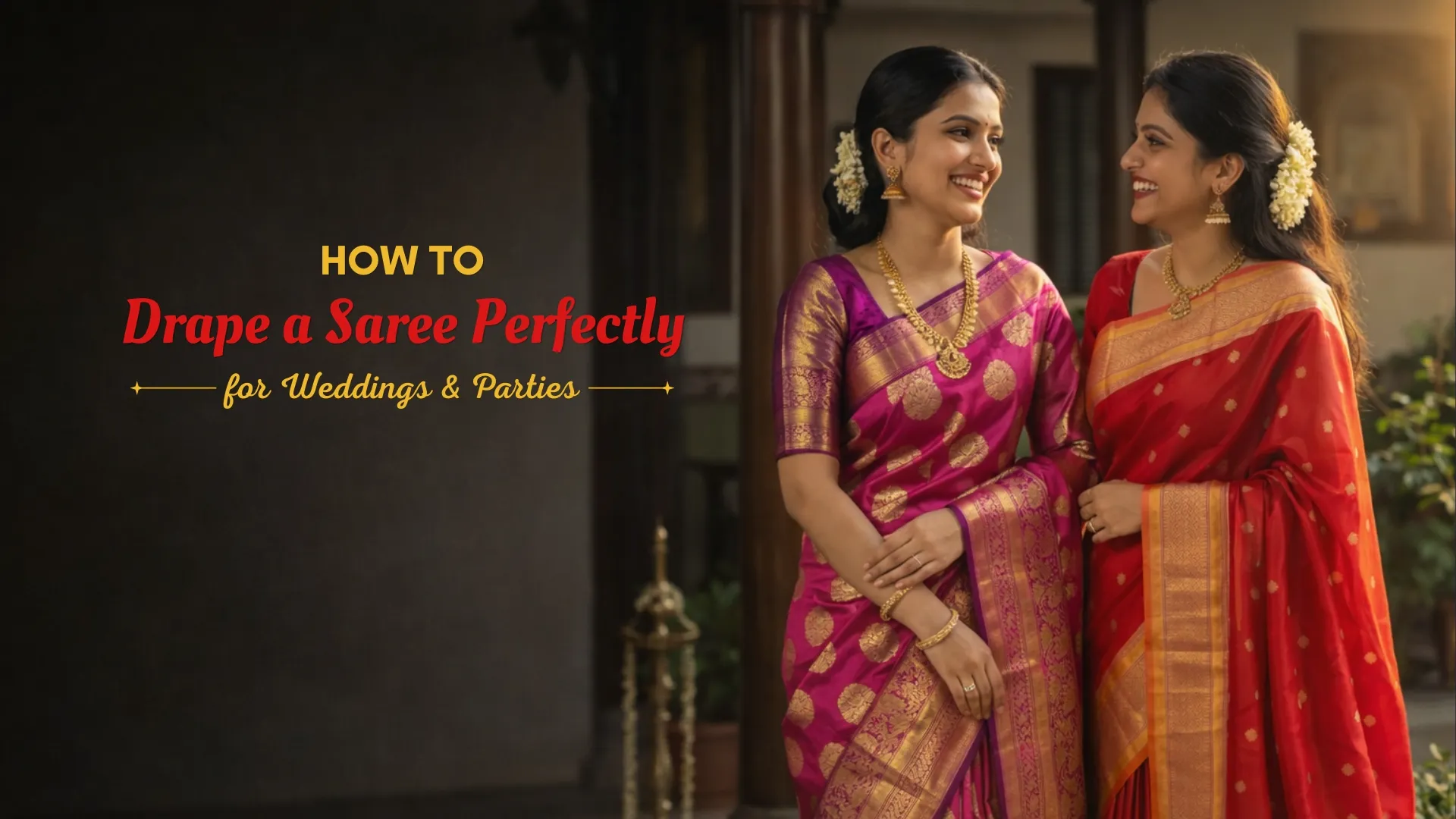
A saree is one of the most timeless garments in Indian fashion, and knowing how to drape a saree remains at the heart of presenting this six-yard wonder with the elegance it deserves. Regardless of how trends evolve, the grace of a well-draped saree continues to captivate generations across the country.
Yet, the most common challenge women face is not finding the right saree it is understanding how to drape a saree correctly so that a perfectly chosen fabric does not lose its impact through poor technique. Even the finest weave can appear undone when the draping is careless or rushed.
On the other hand, even a simple saree can look extraordinarily polished once a woman truly masters how to drape a saree with precision and confidence. This guide offers a comprehensive, step-by-step breakdown covering fabric selection, draping techniques, styling tips, and expert resources for every occasion.
Why Draping Technique Matters When Learning How to Drape a Saree
Unlike stitched garments that hold their shape independently, understanding how to drape a saree is essential because this unstitched fabric takes shape entirely based on how it is worn. The same saree can look dramatically different depending on pleat structure, waist tucking, and pallu placement.
A neat, structured drape enhances posture, improves movement, and elevates the overall appearance at any event and this is precisely why how to drape a saree correctly has such a direct impact on confidence and presentation. When the draping is executed well, everything else falls into place naturally.
Key Benefits of Mastering How to Drape a Saree
For weddings and parties where first impressions matter, understanding how to drape a saree is not optional it is essential. The benefits of a well-executed drape are immediately visible:
- Improved silhouette and body posture throughout the event
- Greater ease of movement during long ceremonies and celebrations
- A polished, camera-ready appearance from every angle
- A pallu that stays in place without constant readjustment
- A reflection of cultural sophistication and personal elegance
Upgrade Your Work Wardrobe
Choosing the Right Fabric Before Learning How to Drape a Saree
Before mastering how to drape a saree, selecting the right fabric is the most critical preparatory step. The material directly impacts how the saree holds pleats, how it drapes around the body, and how comfortable it remains across several continuous hours of wear.
Silk – The Classic Fabric for How to Drape a Saree at Weddings
Silk remains the most popular choice for formal occasions, and understanding how to drape a saree in silk is a skill every serious saree wearer should develop. It holds structure beautifully, carries a natural sheen, and creates a royal silhouette that no other fabric replicates. Women looking to buy silk saree styles will find silk varieties to be the most versatile and enduring choice across all formal and ceremonial occasions.
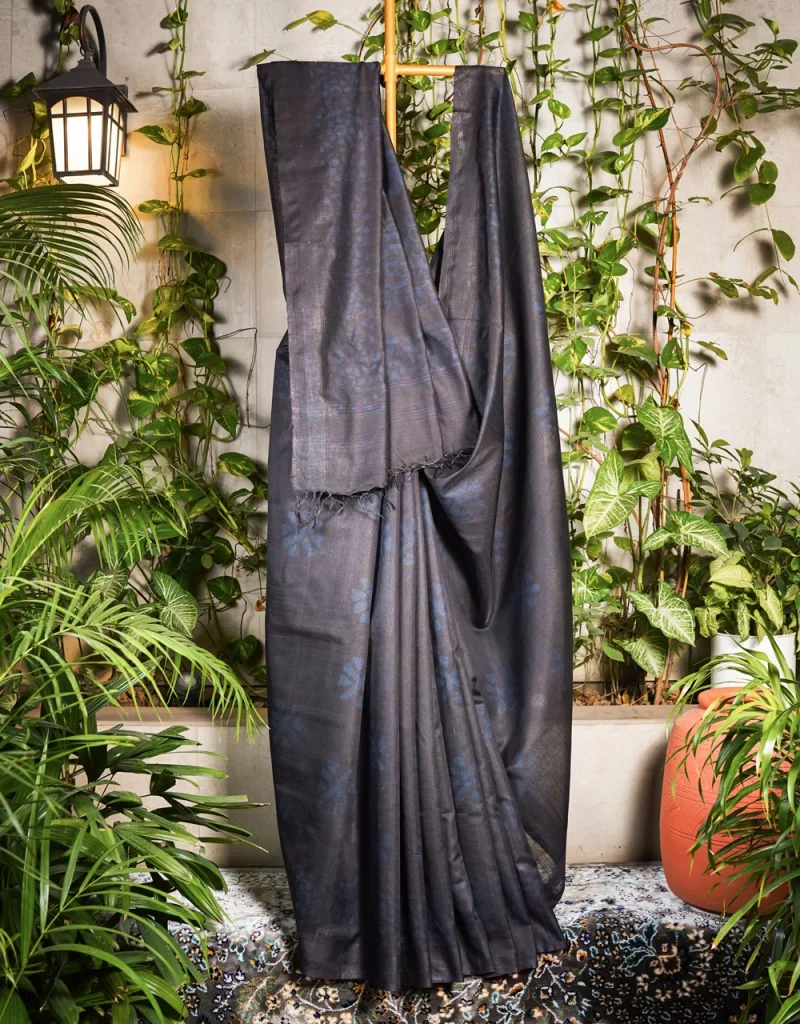
Tissue Silk – Luminous Structure for How to Drape a Saree at Events
Tissue silk is a fine, semi-transparent fabric with a metallic shimmer, and learning how to drape a saree in this material delivers a luminous result at high-end events and bridal functions. Those who wish to buy tissue silk saree styles will appreciate how firmly this fabric holds pleats while delivering an unmistakable radiance throughout the occasion.
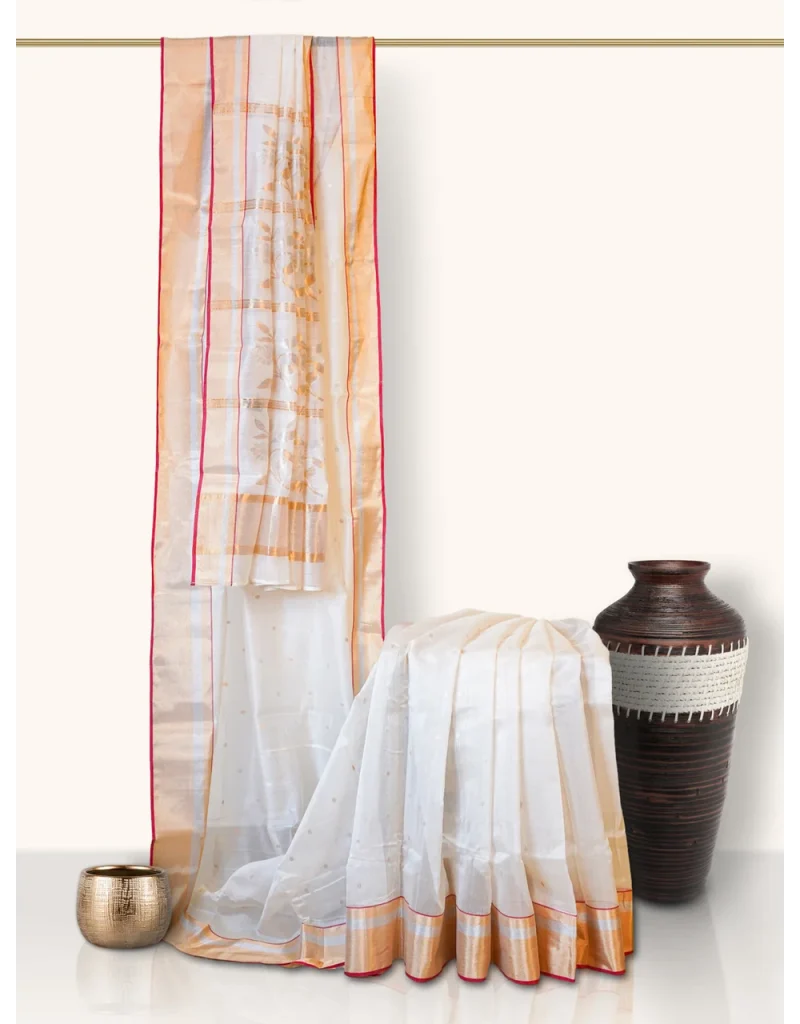
Tussar Silk – Earthy Elegance in How to Drape a Saree
Tussar silk offers a natural, raw texture with a muted sheen, making it an excellent fabric for those learning how to drape a saree for traditional gatherings and festive occasions. Women who prefer to buy tussar silk saree styles gravitate towards its organic character and the dignified simplicity with which it forms a clean, graceful drape.
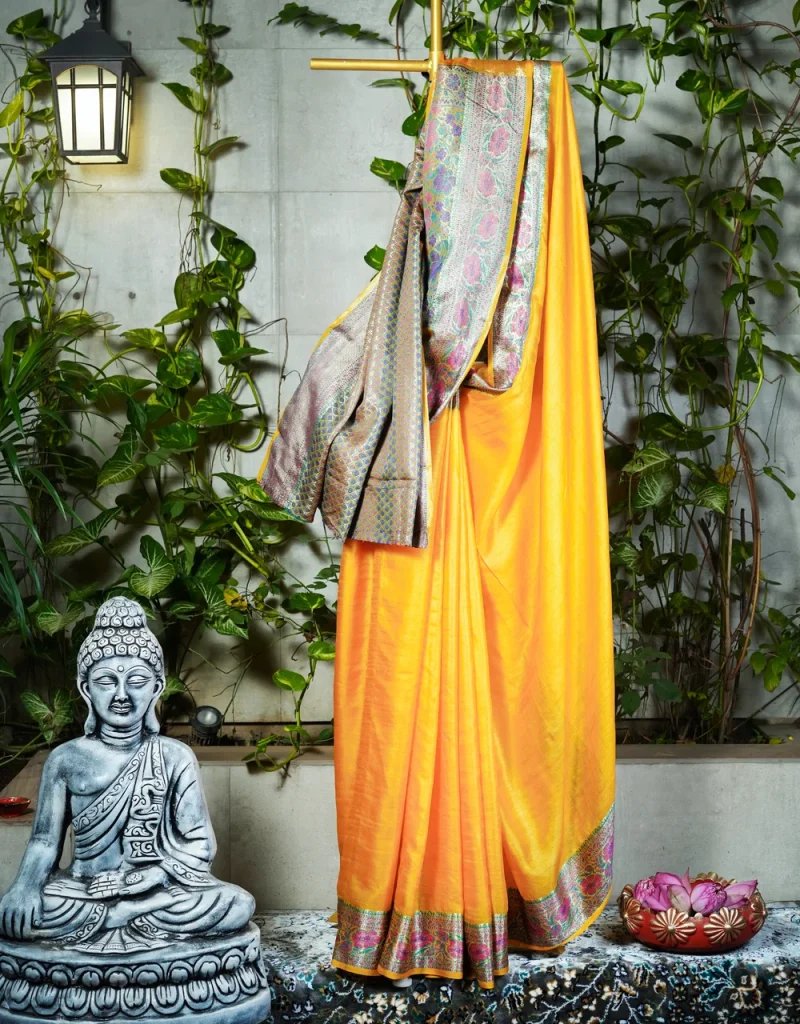
Cotton Silk – Comfort-First Approach to How to Drape a Saree
For semi-formal occasions and daytime events, a cotton silk saree strikes the perfect balance between comfort and elegance, making it an ideal fabric for beginners still building their confidence in how to drape a saree. It is lighter than pure silk, far easier to manage, and forgiving enough to allow for practice and adjustment.
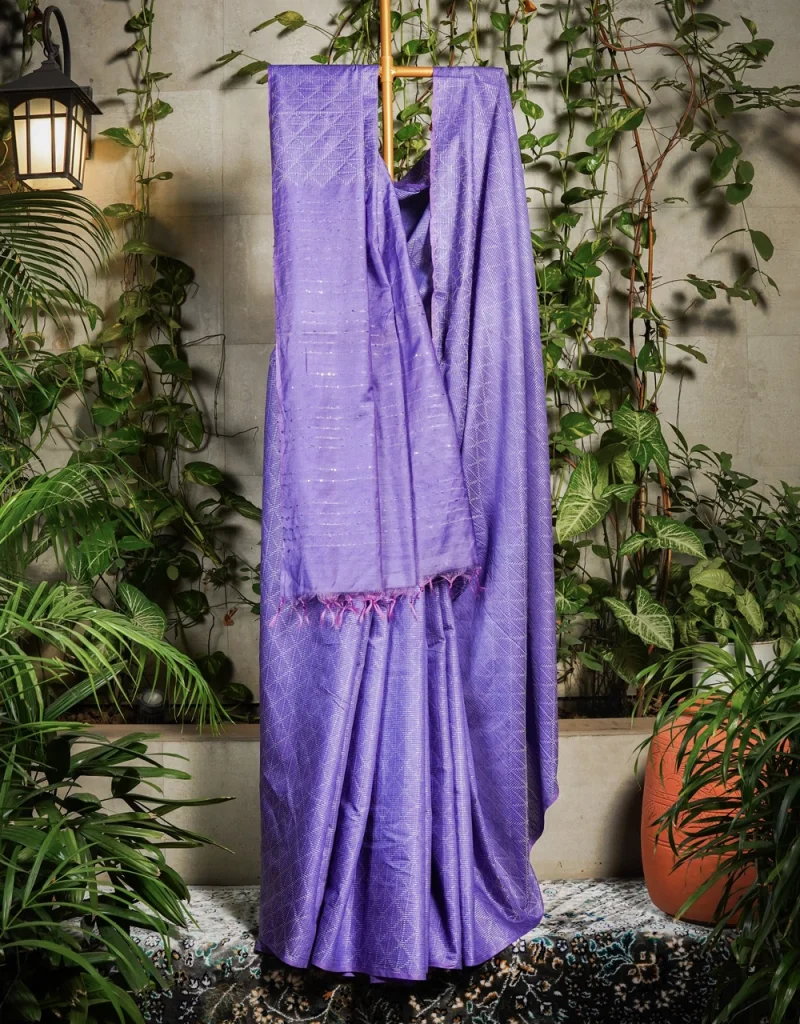
Linen and Linen Blend – Minimalist Approach to How to Drape a Saree
Linen sarees are gaining considerable popularity among women who prefer understated contemporary styling, and a linen blend saree drapes effortlessly while suiting semi-formal gatherings, office events, and outdoor functions with equal ease. Women who wish to buy linen saree styles will find a growing range of elegantly woven options that simplify how to drape a saree for modern occasions.
Siakari offers an extensive collection across all these fabric categories, making it easy to find the right saree for every occasion before mastering how to drape a saree to its full potential.
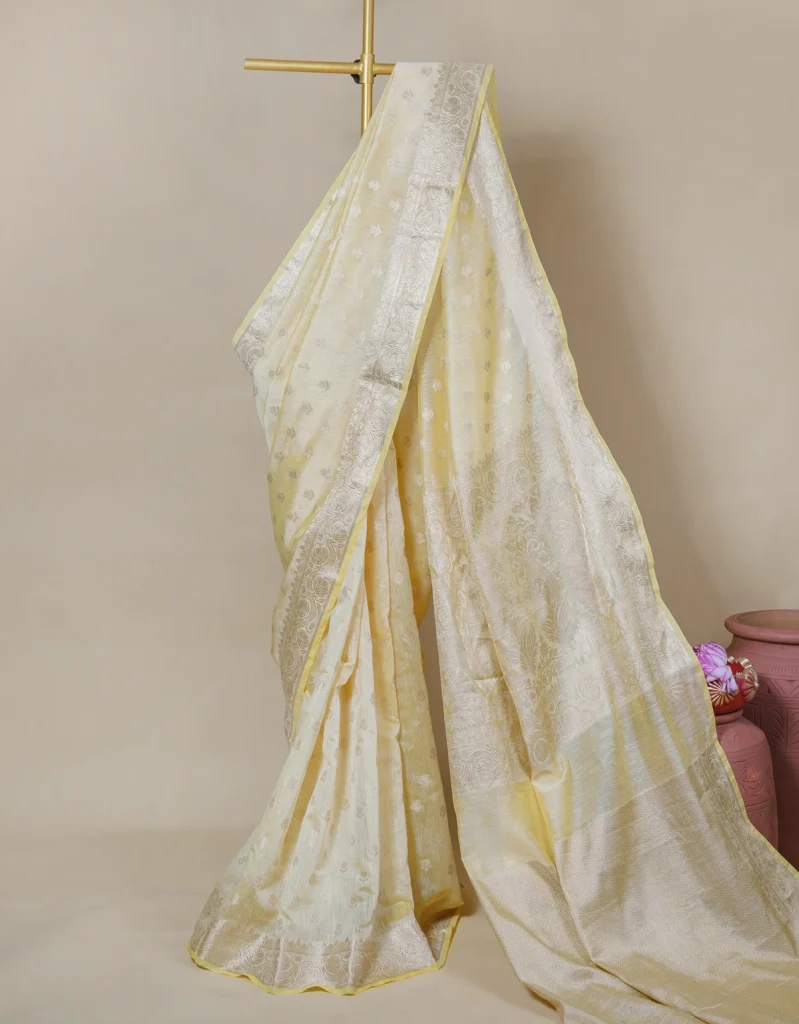
Understanding Saree Structure Before Practising How to Drape a Saree
Before beginning the draping process, understanding the basic components of a saree makes how to drape a saree far more intuitive and logical. Each section of the fabric plays a specific role in shaping the final silhouette and overall presentation.
Key Parts Every Woman Should Know Before Learning How to Drape a Saree
The Plain End
The plain end is the starting edge of the saree, and in how to drape a saree, this section is tucked into the petticoat first to anchor the entire drape securely at the waist before any wrapping begins.
The Main Body
The main body is the primary expanse of fabric that wraps around the waist, and in how to drape a saree, this section determines how the pleats fall and how the overall silhouette is shaped from the front.
The Pallu
The pallu is the decorative end draped over the shoulder and is often the most visually prominent section of the saree making its correct placement a central concern in how to drape a saree for formal occasions.
The Blouse Piece
The blouse piece provides the structural upper foundation, and its fit plays a critical role in the overall balance and finish that defines how to drape a saree with a polished, professional result.
Step-by-Step Guide: How to Drape a Saree for Weddings and Parties
Step 1 – Prepare the Right Base for How to Drape a Saree
The first step in how to drape a saree correctly is building a firm foundation a well-fitted blouse and a properly tied petticoat that sits snugly at the natural waist. The petticoat length should reach the ankles to provide full support for the saree’s hemline throughout long ceremonial events.
Step 2 – Begin the First Tuck When Learning How to Drape a Saree
The next step in how to drape a saree is taking the plain end of the fabric and tucking it firmly into the petticoat at the navel, moving from right to left. The fabric should then be wrapped once fully around the body while maintaining an even hem throughout this initial wrap.
Step 3 – Set the Correct Length in How to Drape a Saree
Before proceeding to the pleats, adjusting the hem so it falls approximately half an inch above the floor is an often-overlooked but essential step in how to drape a saree elegantly. This allows comfortable movement without the risk of stepping on the fabric during long processions or ceremonies.
Step 4 – Create the Pleats: The Most Technical Part of How to Drape a Saree
Gathering five to seven neat, equal pleats from the front fabric is widely considered the most technically demanding step in how to drape a saree. Each fold must be of consistent width and fall perfectly straight downward without fanning out, as uneven pleats are immediately noticeable in the final result.
Step 5 – Secure the Pleats Firmly When Practising How to Drape a Saree
Tucking the gathered pleats slightly to the left of the navel and pinning them discreetly with an inward-angled safety pin is what keeps how to drape a saree looking intact across several hours of continuous wear. This step separates a drape that holds its shape from one that requires constant attention throughout the event.
Step 6 – Drape and Position the Pallu to Complete How to Drape a Saree
Bringing the remaining fabric across the front of the body and over the left shoulder completes how to drape a saree in the classic style. The pallu can be left free to flow, pinned at the shoulder for security, or styled in a structured manner depending on the occasion and fabric weight.
Love Kanjivaram & Silk Sarees?
Popular Draping Styles for Mastering How to Drape a Saree
The Nivi Style – The Most Universal Approach to How to Drape a Saree
The Nivi drape is the most widely used and universally flattering answer to how to drape a saree across all regions of India. It suits every body type and pairs beautifully with both heavy silk and lightweight fabrics, making it the recommended starting point for any beginner.
The Seedha Pallu Style – A Royal Interpretation of How to Drape a Saree
In this variation, the pallu is draped straight across the front body rather than over the shoulder offering a regal, structured presentation for those learning how to drape a saree for traditional wedding ceremonies. It works exceptionally well with heavily embroidered or embellished pallus that deserve full, unobstructed display.
The Belted Drape – A Contemporary Take on How to Drape a Saree
A statement belt at the waist adds a fashion-forward dimension to how to drape a saree for modern occasions, simultaneously defining the silhouette and preventing pleats from loosening during long events. This style is especially popular at cocktail parties, receptions, and contemporary fusion celebrations.
The Pre-Stitched Drape – The Effortless Route to How to Drape a Saree
Pre-stitched or pre-pleated sarees are increasingly favoured by busy professionals and beginners who wish to master how to drape a saree without the technical complexity of traditional hand-pleating. They deliver the elegance of a classically draped saree with significantly less preparation time and effort.
Common Mistakes to Avoid When Learning How to Drape a Saree
Even experienced saree wearers make recurring errors that diminish the visual impact of their drape, and understanding these mistakes is an important part of mastering how to drape a saree correctly. Identifying and correcting them early makes a significant difference to the final presentation.
Uneven Pleats
Inconsistent pleat widths disrupt the symmetry of the front drape and are one of the most visible errors in how to drape a saree always fold each pleat to an equal width before tucking into the waistband.
Loose Waist Tucking
A loosely anchored saree will shift during movement and lose its shape within the first hour of wear, which is why a firm waist tuck is a non-negotiable foundation in how to drape a saree for any formal occasion.
Incorrect Petticoat Fit
A petticoat that is too loose or too tight undermines the structural foundation of the entire drape, and selecting the right petticoat fit is a preparatory step that significantly impacts how to drape a saree cleanly and securely.
Ignoring Fabric Behaviour
Silk holds its shape while georgette flows freely, and adapting the technique to the specific fabric being worn is an essential element of understanding how to drape a saree across different material types and occasions.
Poor Pallu Placement
A pallu that is too short or hangs unevenly affects the overall balance and elegance of the final result, making correct pallu adjustment one of the last but most important steps in how to drape a saree for any event.
Wedding Draping Tips for How to Drape a Saree Flawlessly
Weddings demand the highest standard of draping precision, and knowing how to drape a saree for such occasions means prioritising structure, stability, and careful preparation above all else. The saree must look impeccable from arrival through the final farewell across many hours of continuous wear.
Prioritise Stability When Applying How to Drape a Saree at Ceremonies
Heavy embroidered sarees in silk or tissue silk require extra pinning to maintain their structure, and applying how to drape a saree at a wedding means securing at least three to four discreet safety pins across the pallu, waist fold, and pleat section for long ceremonial events.
Select the Right Draping Style When Deciding How to Drape a Saree at Weddings
For traditional wedding ceremonies, the Nivi or Seedha Pallu style is most appropriate, while cocktail receptions and modern functions call for a belted or fusion approach to how to drape a saree that balances tradition with contemporary flair.
Accessories That Complement How to Drape a Saree at Formal Events
The overall impact of a well-executed drape is elevated significantly through the right accessories statement earrings, a classic necklace, embellished heels, and a structured clutch complete the look without competing with the saree itself when how to drape a saree has been done correctly.
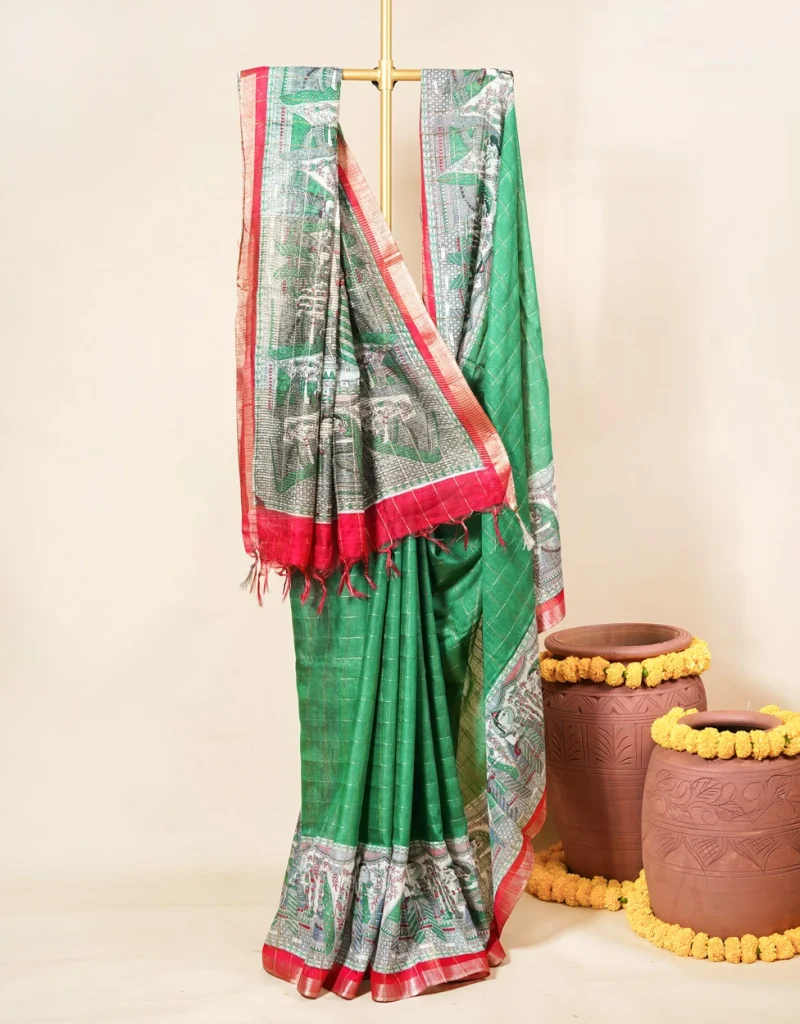
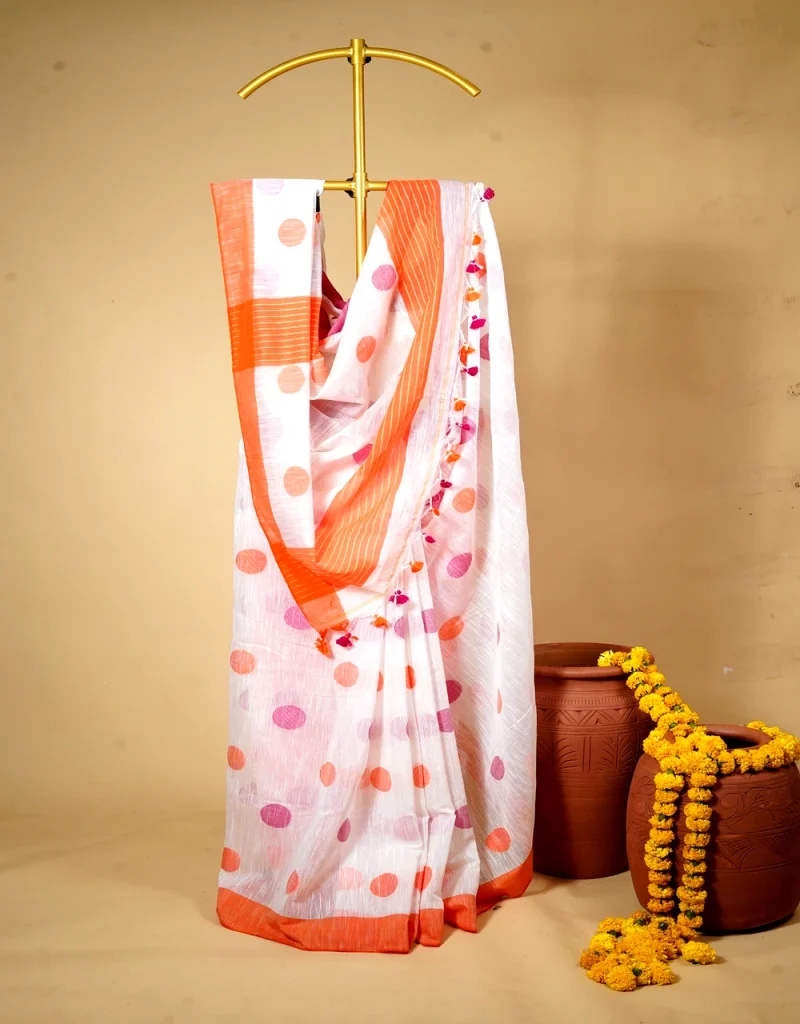
Party Draping Ideas for How to Drape a Saree with Modern Flair
Parties offer considerably more creative flexibility, and how to drape a saree for a party setting shifts the focus from traditional structure toward contemporary expression and personal style. Lightweight georgette and linen styles move gracefully under event lighting and drape effortlessly without excessive pinning or preparation.
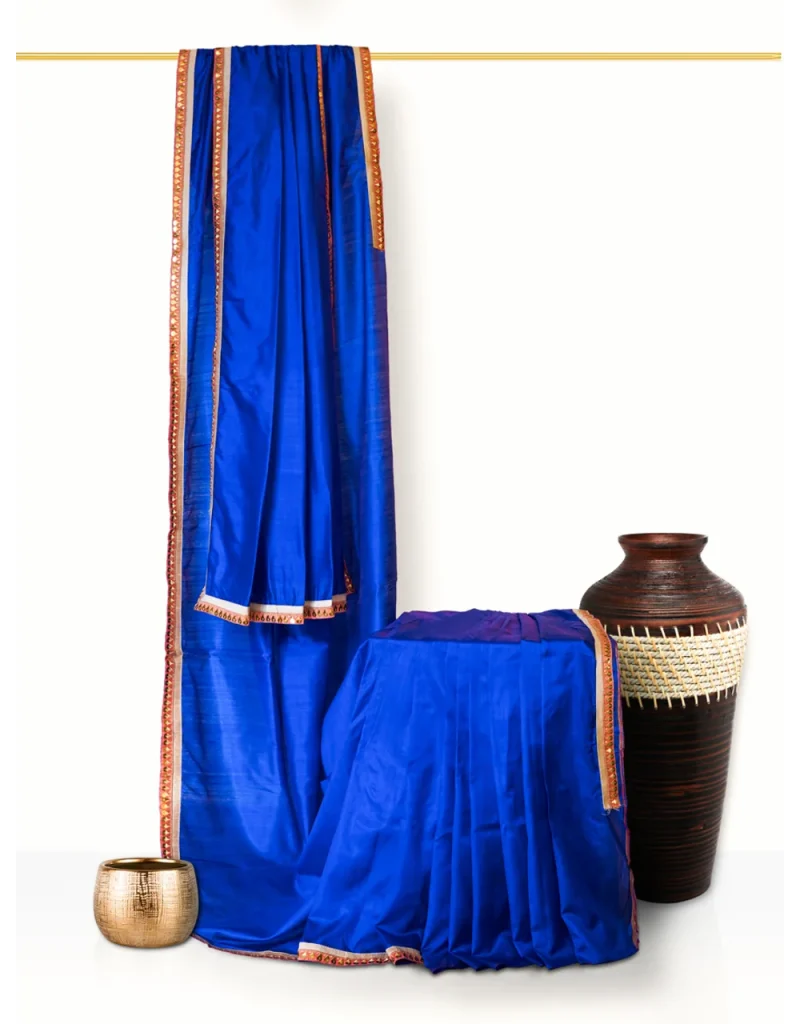
Minimal pleating combined with a dramatic, floor-length pallu creates a chic editorial look that illustrates how to drape a saree for a fashion-forward party aesthetic. This approach works particularly well with solid colours and subtle embellishments that catch the light without appearing overdressed or overly formal.
Fusion accessories such as contemporary metallic belts, layered necklaces, and strappy heels add a refreshing modern dimension to how to drape a saree at a party setting, blending Indian tradition with current styling sensibility in a way that feels effortless and intentional.
Recommended Tools and Resources for Learning How to Drape a Saree
For women seeking additional guidance and visual references on how to drape a saree for different occasions and fabric types, the following platforms offer reliable, detailed, and professionally curated content:
Taneira by Tata – A premium Indian saree platform backed by the Tata Group, offering authenticated silk weaves, regional handloom varieties, and styling references that complement learning how to drape a saree across different traditional styles.
Sundari Silks – One of Chennai’s most established saree retailers with decades of expertise in traditional South Indian silk weaves, serving as a reliable reference for fabric authenticity and draping guidance when researching how to drape a saree in classic styles.
Vogue India – Features editorial content and expert styling advice from leading Indian fashion professionals, including contemporary interpretations of how to drape a saree for high-profile weddings, parties, and modern formal occasions.
Craftmaster India on YouTube – Provides step-by-step video tutorials specifically on how to drape a saree across multiple styles and fabric types, making it one of the most accessible visual learning resources for beginners and experienced wearers alike.
How Siakari Supports Every Woman Learning How to Drape a Saree
Siakari is a dedicated saree brand that brings together traditional craftsmanship and contemporary design in one thoughtfully curated platform, supporting women at every stage of learning how to drape a saree with the right fabric, the right style, and the right guidance.
Women who wish to buy sarees online India will find Siakari’s collection organised by fabric type, occasion, and regional weave making it straightforward to identify the right saree for every event before applying the correct draping technique. Each piece is selected with both aesthetic quality and practical wearability in mind.
From handwoven silk sarees for grand wedding ceremonies to understated linen blends for semi-formal occasions, Siakari ensures that finding the perfect saree is a seamless experience that directly supports the process of learning how to drape a saree with confidence. The brand also provides styling guidance to assist customers through every step of the draping and accessorising process.
Caring for a Saree After Mastering How to Drape a Saree
Post-event care is as important as the draping itself, and understanding how to drape a saree should always include knowledge of how to preserve the fabric for future occasions. With the right maintenance practices, a saree can be worn across multiple events without losing its original character or structural quality.
Care Practices That Protect Your Saree After How to Drape a Saree
Dry Cleaning for Delicate Fabrics
Silk, tissue silk, and heavily embellished sarees should always be dry cleaned after wear preserving the fabric structure and embellishment quality is as important as knowing how to drape a saree in the first place.
Proper Folding and Storage
Always fold the saree along its original crease lines and wrap it in a muslin cloth before storing, which prevents dust accumulation and protects the fabric from friction damage between occasions when how to drape a saree will be applied again.
Airing Before Storage
Allowing the saree to air out fully for several hours before folding particularly after extended indoor wear prevents moisture and fragrance from being sealed into the fabric, maintaining its freshness for the next time how to drape a saree is practised.
Protection from Direct Sunlight
Storing the saree away from direct light prevents colour fading over time and preserves the vibrancy of embroidery, zari weaving, and printed motifs that make the draping result so visually impactful when how to drape a saree is executed correctly.
Final Thoughts on How to Drape a Saree for Every Occasion
Mastering how to drape a saree is a skill that develops gradually through practice, attention to detail, and a genuine understanding of fabric behaviour. Every pleat, tuck, and pallu fold contributes to the final presentation in ways that make the effort entirely worthwhile across every occasion.
Whether it is a traditional silk saree for a wedding ceremony or a contemporary linen drape for an evening party, the core principles of how to drape a saree remain consistent the right fabric, a firm base, even pleats, and a well-placed pallu define the beauty of every drape regardless of the style chosen.
Brands like Siakari make the entire journey easier from selecting the right fabric to finding the perfect saree for any occasion providing the foundation that makes learning how to drape a saree a seamless and enjoyable experience. With the right guidance and consistent practice, every woman can wear her saree with the confidence and poise it truly deserves.
Step Into Tradition with Elegance
FAQs
How do beginners learn how to drape a saree easily?
Beginners can learn how to drape a saree by starting with simple fabrics like cotton or georgette that are easy to handle. Practice basic pleating in front of a mirror before wearing the saree fully. Start with a secure petticoat and well-fitted blouse for stability. Focus on neat pleats and even wrapping around the waist. Watching step-by-step tutorials and practicing regularly helps improve confidence. Over time, how to drape a saree becomes more natural and effortless with repetition.
Which saree fabric is best for learning how to drape a saree?
For learning how to drape a saree, cotton blends and lightweight georgette are the best options. These fabrics are easy to manage and do not slip much during practice. A cotton blend saree helps beginners understand pleating and tucking without stress. Georgette is flowy and forgiving, making it ideal for parties. Silk can be slightly difficult for beginners but great for weddings once basic skills improve. Choosing the right fabric makes how to drape a saree much simpler.
How can I make my saree look perfect for weddings after draping?
To make your saree look perfect for weddings after learning how to drape a saree, focus on neat pleats, proper pallu placement, and a well-fitted blouse. Add statement jewellery like earrings or necklaces to enhance elegance. Use pins discreetly to secure the drape. A polished hairstyle such as a bun or curls completes the look. Confidence also plays a big role. When everything is balanced, how to drape a saree beautifully transforms your overall wedding appearance instantly.
What are common mistakes while learning how to drape a saree?
Common mistakes while learning how to drape a saree include uneven pleats, loose tucking at the waist, and incorrect petticoat fit. Many beginners also ignore fabric behavior, which affects the final look. Another mistake is over-tightening the saree, making movement uncomfortable. Poor pallu placement can also spoil the appearance. Avoid rushing the process and practice slowly. With attention to detail and patience, these mistakes reduce over time, and how to drape a saree becomes easier and more elegant.
Leave a Reply